 This post marks ten years—a decade—of onthisdateinphotography.com! There’s no better way to celebrate it than to consider progress on a new Australian institution devoted, as is this blog, to photography…
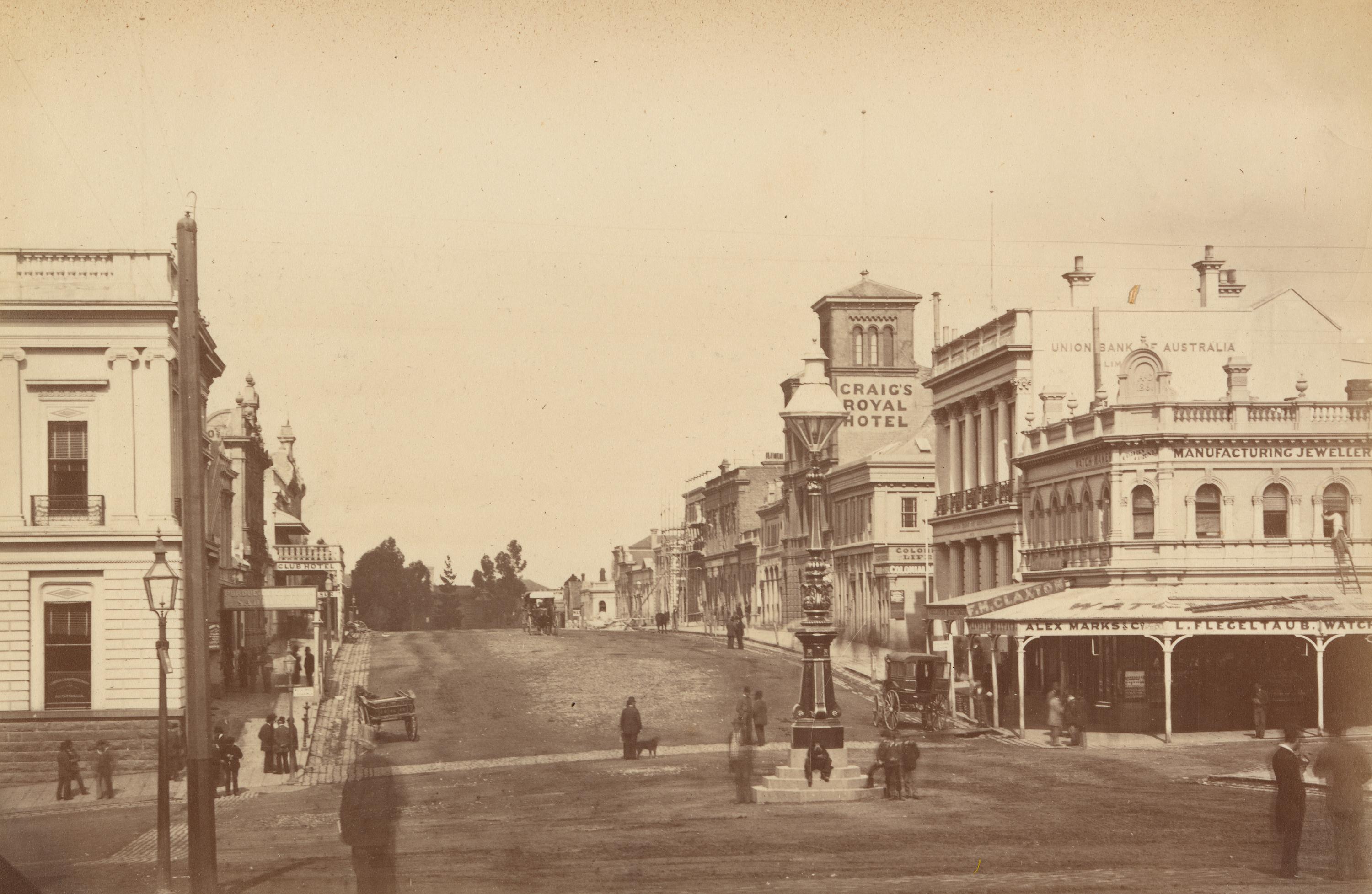
Vanessa Gerrans, Ballarat International Foto Biennale CEO, was the guest of Ballarat Arts Alive at its latest Arts Chat session, speaking on the new National Centre for Photography in Ballarat, in a meeting I attended at Craig’s Hotel in the provincial city yesterday.
In a voice clear, calm and steady over the music loudly emanating from the neighbouring bar, Vanessa discussed the relationship of the Ballarat International Foto Biennale (BIFB) and the National Centre for Photography. Given its name, a main remit of BIFB is to invite international exhibitors whose work is a major feature, recruitment of whom will resume when the northern hemisphere returns from summer holiday, but the Centre will concentrate on Australian creatives.
An early question of Vanessa was “why would a ‘national centre’ not be hosted in Canberra?” In reply she noted that it is not unusual overseas for such organisations to be provincial, giving as an example the Rencontres d’Arles, which has run since 1970 in the coastal Mediterranean city in Provence, in the south of France. There are many others: the National Science and Media Museum in Bradford UK; The Center for Creative Photography (CCP) in Tucson, Arizona, USA; The George Eastman Museum, Rochester, New York, USA; Musée National de la Photographie, Rabat/Salé, in Morocco; Fotomuseum Winterthur, Winterthur Switzerland; Château d’Eau, Toulouse, France.
To our surprise, Vanessa related that there is still debate in some circles about whether photography warrants its own space. Australia hosts a network of national bodies, highly influential state institutions, and dedicated creative programs that champion specific medium-based practices such as cinema, multi- or screen-media, printmaking, sculpture, and painting, and many intentionally exclude photographic arts, among which we can count the Contemporary Art Society branches in each state, Screen Australia, National Film and Sound Archive of Australia (NFSA), Australian Cinematographers Society (ACS), The Sculptors Society (TSS), the NGA Sculpture Garden, the Australian Ceramics Association, the Aboriginal Art Association of Australia (AAAA), Victorian Artists’ Society and the Art Society of Tasmania, and also—though more accepting of photo-derived media—the Australian Print Workshop (APW) and the Print Council of Australia Inc. (PCA).
There was an Australian Centre for Photography, now subsumed into Sydney’s Powerhouse around which controversy arose regarding Powerhouse Parramatta’s stewardship of Australian photography. There is distrust of the NSW state-owned institution’s ability to preserve the independent legacy of the defunct Australian Centre for Photography (ACP). When the Powerhouse (Museum of Applied Arts and Sciences) acquired the ACP’s $1.6 million fund and archive in October 2022 to form Powerhouse Photography, the move was marketed as a grand rescue mission. However, it sparked intense skepticism within the arts community regarding whether a massive, highly politicised state apparatus could replicate the grassroots, artist-centric care once provided by the ACP, though that too was not free of perceptions that it was too Sydney-centric.
The existence of the Museum of Australian Photography (MAPh) prompts some to question the need for a National Centre for Photography, though the former is specifically a museum and the Centre is, unlike MAPh, not a repository for a collection. Other state organisations remain; the Centre for Contemporary Photography clings bravely on in Melbourne, the Perth Centre for Photography (PCP) in Fremantle, and despite funding cuts and having held no shows this year, the Queensland Centre for Photography which once published small but lavish catalogue that I still treasure. There are no such organisations in Tasmania, the Northern Territory or South Australia.
The building
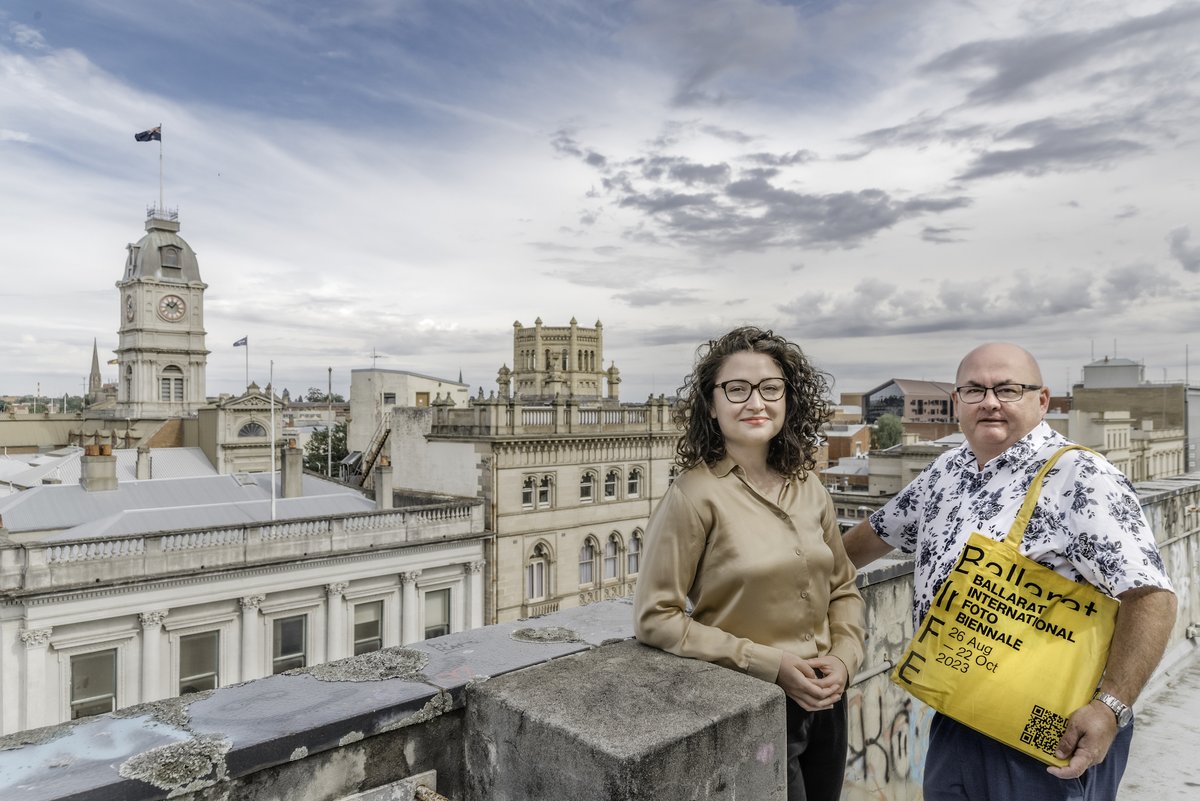
The organisation purchased the bank building in 2018 through funds from three philanthropic donations, and then, in 2021, received a state government grant of $6.7 million.
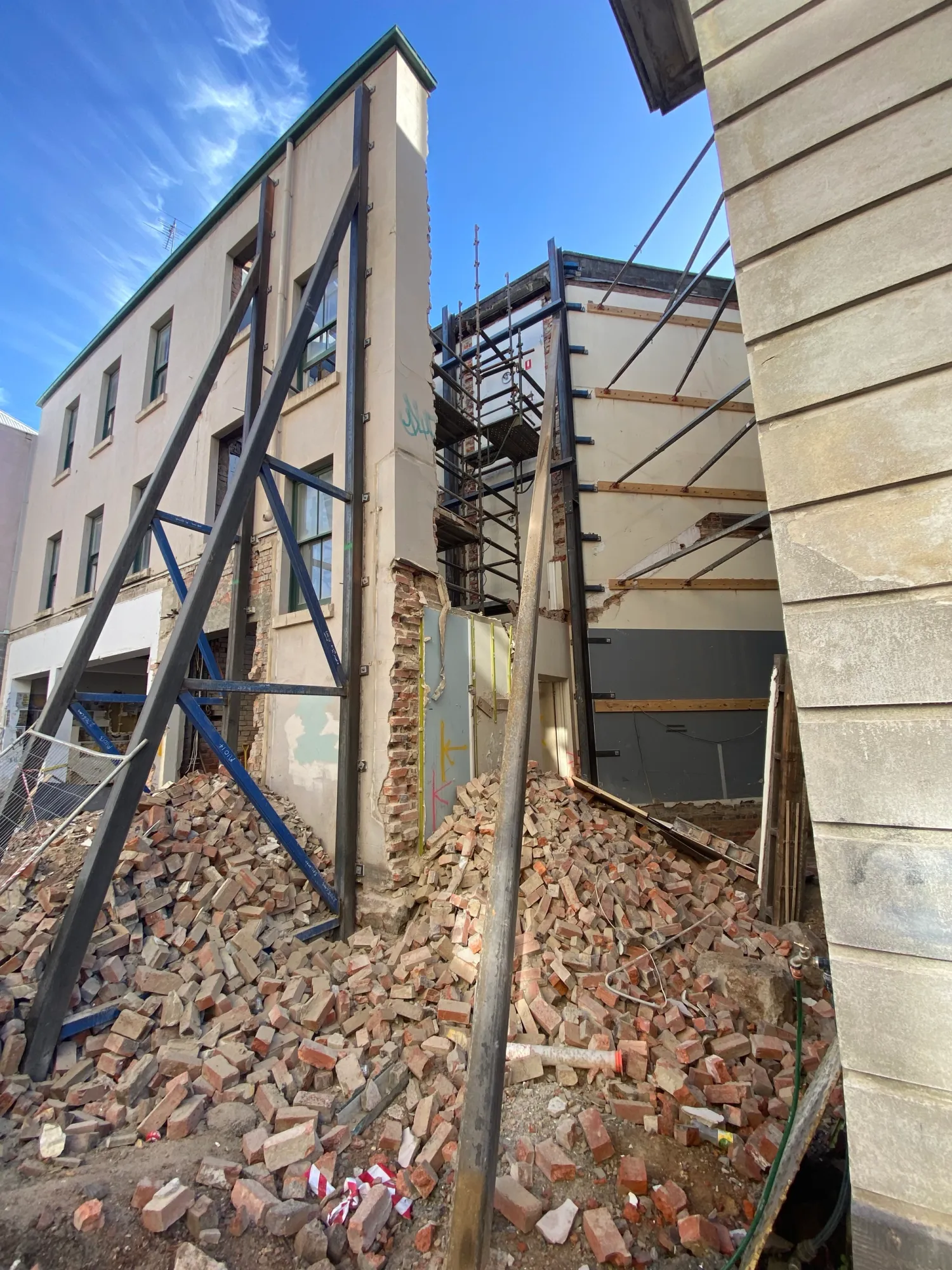
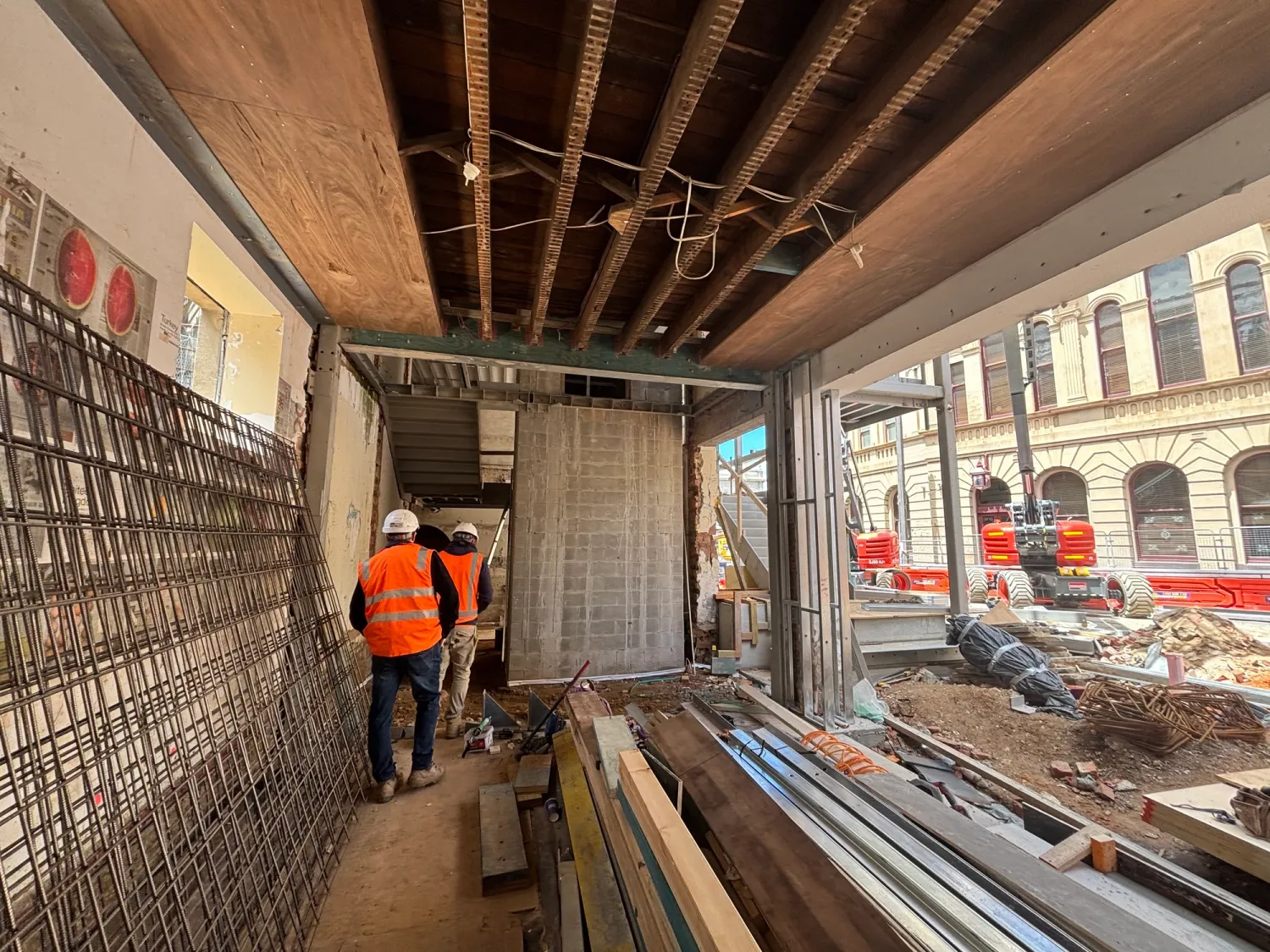
Having moved to Ballarat in mid-2022, after seven years as the Warrnambool Art Gallery director, Vanessa joined BIFB at a pivotal moment: to open the National Centre. A conservation management plan meant they weren’t able to demolish that back building as initially envisaged due to the heritage-listing. Consequently, they have staged construction to deliver the ground floor including its gallery spaces and new amenity in 2026.
The National Centre for Photography will be open in time for next year’s Festival, creating an opportunity to significantly refresh the look, feel and possibilities of the program.
Its first major exhibition will be a First Nations-led exhibition and the program and concepts are currently under development. In the lead-up, the Centre will present a series of pop-ups and activations.
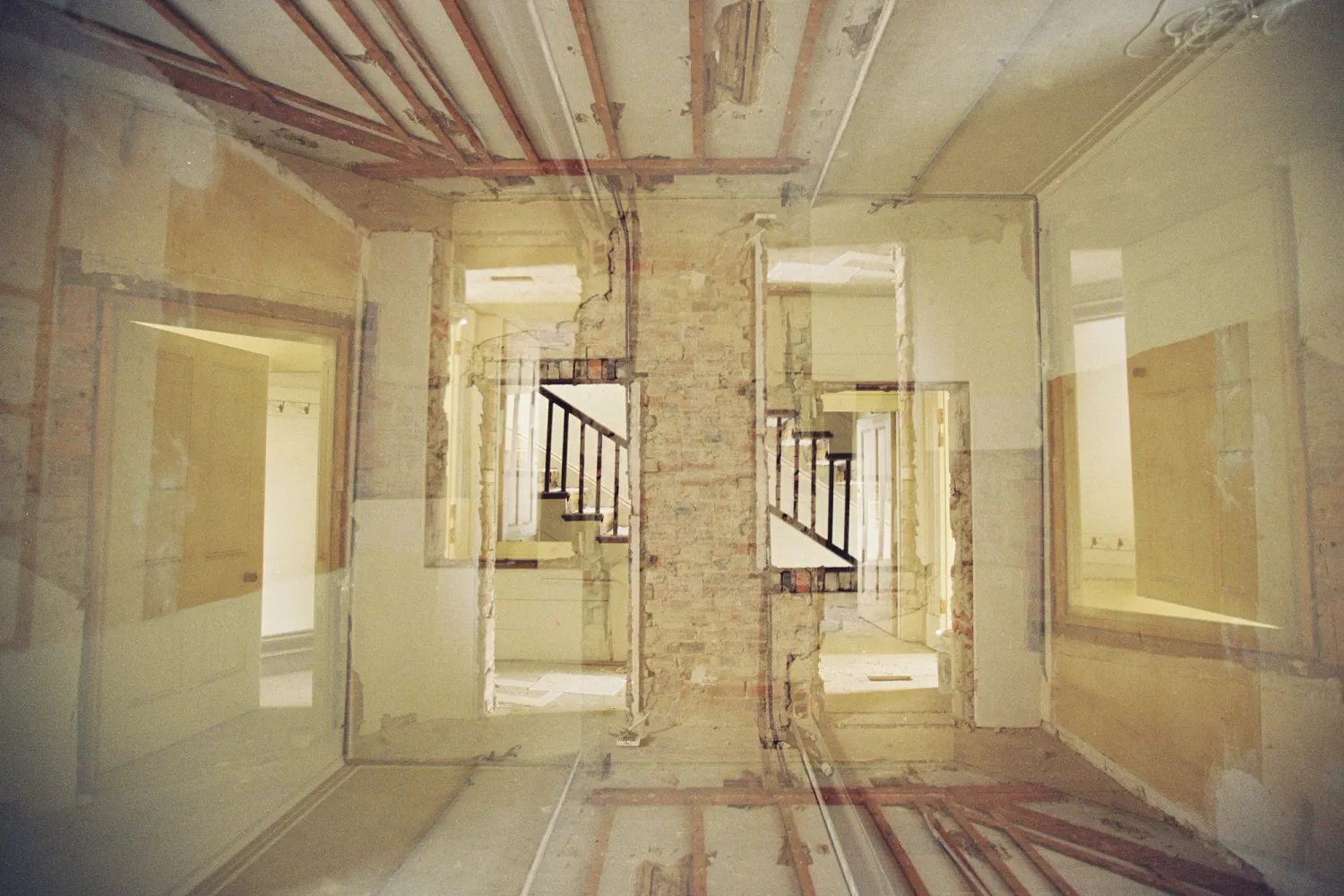
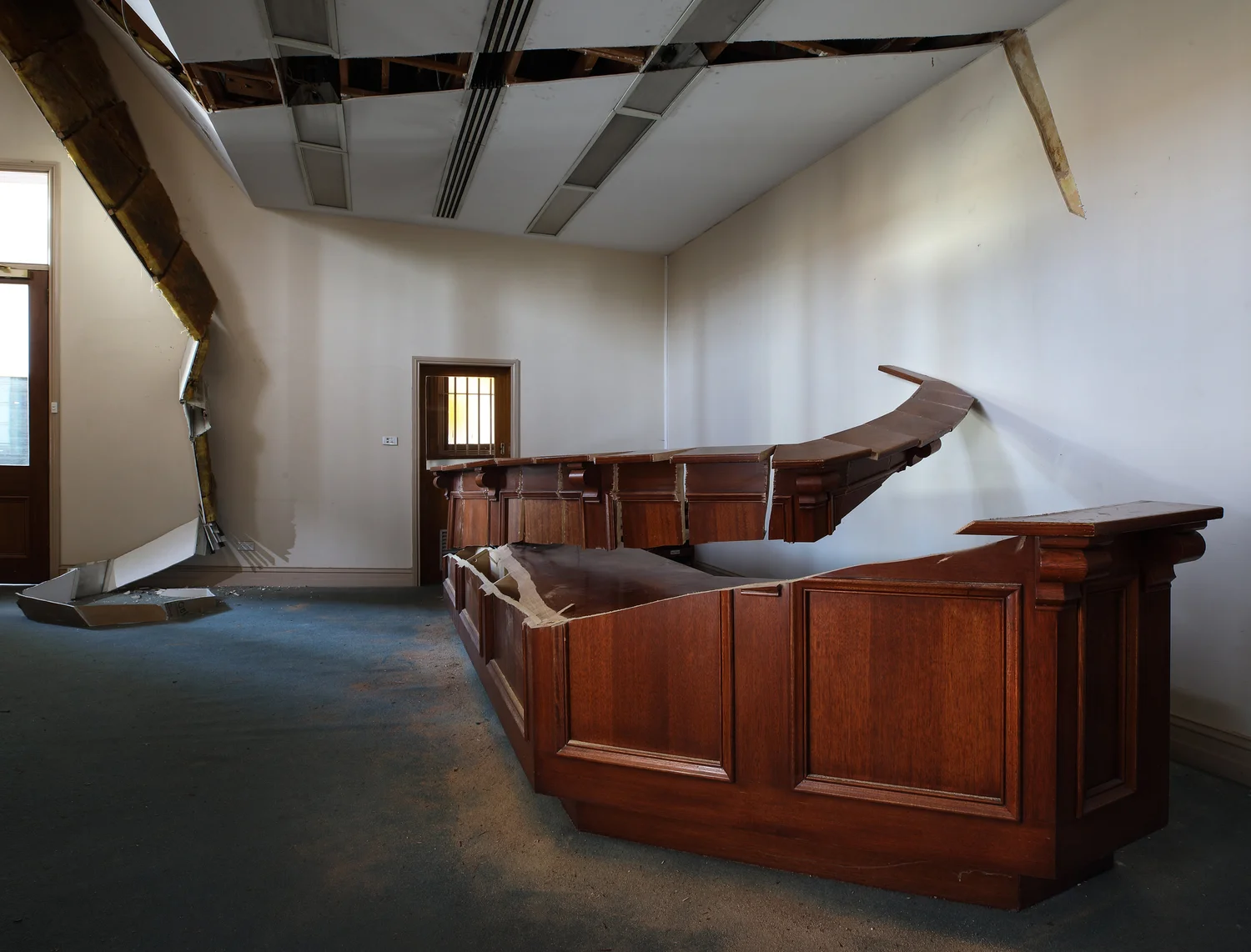
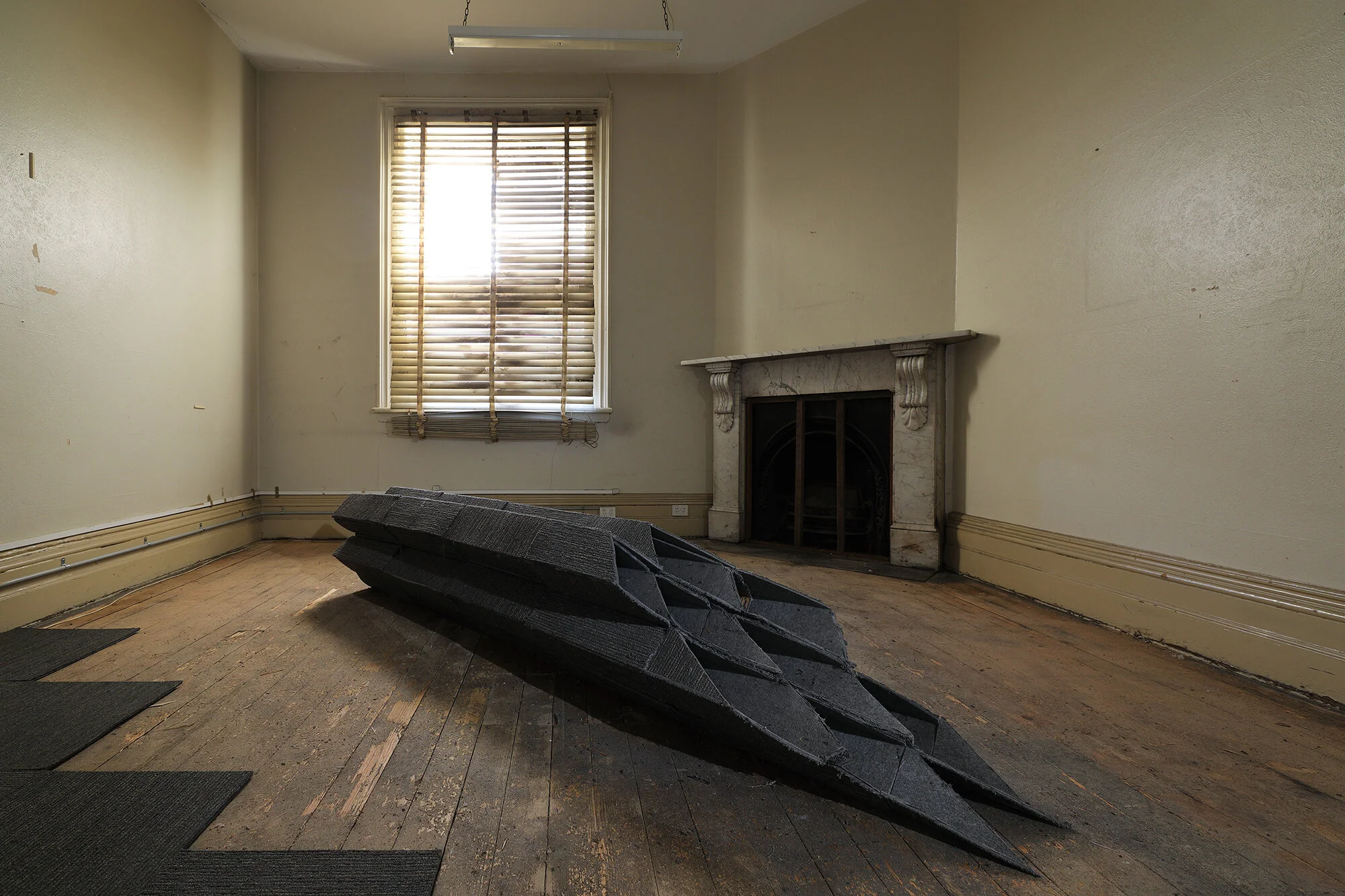
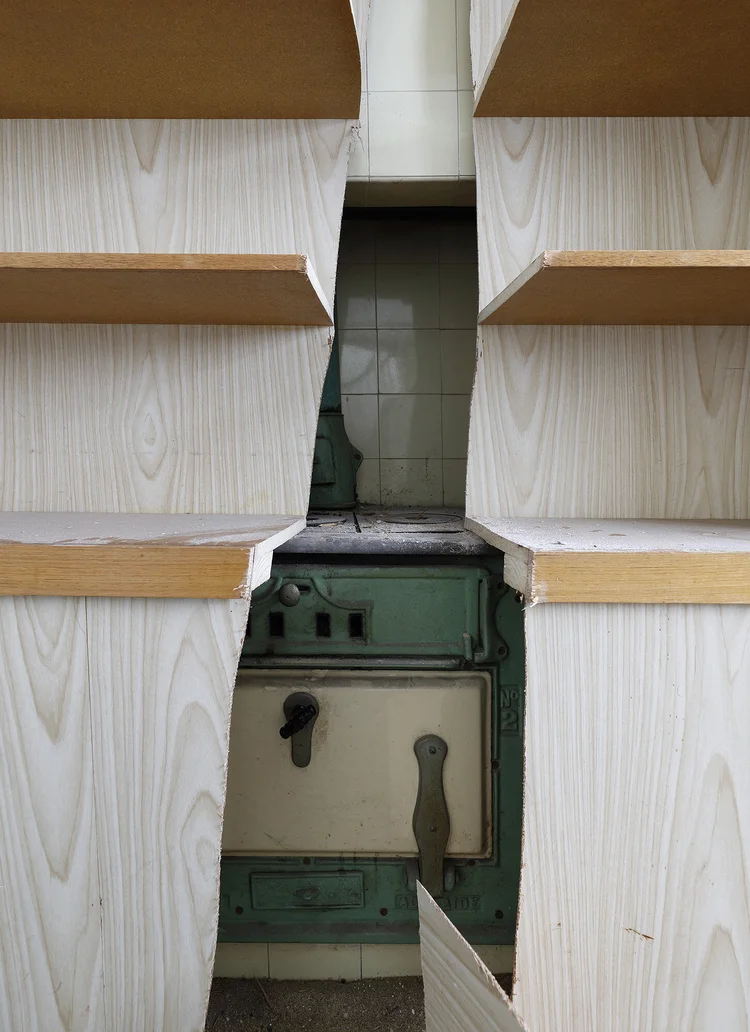
The building is a maze of spaces large and small, and an inkling of that can be gauged from Robbie Rowlands‘ photography of his 3-month sculptural intervention in the space commissioned for the 2019 Ballarat Foto Biennal in which he cut through layers of recent partitioning and fixed furniture to expose an historical stratum behind, while creating sculptural forms from his excisions. The original bank vault remains intact (measuring roughly 3 by 3 meters), with another vault upstairs. The upper floor contains the former bank manager’s residence with fireplaces, a kitchen, and a window featuring graffiti scratched into it by the manager’s daughter, Winnie in 1886.
I summarise here Vanessa’s discussion with the nine attendees:
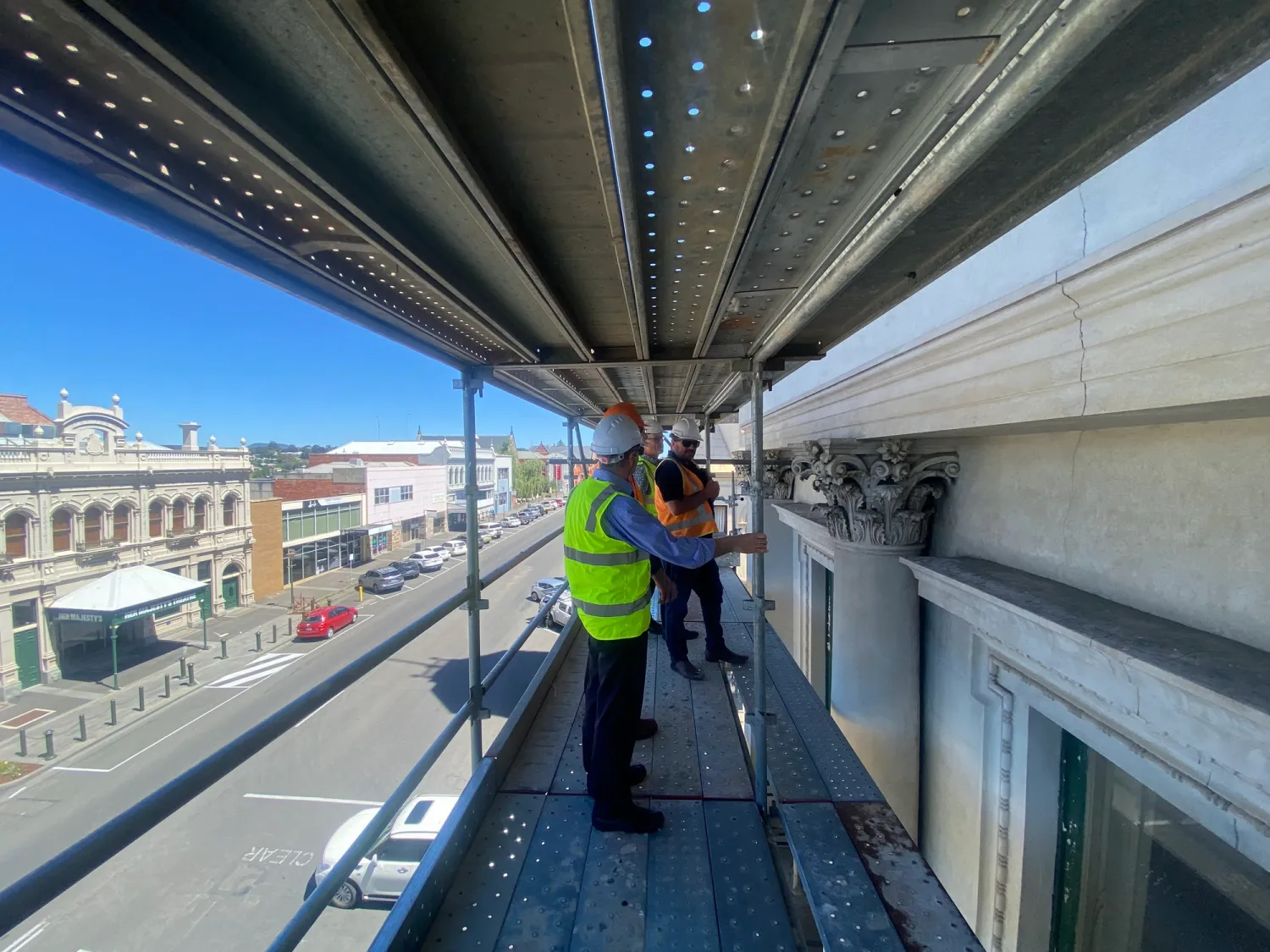
The project has faced a number of complexities associated with the heritage requirements of the two distinct three-storey buildings. These requirements, together with construction and budget considerations, have required the project design and delivery approach to evolve from the original plans with a phased approach to opening.
The ground floor will be delivered first. Further fundraising of $14.7 million will be required to complete the upper two levels and deliver the full vision for the Centre.
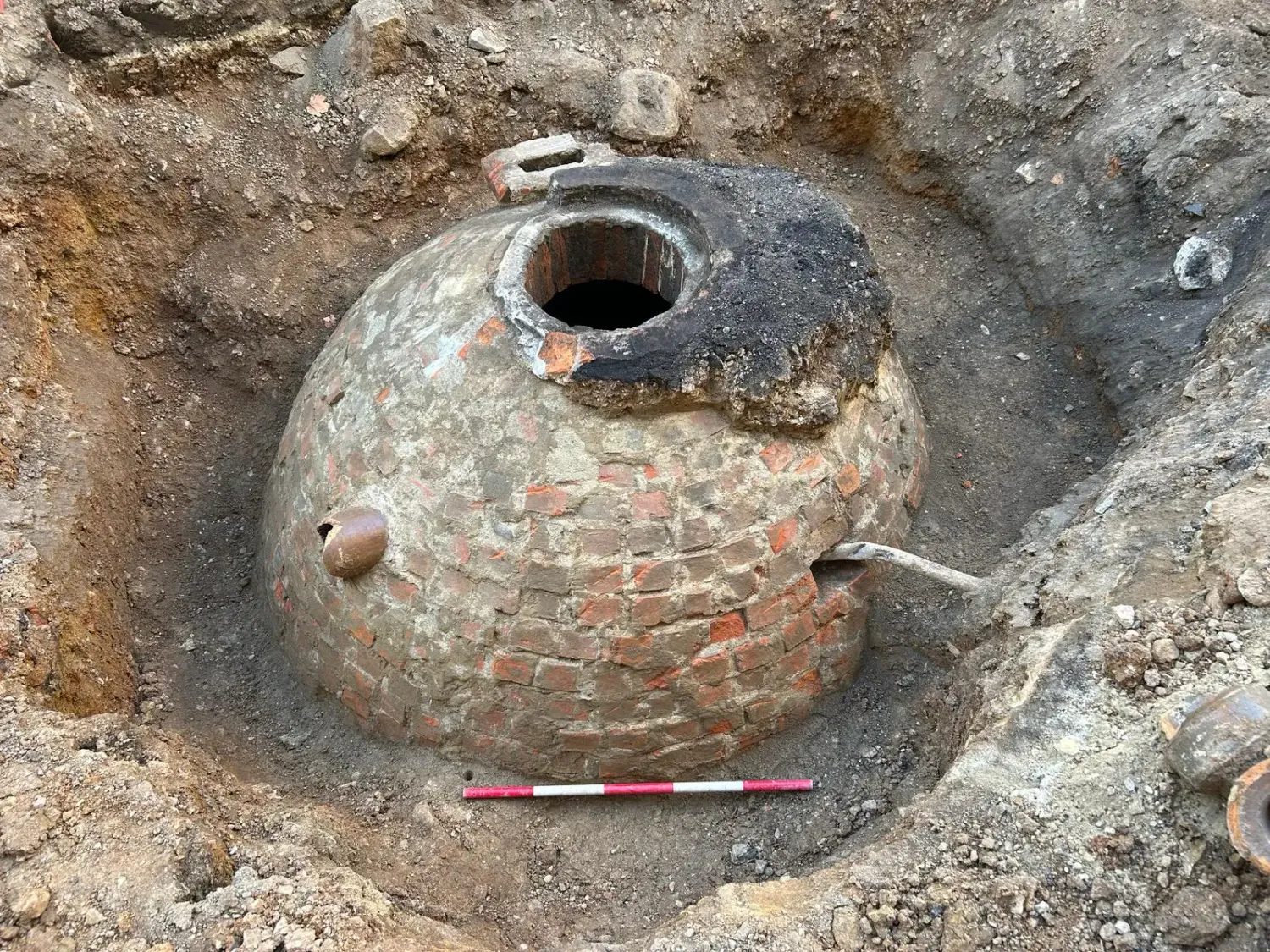
During the required archaeological investigations, the project team uncovered an unexpected and significant piece of Ballarat’s nineteenth-century infrastructure: a substantial underground brick cistern located between Craig’s Royal Hotel and the Centre’s Bath Lane entrance.
The cistern, which was still operational when uncovered and contained approximately 18,000 litres of water, provided a tangible connection to the site’s gold-rush history. Its discovery also presented an unexpected design challenge, as it was located within the footprint of the planned main entrance and all-access ramp.
The project team investigated options for retaining and interpreting the cistern as part of the Centre, including a proposal to make it visible beneath trafficable glass. Following further assessment, this approach was found to be impractical. The cistern has subsequently been pumped out, stabilised and covered, allowing the project to proceed while retaining this significant archaeological feature in situ.
Ethos
The Centre’s vision extends beyond traditional still photography to embrace the broader culture of lens-based and visual imaging. This reflects the rapid evolution of the medium from analogue and digital photography to emerging forms of image-making, including immersive and interactive technologies, gaming and virtual environments.
The Centre is intended to complement, rather than duplicate, Ballarat’s existing cultural assets, with a particular focus on contemporary practice, experimentation and the future of visual communication. Its approach is designed to be participatory and outward-looking, creating opportunities for artists, photographers, designers and other creative practitioners to engage, collaborate and experiment.
As the Centre develops, the next stage of the building is intended to provide a more connected and creative working environment, including flexible workspace, digital and media facilities. The ambition is for the Centre to feel less like a traditional gallery and more like an active creative hub. A welcoming place where people can meet, make, learn and exchange ideas.
Upcoming Programming & Activations
The Centre’s programming will develop progressively as the building comes into operation, with a focus on photography, visual culture, participation and new forms of image-making.
Early programming will provide opportunities for artists, emerging practitioners, young people and the broader community to engage with the Centre, while establishing its role as an active creative space rather than only an exhibition venue.
The building itself provides opportunities for large-scale photographic commissions and installations. A dramatic three-storey void behind the glass façade incorporates the preserved brick façade of the former rear building, creating a uniquearchitectural setting for large-scale works and commissions.
The Centre also intends to explore participatory and experimental activations that connect photography with other creative disciplines. These may include workshops, artist-led experiences and collaborations that invite audiences to engage with the processes behind image-making, as well as its finished forms.
As the Centre develops, the ambition is to build a program that is contemporary, accessible and experimental—using the building and its spaces to create experiences that extend beyond the conventional gallery model.
The Centre is exploring a range of patron circle, membership and engagement initiatives that could extend the experience beyond exhibitions and formal programming. These may include a salon-style series of intimate conversations bringing photographers, designers and other creative practitioners together in informal settings. There is also potential to create opportunities for members to connect with visiting artists and Festival participants through more informal and spontaneous encounters.
The Centre is also exploring ideas for a publication initiative that would give people an opportunity to have a selection of their own photographic projects or portfolios professionally produced. In partnership with relevant creative organisations, this could potentially develop into a growing body of publications, creating an alternative model for sharing, preserving and celebrating contemporary photographic practice.
Rather than establishing a traditional collection at this stage, the Centre is considering ways to support the creation and preservation of photographic work through publishing, research, digital resources and other forms of accessible archiving. This approach would complement existing collecting institutions in Ballarat and Victoria while allowing the Centre to focus its resources on programming, artists and public engagement.
Watch this space!


 On This Date in Photography: by James Mcardle
Happy anniversary James! Love ya work buddy 😍
LikeLike
Thank you Mike. Today is the launch of Scoop’s exhibition at City Gallery in the Melbourne Town Hall building…should be another wonderful reunion, about which I’ll post of course! How are things with you?
LikeLike
Yes going well James. I have a book launch happening on the 18th at the Downlands Art Show, where I have some works I’ll be exhibiting (associated with the book). Here is a link to a low res copy: https://michaelsankey.com/wp-content/uploads/2026/08/lightandlifeimagesandverseadventuresincreation.pdf
I’ll be exhibiting a triage of the images along with some wearables that have some of the images on them.
I’ll post something bro the Prahran site soon 🙂
LikeLike
Great to know Mike, the book is clearly a labour of love, and I look forward to adding you to the Prahran site!
LikeLiked by 1 person