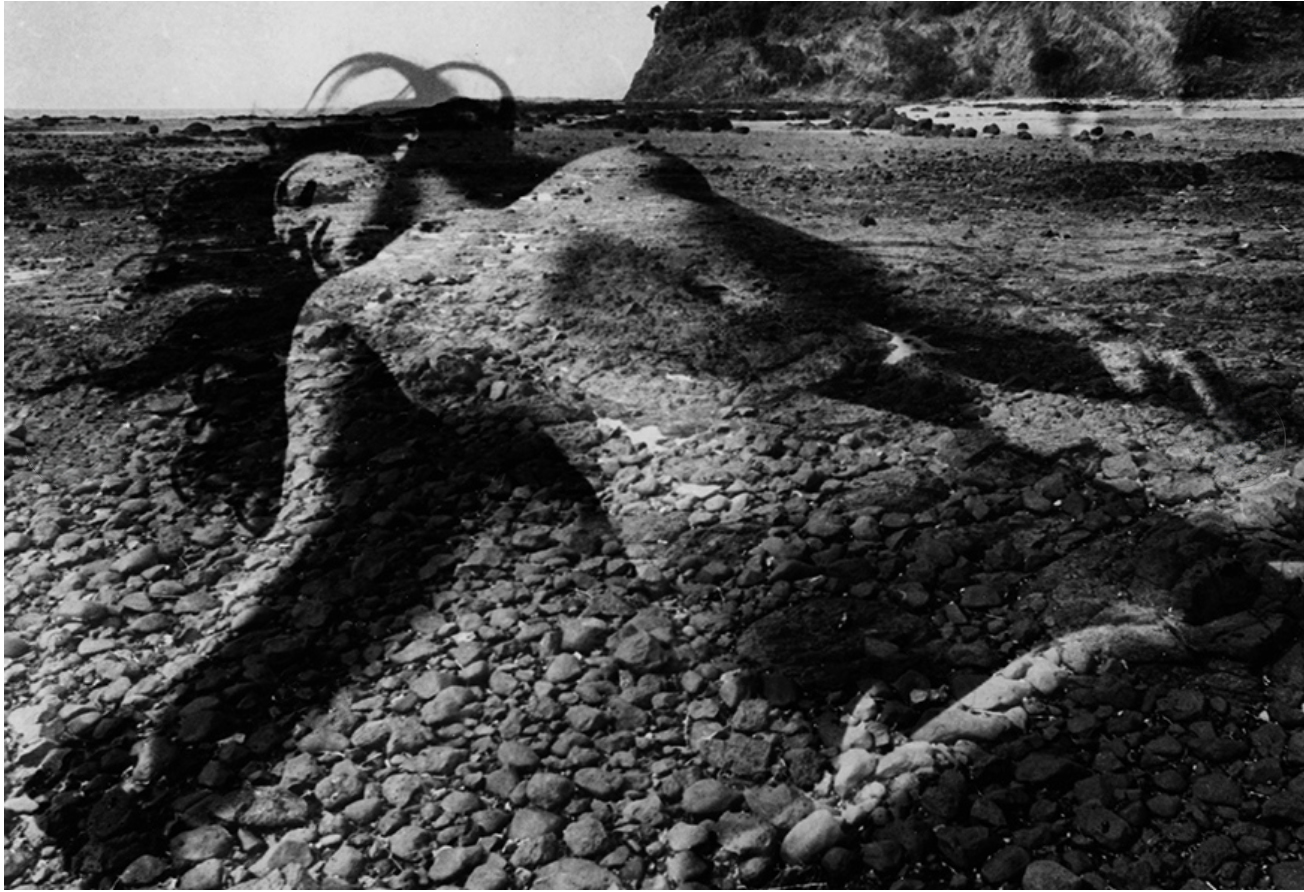
 Who was it that first made ‘artistic’ feminist montage in photography in Australia? Wasn’t it Anne Ferran in her Carnal Knowledge series of 1984? Or was it Fiona Hall in 1983?
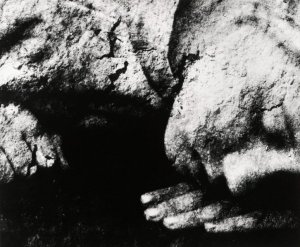
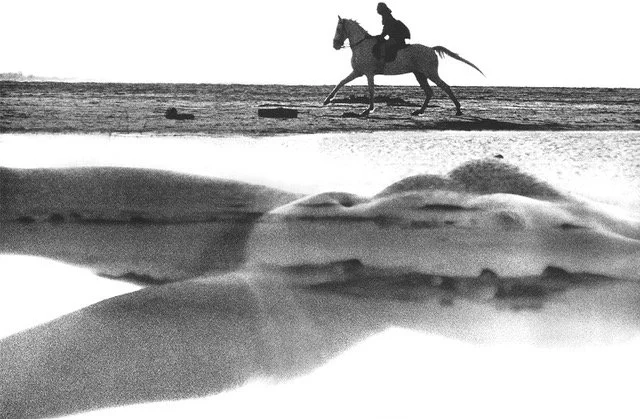
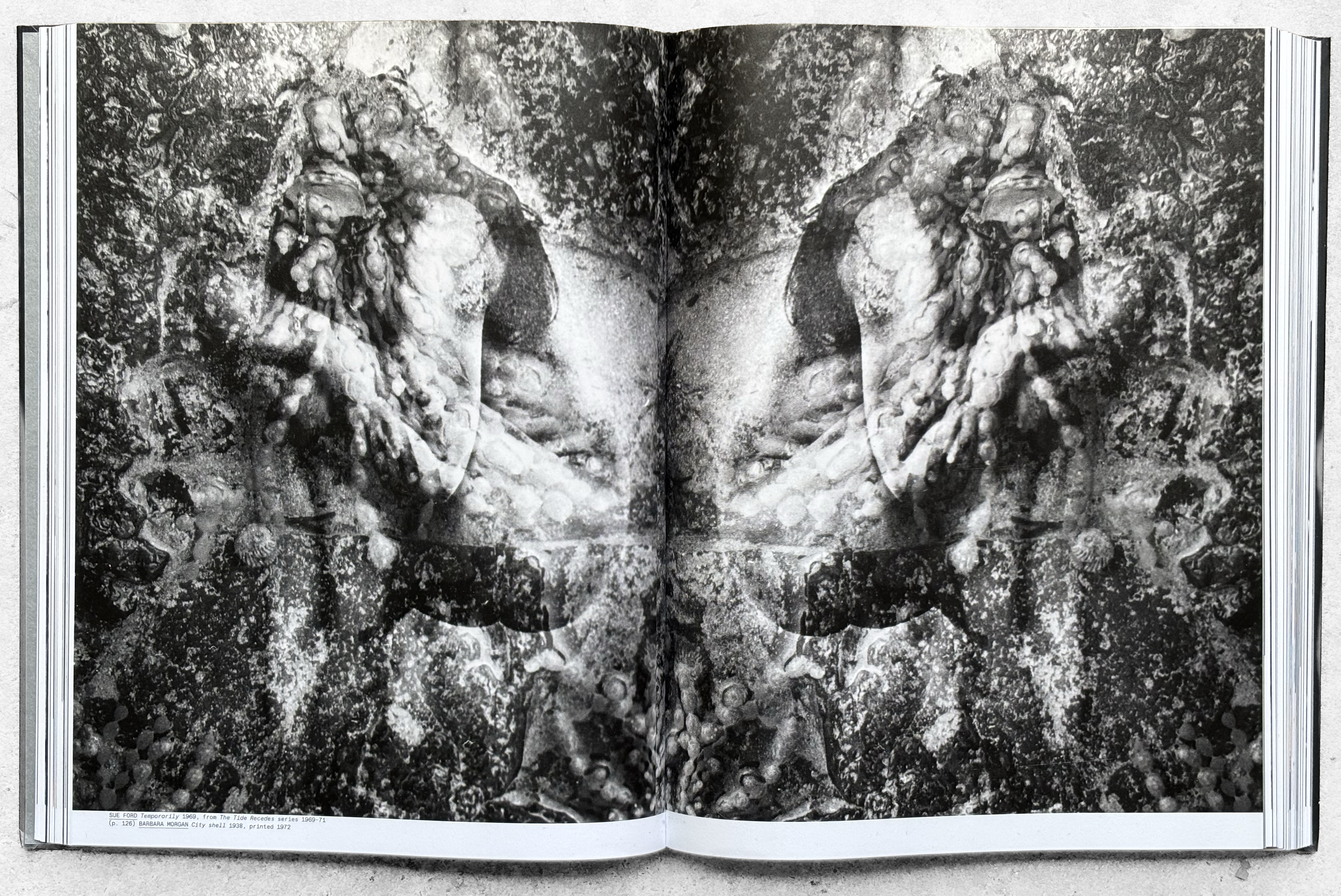
For imagery using such superimposition as Ferran’s we look back two decades prior, to Sue Ford’s The Tide Recedes of 1969–71 which Daniel Palmer and Martyn Jolly credit with being:
“possibly the very first solo exhibition of photography by a woman in an Australia [sic] art gallery, at Hawthorn City Art Gallery. For this she showed two series of highly manipulated photographic works: the [bleak] Suburban Series 1962–71, and The Tide Recedes.”
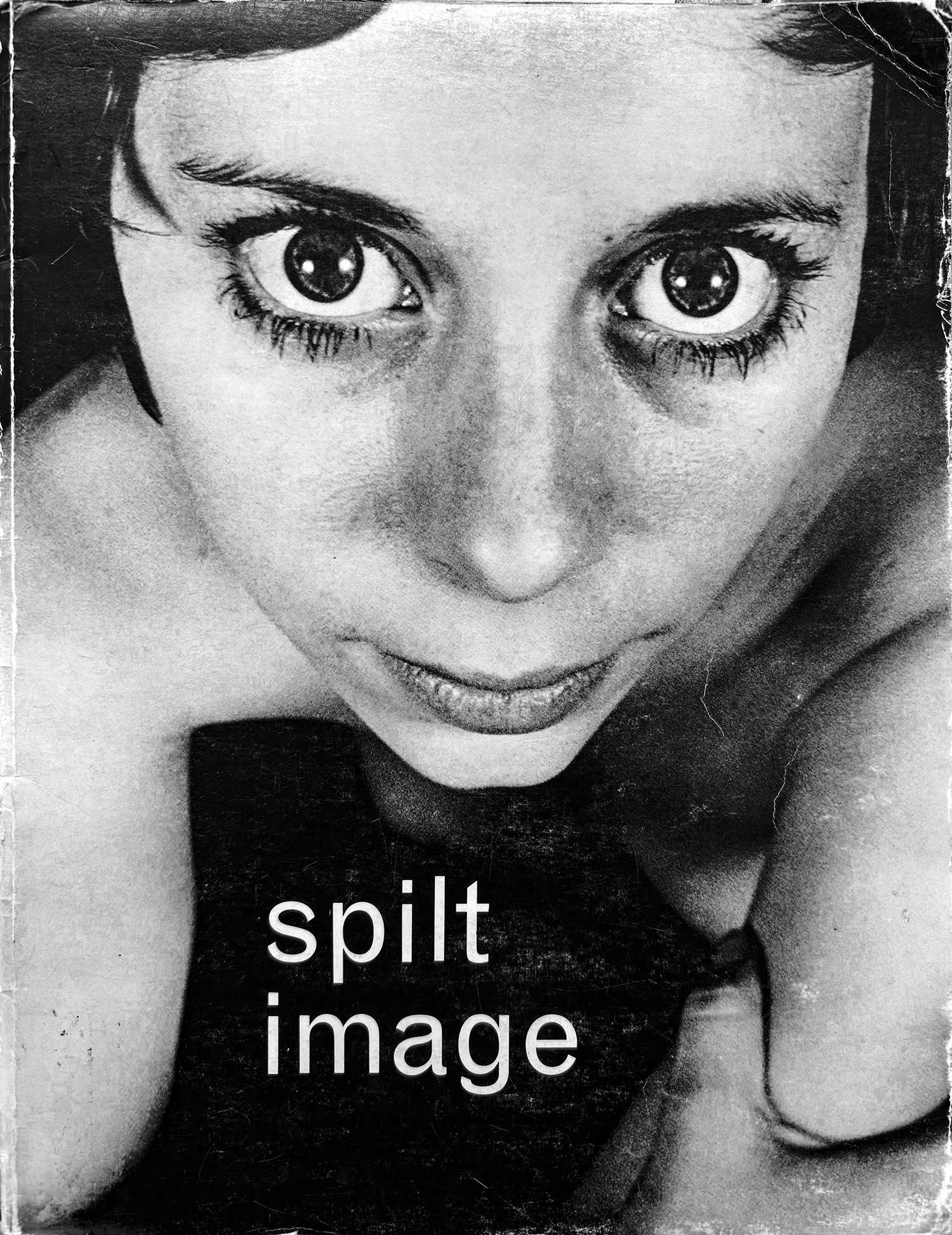
Hers exceed the darkroom gimmickry she may have been seeing then in imported copies of the American magazine Modern Photography, or perhaps, as Jolly surmises, in the Melbourne University Photography Club publication Spilt Image, “a book of photographs produced by students, [which] received a good downtown press.” Characteristically, it was not published through any organisation—”it was just four people as individuals trying to publish a book.”(Graham Little, Faces on the Campus: A Psycho-social Study MUP 1975, p.79).
The photographers mentioned were men; Brian Stevenson, Lachlan Arnott, John Julian, and Ben Lewin who was studying law and the only one who appears to have continued in media, as a film and television director (The Dunera Boys, 1985). In fact there were the writers as well, two women, Di Nash (then a medical student) and Margaret Harrison (an Arts student).
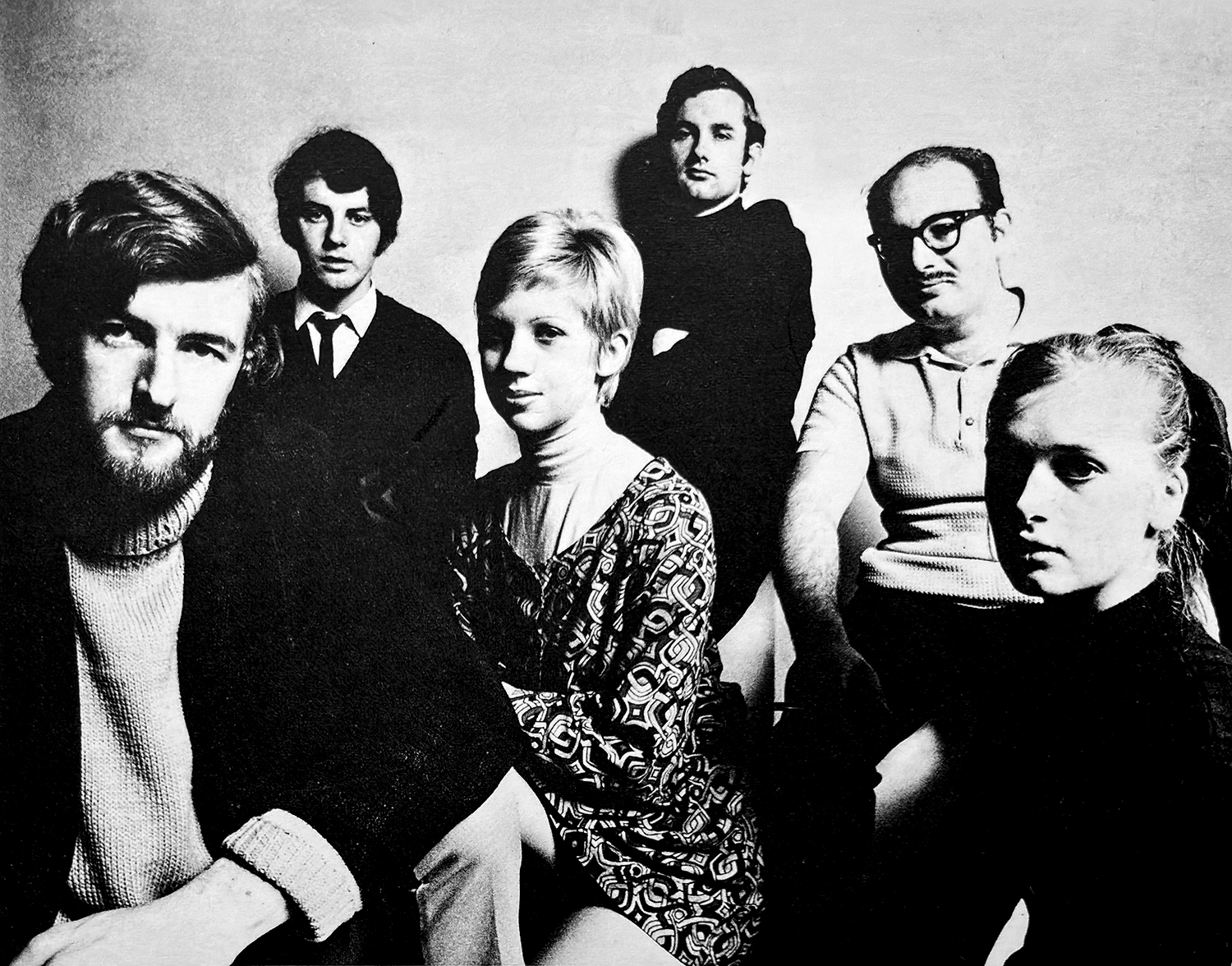
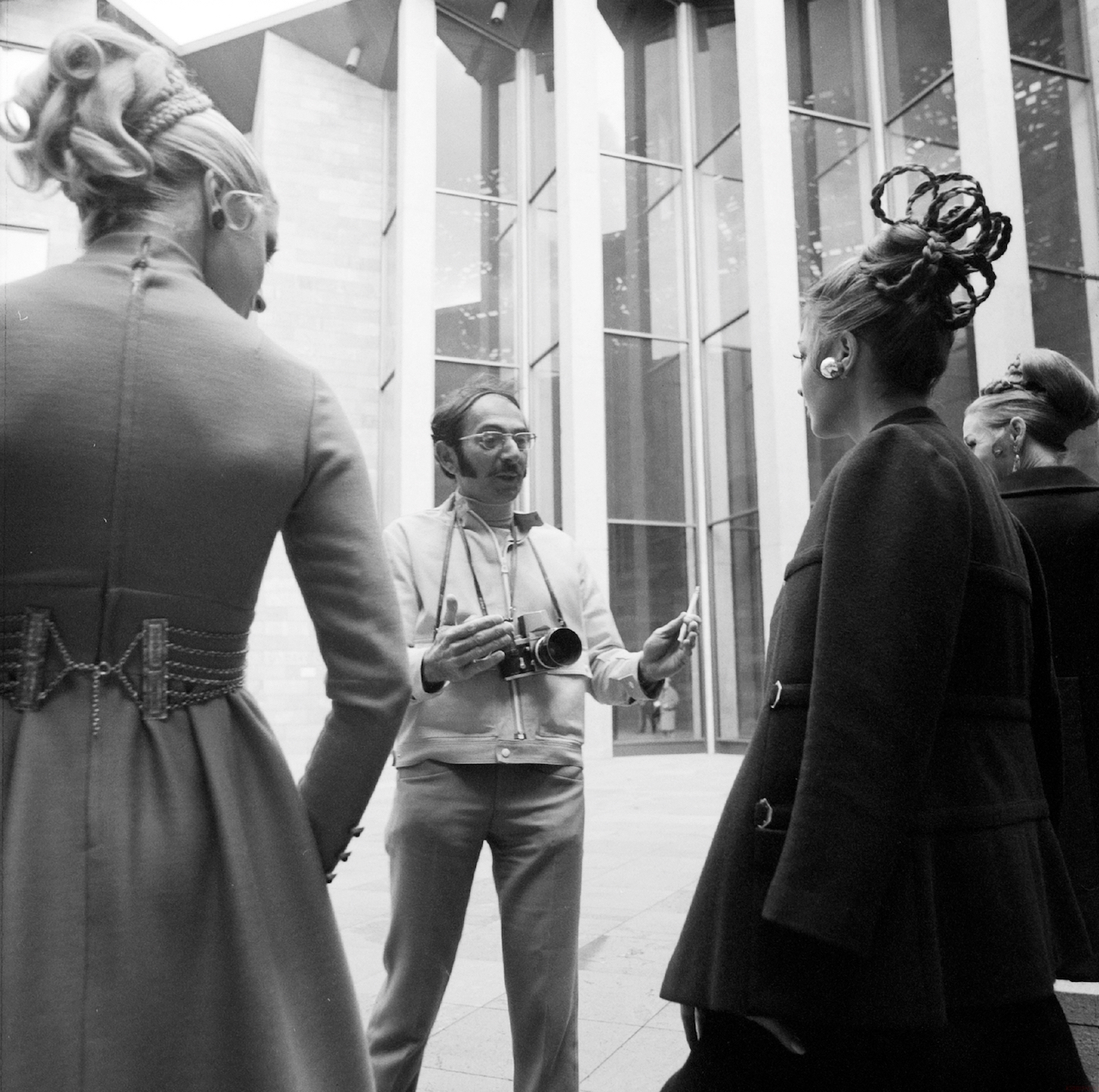
The Spilt Image team acknowledge Michael Liffman (later a notable advocate for refugees, who with fellow students Robert Manne and Cathy Lowy edited MUM, the Melbourne University Magazine) and thank Henry Talbot for use of his photographic facilities…but was Talbot also an influence on their experimental photography?
All four photographers agreed “on only one thing…that:”
…the work of South African Sam Haskins is significant for modern photography, though their appreciation of his work varies from enthusiasm to mild admiration. Lachlan Arnott for instance applauds him for having the guts to unrepentantly exhibit what amounts to photographic hedonism but admits his main love to be the unpretentious photography of Weegee.”
Haskins’ books Five Girls (1962), November Girl (1967) and African Image (1967) may have been known to the group, but of course it would be Cowboy Kate and Other Stories (1964), as John Warner notes in his Weroni review (ANU) that most impressed them, with its high-contrast, grainy, graphic imagery, bold spreads and clean modernist and quintessentially 1960s design that Haskins absorbed at the London School of Printing and Graphic Arts…that’s not to mention the popularity of his books’ racy content, and its narrative continuity.
Either the University Photography Club was generously equipped, or the Spilt Image contributors were people of some privilege who, for what amounts as a hobby for the majority, could afford significant camera gear; Arnott, the oldest at 24 and married, undertaking a B.Sc. and employed as a maths teacher, had a Pentax Spotmatic and Nikon Nikkormat FTN with 24, 35, 55, 85, and 200,mm lenses; Stevenson wielded a Mamiyaflex C3 with 105 mm in his studio setup; while Lewin, already a graduate, a photographer of some experience and one-time president of the Club, used a Linhof 6×9, Rolleiflex, Nikon F, but professed to making his best pictures with a “nine year old completely clapped Yashicamat”; only perpetual metallurgy student John Julian, living in “constant and abject poverty”, had no camera of his own and borrowed a Nikkormat FTN while saving for a Konica Autoreflex T. The book’s title, I suggest, is comic Goon show take on ‘split image’, then familiar as the focussing mechanism on most rangefinder cameras and an option amongst the interchangeable focussing screens for the Nikon.
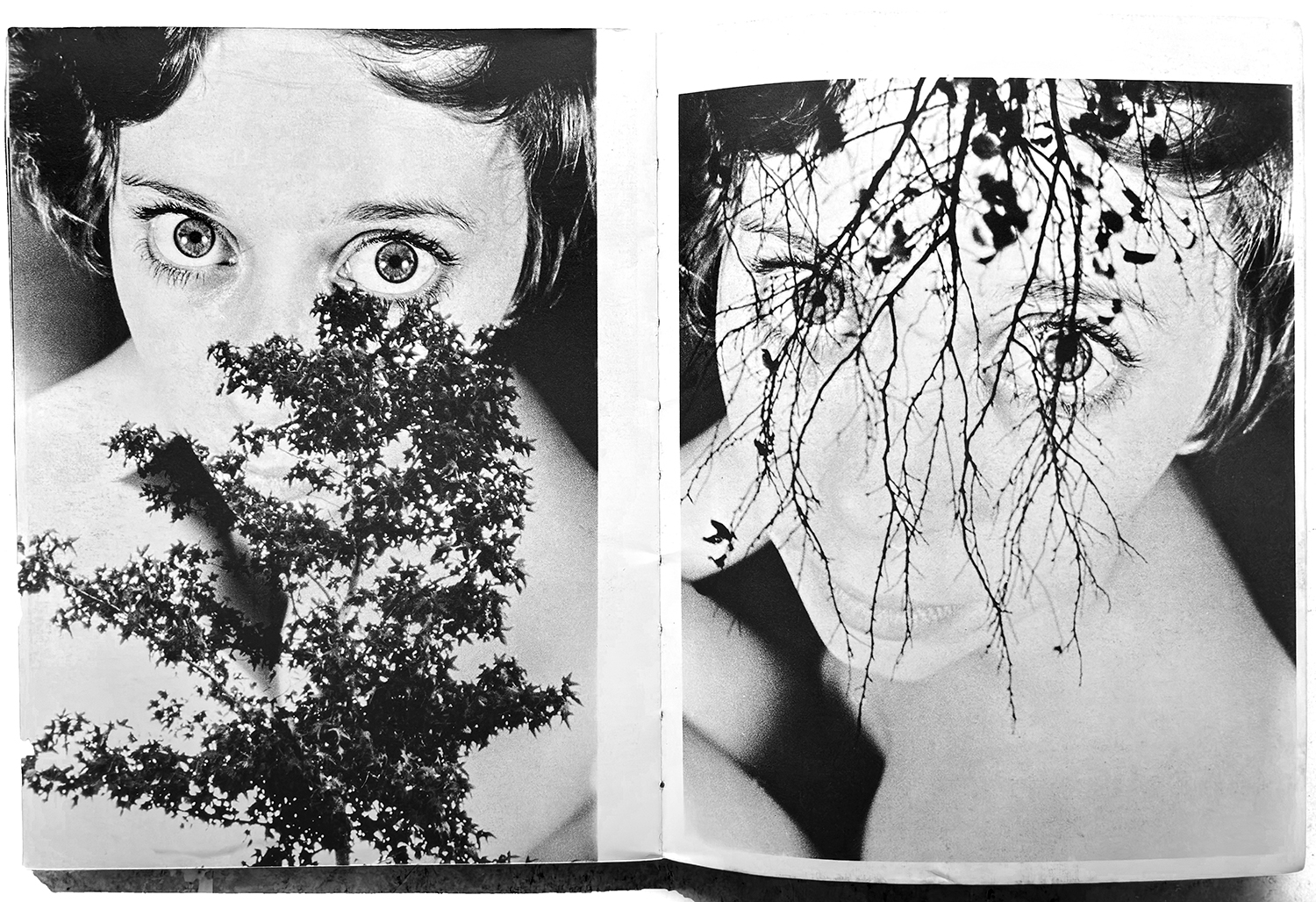
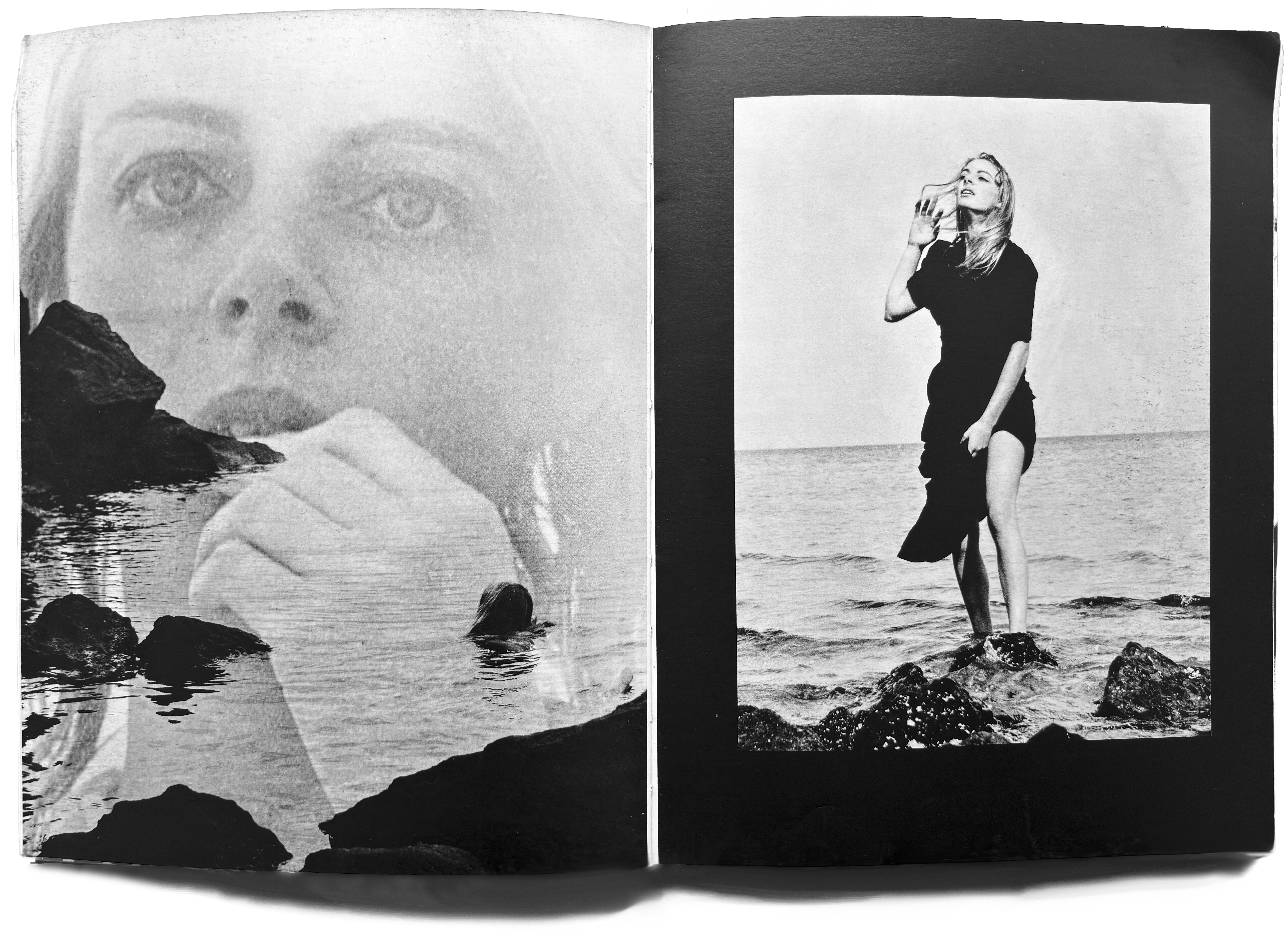
Arnott’s series of double-printed wide-angle nudes are accompanied by a poem by Margaret Harrison, who is noted by the editors to be “a fabulous looking girl with long blonde hair and a great figure”:
There was once a Something, which
lived by itselt,
in a Greenhouse,
closed in and self-sufficient,
and a Vegetarian.It is not clear what sensations the
Something had
but certainly, if it could see, or hear,
or feel, it must have been aware that
it lead [sic] a very Sheltered Life
and that these things might not
always be as they were …
The editors John Julian and Ben Lewin note that:
Most of the visual sequences would in fact be capable of standing alone. But we had a certain quirk about integrating the verbal and the visual, not because we felt that pictures and words were inevitable partners. (Economy alone has prevented our including a free musical recording with every copy of Spilt Image). It was because we felt that each could add dimensions to the other that neither could attain alone. The prose was written in response to the photographs. It could well have been done the other way around. Very little was written with a care to remaining relevant. The writers simply put spontaneous pen to spontaneous paper.
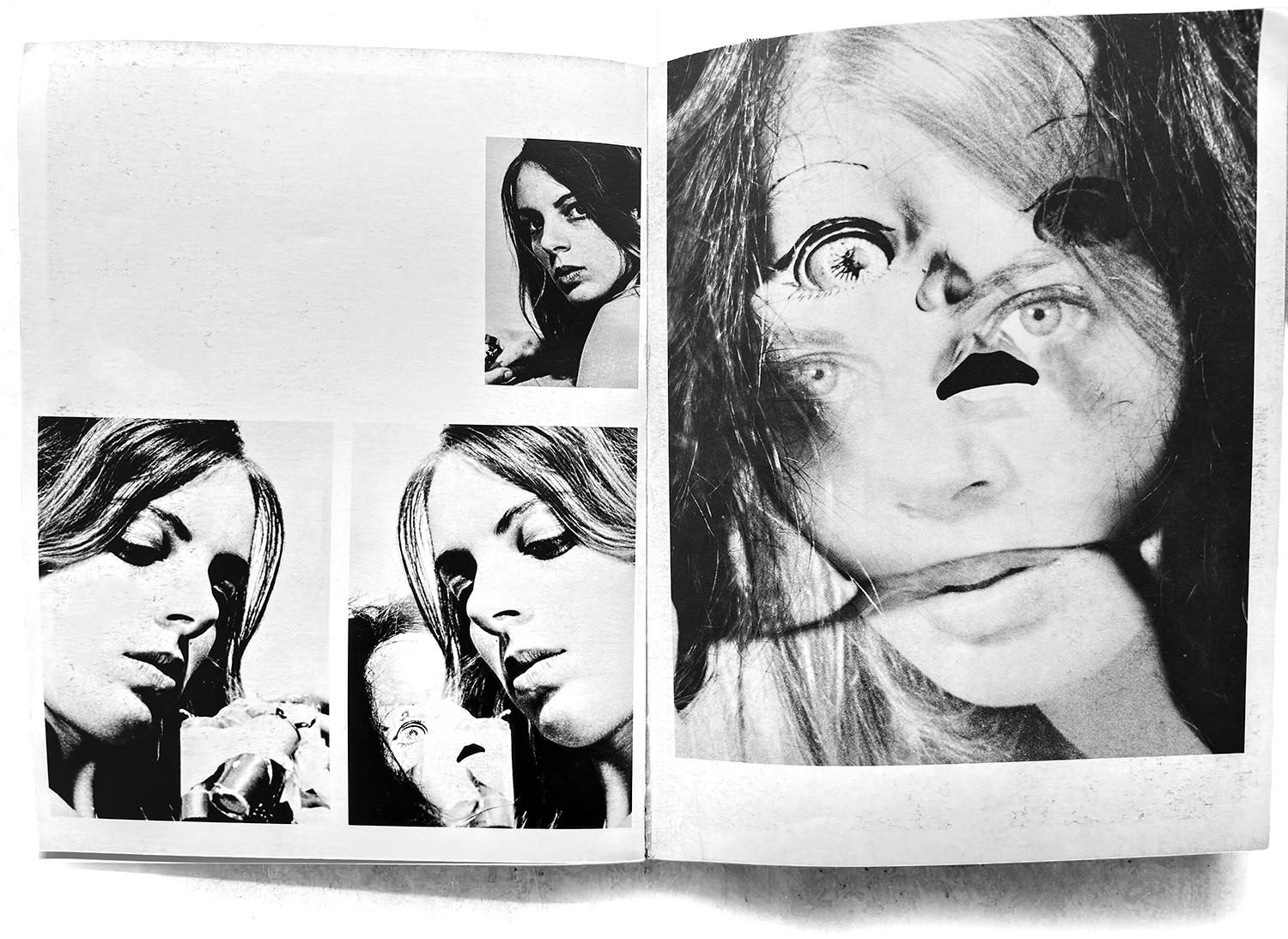
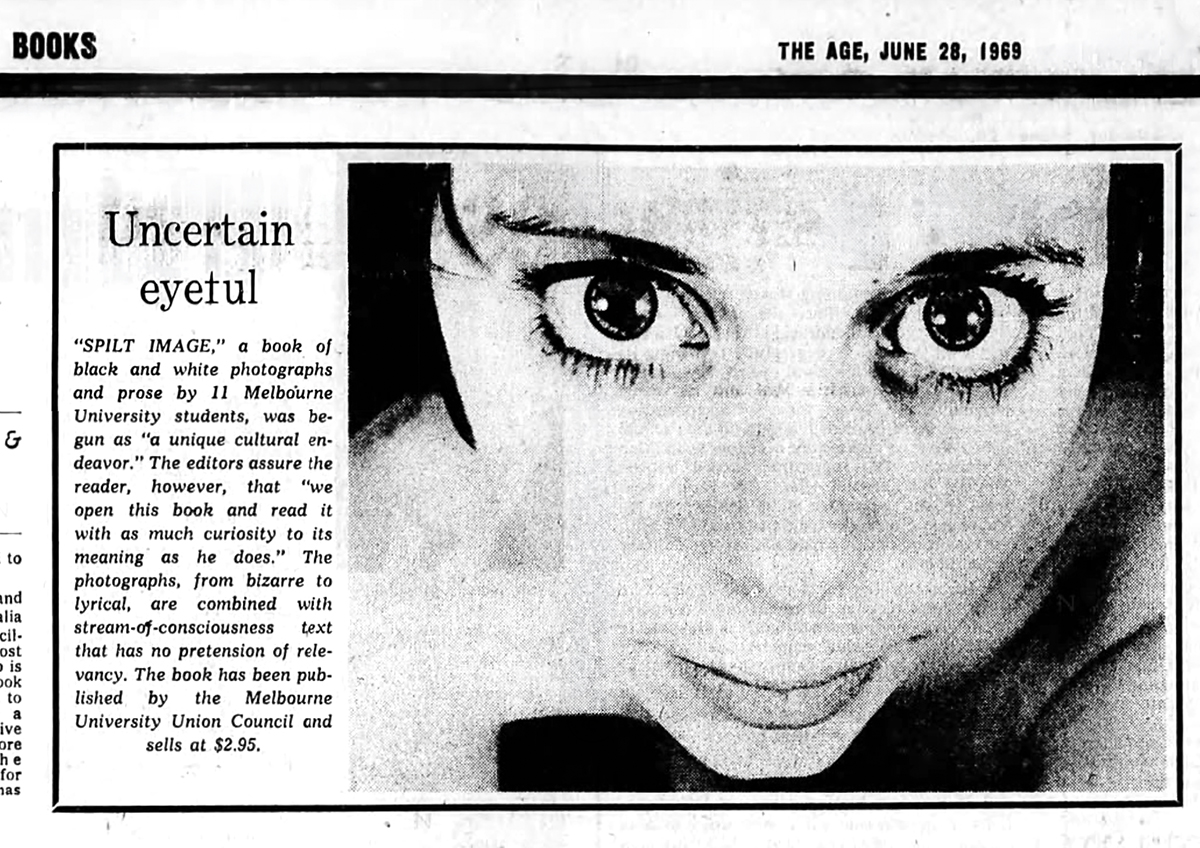 Doll-like is the wide-eyed model on the cover and the subject of Arnott’s series, and dolls are a recurrent motif, on which Di Nash, a final-year student in Medicine, ruminates:
I see Doll as totem, Doll as symbol, but never Doll as human imitation, never as a stilled facet of the human state. As a child I had no respect for dolls, I always used them in a very concrete and destructive way. I remember playing Napoleon with a hand on my chest, and supervising my sister as executioner while she guillotined my teddy bear with the kitchen carving knife.
Dolls and I never succeeded in forming an alliance to people my imaginary life. Frustrated, always wanted to push their rotten staring eyes in, or to take the head apart and find out how the eyes blinked when the doll was dipped backwards and forwards. Once, when I parted the head from the body, and I got inside the head, I was terribly disappointed at the paucity of parts.
As a science fiction fan I know those worlds run by staring clicking inanimate replicas. It occurs to me that God must shiver up there occasionally. I shiver still at the horror of those dead plastic eyes, and fall screaming in dreams into the holey cavern of a mouth where there is no juicy warmth of tongue and throat, but only a dark void, for no manufacturer would put stuffing in such hard and durable shells …
Typical of the 1960s, in The Age review, the reader is ‘he,’ and at the threshold of the second wave of feminism, it is clear that for even the educated male photographers of this publication, and for Haskins too, that infantilising of the female is a cultural norm, which the women themselves are merely indulging. The alternative is an apotheosis, a deification in which the female subject becomes a Venus emerging from the sea.
Though also operating on a metaphorical plane, it would be wrong to read into Sue Ford’s superimposition and montage of her models merging into the sea, an intention to elevate them to the divine. The photographer is a woman, and an uncompromising one whose later, much more documentary photography, especially in her better know Time Series, deals with the passage and effects of life, of even her own persona, in the series My Faces, which Janine Burke writes, evinces a “passionate attention and dispassionate use of image: the photographs tell, in narrative fashion, Ford’s psychological history, etched on her face for all to see. They are as honest as one can ever be about oneself.”
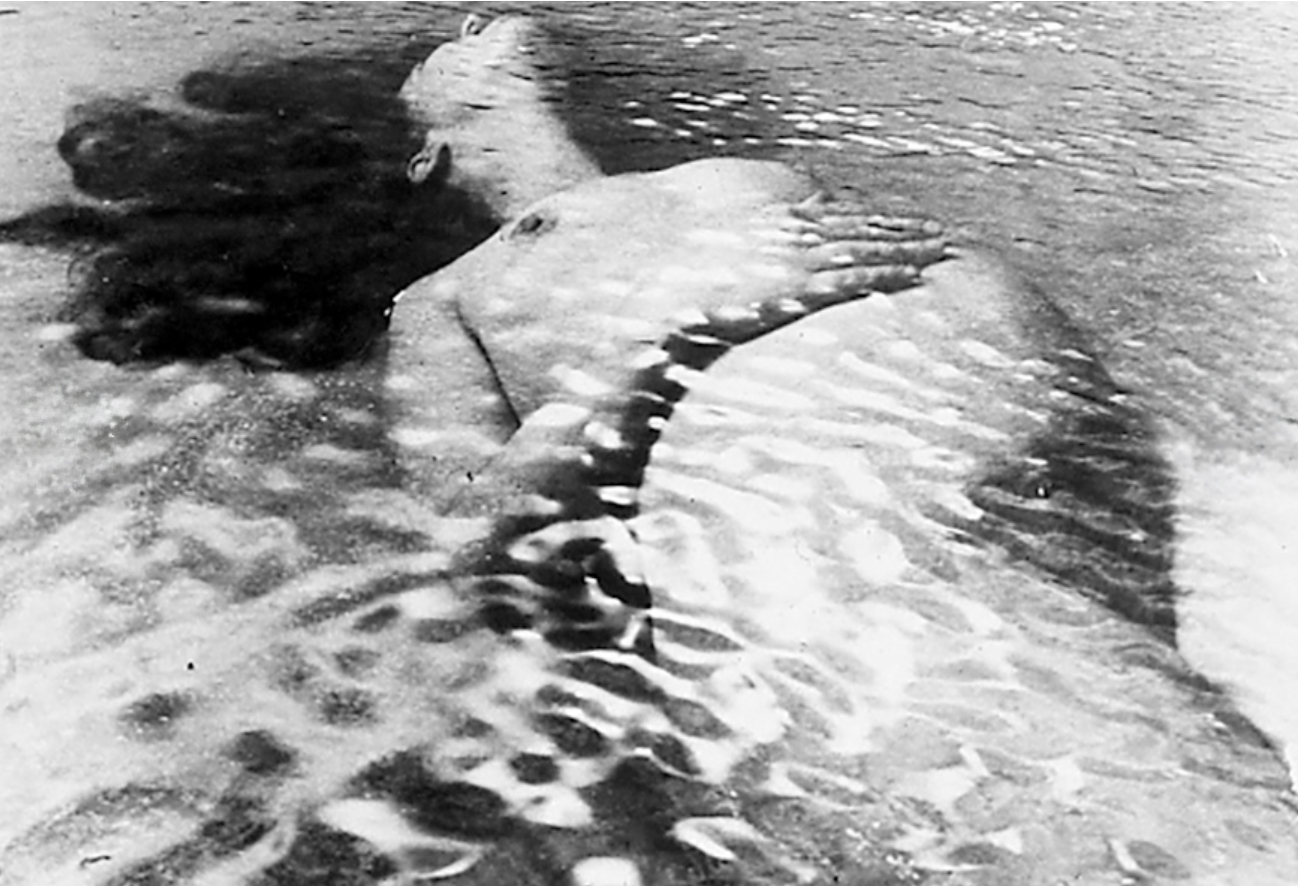
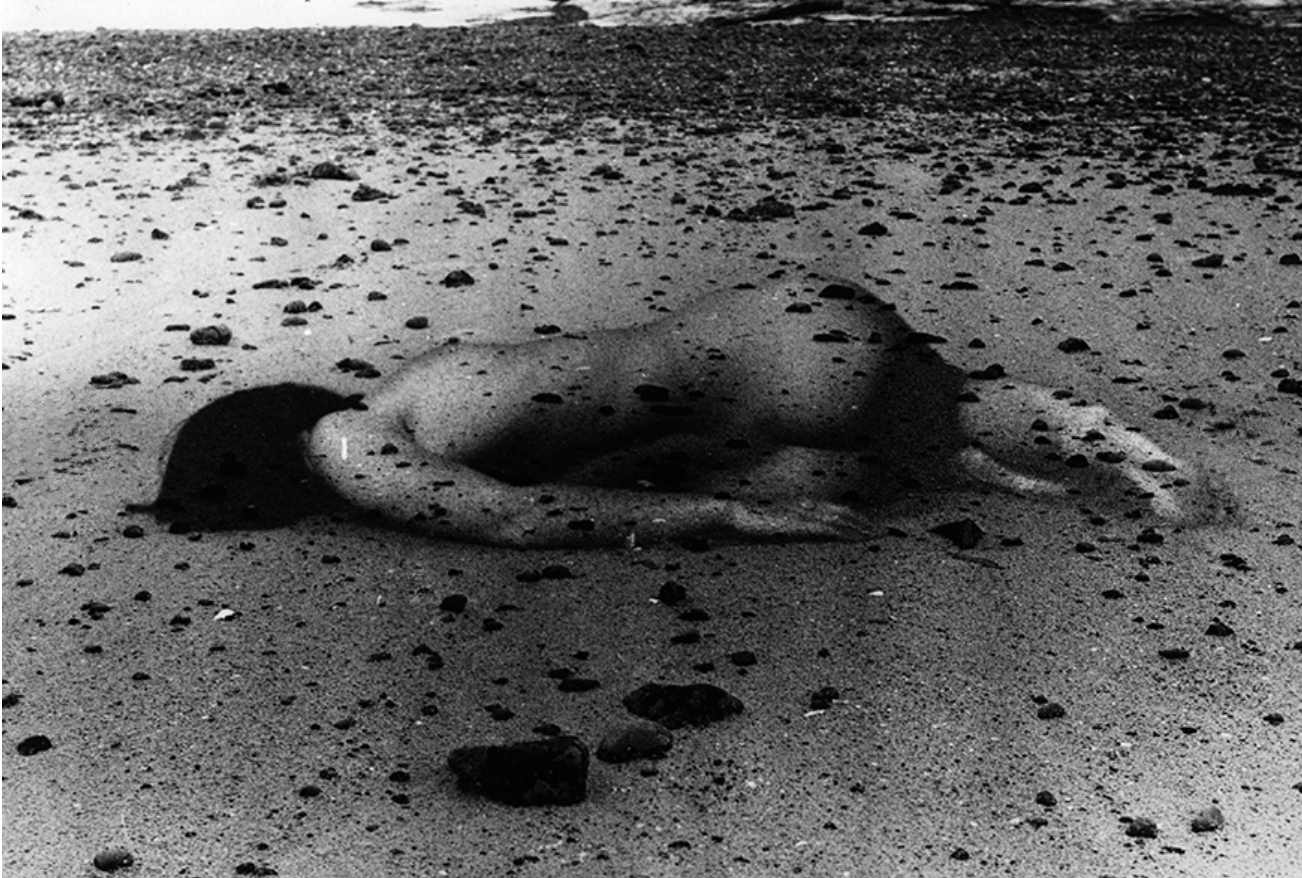
Ford’s employment of photomontage technique is for an inspired extended narrative in which women’s bodies (whether one or several models is not certain) photographed in the studio, are merged with the maritime littoral landscape, to form an embodied archetype. Metamorphosis, a merging or coupling of natural with supernatural, is familiar from classical mythology and its treatment in visual art since, and here evokes transformation specific to female energy, life cycles and transitions. Appropriate to this intention, a distortion of Ford’s reclining subject is achieved by photographing from a low angle with sometimes extreme foreshortening exaggerated with a wide-angle lens.
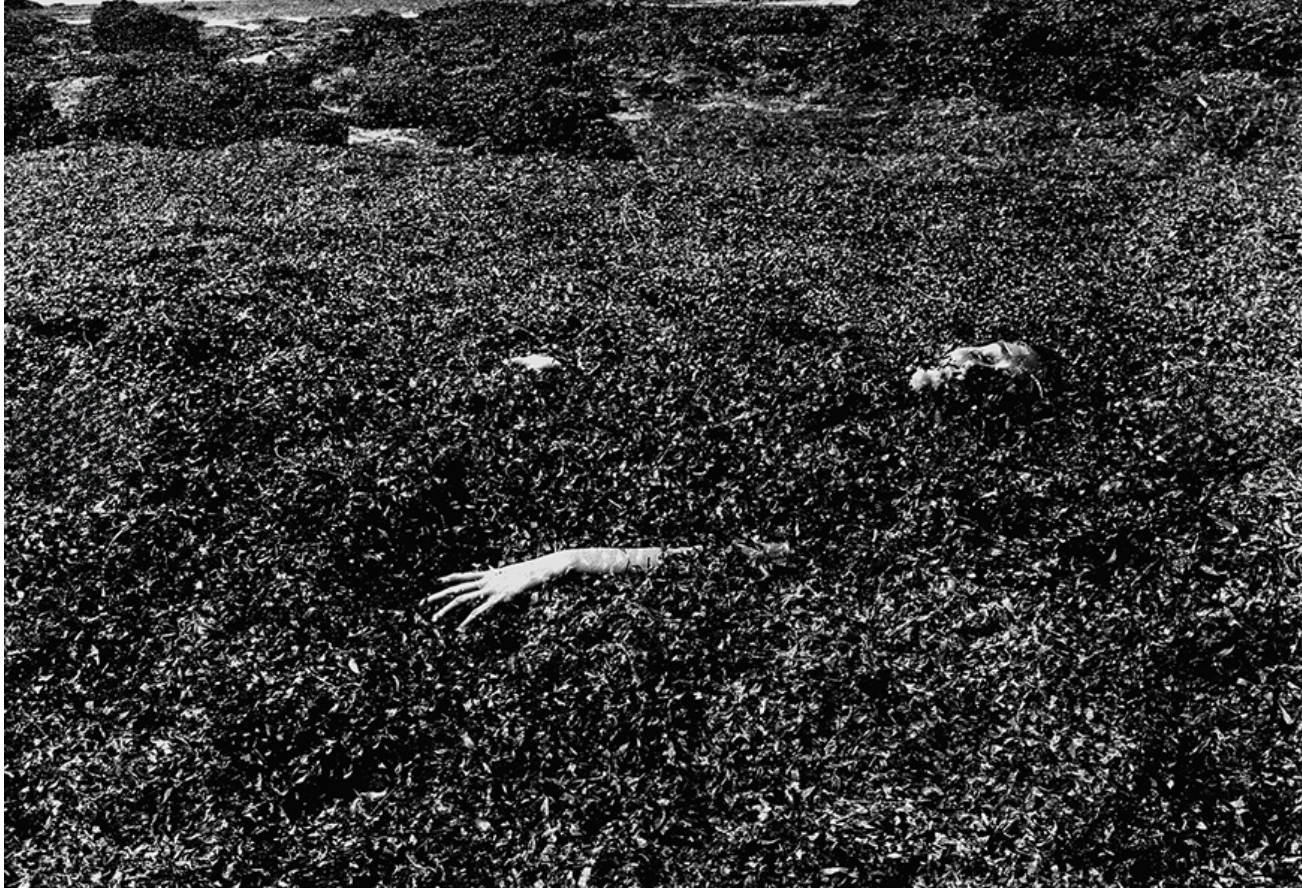
While one perhaps ‘straight’ image of the series shows a woman actually submerged in seaweed from which only her face and hands emerge, all others are the result of darkroom printing, whether through double-exposing onto one print two negatives sequentially, or by sandwiching the negatives. In some cases, where high contrast is required to leave areas of the negative transparent for more successful superimposition, Ford may have copied her print onto lith film, a technique employed by Pop artists working contemporaneously with photography for screen-prints.

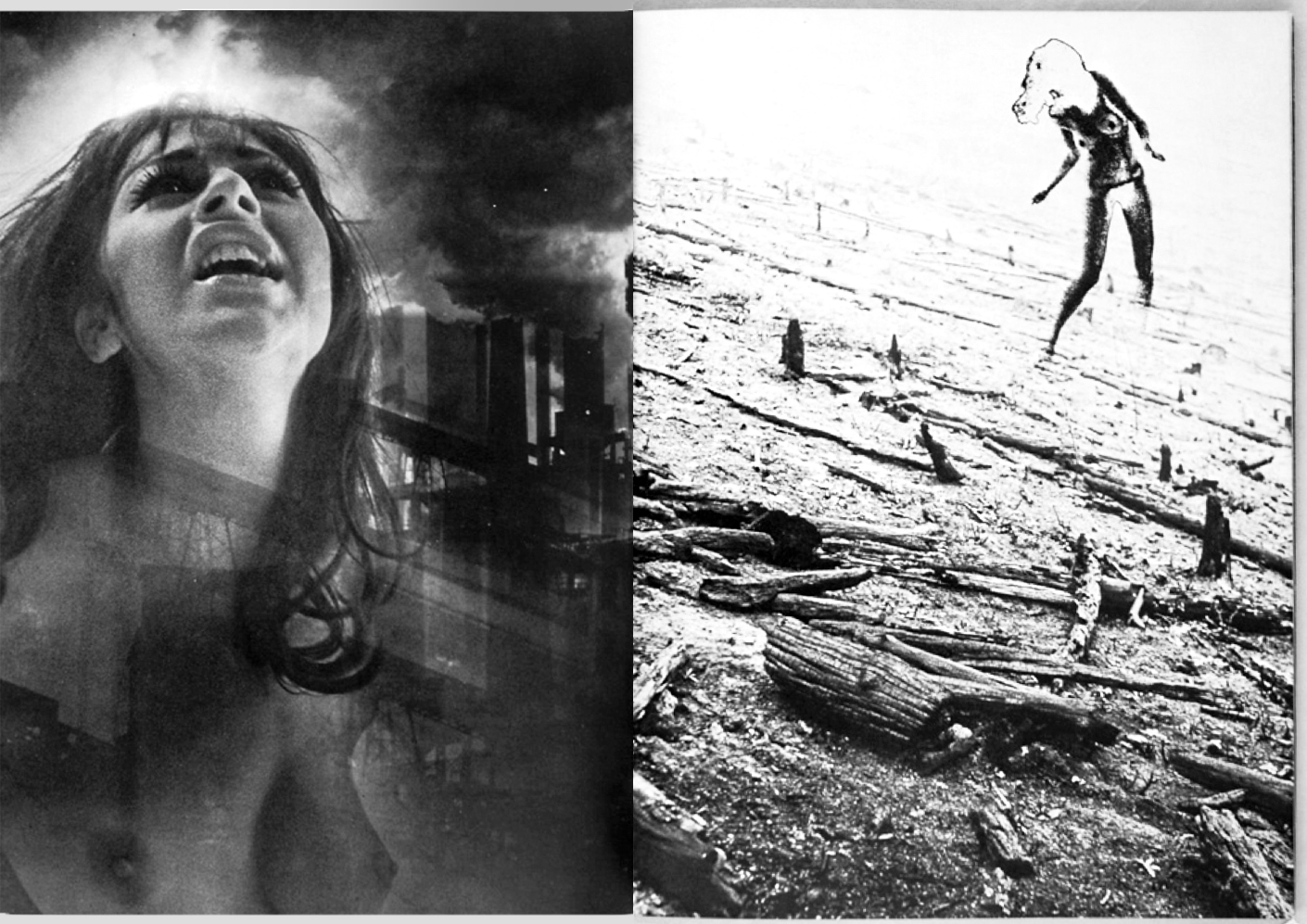
Ford’s feminist intentions are made conspicuous when The Tide Recedes is compared to Gordon De Lisle’s series, contemporary with Ford’s, chosen for the gritty 1972 catalogue Concern: The Ilford Photographic Exhibition. Where Ford may set out consciously to evoke a merging of the natural and the human, De Lisle proclaims his intent to show “the raped land, Australia, as it would appear to a [nude, of course,] woman who returns from the dead to discover that her country, too, is dying.” His models however remain female bodies seen through the male eye, the darkroom trickery conspicuous, while the landscape and human subject remain visually at odds. As De Lisle admits: “The woman is a product of the darkroom. What I did was lock myself in the darkroom with a big batch of Ilford paper and produced this folio from images I had on hand.”
Sue Ford, who lived by the Bay in St Kilda, must long have meditated on the spirit of the sea and yearned for it in her home in the hills of Eltham.
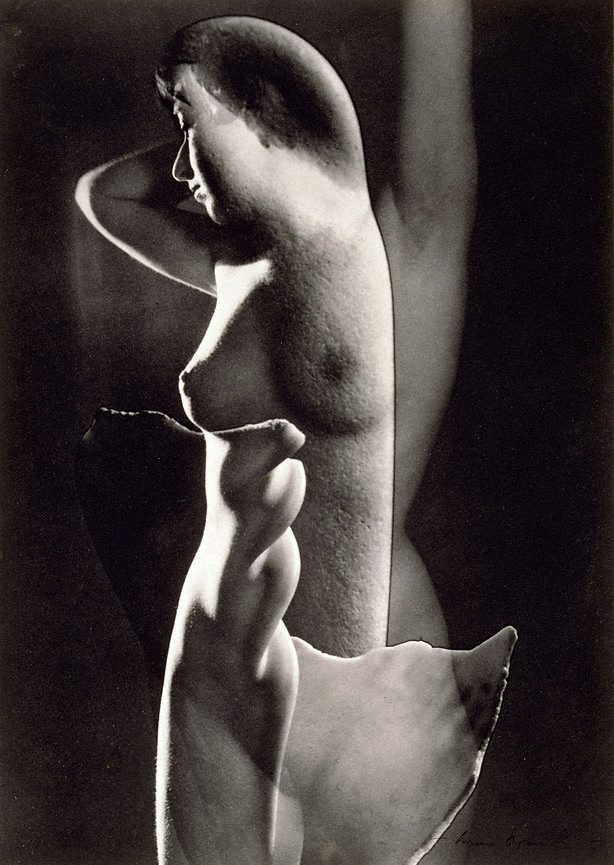
Even when, thirty-five years earlier than when Ford or De Lisle were using the technique, Max Dupain produced Impassioned Clay (1936) using superimposition, his title betrays the self-consciousness peculiar to the salon, while the sense of handling the female form, a twisting imposed by the overlaid shell, is assertively masculine.
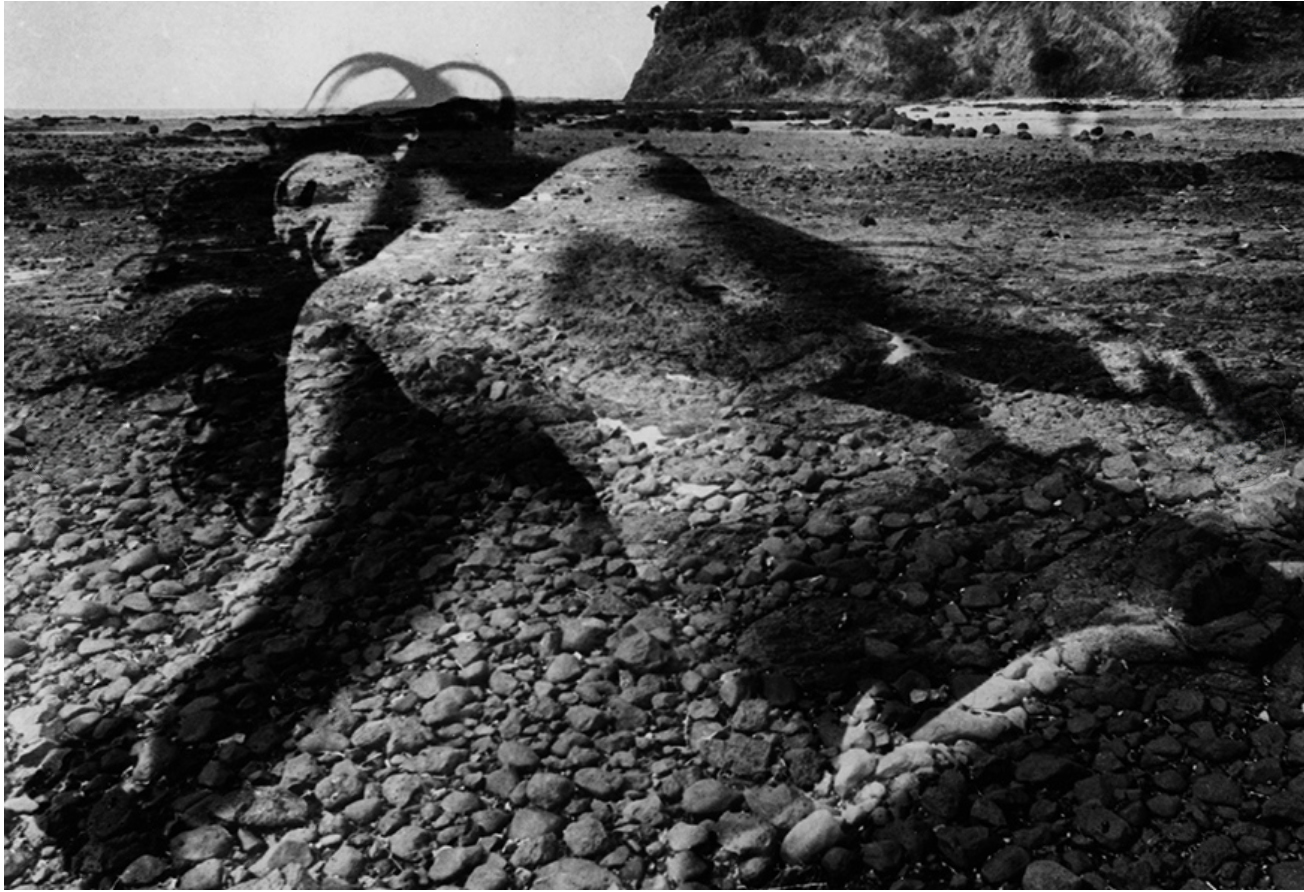
From the few prints that remain from Ford’s series exhibited at the Hawthorn City Art Gallery—all of a large scale and with frames that proclaim themselves art objects—her narrative can be clearly read, just as she expressed it (in Professional Photography in Australia Sept-Oct edition, 1971, p.10), as: “superimposed images of nude figures with rocks, water, seaweed, kelp and sand. The figures started out being recognisably human and finally metamorphosed into a sea animal.”
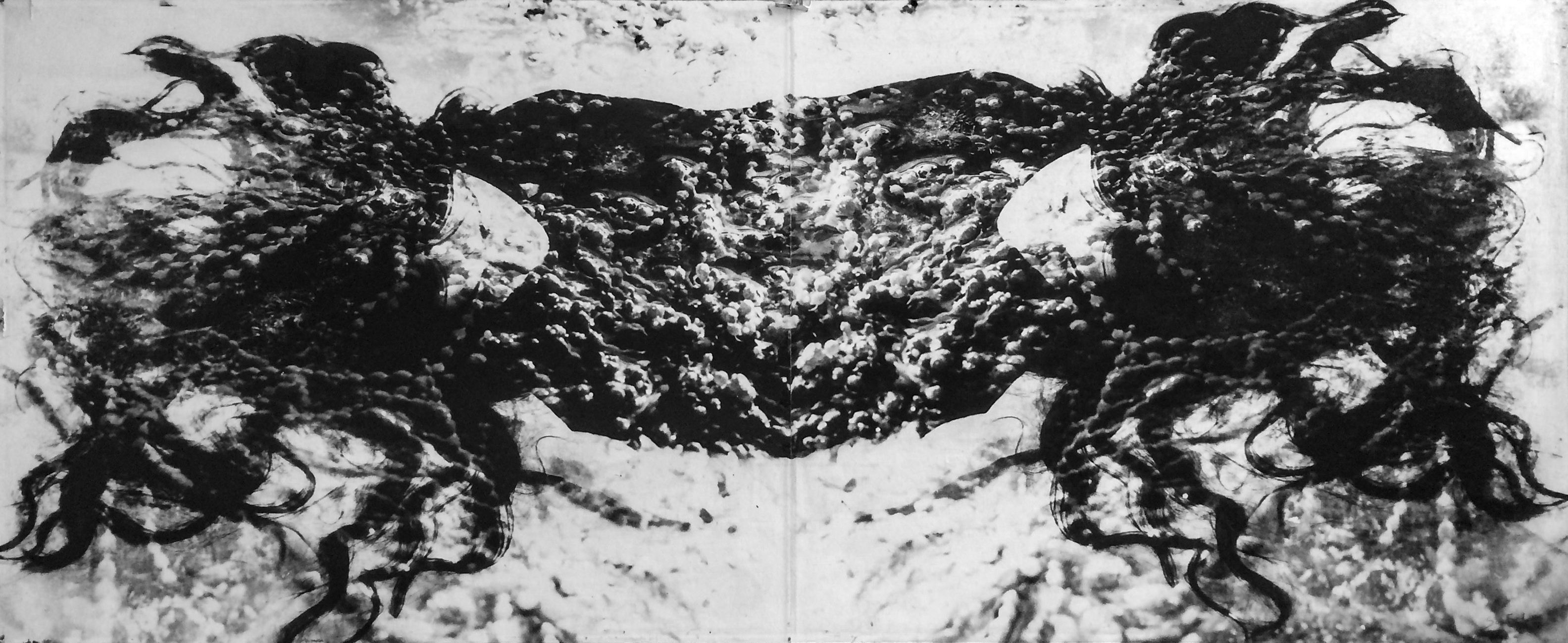
The panoramic print shown at the recent Women Photographers 1900–1975: A Legacy of Light has the symmetry of a garment, one of seaweeds in which the figure crouches enwrapped. In that which I read as following in the sequence, the human is reduced to head and sea-swept hair, doubled as a marine medusa through Ford’s ‘book-matching’ of flipped negatives, the faces white as mother-of pearl amid the bladders of the kelp that are become tentacular viscera.
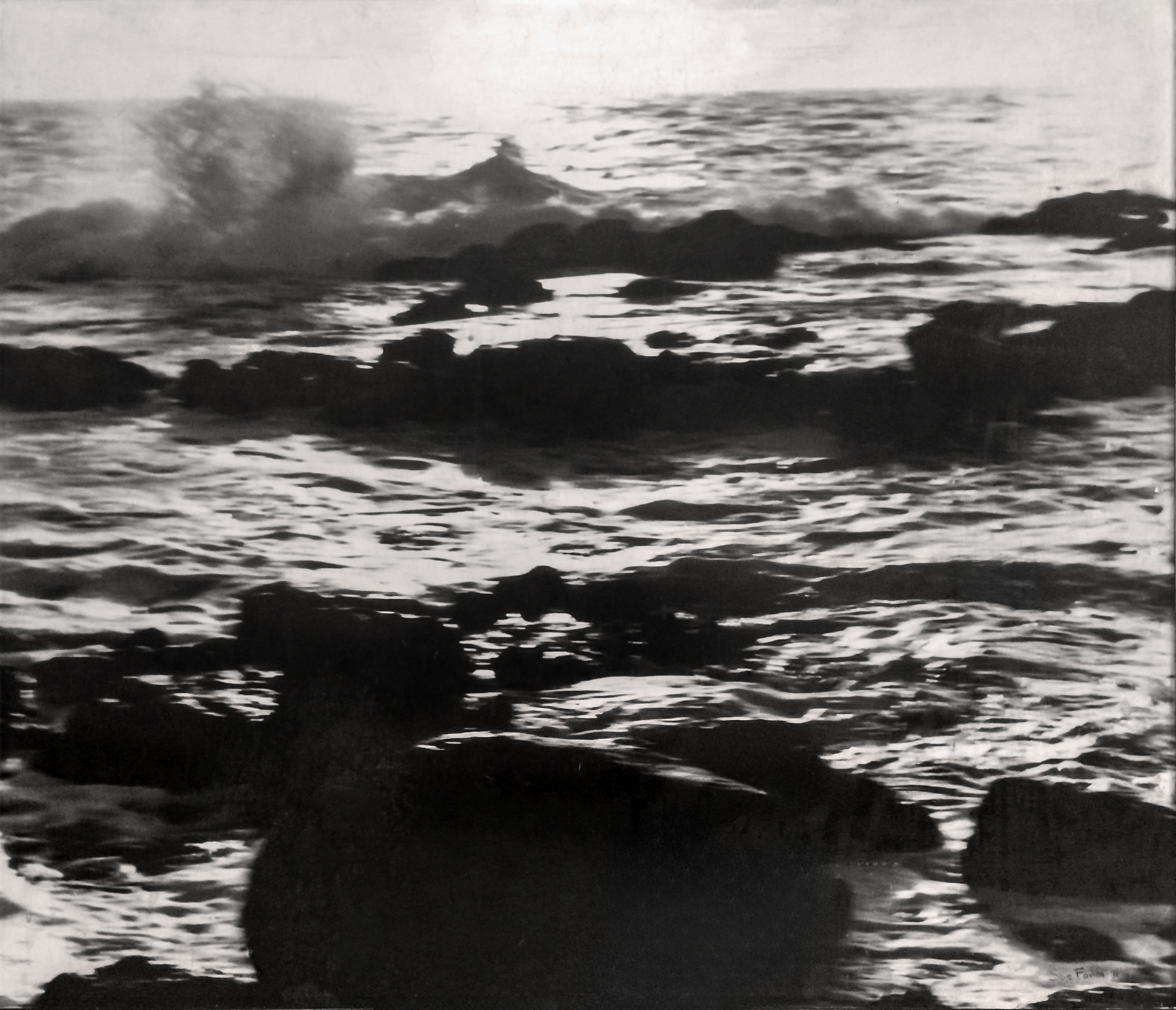
The perhaps concluding image from the series is a seascape shot against the setting sun in which the slow shutter speed lets slide the foam among the sleeping black silhouettes of the rocks into which we may read the female transformed.


Some interesting imagery here, reminding me of Wyn Bullock and Bill Brandt… something visceral about dark room manipulations which transcend the intention of the photographer.
LikeLike