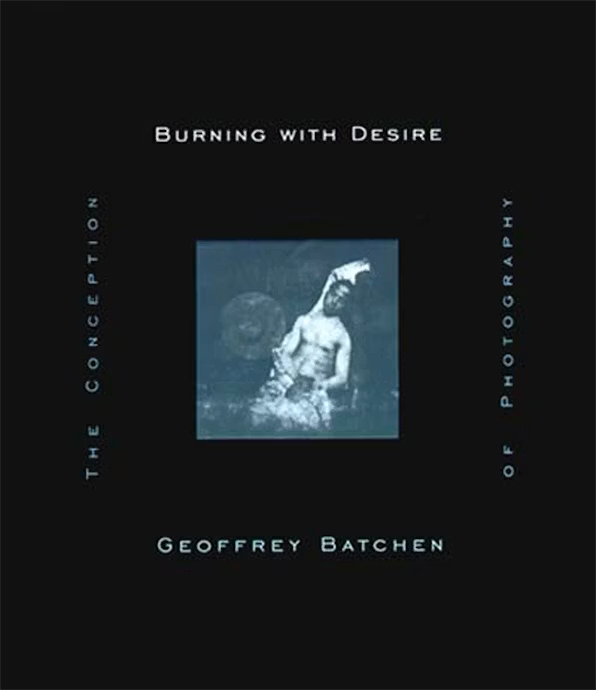
 Photography is a product of a desire that science fulfilled. Melbourne-born Geoffrey Batchen, having reached the mandatory retirement age, is now no longer Head of Department and Professor of Art History at Trinity College, Oxford. For the title of his influential text Burning with Desire: The Conception of Photography, he borrows the passionate phrase “I am burning with desire to see your experiments from nature” from an 1828 letter by Louis Daguerre to his business partner, Nicéphore Niépce.
Batchen posits that photography wasn’t a sudden technical breakthrough. It was an inevitable result of a cultural “desire to photograph” that emerged decades before the technology actually existed. Tracing the live projections of the camera obscura or lucida no longer satisfied; people felt a lack, a need to preserve those elusive shades. Such an itch, frustrated by his ineptitude in drawing, was the impetus behind Henry Fox Talbot’s inventing the calotype, and Niépce’s seeking automatic means to multiply images, and inspired the less successful attempts to capture light images by twenty or so individuals whom Batchen discovered across seven countries.
 From the ideas of Foucault and Derrida, Batchen argues that a collective world view, a ‘discourse’ (Foucault), of scientific perspectives prepared a consequent cultural readiness by society to excitedly receive photography. Put simply, science fiction precedes science fact; see how rapidly, exponentially, did movies, sound recording, telegraphy, the telephone, television and the internet follow! The late 18th century, argues Batchen, brought a radical change—Foucault’s épistémè—in how humans conceived of landscape, art, and science; a modern need to occupy a scene while simultaneously documenting it from the outside. Arguing that a photograph is a “message without a code” where nature (light chemistry) and culture (human framing) are completely fused, Batchen expands on Derrida’s famous rejection of the hierarchy that places speech above writing; the photograph acts as a Derridean “trace”, an imprint that proves something was there, but is always absent by the time you look at the image.
There, quantum physics agrees, and what is art, beauty, in science, but a trace of what orders, even where it starts to exceed human comprehension, so that for pioneer in the field, Paul Dirac, the only language capable of bring together deep objective truth and aesthetic experience is mathematics; it is more important to have beauty in one’s equations than to have them fit experiment. Mathematical beauty is a more reliable guide to physical truth than temporary experimental data.
Alfred Ehrhardt claimed that photography, which he picked up after the abstract painting of his Bauhaus education, documents the “absolute laws of all phenomena”. It embodies Geoffrey Batchen’s concept of the photographic “trace” and aligns with Paul Dirac’s mathematical beauty. His work, particularly studies of natural forms on the littoral of the Wadden Sea, where tide, waves, wind and storm left ephemeral structural geometries, fixed such fleeting phenomena into imagery of pattern and structure which preserve the dynamics of those forces. Finding an underlying order in nature Ehrhardt consciously sought convergence of scientific observation and aesthetic form. The Alfred Ehrhardt Foundation’s current (until 6 September 2026) exhibition Seeing the World in a Grain of Sand extends Ehrhardt’s work through the continuity between his photography and contemporary scientific imaging. In investigating Ehrhardt I found the German Wikipedia used only references sourced from the Foundation so in writing the English entry I have been on an odyssey through all mentions of him in texts in any language. As a result, I can see that his own intellectual formation at the Bauhaus and under the influence of biological morphology deserves emphasis.
Alfred Ehrhardt’s art embodied this union of empirical observation and formal beauty, beginning with his training in music, and his practice as an art and dance teacher at the Gandersheim boarding school founded in 1923 by the reformist educator Max Bondy and his wife Gertrud. In his gymnastics instruction Ehrhardt focused on artistic and dance-based techniques, inspired by choreographers the Austrian Rudolf von Laban, author of the systematic Labanotation, and German expressionist dancer Mary Wigman. He subsequently taught at the Hamburg State Art School.
Ehrhardt painted and made prints from 1925 to 1933 in Hamburg, and in 1926/1927, aged 26, created the paintings in the crypt of Lamspringe Abbey Church—whitewashed during the Nazi era, but rediscovered by Axel Christoph Kronenberg and restored over 2007–2010. On leave from his teaching position, Ehrhardt attended a semester at the Bauhaus, Dessau, in 1927–1928, taking the preliminary course taught by the German artist Josef Albers and the painting classes of Paul Klee and Lyonel Feininger, and was an intern in Oskar Schlemmer’s stagecraft workshop.
Ehrhardt, whose favourite composer was J.S. Bach, was applying the musical concept of polyphony to his painting, to some extent following Klee, who played the violin, and Kandinsky, both of whom sought to create paintings in which multiple visual elements—lines, colours, forms, rhythms and spatial relationships—were treated independently while harmonising in an integrated whole, as do independent melodic voices of Bach’s Fugue No. 5 in D Major, BWV 874. Bach’s first biographer Forkel described his music as a logical ‘architectural’ construction, and Schweitzer also saw in it an organic order governed by rules; mathematician Hermann Weyl regarded Bach’s contrapuntal symmetry as an example of mathematical beauty; also Hofstadter, in his Gödel, Escher, Bach: An Eternal Golden Braid perceives Bach’s fugues as using recursive structures similar to those found in mathematical logic, where finite rules create effectively infinite possibilities; while Roger Penrose invokes Bach when discussing mathematical beauty.
Thus Ehrhardt fits the Hamburg Secession avant-garde of the 1920s, exhibiting at the Kunstverein’s new exhibition hall for contemporary art with Secession sculptor Friedrich Wield (who was to commit suicide under repression by the Nazis), followed in 1931 with the Hamburg Art Association staging a solo exhibition of Ehrhardt’s paintings, drawings, and prints.
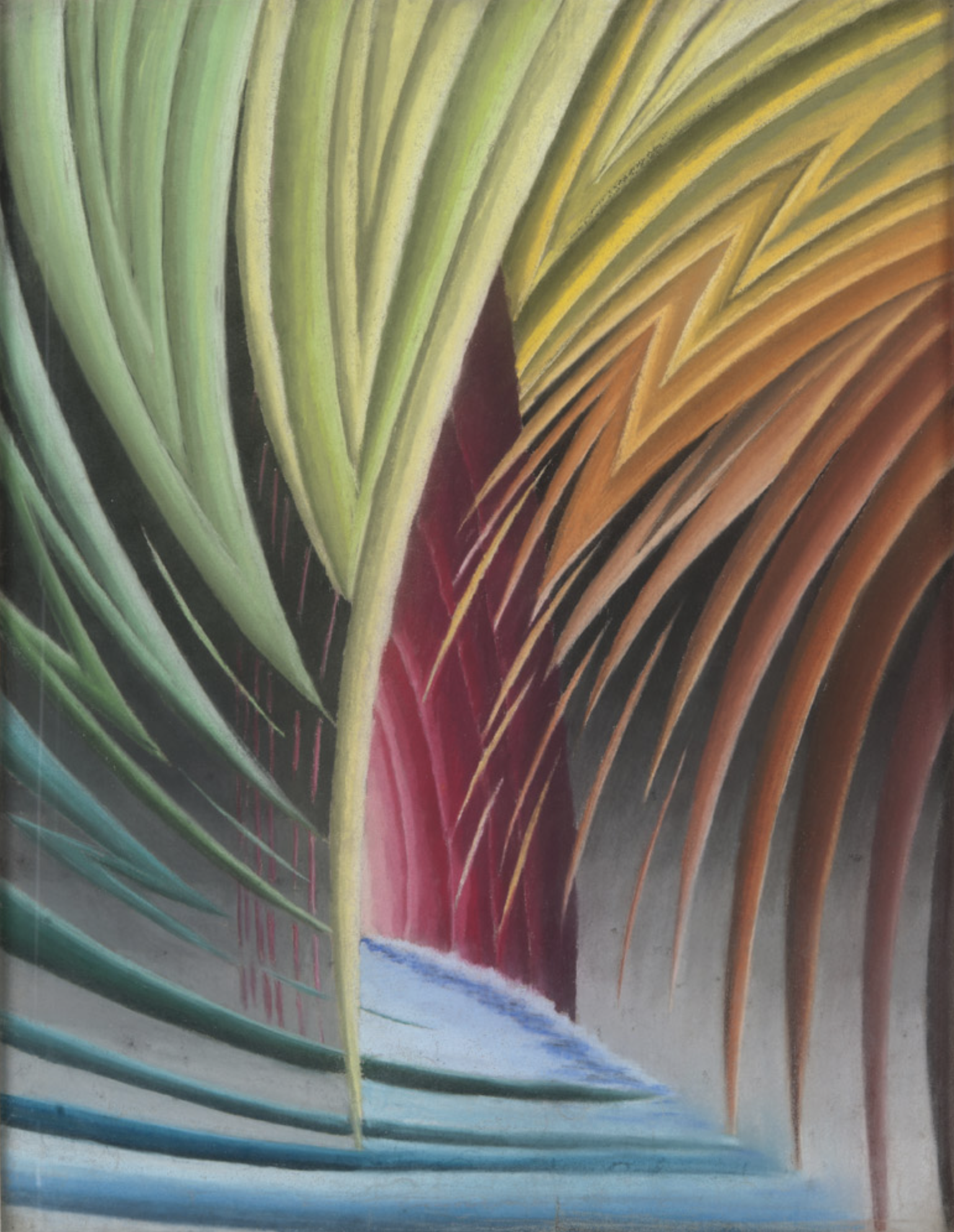
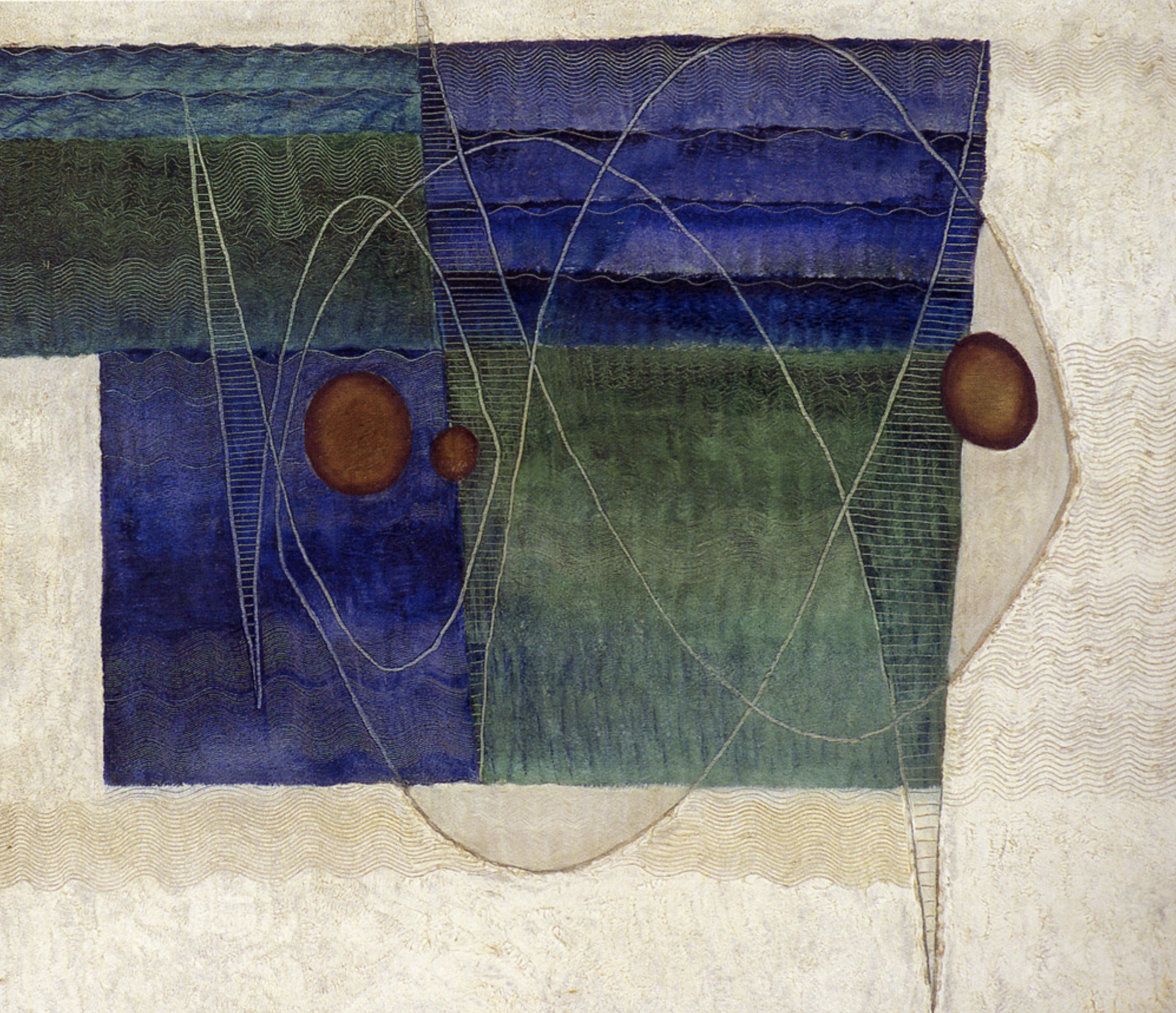
In his newly adopted medium, photography, we can easily find transposed the vibrations, rhythms, patterns and linear elements of his painting.
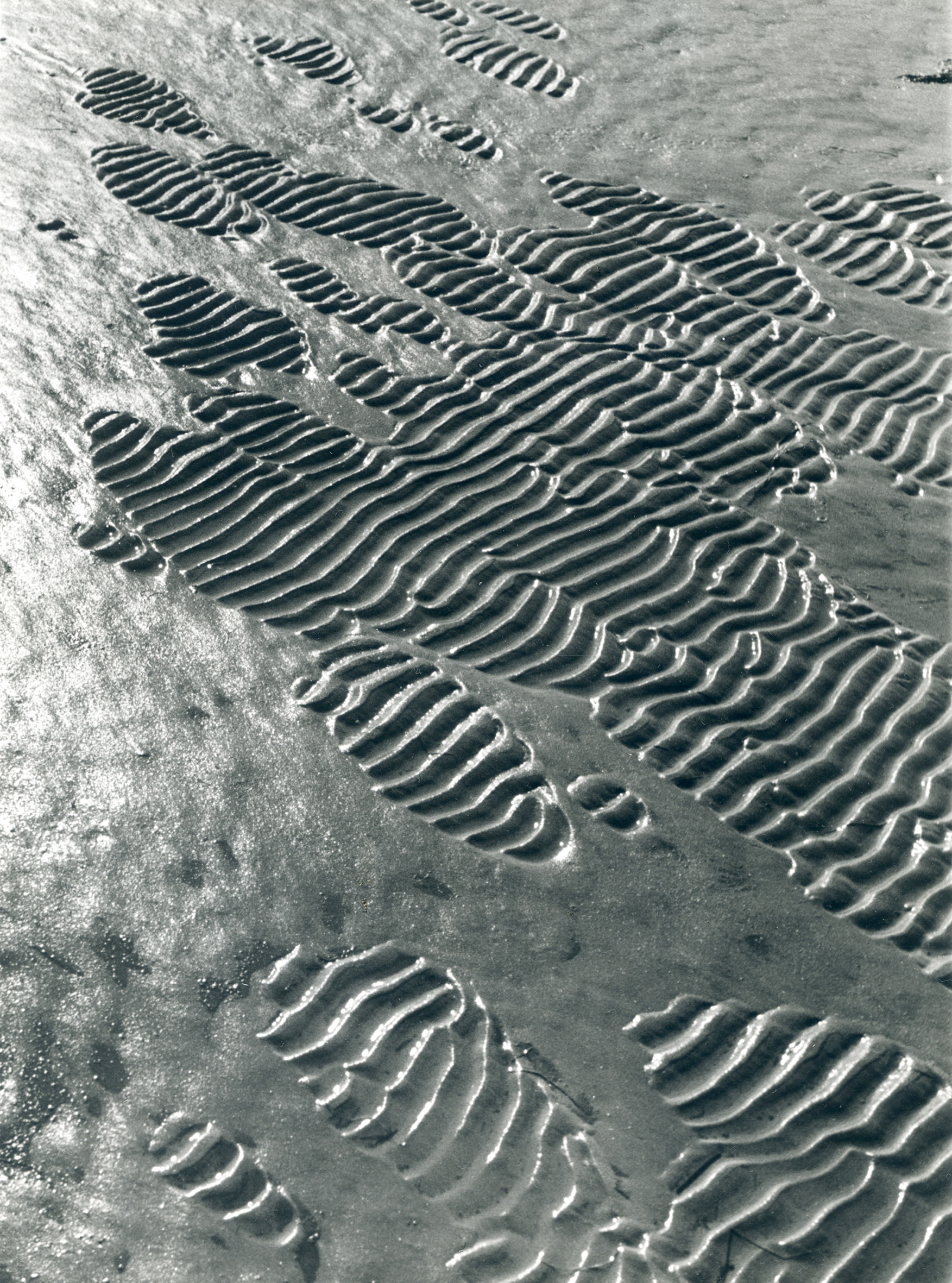
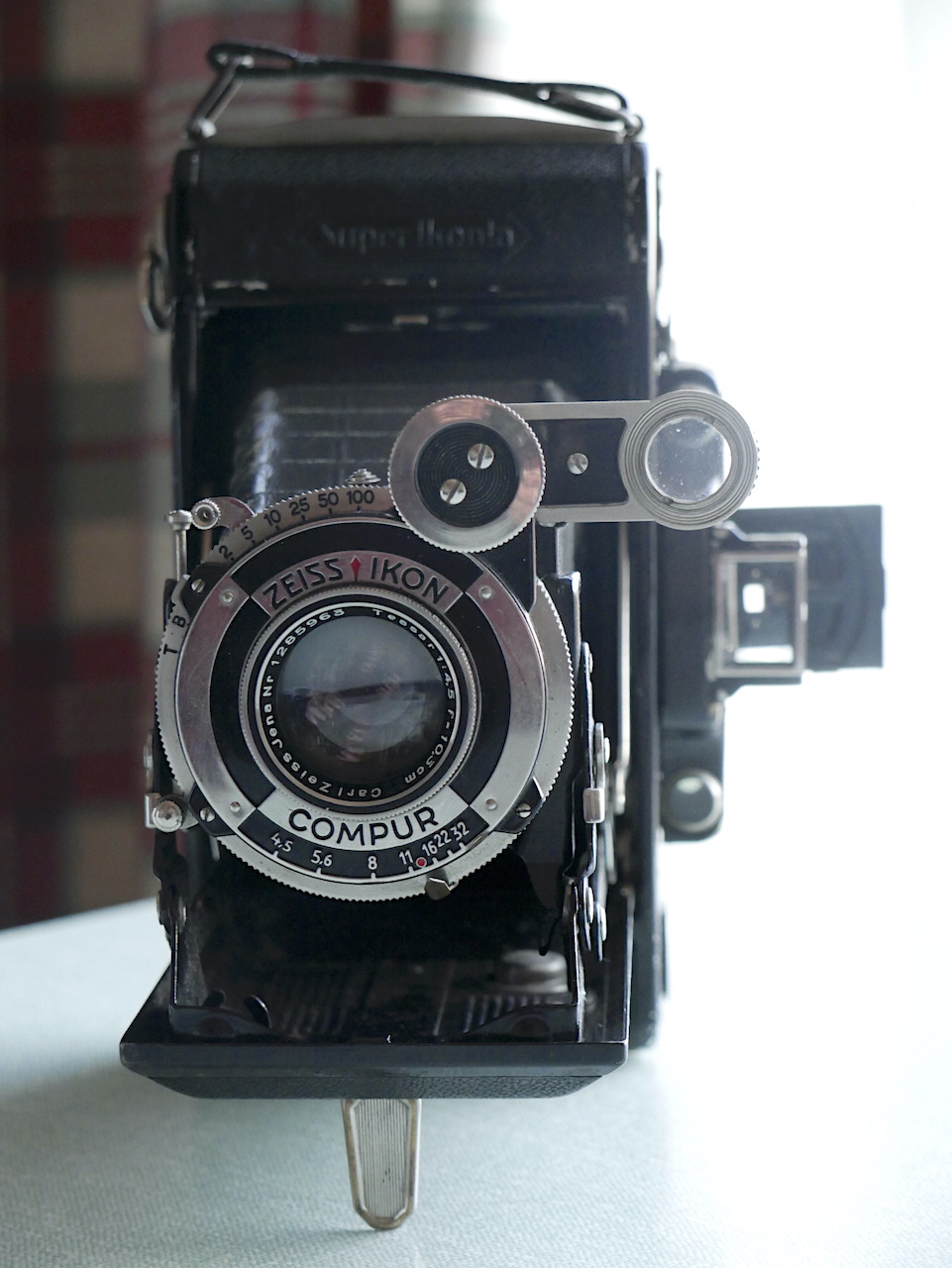
For his shift from painting to photography we owe the Nazi dismissal of progressive educators which forced him from teaching in 1933. Photography became not merely a substitute for painting but a more exact instrument for investigating natural phenomena.
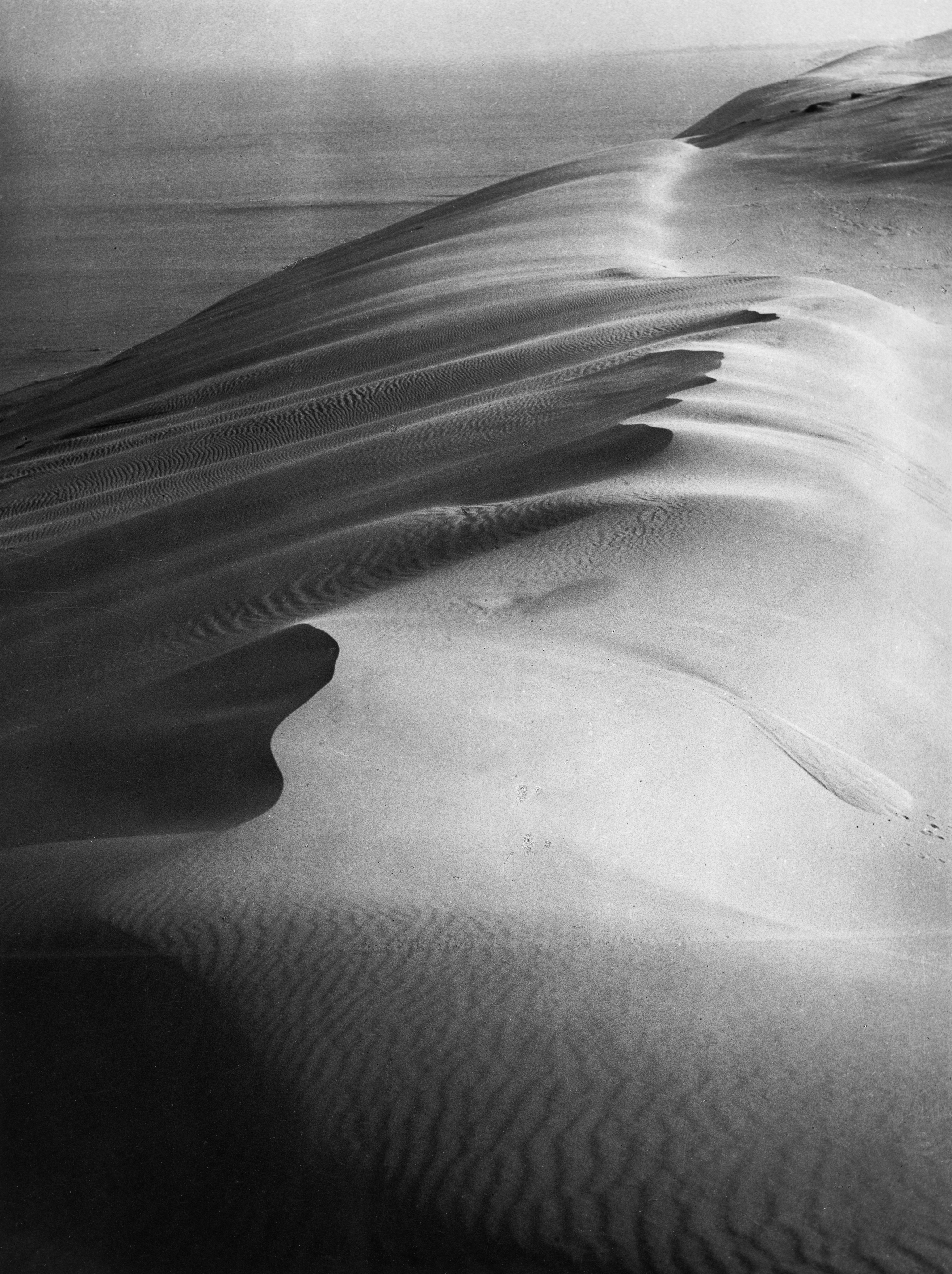
Rejecting picturesque landscape in favour of the generative forces underlying nature, and using a Zeiss Icon camera for 6 x 9 cm negatives, Ehrhardt photographed in detail and with fascination the tidal flats and sand dunes on excursions to the Wadden Sea between Scharhörn and Neuwerk, and in 1934 also to the Curonian Spit on the Baltic Sea where the daily movement of wind, waves and tide produced the transient configurations he captured, often holding his camera almost parallel with the surface.
In his investigations of morphology, Ehrhardt was also influenced by Goethe’s and Ernst Haeckel’s studies of universal structural principles in plant and animal forms and variations. Ehrhardt’s images reveal recurring geometries.
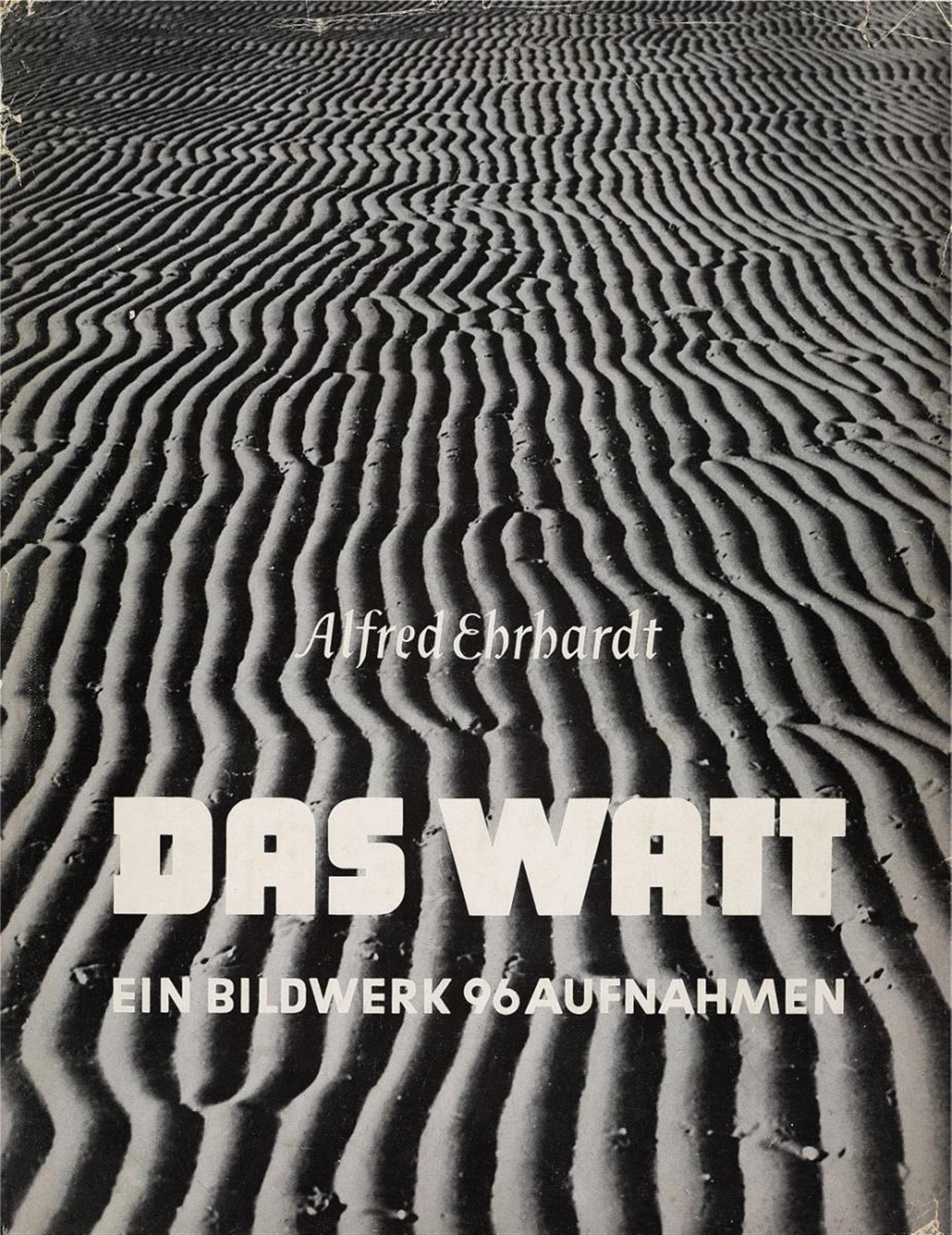
Amidst a flowering of innovative German photobooks Das Watt (‘The Wadden Sea’) with 96 of his images was published in 1937 by Hamburg’s Heinrich Ellermann, and established his reputation as an avant-garde photographer amongst Albert Renger-Patzsch, Hugo Schmölz, Adolf Lazi, Walter Peterhans, Wilhelm Castelli, Werner Mannsfeldt, Andreas Feininger, and Arvid Gutschow whose book See Sand Sonne (Sea Sand Sun) preceded his in 1930. Echoing the title of Albert Renger-Patzsch’s book The World Is Beautiful (1928), Ehrhardt later described his perspective:
Certainly, the world is beautiful, but it is much, much more, and it is this ‘much more’ that should matter to us, namely the appearance of the world as imperishable vitality, its exemplary realization of a profound life force that permeates all beings to their very core and therefore shapes their forms.
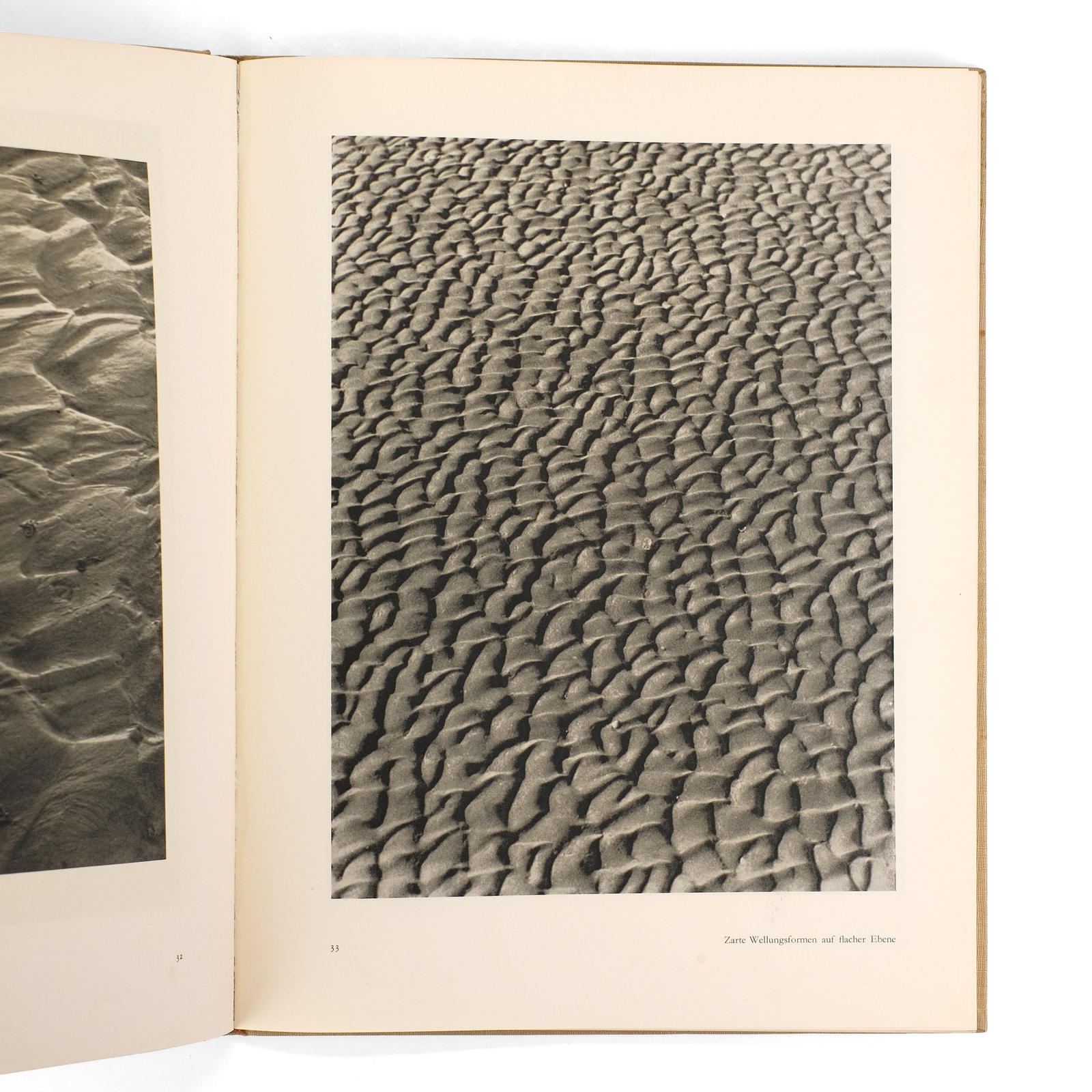
Writing about his work in an illustrated essay “Tidal Effects upon the Ocean Floor” for the July 1938 Canadian Geographical Journal, Ehrhardt presents the Wadden Sea as a unique geographical laboratory of aesthetic value. The twice-daily exposure of the intertidal flats allows direct observation of the geomorphological processes by which tides, currents and wind continually shape the sea floor, evidence enabling scientific interpretation of ancient sedimentary formations and for reconstructing the evolving past environments.
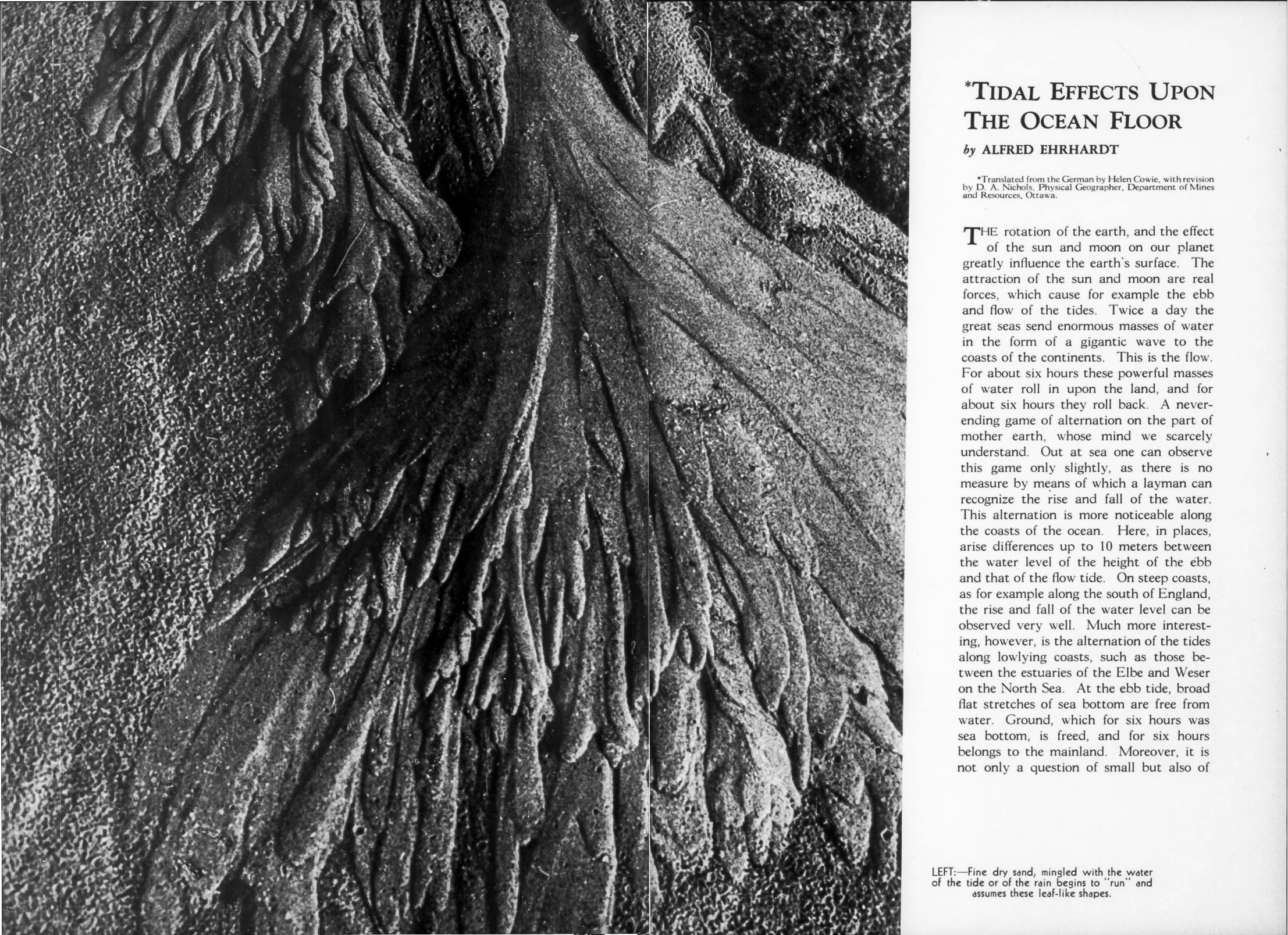
The naturally formed patterns possess an intrinsic artistic quality, revealing the abstract beauty of elemental forces acting upon the landscape. His photography, made possible in the treacherous environment (the water-saturated Mahlsand in which people become deeply embedded and cannot free themselves) by recently developed lightweight cameras; “No year passes that the “Watt” between the Elbe and Weser does not demand a toll of from 20 to 30 lives.” His extended series (sampled with thirteen illustrations) arguably delivers scientific documentation with artistic interpretation, capturing transient landforms and dynamic coastal processes previously inaccessible or unrecorded. Photography, he concludes, bridges geography and art.
To see a World in a Grain of Sand
And a Heaven in a Wild Flower,
Hold Infinity in the palm of your hand,
And Eternity in an hour.
William Blake (1803) Auguries of Innocence
The Alfred Ehrhardt Foundation’s recent exhibition Seeing the World in a Grain of Sand shows Ehrhardt’s photographs alongside contemporary microscopic and scientific imaging; all visual forms capable of revealing invisible orders just as Ehrhardt in the 1930s depicted instances and fragments of natural organisation in which he saw beauty.
What attracted me, an Australian, to this exhibition half the world away in Berlin, but which I could visit via Matterport, was a trail of sand that connects to Australia. Sand is the theme, and photography depends on it for lenses and sensors. We promote our beach culture, but the beaches are disappearing from under our towels. Australia is the world’s second-largest producer of sand, heavily exporting high-purity silica sand for global tech and glass manufacturing, and supplies to local industry of construction and mineral sands. Export markets are dominated by shipments to China, which imports about 1.289 billion kilograms of our silica sands and quartz sands, and to Japan, and Taiwan, while domestically supplies go to concrete, foundries, and water filtration. Queensland’s Cape Flattery Silica Mine is the world’s largest silica sand operations, alongside the Northern Silica Project and the Sunstate Sands operation near Bundaberg. Western Australia mines bulk construction sand in the Pilbara region and other heavy mineral sand extraction; South Australia produces high-grade glass-making silica from sites like Glenshera; and Victoria holds vast critical mineral-bearing sand deposits, such as the Donald Project.
Sand mining in Australia is a fiercely contested environmental battleground, beginning with the landmark fight over Fraser Island (K’gari) in the 1970s, and now continuing against proposed seabed suction mining in the Cambridge Gulf in Western Australia’s Kimberley region by Dutch marine dredging giant Boskalis with potential threats to tidal mangrove systems and nesting beaches of the vulnerable flatback sea turtle; the Save Lancelin Dunes action group (north of Perth) are fighting large-scale commercial limesand extraction, while in Yallingup, Southwest WA residents regard an industrial mine in a pristine tourist hub as “illogical”.
Around the common subject of sand, in co-exhibiting with vintage Ehrhardt imagery, Matthias Burba and Max Seeger approach it from opposite direction, Burba with the material object itself, Seeger with the systems within which sand circulates.
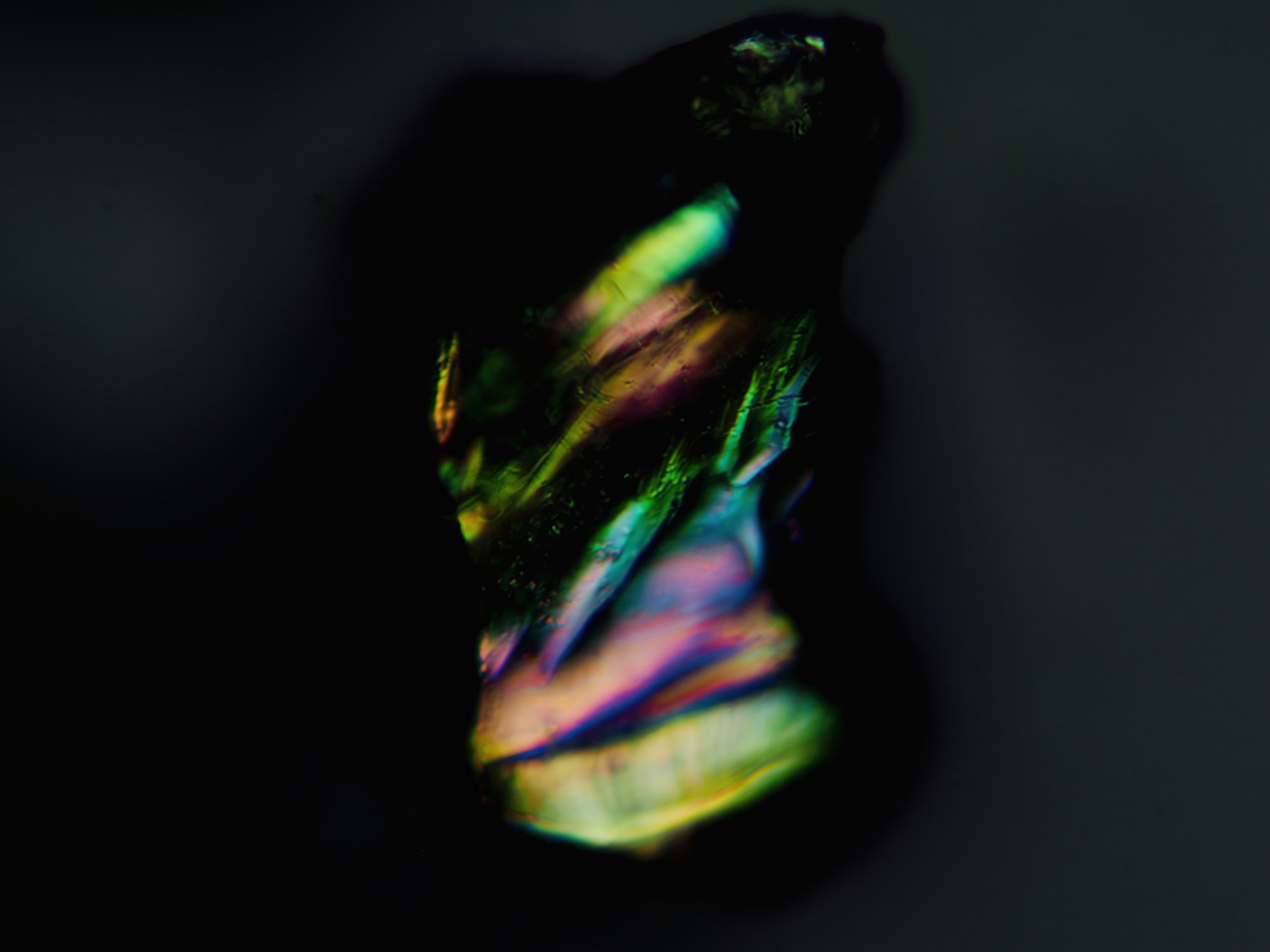
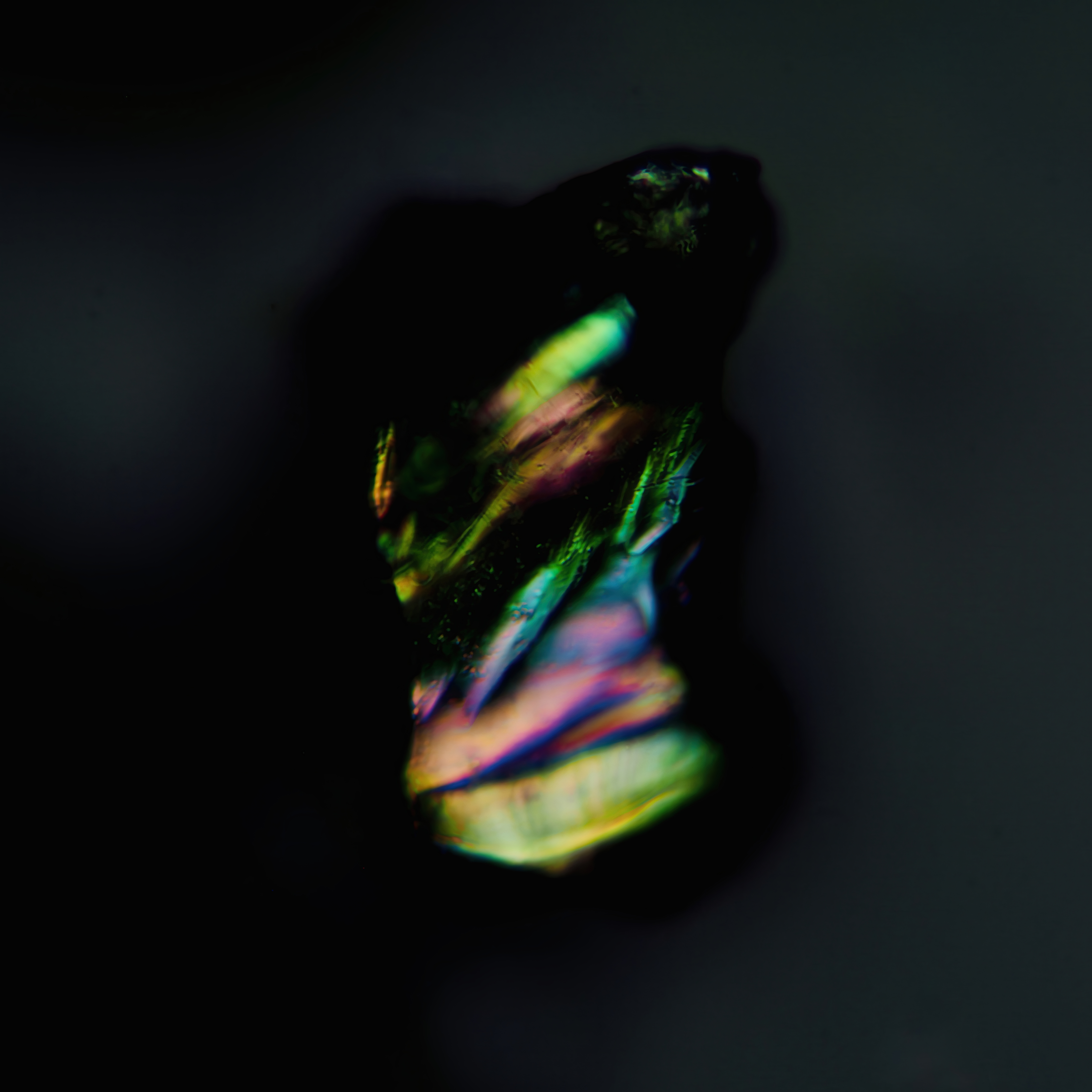
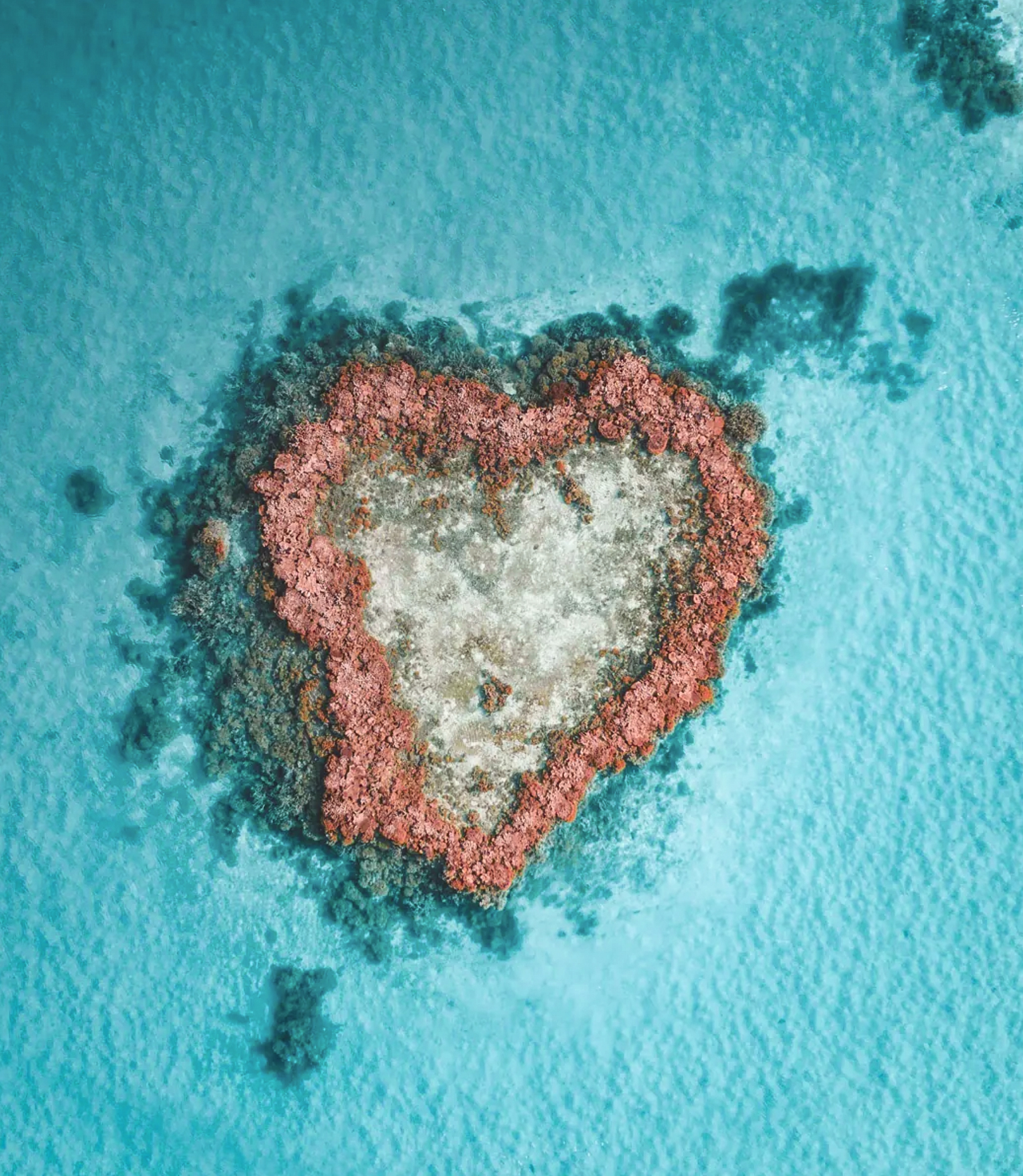
Burba’s practice is investigative; a former forensic scientist, he has assembled an archive of some 800 sand samples gathered from around the world—imagine the grain above, from Queensland’s tourist magnet, the Whitsundays, perhaps being picked up from tiny Heart Reef.
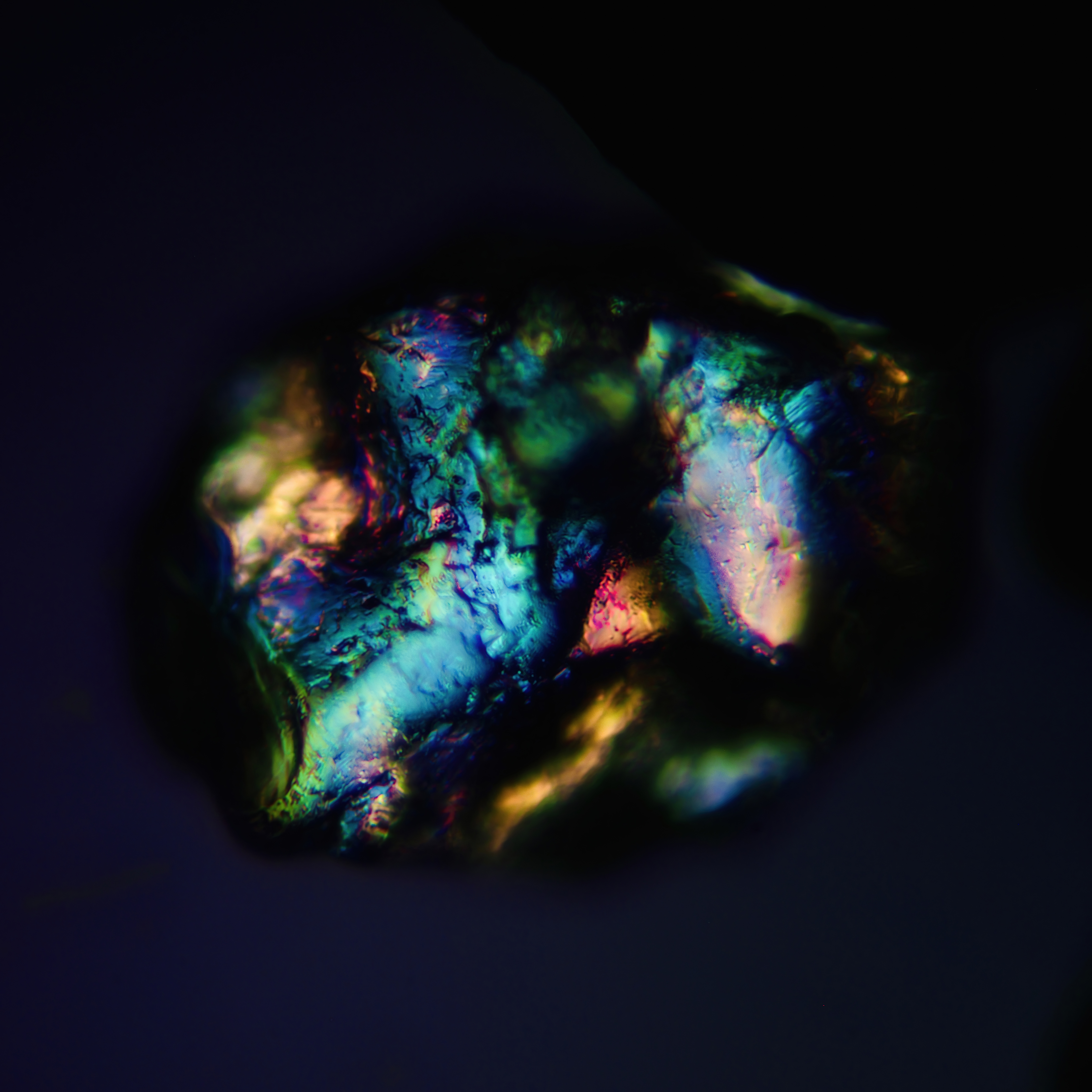
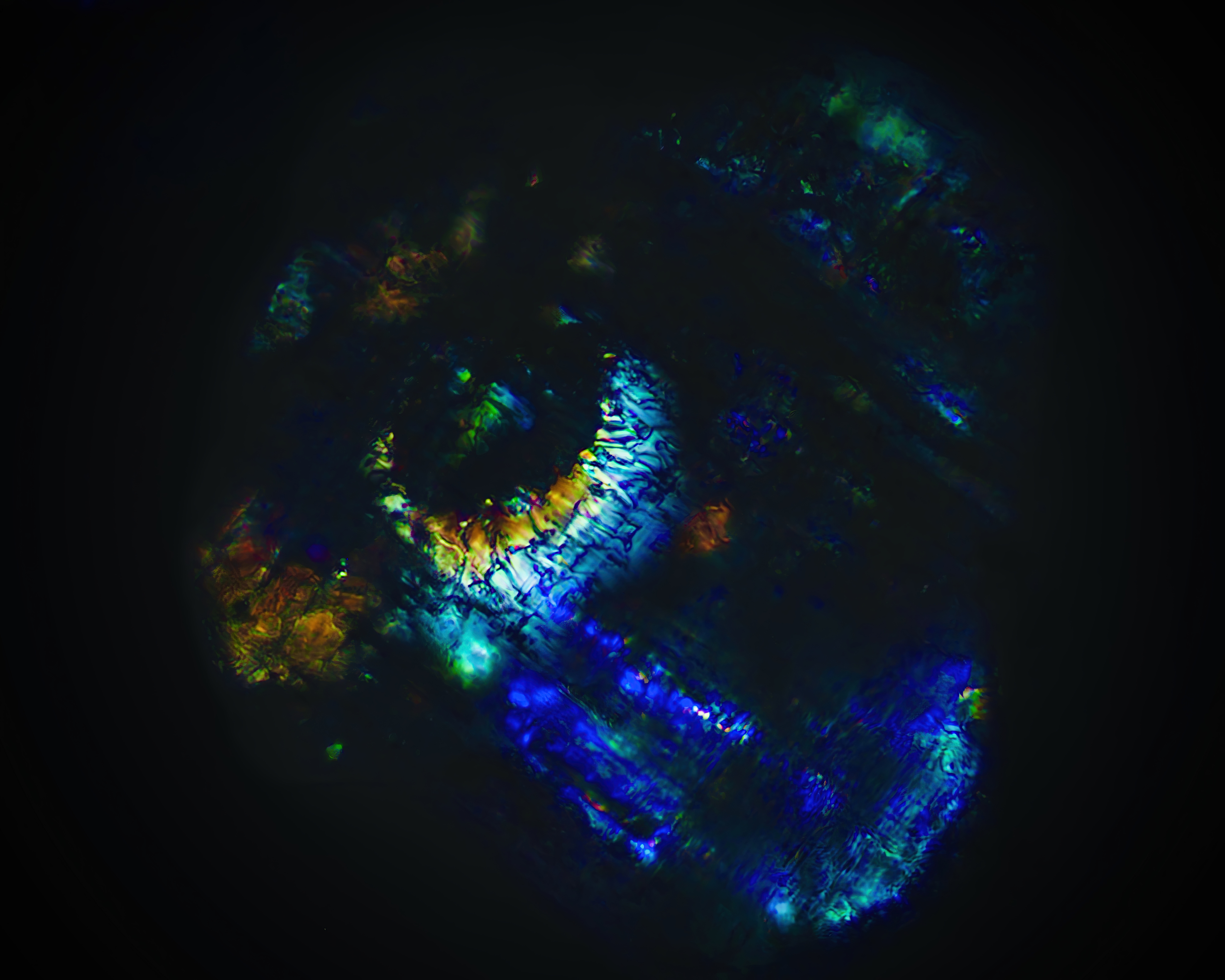
40 x 50 cm Inkjet print
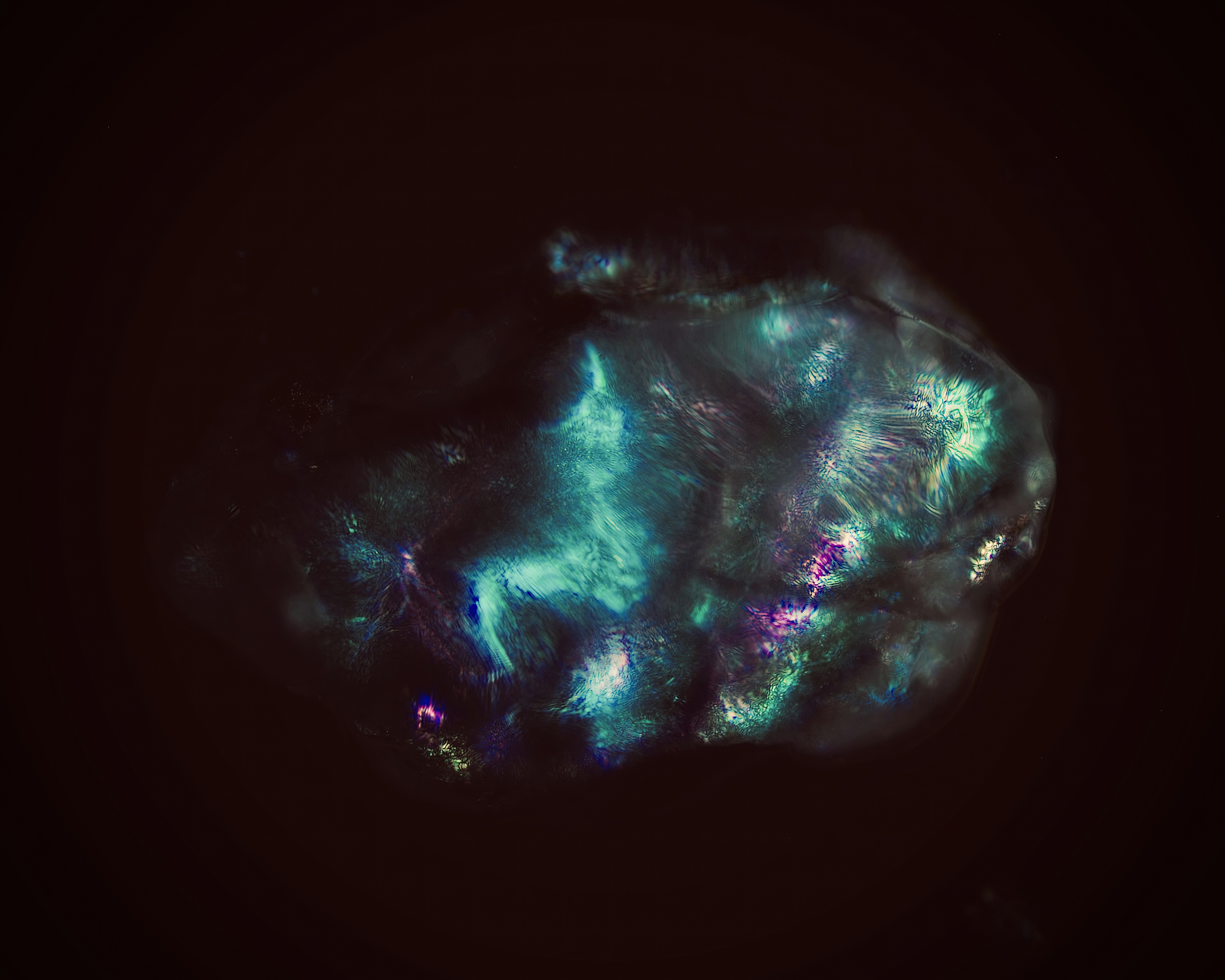
40 x 50 cm Inkjet print
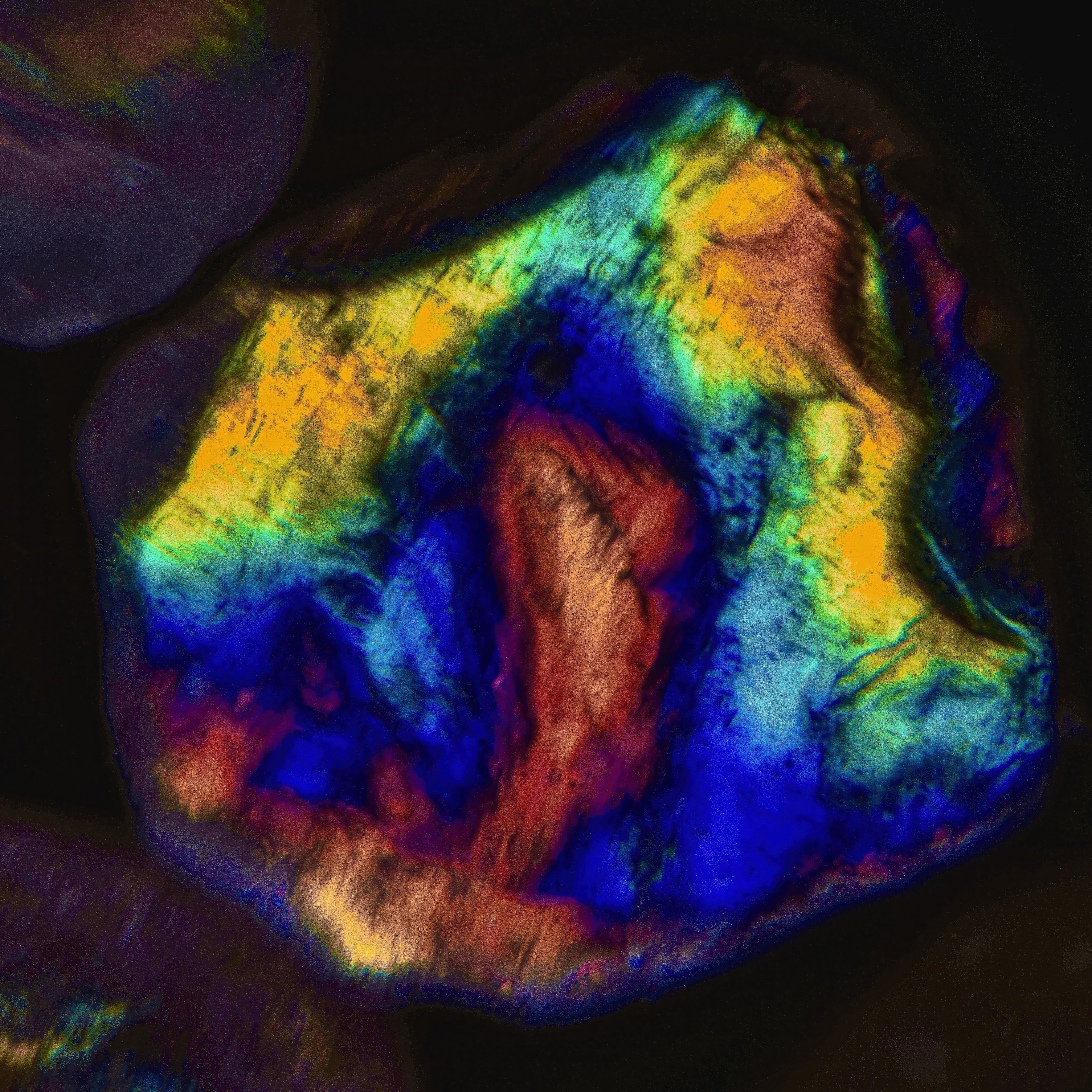
60 x 60 cm
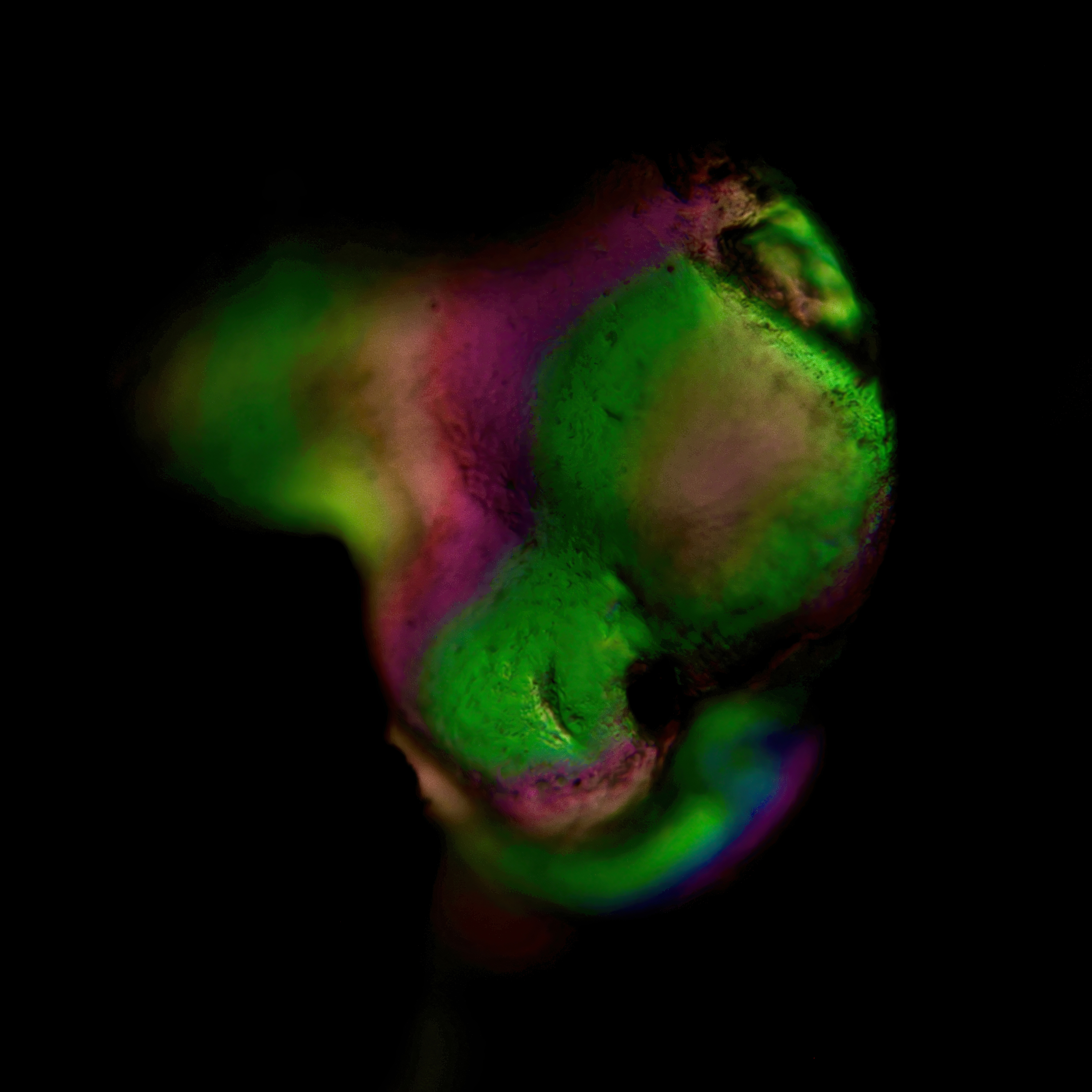
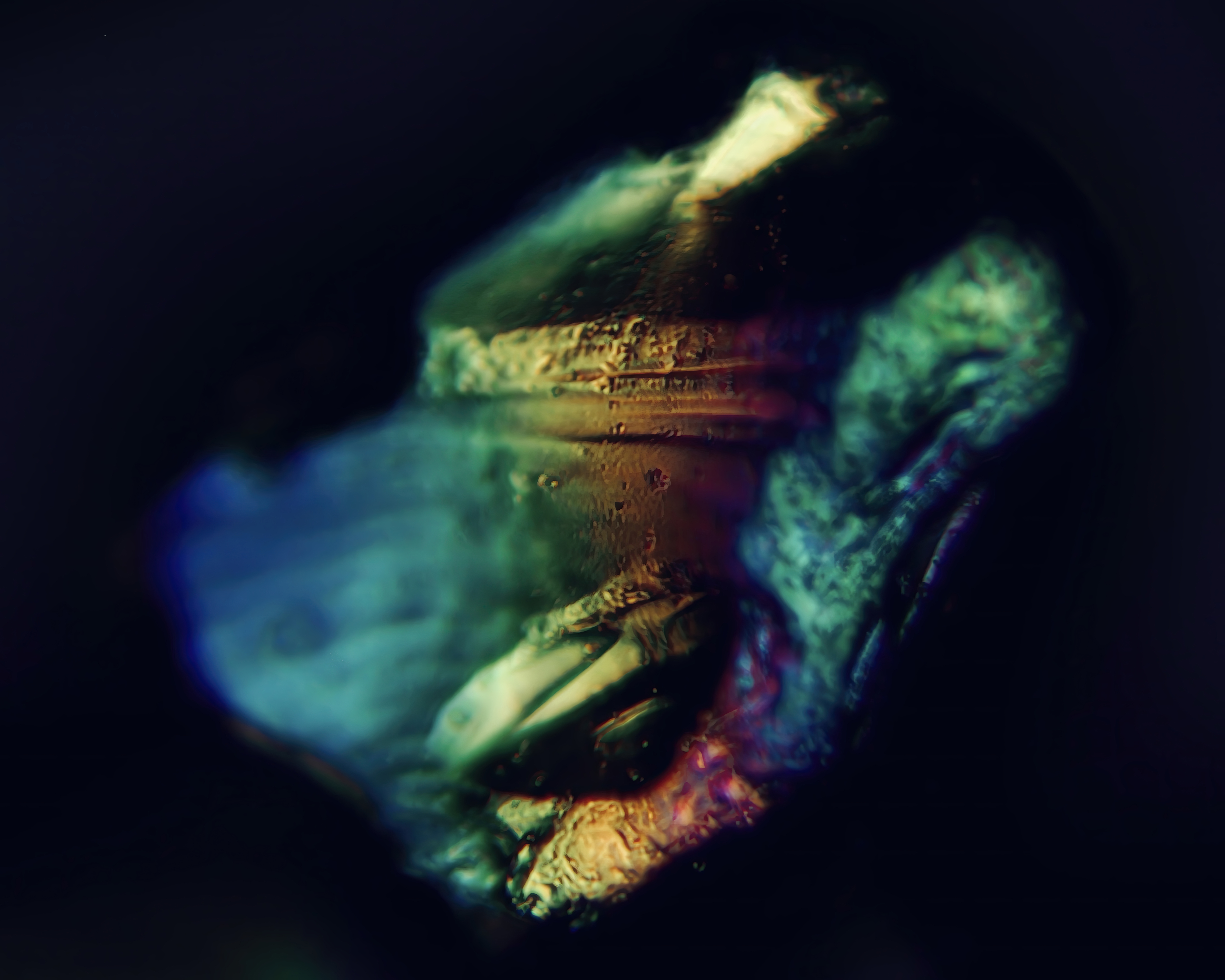
Using polarising microscopy, Burba photographs individual grains under carefully controlled illumination so that their mineral composition, crystalline structure and optical properties, well beyond normal human vision, through the massive enlargement enhances the luminous colour, while each grain, encapsulates entropy, the millions of years of weathering, transport and transformation while simultaneously functioning as a visually autonomous composition. His images oscillate conceptually between scientific record and intense artistic abstraction. Ehrhardt enlarged the patterns created by wind and tide, while Burba enlarges the mineral architecture of the grains themselves. Shifting from landscape to the microscopic specimen, photography serves as an instrument of discovery.
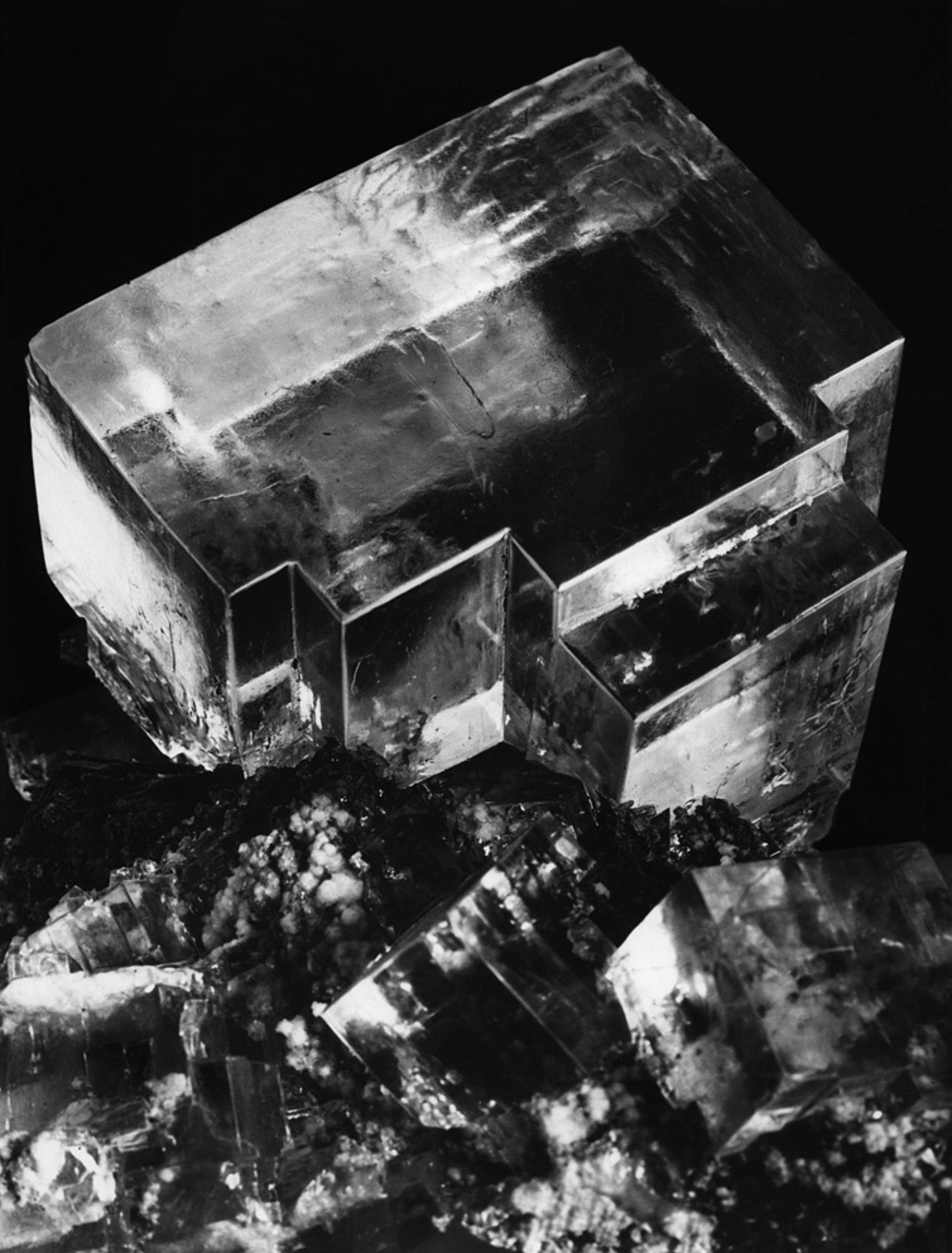
Ehrhardt’s own micro-photography indicates his close association with Karl Blossfeldt published as Die Kristalle (The Crystals) in 1939, and Die Muscheln und die Schnecken (Shells and Snails), in 1941.
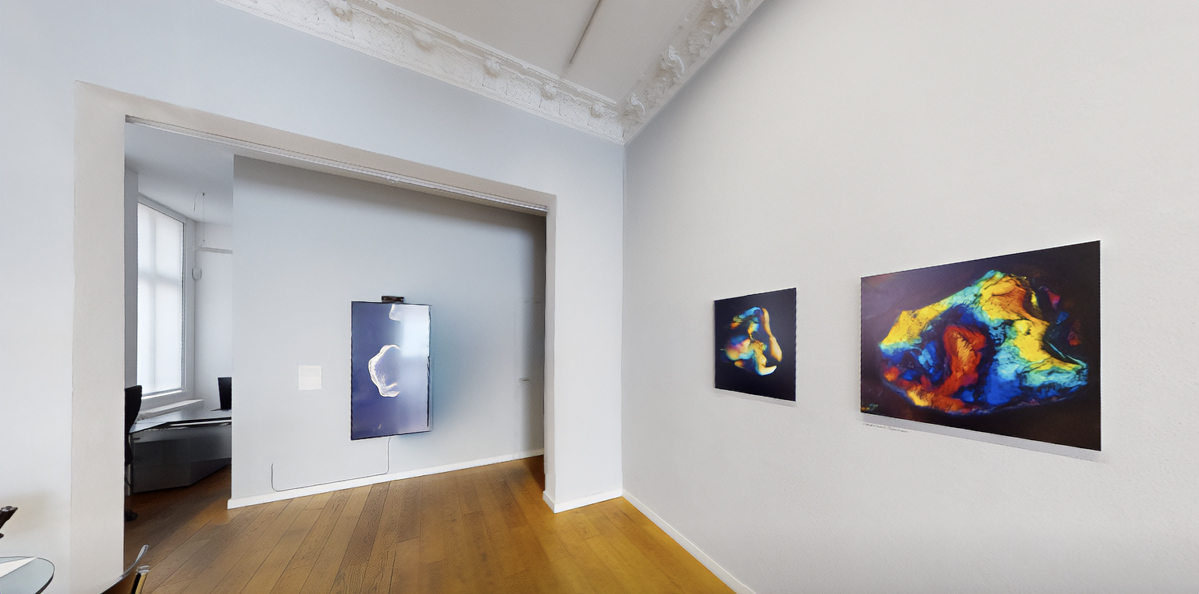
Max Seeger’s contribution, Ingrained (2025), is digital video installation that visualises the networks through which sand circulates within global ecological, economic and technological systems, enlarging the scale from the individual particle to worldwide interconnections. Seeger asks how this natural material enters technological systems and global capitalism as an industrial commodity, the basis of digital infrastructure, but an ecological concern.
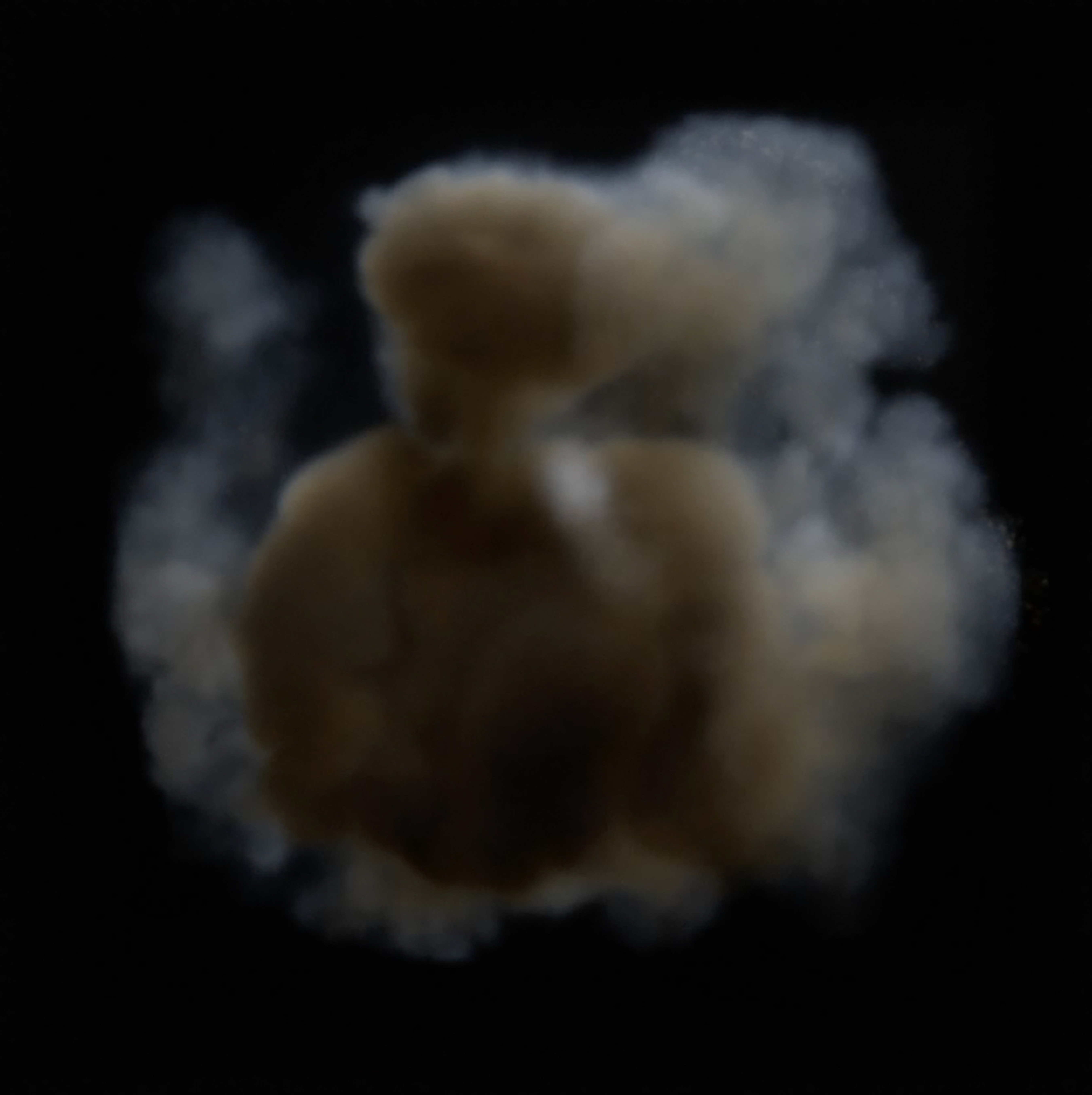
Thus Burba and Seeger spring complementary trajectories from Ehrhardt’s original project in a pairing that exemplifies the Alfred Ehrhardt Foundation’s broader curatorial philosophy of presenting Ehrhardt as a historical modernist whose achievement usefully interacts in conversation with contemporary photography and photomedia. Burba demonstrates that the search for universal structure continues through new scientific imaging technologies; Seeger demonstrates that photography must now also engage with the ecological and technological systems that define the Anthropocene. Between them, they reveal how Ehrhardt’s aspiration to discover the “absolute laws of all phenomena” remains productive, even as the phenomena demanding photographic attention have expanded from the geometry of nature to the intertwined material, political and digital infrastructures of the twenty-first century.
The exhibition has attracted speakers who sift its ‘ingrained’ knowledge.
Dr Michaela Büsse’s discussion, Sand as a Medium: Materiality, Power, and Territorial Transformation, drawing on her research into sand as a design material and a driver of planetary urbanisation, will explain sand as one of the world’s most exploited natural resources, implicated in land reclamation, geopolitical engineering and the manufacture of the silicon infrastructure on which contemporary digital culture depends. She questions whether the apparently neutral gaze of scientific photography can ever be separated from the histories of extraction and environmental transformation that produce its subjects.
Moritz Ohlig, curator of the provocative Museum Sinclair-Haus exhibition Sand—Resource, Life, Longing of 24 September 2023 – 11 February 2024, complements Büsse’s material-political reading with the curatorial perspective in which sand is set as part of cultural memory, ecology and human experience; the emotional and sensory associations that sand evokes—beaches, deserts, labour, migration and habitation. The environmental realities of the Anthropocene were acknowledged in the 16 international artists Ohlig chose to include at Museum Sinclair-Haus. They were: Edward Burtynsky & Yann Arthus-Bertrand who capture the industrial scars and sweeping geography of global sand mining and shifting terrains from above; Andreas Gursky, known for massive, hyper-detailed photographs, views sand as an architectural backdrop rather than a microscopic geological archive; likewise Irenaeus Herok & Jacques Pugin use the aerial perspective for views of desert macro-dunes, while Jochem Hendricks count grains of sand individually—a humorous but punishing critique of classification and accounting; Laurent Mareschal’s site-specific installations using spices and sand for an ephemeral presence; Vik Muniz, using a focused ion beam etched in microscopic contours a sandcastle on to a single grain of sand; Ferhat Bouda spent months living alongside nomadic communities in the Sahara to document their everyday lives, where sand is a living cultural homeland, not an industrial raw material; Andrea Božić & Julia Willms (TILT) in their audiovisual installation Zandloper (Hourglass) demonstrate how sand transforms into glass, a liquid masquerading as solid, hard enough to protect us, but incredibly easy to shatter; and Stefanie Zoche & Sim Chi Yin who have committed to investigative storytelling of global sand theft and vanishing coastlines.
Finally, another speaker, a further Australian connection, will be the presenter on 23 July of The fleeting image: Salt prints and nature reflected through time. The slide lecture features original works by Joachim Froese, Honorary Lecturer, School of Communication & Arts, University of Queensland, Australia. As part of his lecture, the artist will present some of his original salted paper prints, both fixed and unfixed, as well as paper negatives, cyanotypes, and silver gelatin prints. He will discuss the technical foundations of these prints and share insights into his processes.
Salt and sand delimit the littoral, the zone between high and low tide, and it might be said that they circumscribe the beginning and end of photography; Henry Fox Talbot’s salt prints and the silicon that generates the digital and now AI, rapist of our muse.
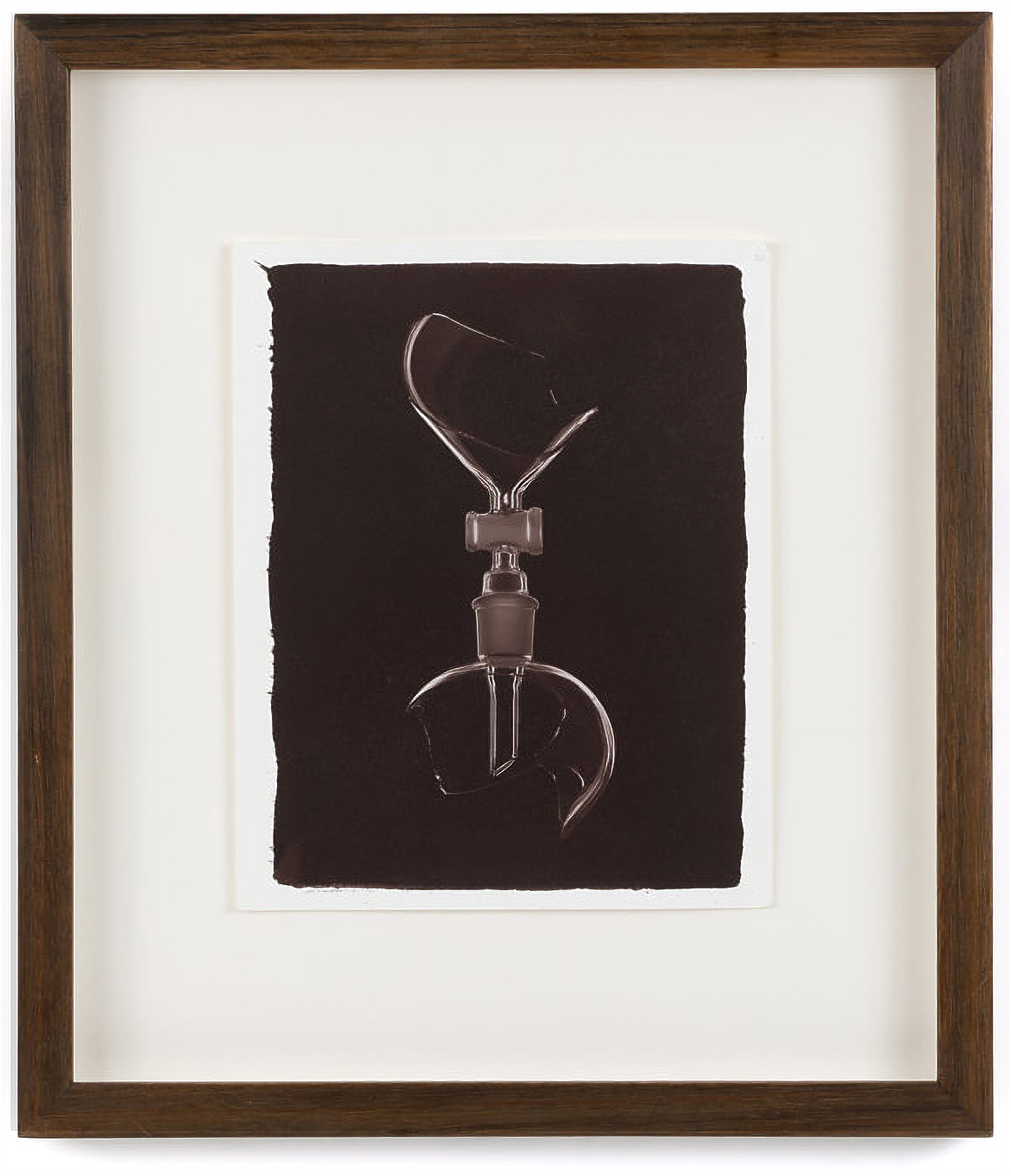
Froese uses Talbot calotype process self-referentially to depict chemistry laboratory glassware originally handmade by Brisbane glass artist Jarred Wright. These fit the didactic mode of presentation in this exhibition which incorporates sand samples, a microscope through which visitors can examine sand, and a flow chart of the sand industries. The laboratory equipment used in making the silver-based formulae used for the paper negatives and prints is shown to be broken, as a meditation on the fractured relationship between art and science, a break with the analogue, and with the physical substance of things, while the surrounding images in the series; sombre photographs of fading flowers and animal remains poignantly remind us of ecological fragility and loss.
Froese engages with nature and landscape not in the sense of classical, romantic photography, but as a conceptual and material field of work. Among other influences, he draws on the work of Baltic biologist and philosopher Jakob von Uexküll, who, in the early 20th century, defined nature as a network of different perceptual worlds of various living beings. Building on this idea, Froese conceives of nature as a complex network of relationships in which humans are embedded, not as something opposed to humanity.
Joachim Froese (born 1963 in Montreal, Canada) grew up in Germany and emigrated to Australia in 1991. Today, he works primarily in Brisbane and, at regular intervals, in Berlin. His career combines practice, theory, and teaching. As a freelance instructor, he has been teaching photography at art colleges in Australia for 25 years and has served as a visiting lecturer at several universities in Germany. In 2017, he earned his Ph.D. from RMIT University in Melbourne, and since 2020, he has been an Honorary Lecturer at the School of Communication and Arts, University of Queensland in Brisbane.
Seeing the World in a Grain of Sand is one in a rich series of exhibitions at the Alfred Ehrhardt Stiftung which reach into Ehrardt’s historical photographs and cinematography in the exploration of how their themes continue into contemporary photography, art and science. This makes it a unique institution well worth returning to for first-hand or virtual experiences and inspiration!
The institutional profile from the website reads:
The ALFRED EHRHARDT STIFTUNG is committed to promoting the study of the work of Alfred Ehrhardt, a photographer, documentary filmmaker and outstanding representative of the New Objectivity movement. The foundation was established in November 2002 by the artist’s son, the Munich investment manager Dr. Jens Ehrhardt, in order to preserve his father’s artistic legacy and estate—which includes drawings, graphic works, photographs, negatives, films and papers—and make it available to a wide public.
In addition, the foundation focuses on historical photographers from Alfred Ehrhardt’s milieu, and in particular on contemporary photography and media art. Exhibitions have a special dialogical approach, which provides an encounter between Alfred Ehrhardt’s photographic and film-based art and contemporary positions addressing themes intrinsic to his work—»nature« and the »construct of the natural.« This dialogue is then continued in the form of events and discussions and is recapitulated in accompanying publications.


