 Can that emigrant sense of dislocation be conveyed in photographs?
Ingeborg Tyssen’s personal migrant experience, at age twelve, was of being estranged from her childhood language and the mythology and folk tales of her native Holland, which she mourned still in 1986, remembering “the onomatopoeic nursery rhymes which initiated me, as a child, into the dark secrets of the European woods”. Her very name was reconfigured; born Ingeborg Anna-Maryke Tijssen she felt compelled to anglicise it in Australia (the population of which was less than The Netherlands’ until 1980). Though her life and career, cut short in a tragic accident, we can see her develop a mythic narrative that revives or evokes memory.
As Robert Deane, Honorary Researcher Department of Photography National Gallery of Australia noted in his 2000 paper ‘Foreign Influences In Australian Photography 1930-80’ :
The two decades following the end of the war saw both a new wave of migration to Australia and an exodus of Australians overseas some never to return, others to make a lasting contribution to Australian photography. Among many others, Paul Cox and Ingeborg Tyssen from Holland, Ed Douglas and John Fields from the USA, John Hearder and Graham McCarter from the UK…
[not to mention Mark Strizic, Henry Talbot, Margaret Michaelis, Richard Woldendorp, Helmut Newton or Wolfgang Sievers]
…soon established themselves as photographers of note while some, like Ed Douglas, were to make a significant contribution to photographic education in Australia. Joe Mitchell, originally from the UK, was to play a significant role not only in the photographic retail trade in Sydney, but a major role in the technical education of amateur photographers27, especially through his articles on colour photography in Contemporary Photography…their success was not without some complaint from locals, shaken by the competition.
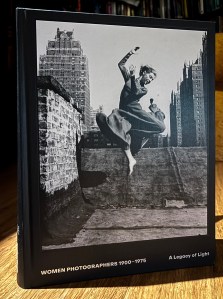 Even after three visits, I found more to discover in Women Photographers 1900–1975: A Legacy of Light at the National Gallery of Victoria (finished 3 May 2026) and gladly paid for the hardbound catalogue. It features 82 photographers from the collection, including 24 Australians; Olive Cotton, Maggie Diaz, Sue Ford, Virginia Fraser, Heather George, Viva Gibb, Christine Godden, Fiona Hall, Ponch Hawkes, Ruth Hollick, Dorothy Izard, Carol Jerrems, Melanie Le Guay, Grace Lock, Indez McPhee, Bea Maddock, Marion Marrison, Alice Mills, Jacqueline Mitelman, May Moore, Ann Newmarch, Leonie Reisberg and Edna Walling, and Tyssen herself. To stretch the total, one might include Hedda Morrison and Peggy Silinsky who both spent time in Australia, but even then, internationals predominate at 71%. That mix reflects a collecting policy at the NGV started in 1975 by Jennie Boddington after she had toured Europe, the UK, and America.
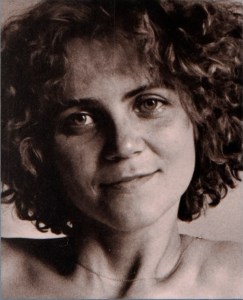
Women Photographers 1900–1975 presented a wonderful opportunity to make comparisons between Tyssen and other photographers of her era. She was born in Voorburg in the Netherlands in 1945, in the same year as Viva Gibb and Ann Newmarch, and she was a contemporary of Sue Ford (b.1943), Christine Godden (b.1947), Ponch Hawkes (b.1946), Carol Jerrems (b.1949), Melanie Le Guay and Marion Marrison (both b.1951). Most of the internationals exhibited were much older, but Americans Eve Sonneman (b.1946) and Peggy Silinsky (b.1952) whom Tyssen photographed in Chicago in 1976 and who visited and taught in Australia where she mentored Leonie Reisberg, can also be counted as her peers.
I have just written the Wikipedia entry for Tyssen, being astonished that there wasn’t one, and there you can read detail that I may skim over here because I want to concentrate on her progression toward being able to represent that migrant condition. Her parents were photographers, and no doubt it was they who encouraged her to photograph while, aged about thirty, she took a break from her nursing and midwifery (a calling in which she was active throughout her life) to travel through New Guinea, Europe and Africa, but it was her contact with John Williams the Sydney photographer and historian , and his ” love and passion for the history [and] traditions of photography within a political and cultural setting” that truly inspired her. Looking back, in 2000 she wrote:
My interest in photography arose from documenting my travels in New Guinea, Europe and Africa in the early 1970s. After returning to Australia in 1973, I became increasingly frustrated with my photographs, which appeared to capture and express far less than I was able to perceive. Mistakenly believing that the problem could be solved by improved technical skills, I searched for a course that would help me address this issue.
In the 1970s there was little choice – the only courses available were either full-time professional photography courses or the one art course offered at Prahran College of Advanced Education in Melbourne. Camera clubs and salons were fairly dogmatic in their approach to photography and, for the most part, took unkindly to anybody who challenged their conventions. In Sydney, the two most promising alternatives on offer were Peter Gabelle’s newly established gallery and workshop at Bondi, and the WEA (Workers’ Education Association) course on the history and traditions of photography. One offered technical skills and the other an insight into the medium. By means of a fortuitous set of circumstances, I finally decided upon the WEA course.
It was there that I met John Williams, who later became head of the Photography Department at Sydney College for the Arts. His love and passion for history presented the traditions of photography within a political and cultural setting, which was both stimulating and inspiring. The discussions and debate he generated and his focus on photography’s potential as a medium for expression was inspirational. This opened up new possibilities to those of us who wanted to photograph.’ At this time there were limited opportunities for viewing exhibitions and there were few publications of Australian photography – and the situation was even more restricted for those contemporary photographers seeking public exposure for their work.
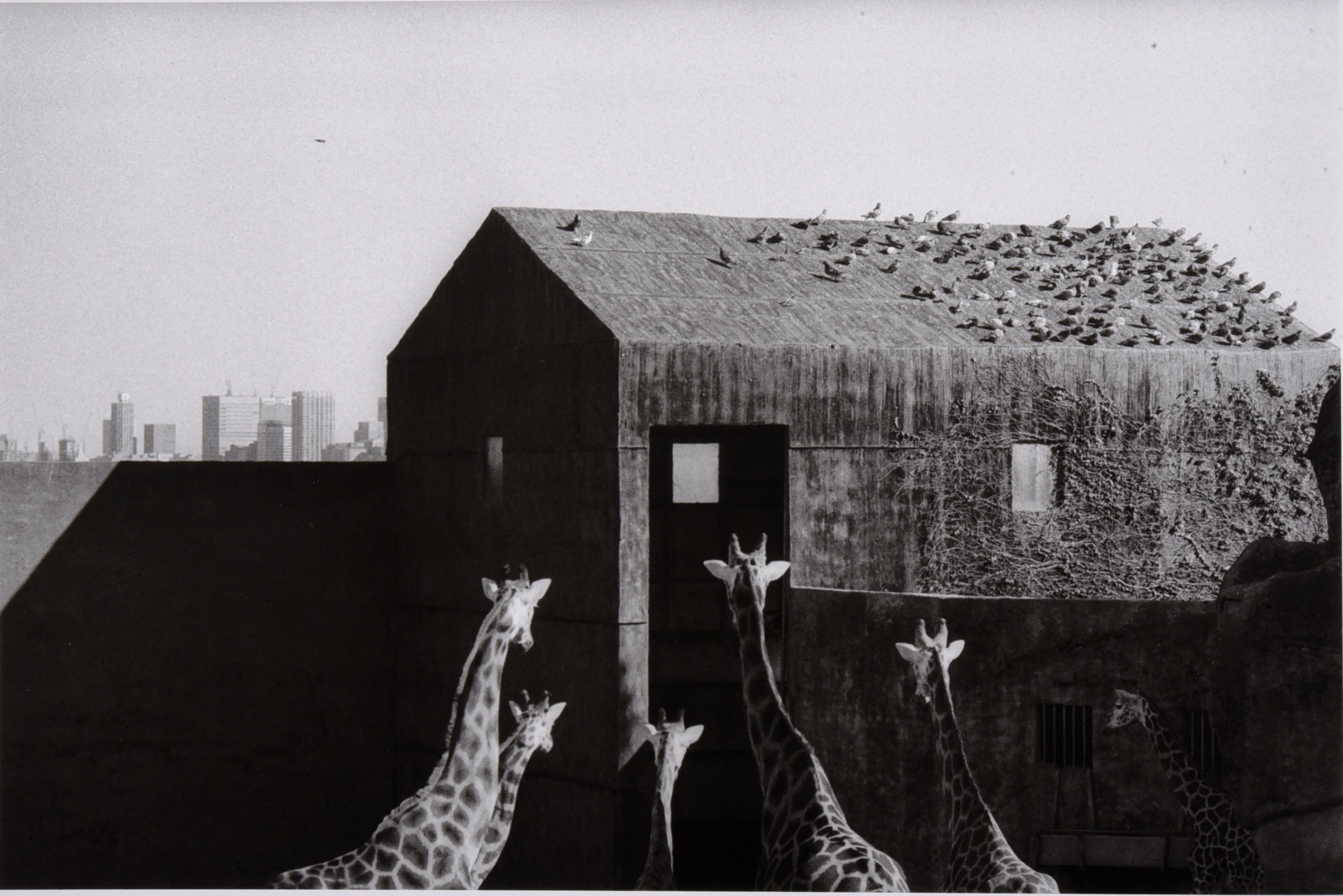
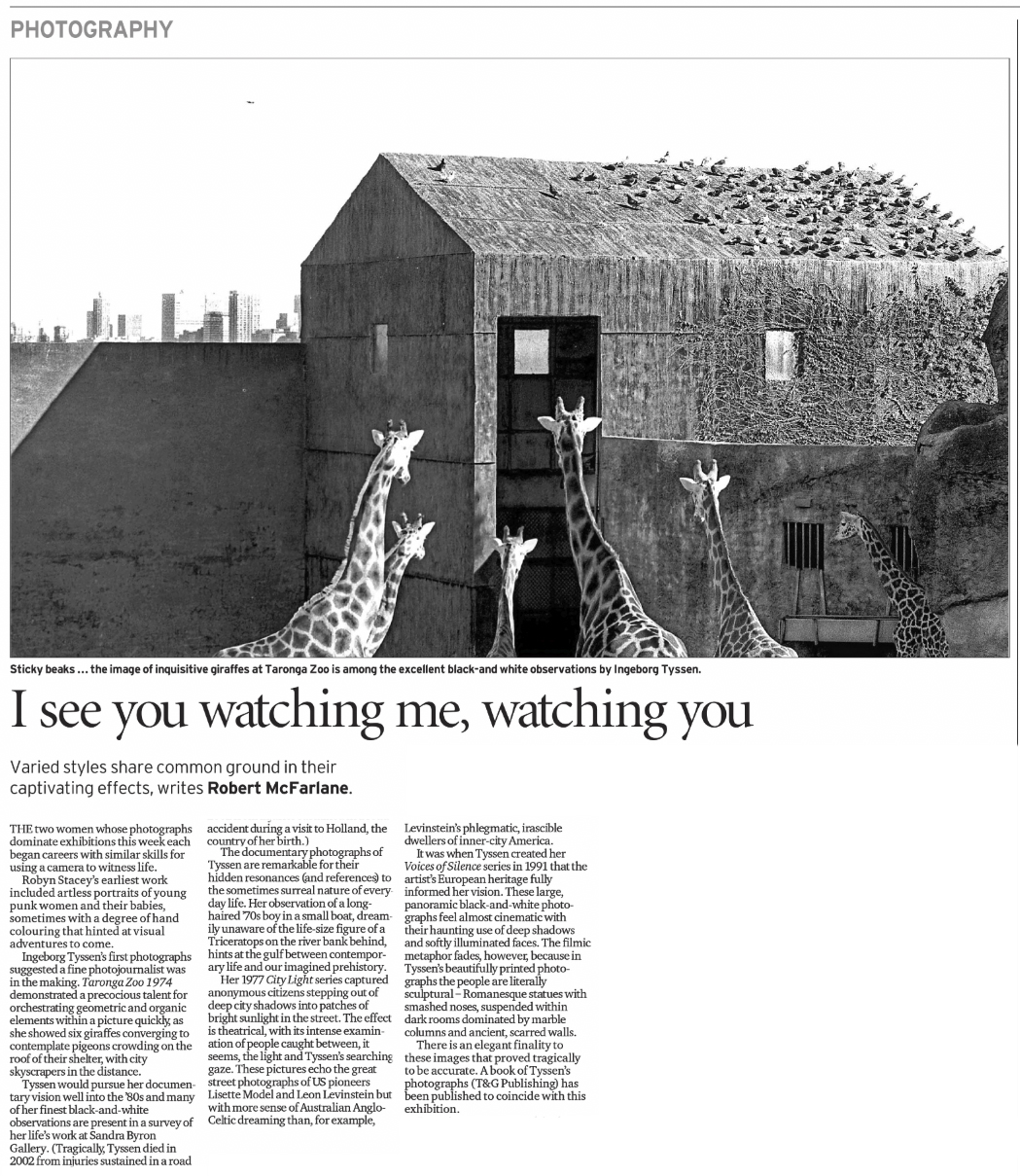
Tyssen’s early Toronga Zoo (1974) continued to attract critic Robert McFarlane’s admiration, even as late as in 2006:
Her well-known 1974 photograph of six Taronga Park giraffes straining their necks to see beyond a roof full of birds is as neat a piece of observation as you could find. It is a picture that has invited imitation, but never been bettered.
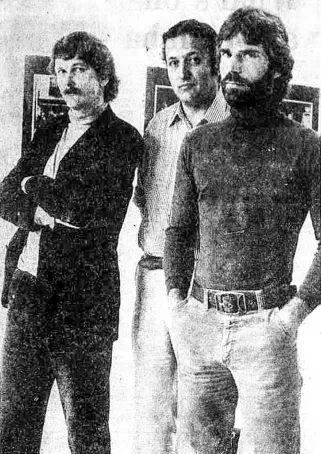
Williams and Tyssen became partners and in 1975 relocated for a time in Melbourne where they established The Photographers’ Gallery and Workshop wth the Prahran College lecturer Paul Cox and his student Rod McNicol. The Age article announcing its opening with Paul Cox’s show Still Lives From Nepal quotes him saying that after a recent trip back to Europe he found that the standard of top-class photographers seems every bit as good in Australia:
Things have changed. Ten years ago Australia was a photographic desert. If you you said you were a photographer people would ask “do you do weddings or do you go to balls?” There was practically nothing for the creative photographer. But now there’s a tremendous upsurge of interest. Even though, the gallery is scarcely open we’ve had many inquiries from people wanting to exhibit here.” Anne Latreille’s article notes that Williams had moved to Melbourne “to manage the gallery
There is no mention of their co-founder Tyssen, perhaps due to sensitivities about his existing marriage to Rosemary Simpson from whom he divorced in 1974; Tyssen and Williams weren’t to marry until 1978.
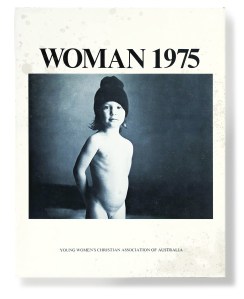 It was in Melbourne that Tyssen and Williams both made street photographs and hers represent her first recognition as a photographer. Her work was included in Woman 1975 that marked International Women’s Year, and she met National Gallery of Victoria curator Jennie Boddington, who included her images in “Wimmin” Six Australian Women Photographers; alongside Marion Hardman, Melanie Nunn, Fiona Hall, Melanie Le Guay, and Jacqueline Mitelman.
In the June 1975 issue of Australian Photography in an article entitled ‘In search of man’, Tyssen commented on the street photography: “Whenever possible I carry a loaded camera … I react without too much thought. Rarely do I wait for a situation to resolve itself. Nor do I direct or provoke people. The important aspects are composition, texture and light.”
It was Tyssen’s own ability to ‘withdraw’, to become invisible to the pedestrians she photographed that brought her success in the genre, but in a sense she was disposed to that position, as a migrant and outsider; she spoke of having been ‘transported’ from her beloved Holland.
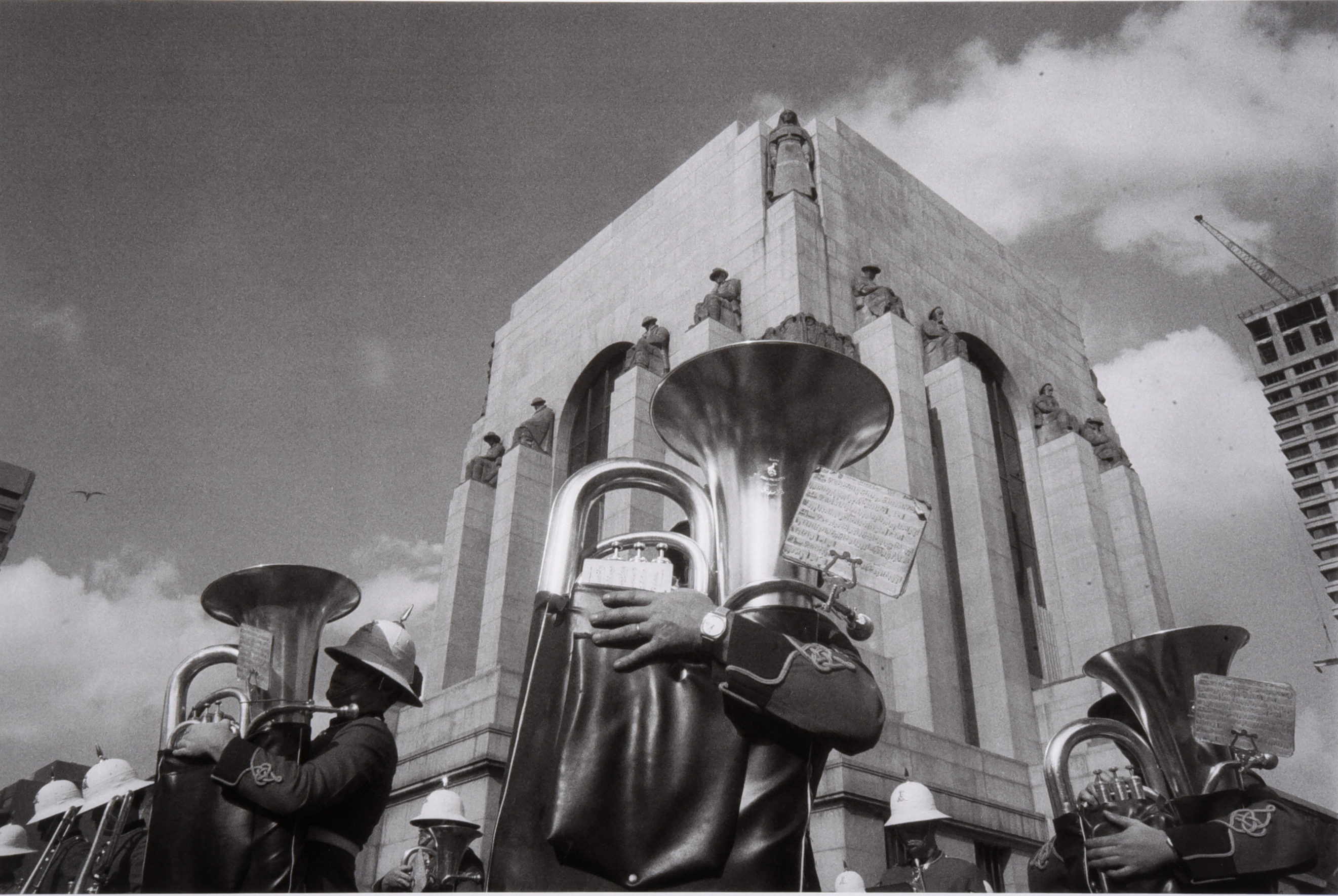
Another of her earliest works is from a 1974 series made at ANZAC Day in Sydney and it typifies the edge-to-edge construction of composition that she developed so early. By crouching low and using a wide-angle lens she concertinas space so the faceless band members are set against the equally anonymous sculpted soldier figures on the memorial, but reminds us that this historical remembrance takes place in a contemporary world of skyscrapers.
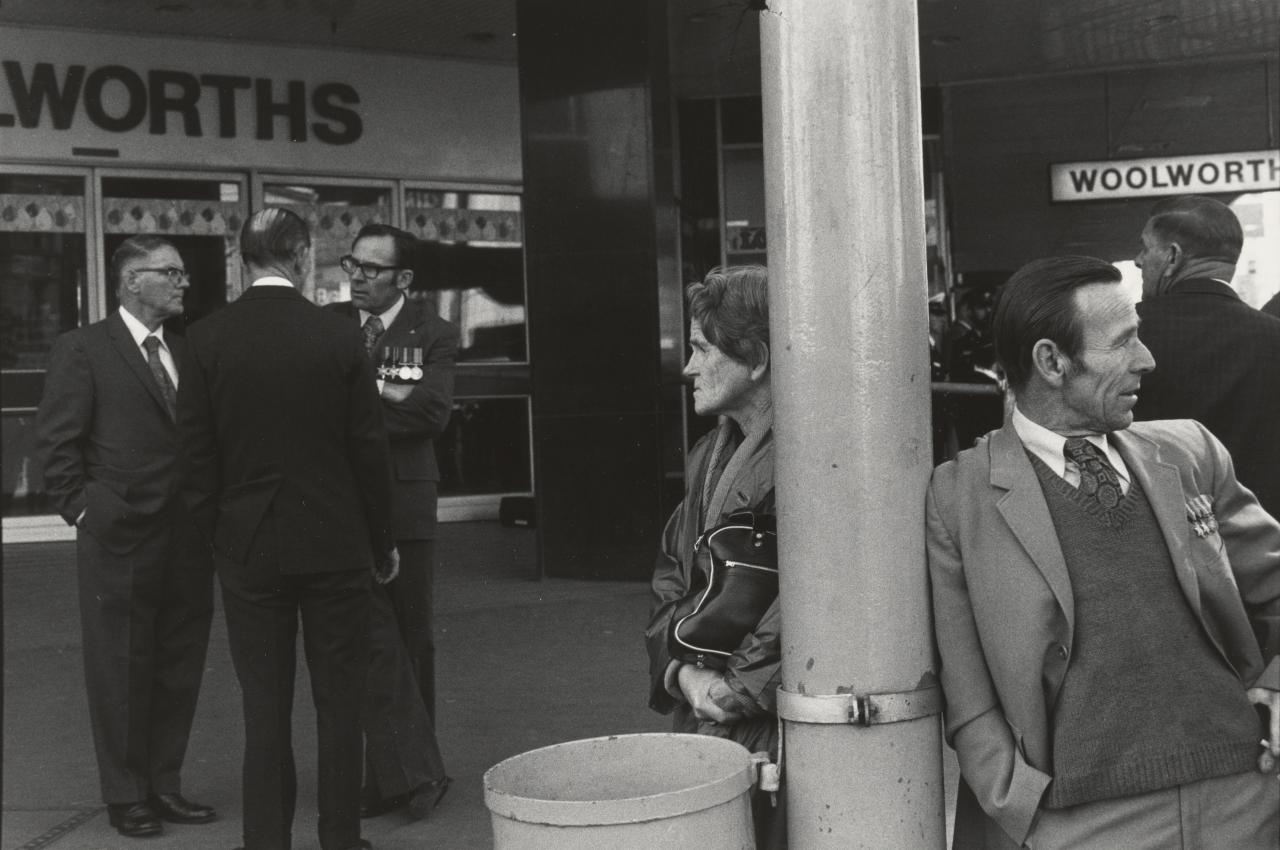
Back down to earth in Melbourne’s ANZAC Day she observes a sole woman, ignored by masculine comrades, and frames one group as ‘worthies’ by truncating a supermarket sign.
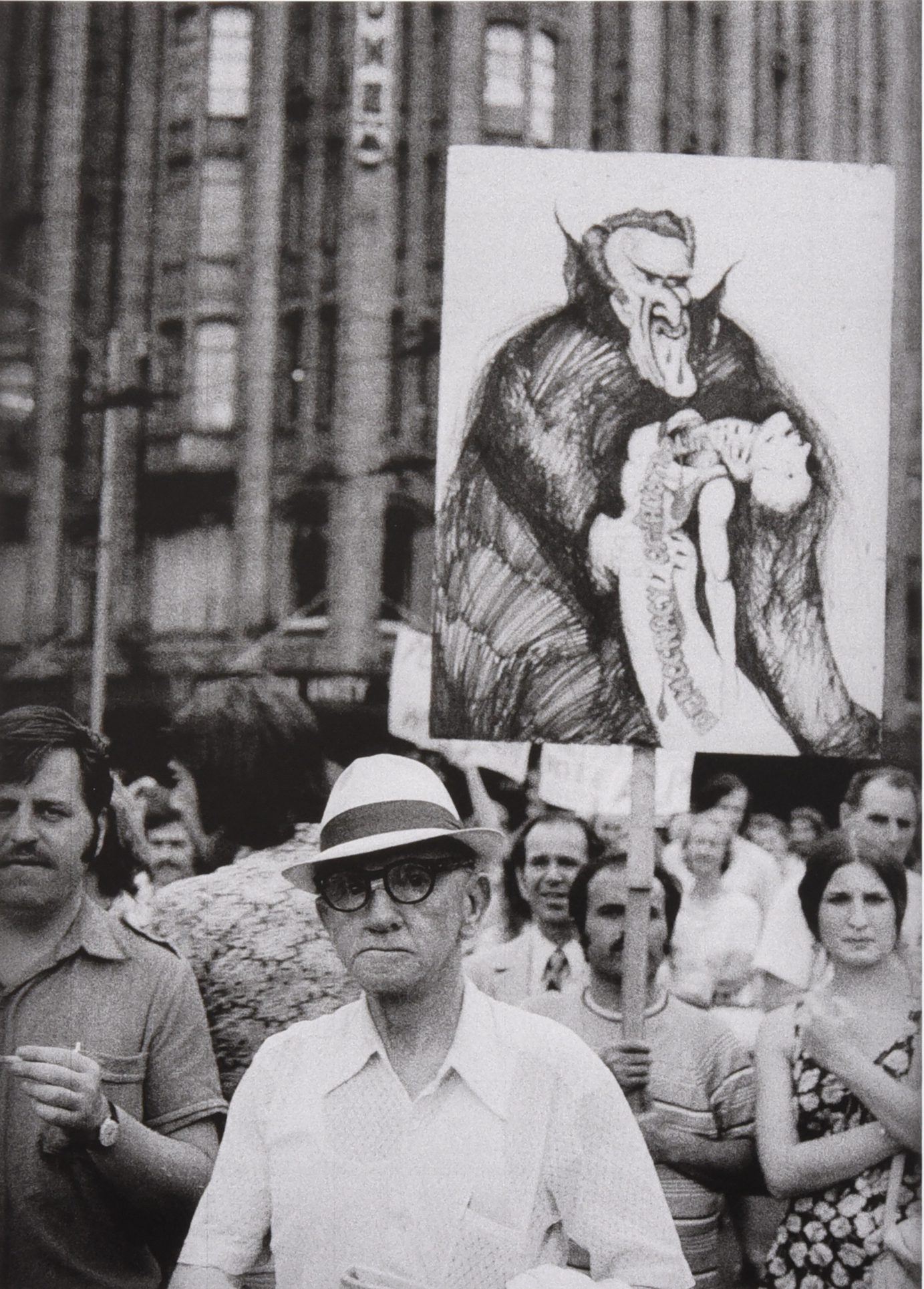
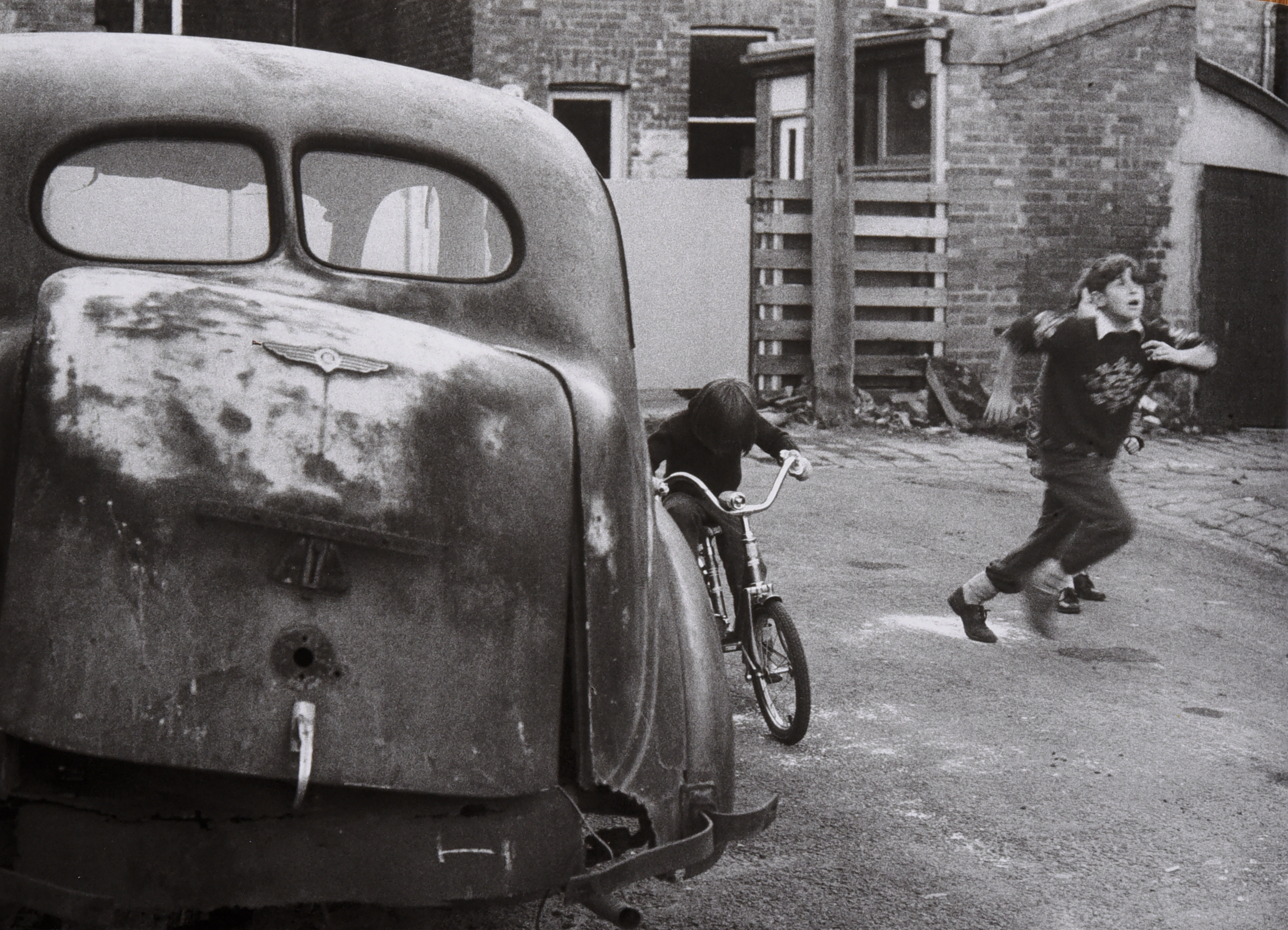
During protests over the dismissal and on the lookout for other ‘self-captioning’ images she sets the caricature of Malcolm Fraser above the grim and angry faces of the protesting crowd. Other photographs she took while in Melbourne concentrate on inner suburbia and working class subjects, discovering grace, beauty and humanity in gritty environments an in the faces of ordinary people.
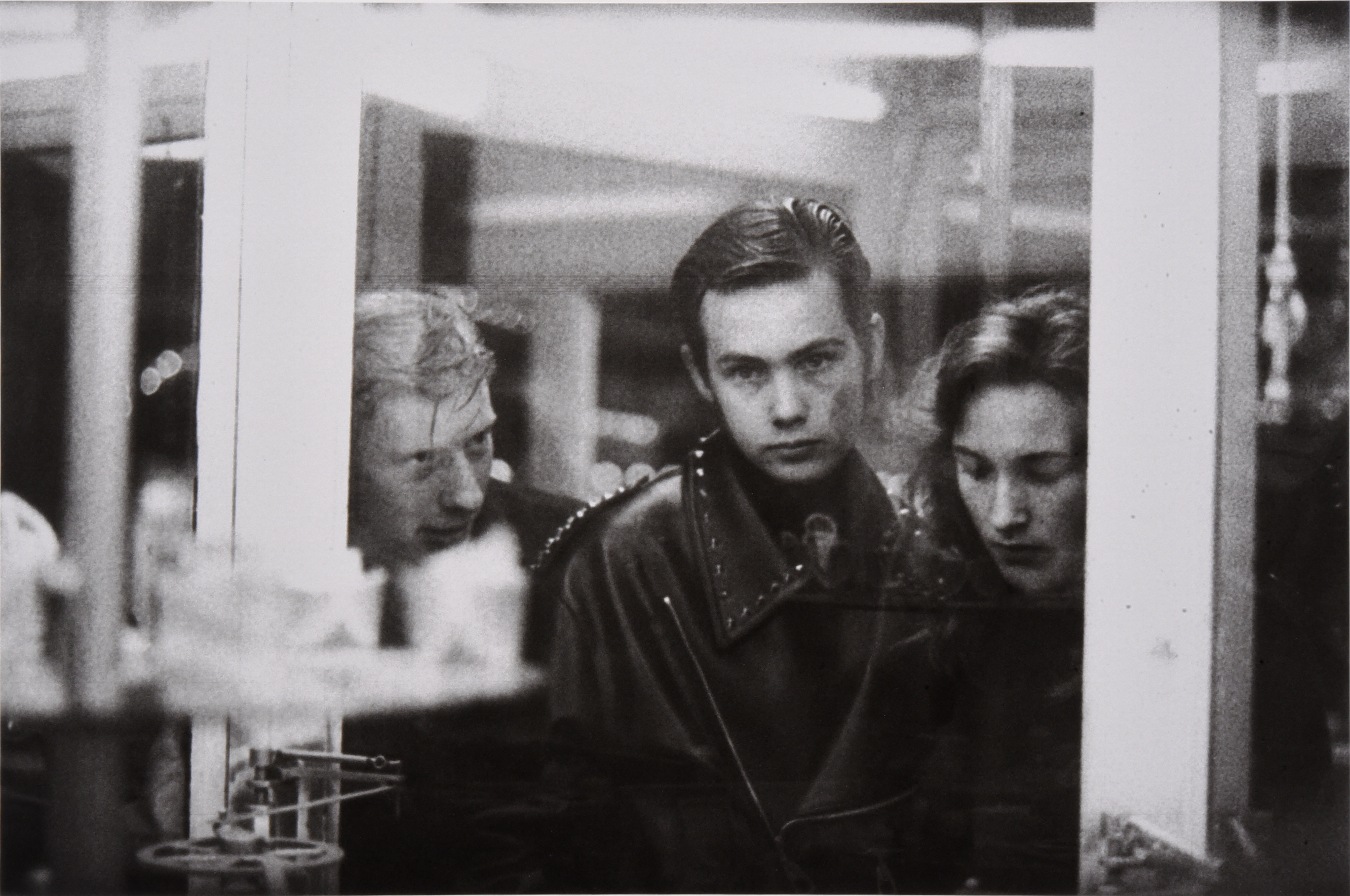
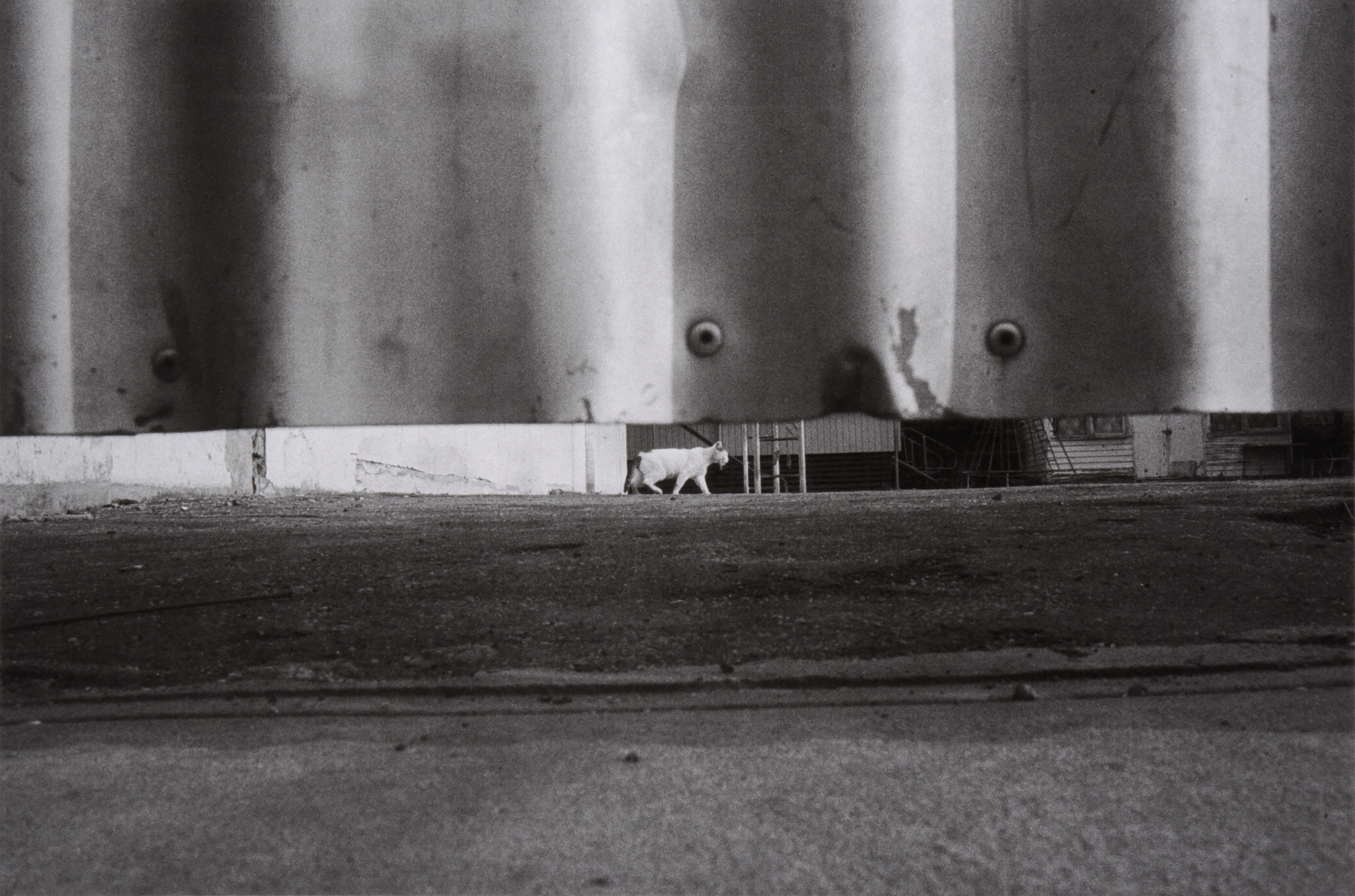
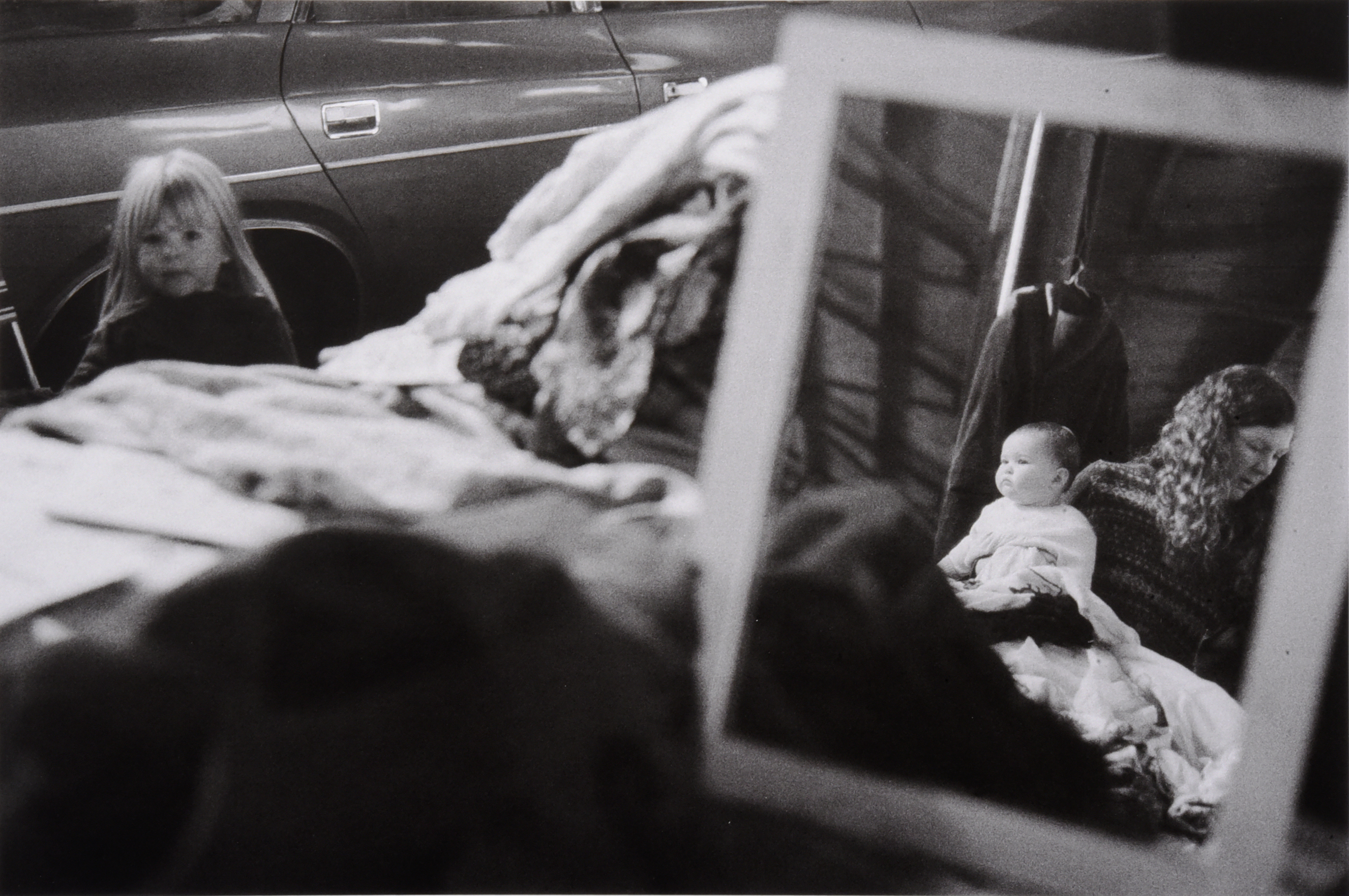
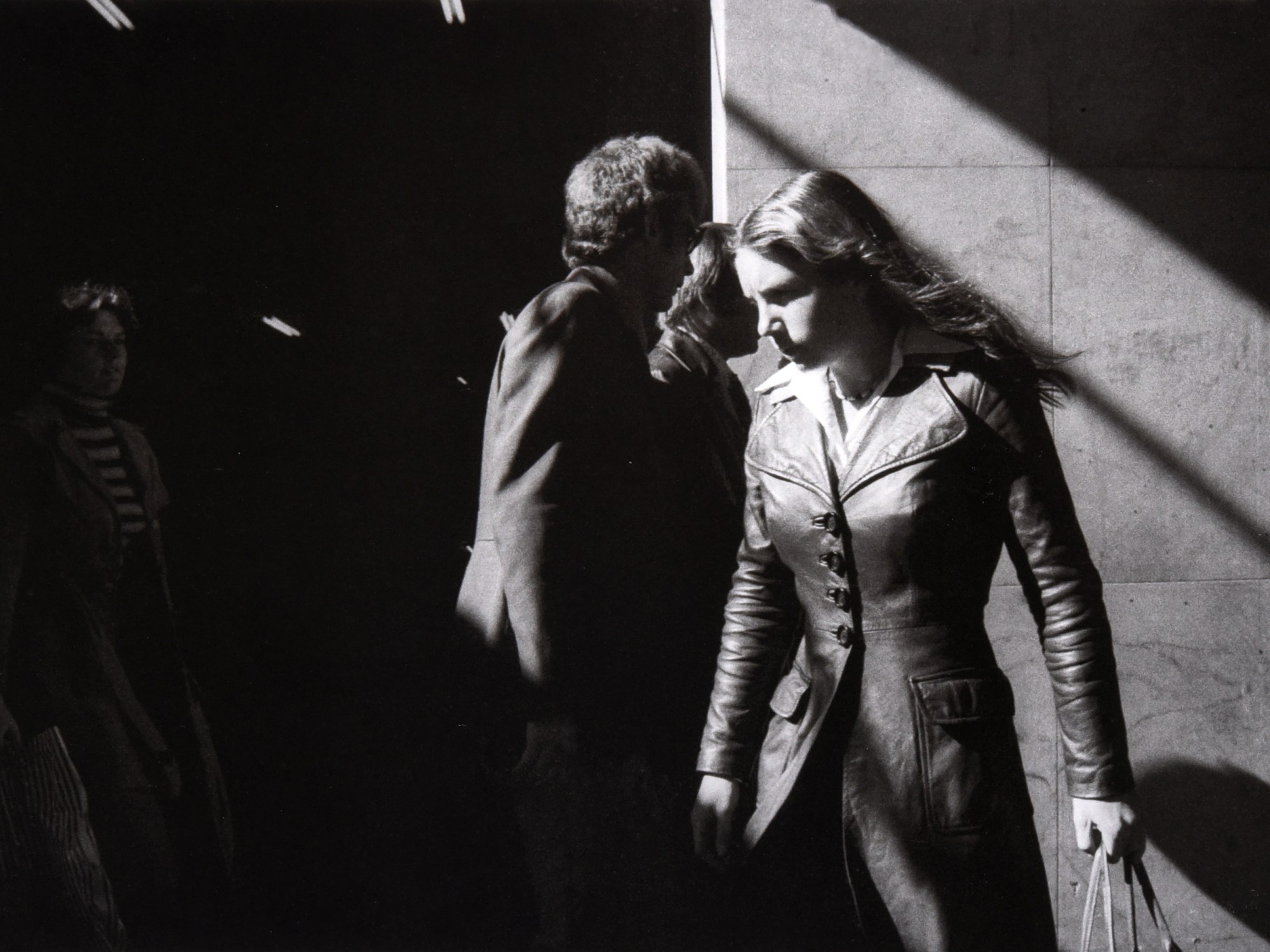
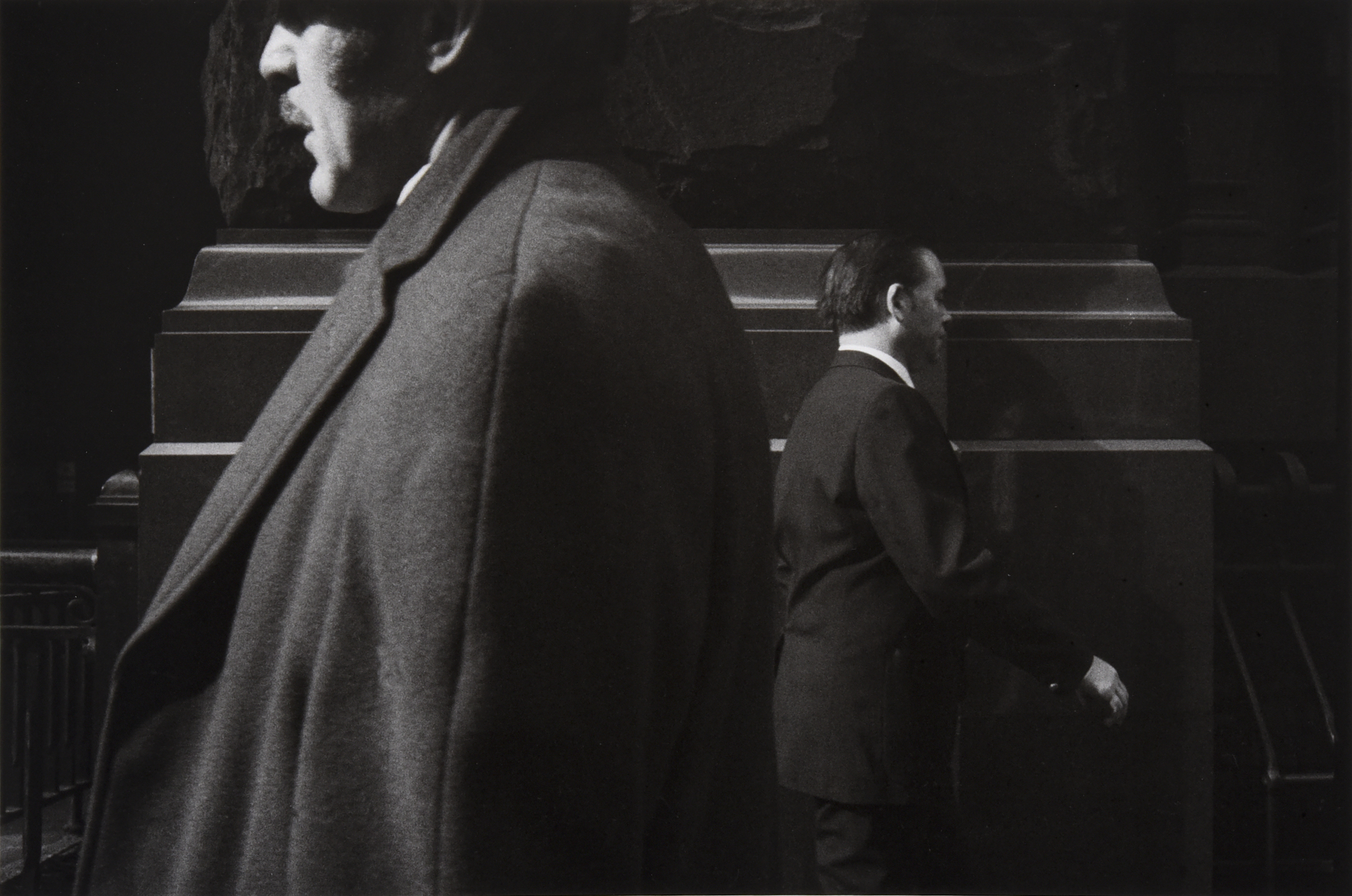
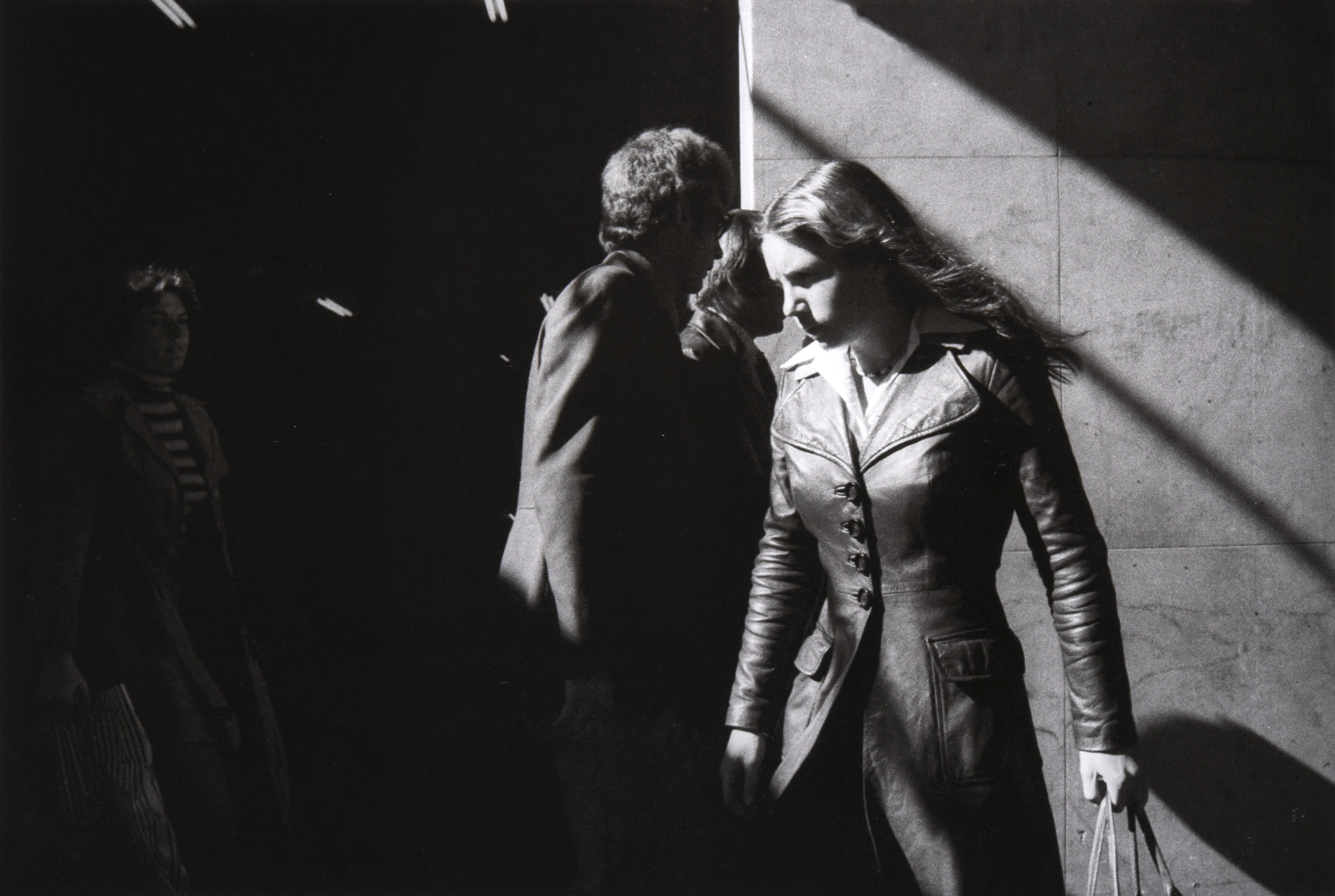
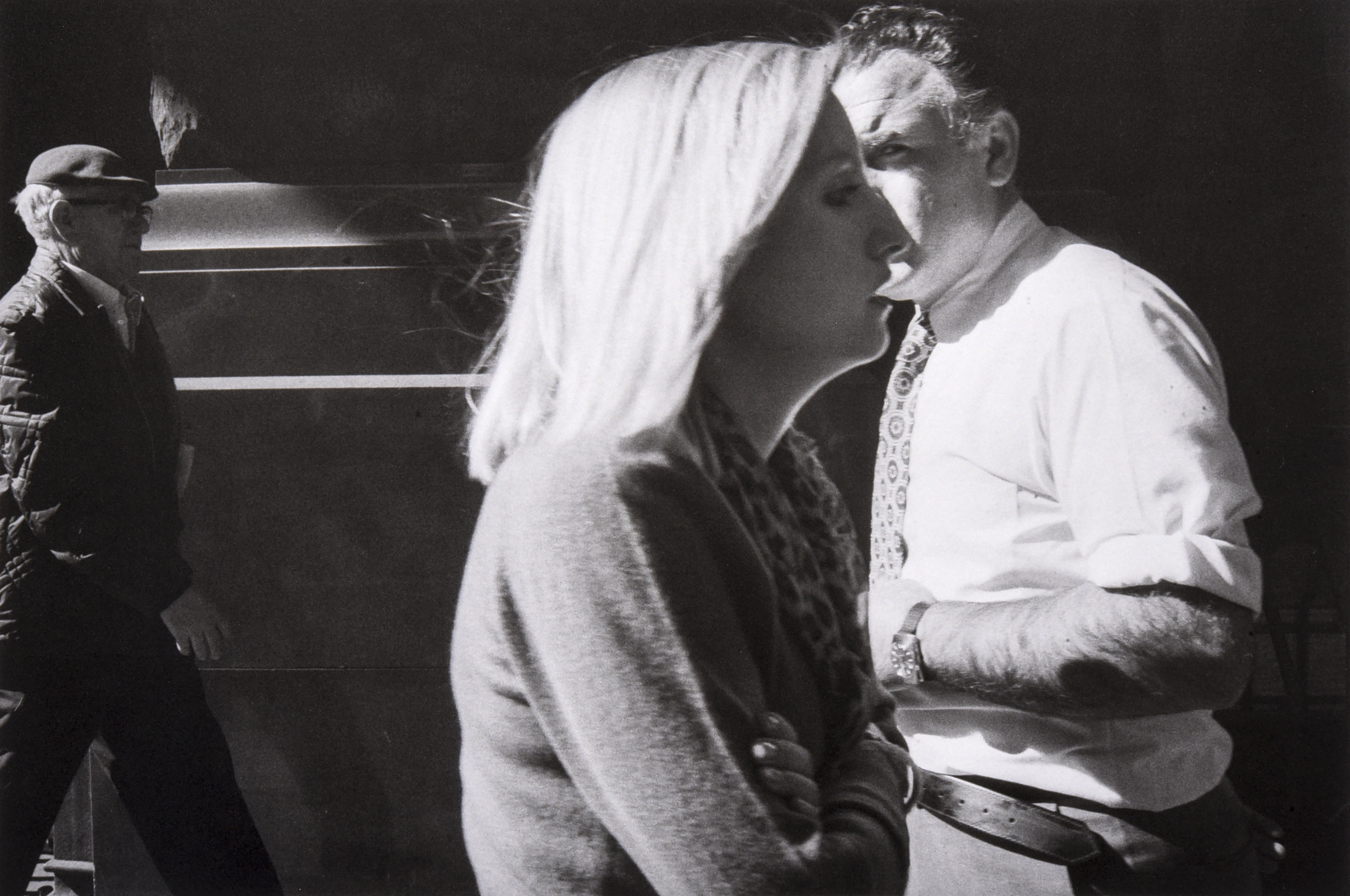
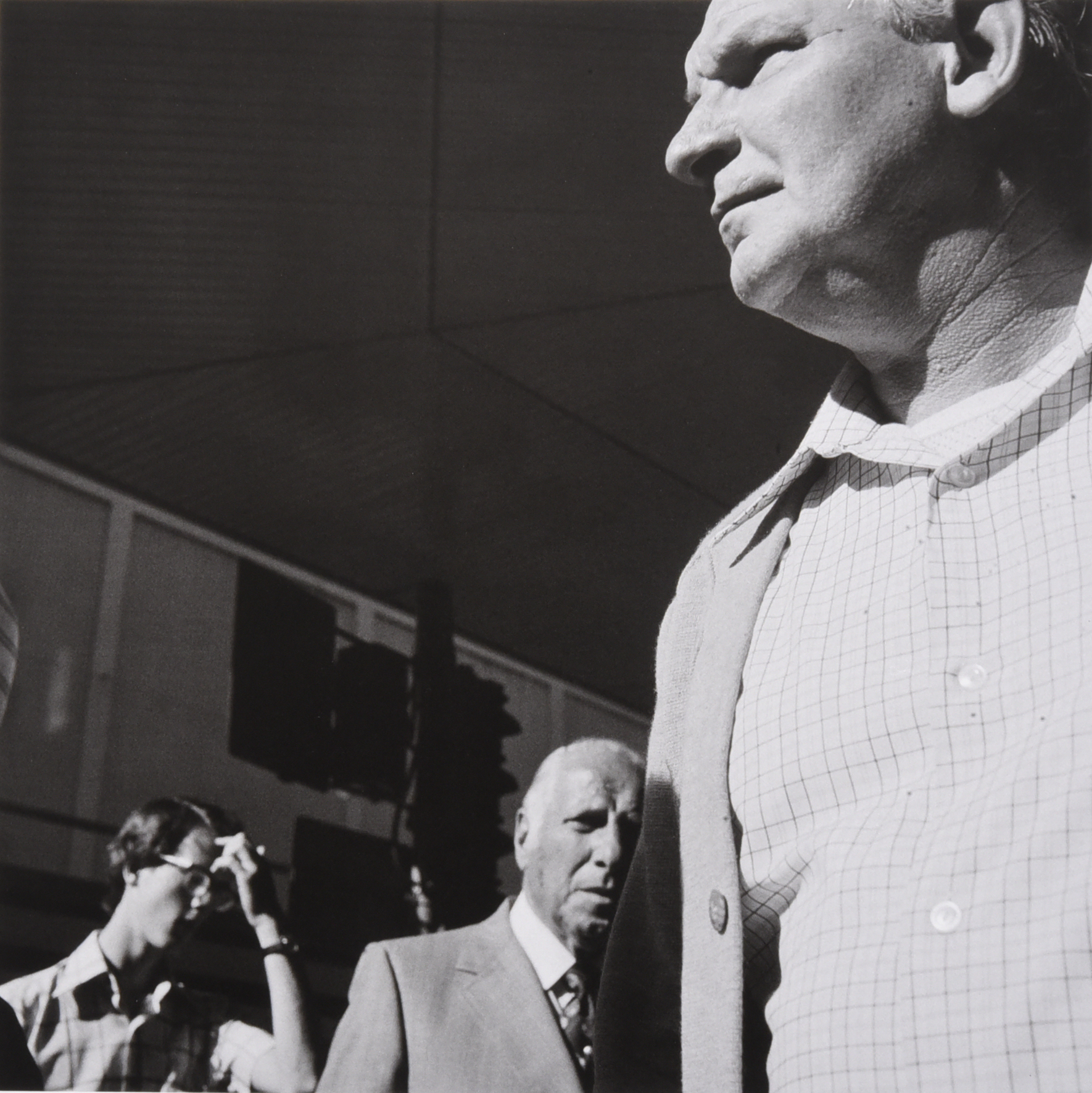
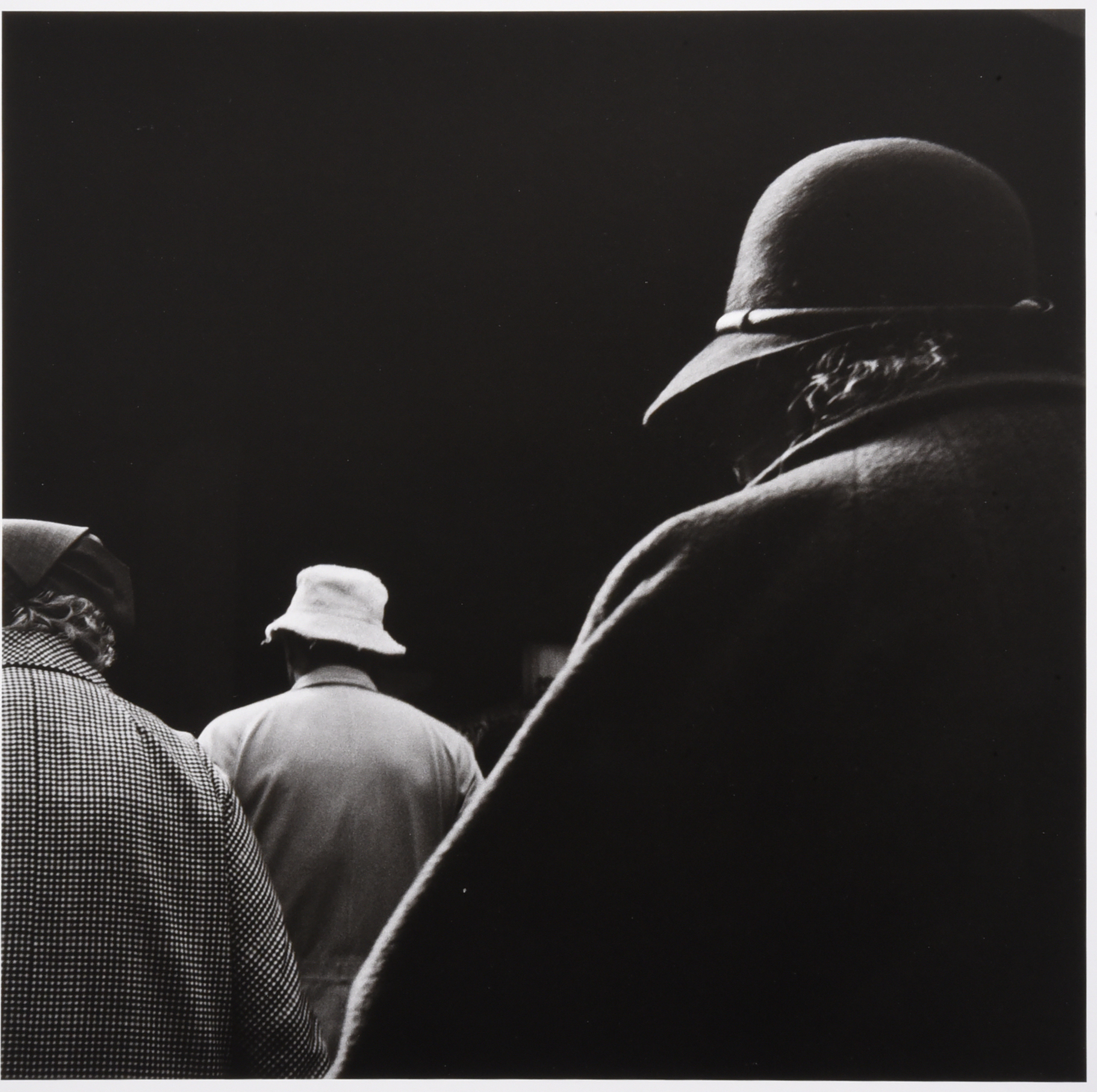
Having returned to Sydney Tyssen concentrated over 1977-79 on the starkness of sunlit city streets, and their rushing crowds in which the individual is shown insulated and detached from their fellows, each occupying an inscrutable inner world as they brush past the others. It’s clear that she stakes out certain locations that provide dark shadows and black voids against which she can set human figures, as on a stage, to play out their drama. Anne O’Hehir notes Tyssen’s comment on the isolation and dislocation experienced by many in contemporary urban society: “man’s survival and sanity depend on his ability to withdraw to some extent,” and observes how;
individuals on the street emerge out of an impenetrable darkness into an isolating light. Rarely do they catch the eye of the photographer or other people in the street, even if walking in very close proximity. The repetition of the motif through the series builds to make the point that shutting down is something that we do, we are all in the same boat together: loneliness is part of the human condition, and therefore, in a paradoxical sort of way, we’re all united in our separateness.

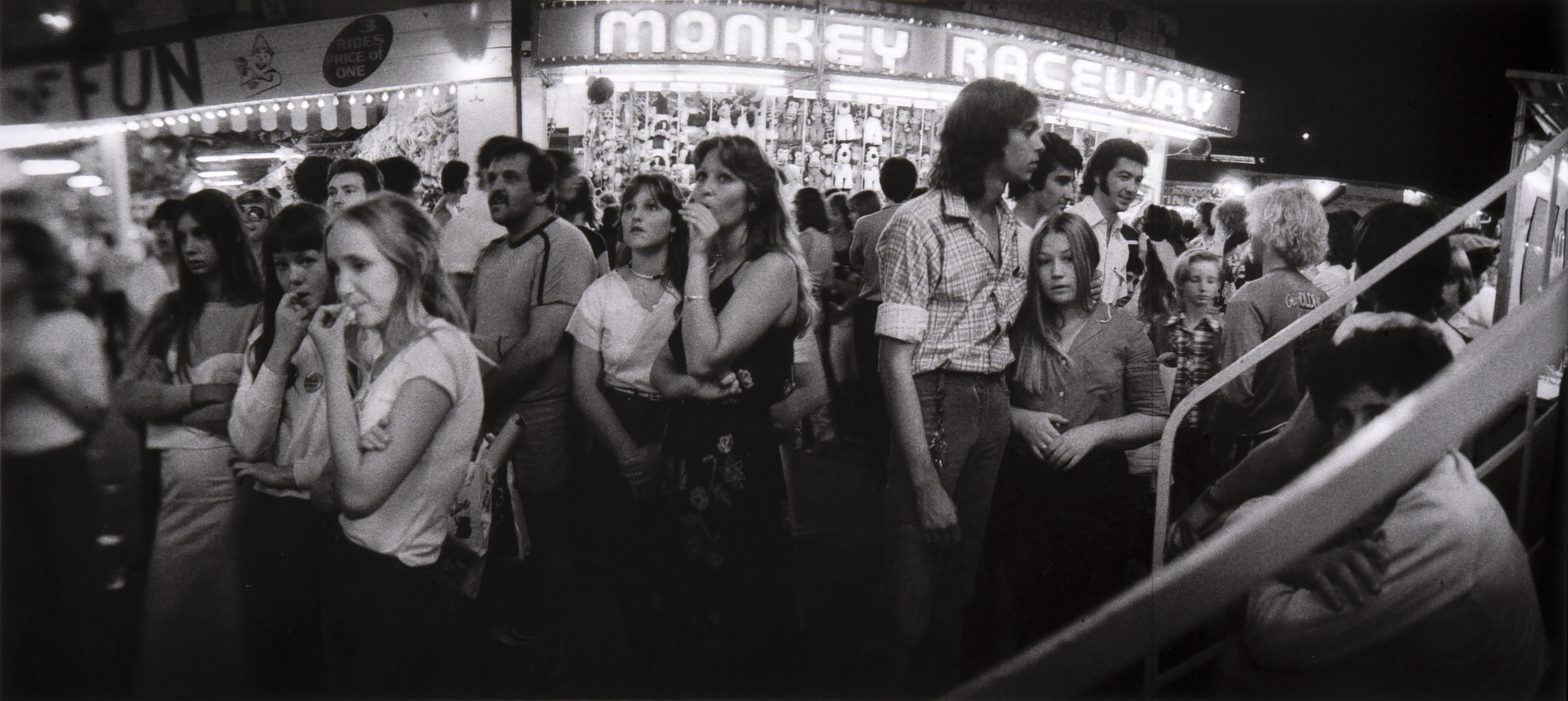
In experiments over 1981–84 with a panoramic camera at Sydney’s Royal Easter agricultural show Tyssen again finds ironic captions within the image; ‘FUN’ and ‘MONKEY RACEWAY’ and recreates, using the lens’s panoptic scope and expressionist distortion, our feelings and reactions in such overwhelming noise and dazzle that drive companions into a comforting huddle.
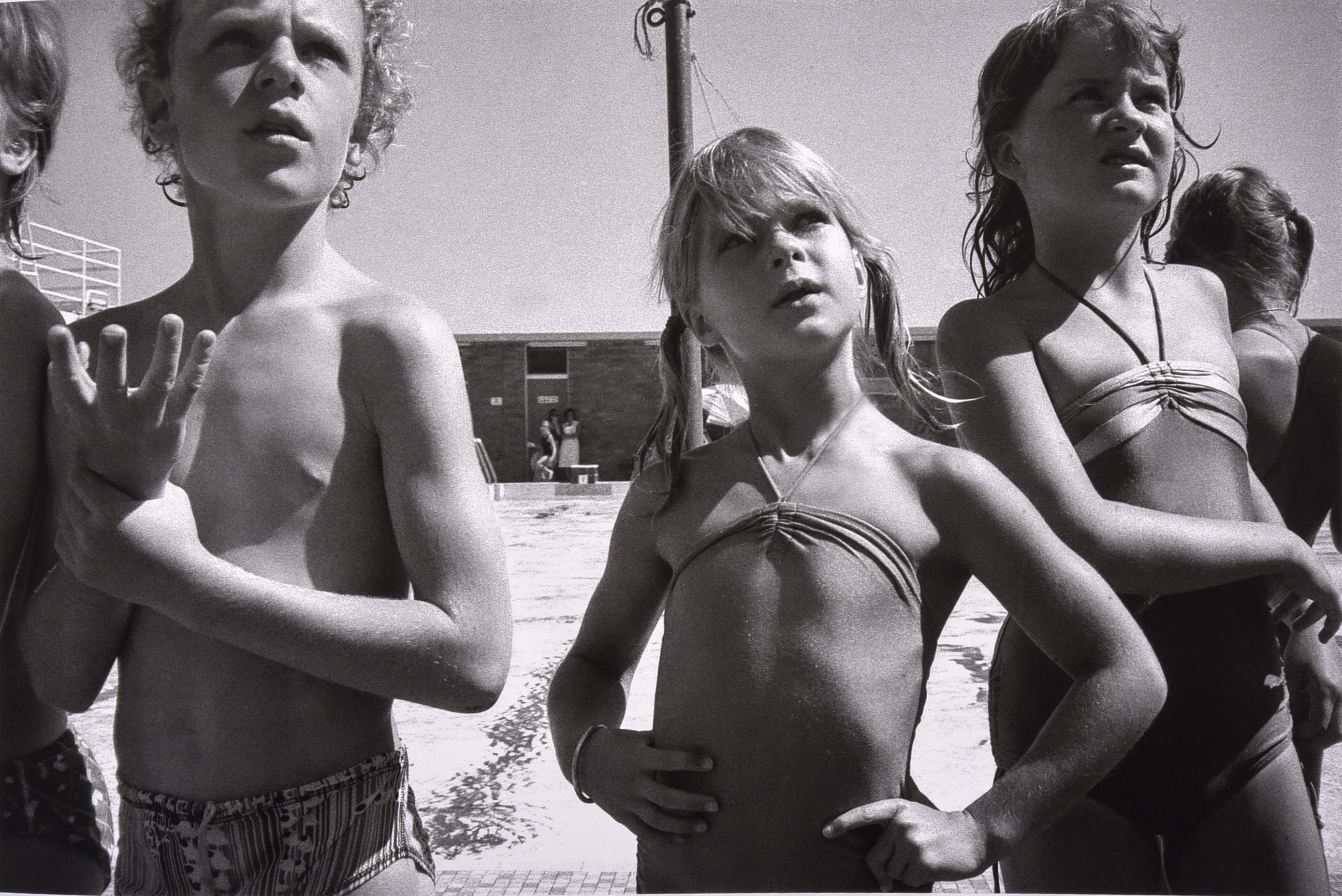
Attracted to the chaotic flow of crowds Tyssen found a positive energy at the Ryde pool where she photographed children over summer 1981. Never a parent herself, but a working midwife who witnessed over and over the phenomenal moment of birth, Tyssen when on the threshold of adolescence, had entered a country where her words were not understood and whose awareness of body language must have intensified to compensate. Childhood was a realm as far beyond her and as yearned for as her native land, so her photographs delight in rediscovering the unselfconscious bodily exuberance and joy of playing in the pool, a primal return to the watery element…
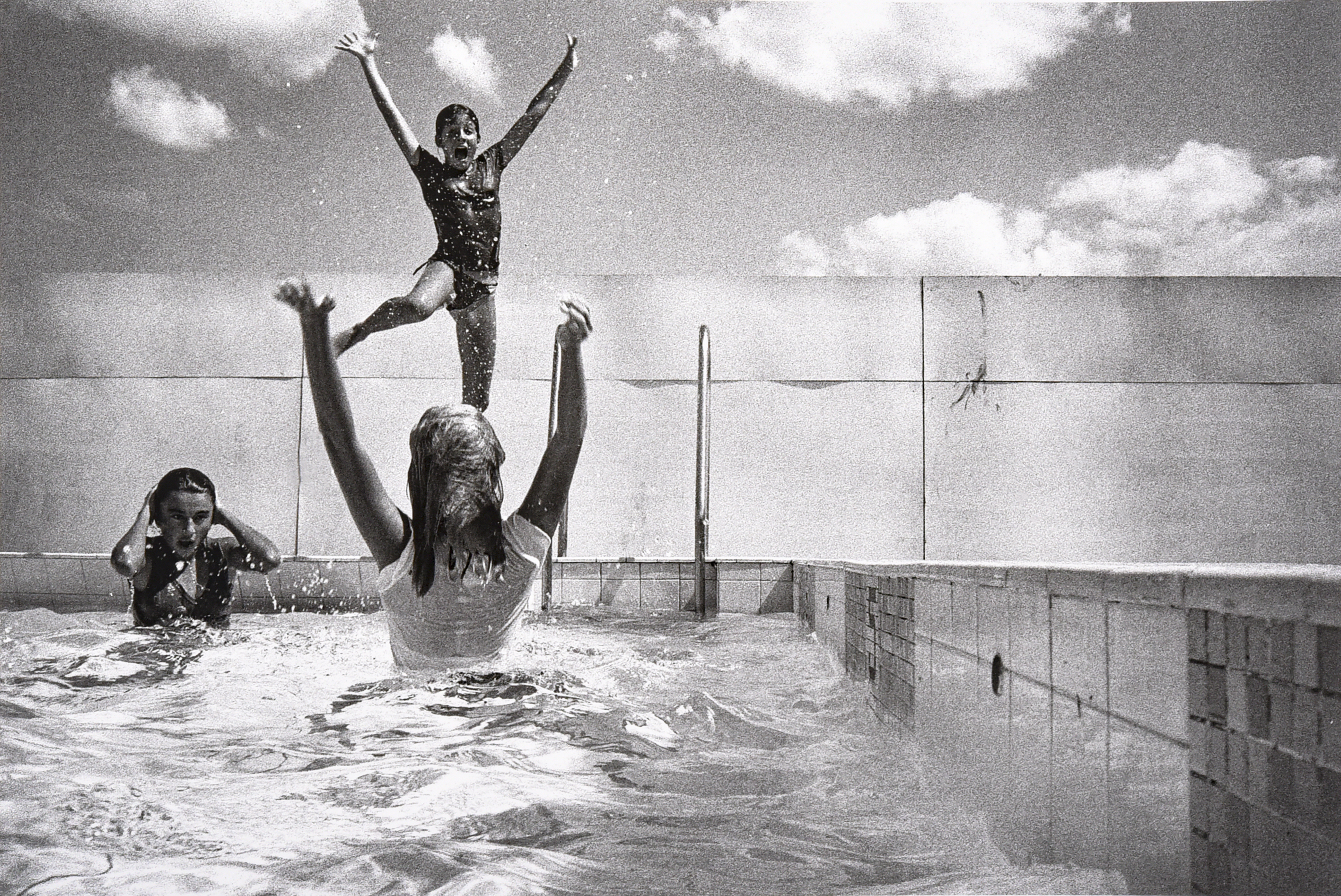
…or the rediscovery of the burden of gravity on emerging from it.

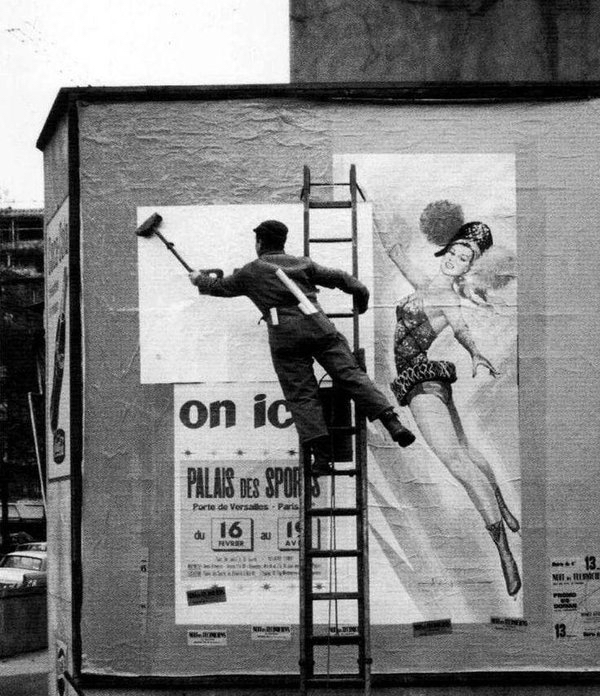
Advertising hoardings share a coincident history with photography. Designed to catch the eye in ever larger formats as accommodated by developments in lithographic printing, they appear incidentally in Charles Marville’s photographs of Paris commissioned by Baron Haussmann and in Eugene Atget’s, before photographers including Henri Cartier-Bresson, Kertesz (his famous Dubo, Dubon, Dubonnet, Paris. 1934), Paul Almasy, Walker Evans, Robert Frank, or Margaret Bourke-White, started to exploit them as a theatrical backdrop and comic or dramatic subtext in their street photography.
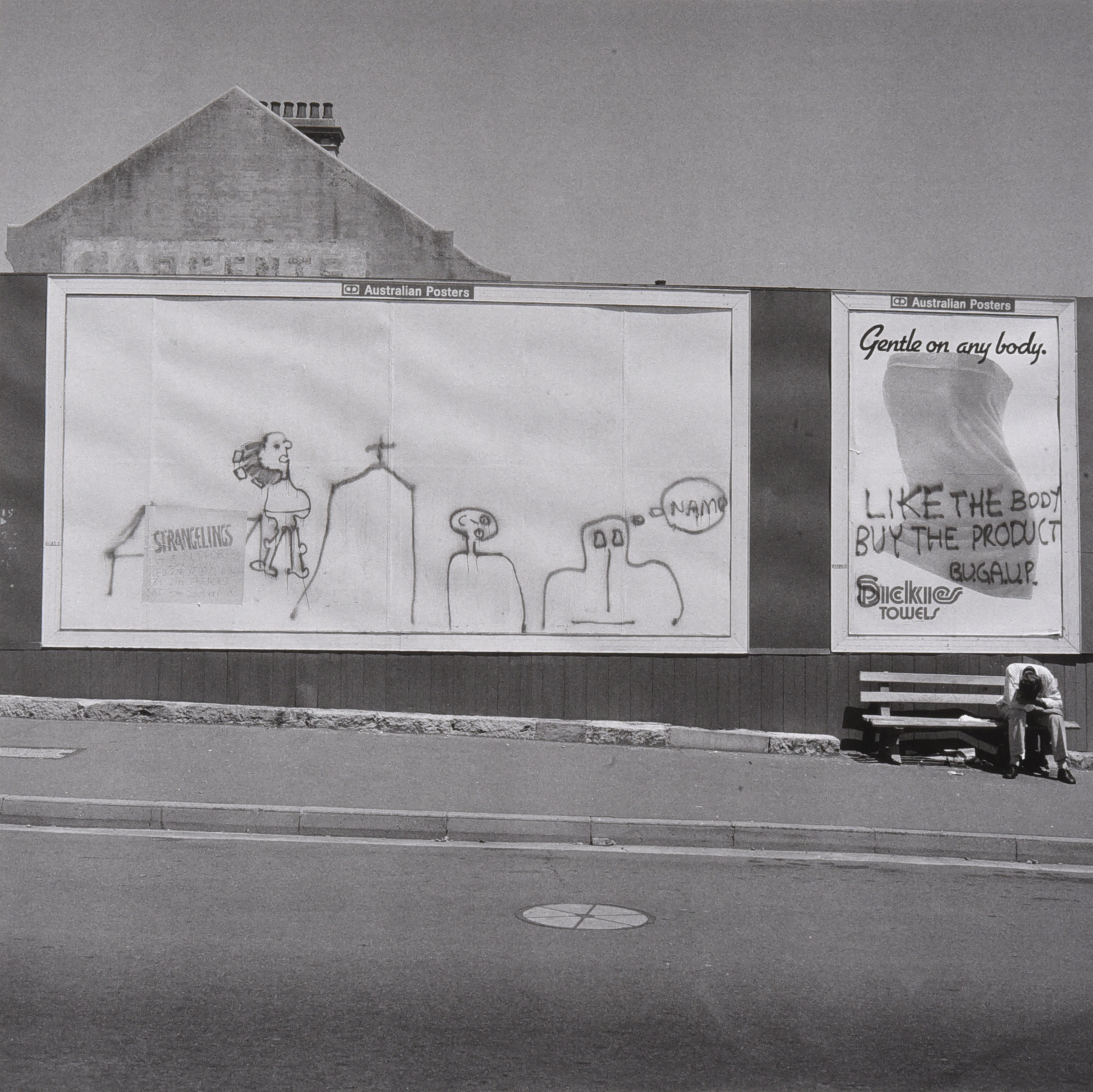
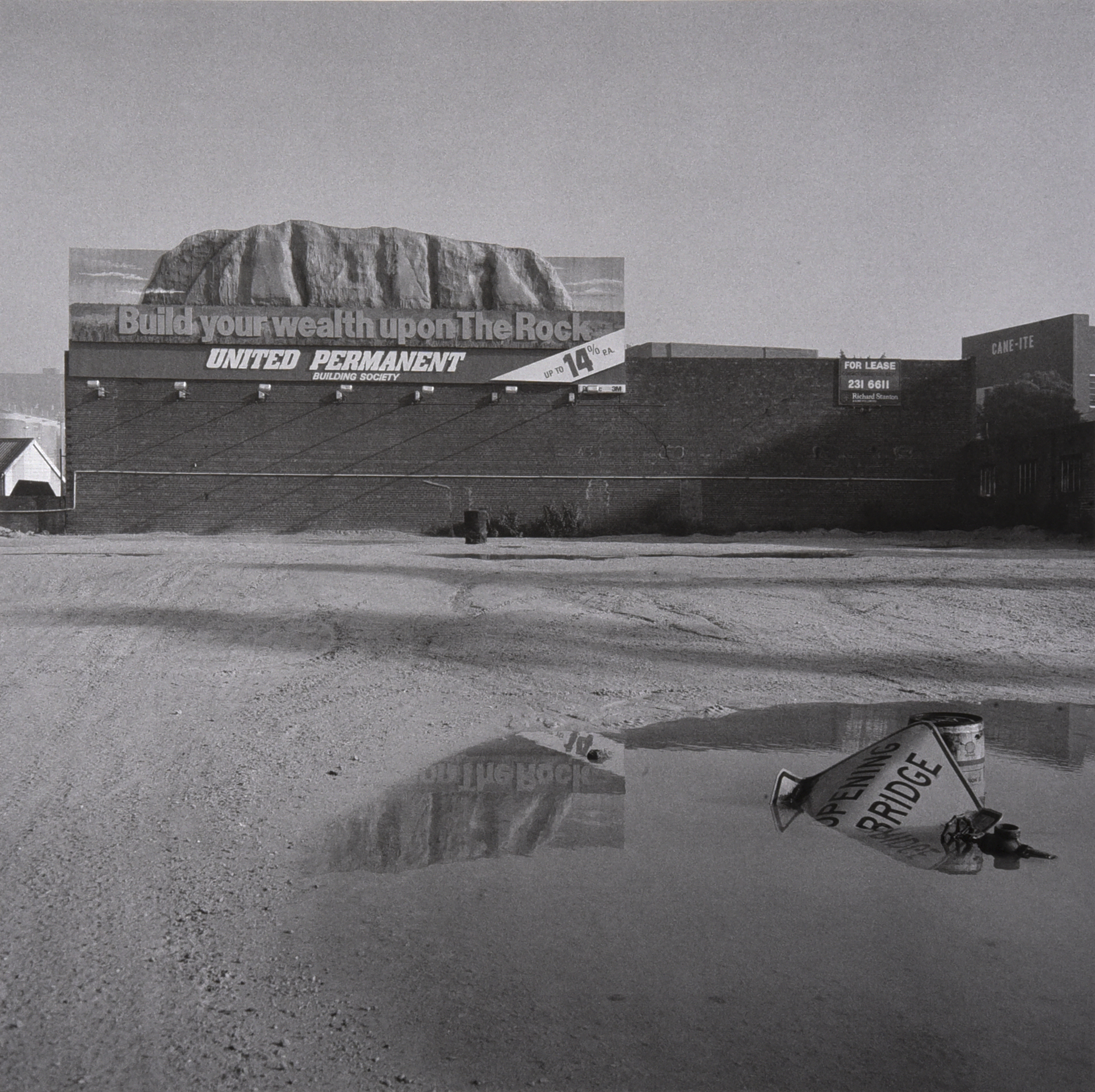
Tyssen in her Billboard series of 1981-2, sharing the ethos of the 1980s Buga-up activist graffiti artists who defaced or altered such posters, adopts a more subtle irony, and she sets discomfortingly askew the rectilinear Pop formalism practiced, with no trace of such cynicism or consciousness-raising, by her contemporary Grant Mudford, who says his pictures are “not meant to be a pictorial judgment.”
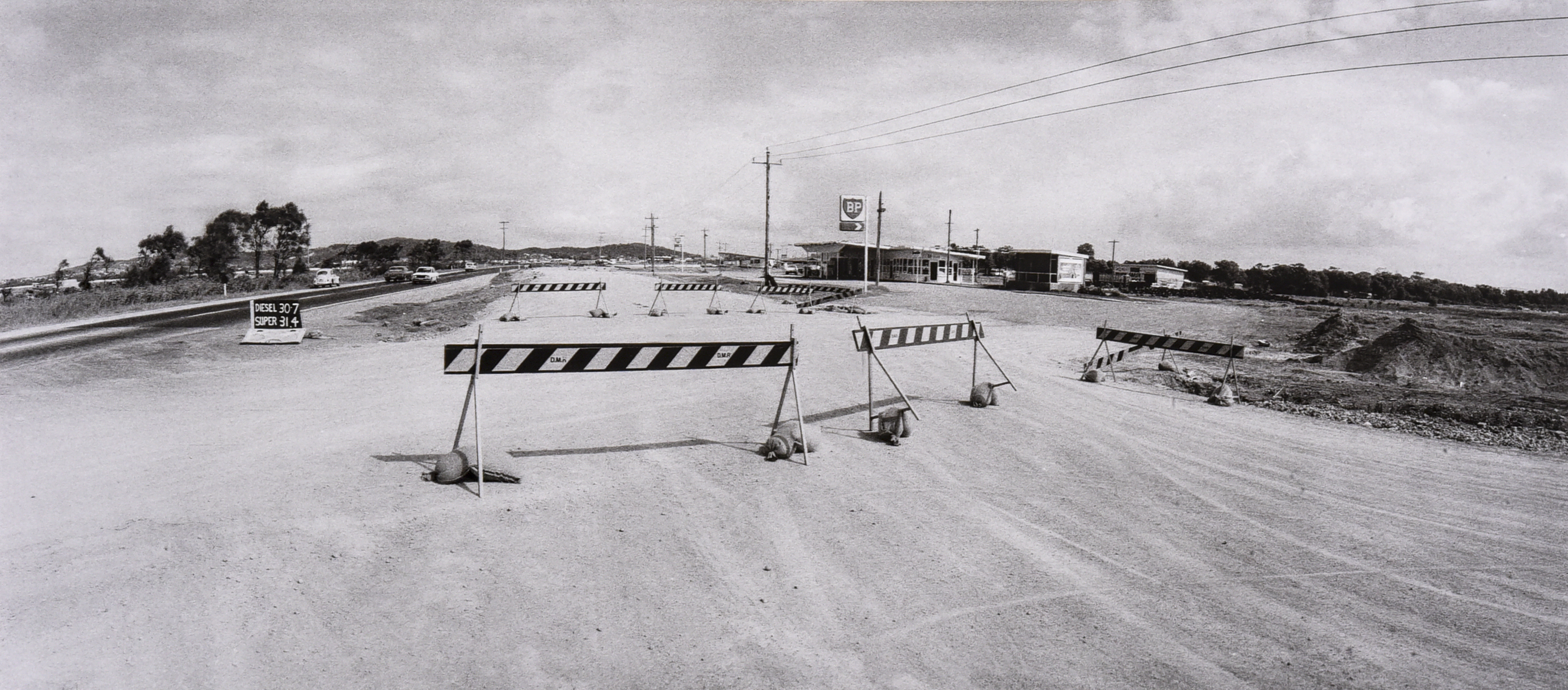
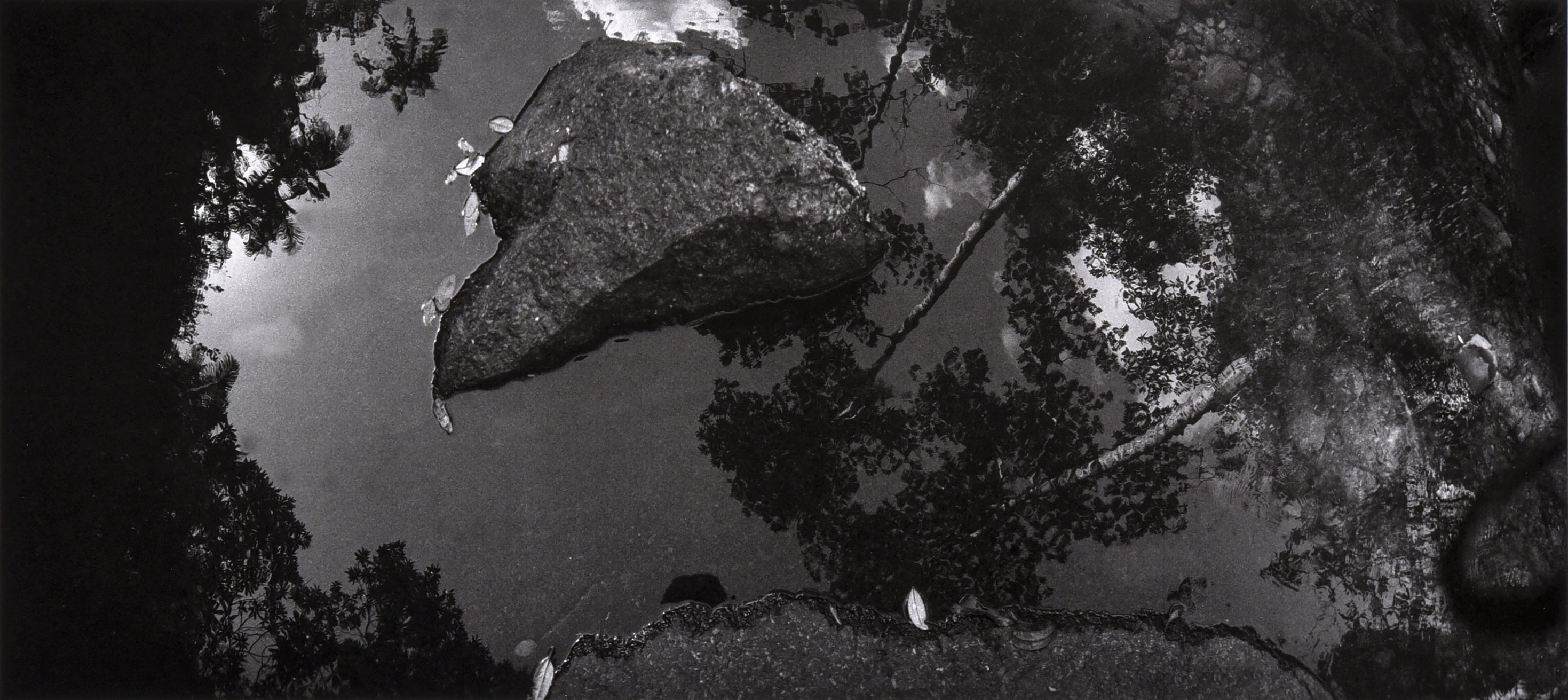
Also in the early to mid eighties Tyssen’s Widelux camera discovered new experiences of the landscape, much as the eye sees it “From the Heart of the Forest to the Edge of the Road”, in human steps on a journey toward a far horizon, evoking a sense of the epic. Human too, are the obstacles, but where nature is untouched we peer into the water to discover the sky and an infinite, floating world.
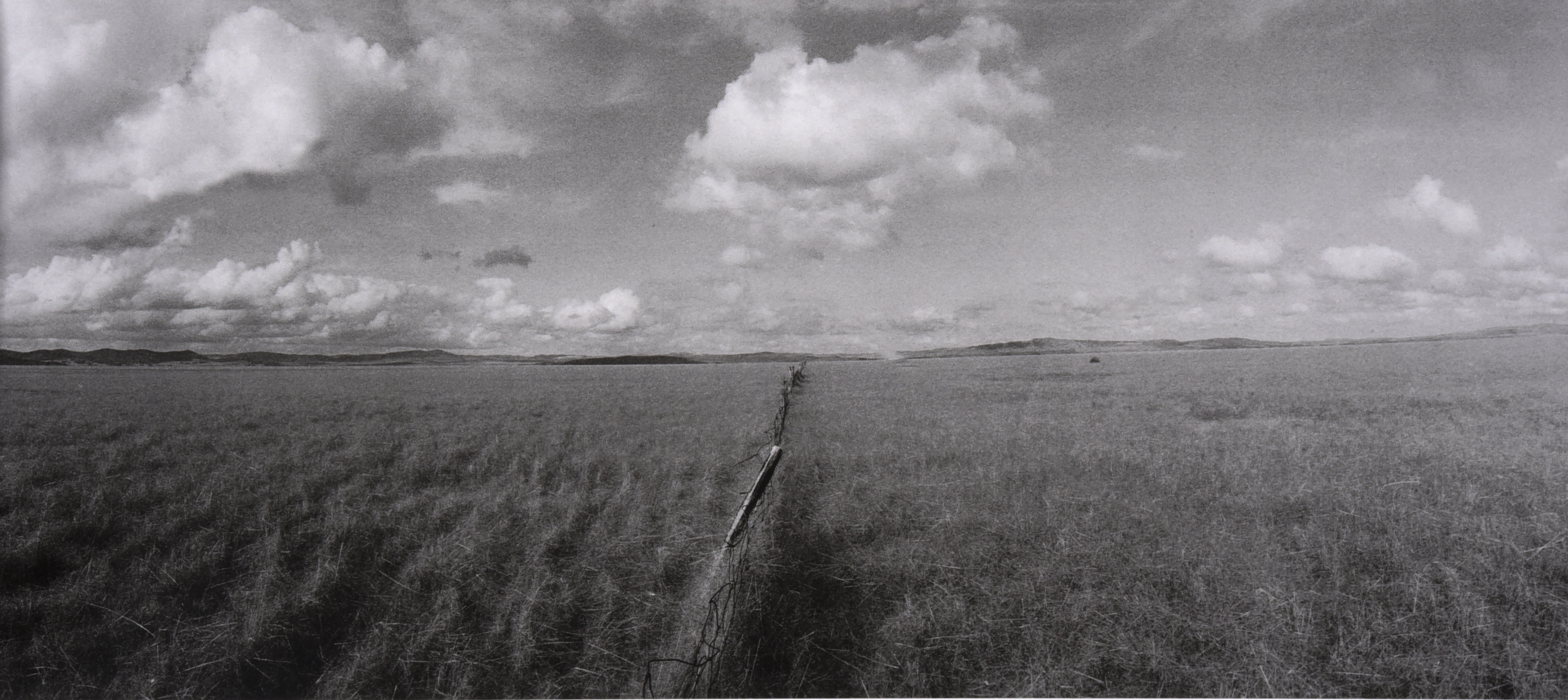
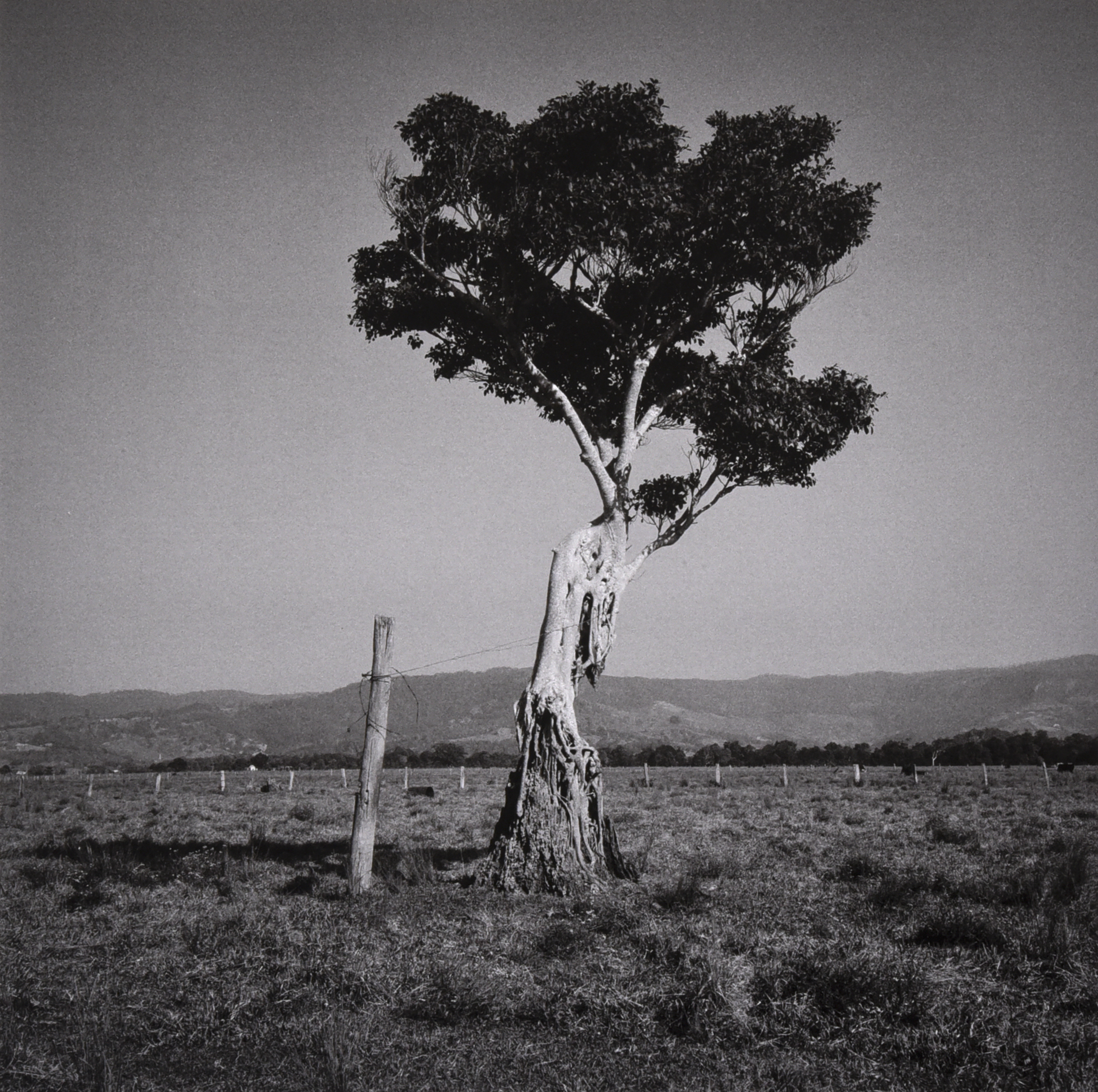
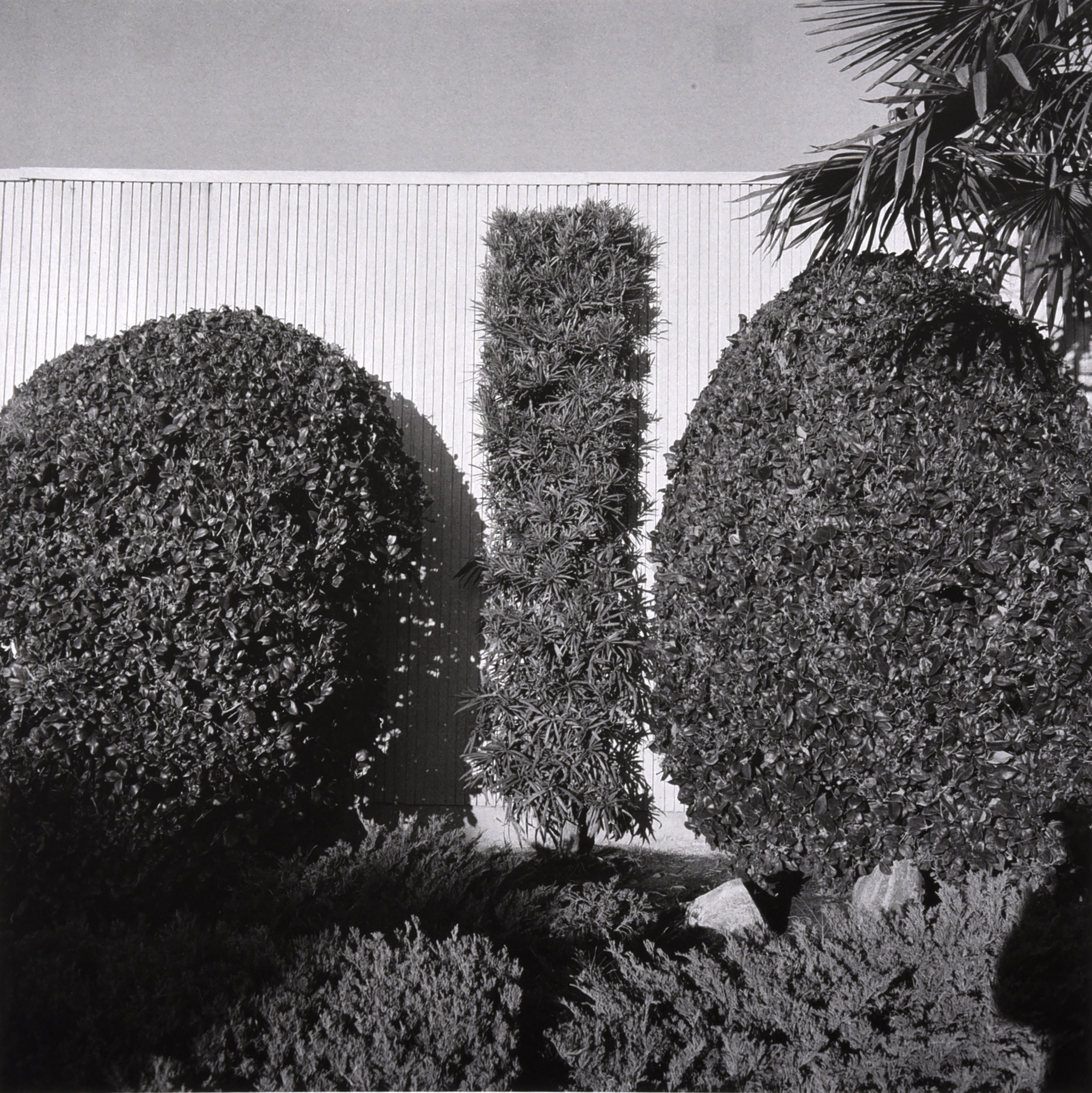
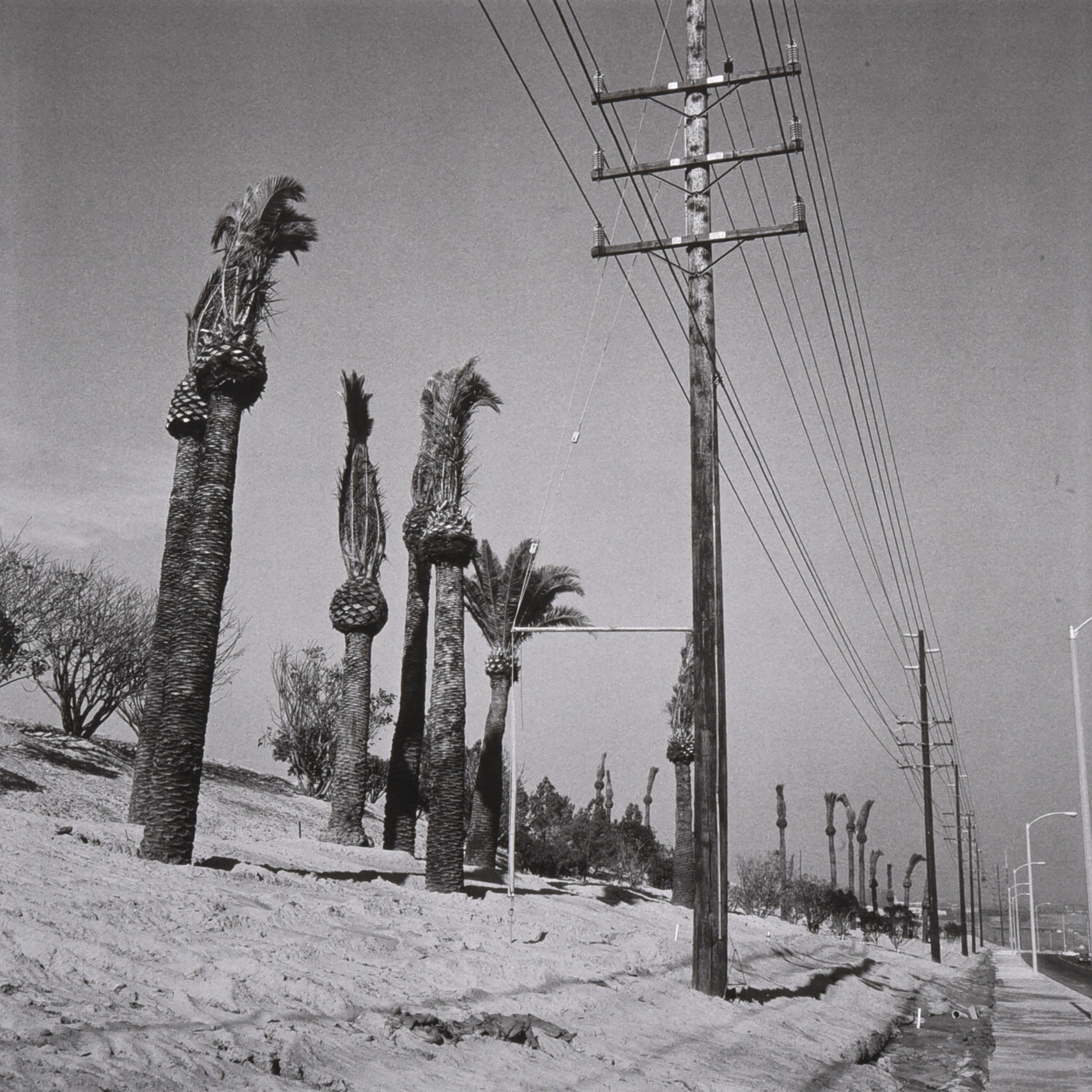
One of the series Tree is a grim reprise of Cazneaux’s 1937 Pictorialist Spirit of endurance (of a Flinders Ranges eucalypt now known as ‘The Cazneaux Tree’). In Tyssen’s image the ‘endurance’ is a struggle against human interventions; fencing and topsoil erosion. The Tree series was made in 1981 and 1982, the International Year of the Tree, and includes a number of images made in America. Tyssen with her sympathetic eye, and her square format camera, chooses other arboreal subjects that have been fettered and bound, crowded, amputated, starved and stunted by homo sapiens.
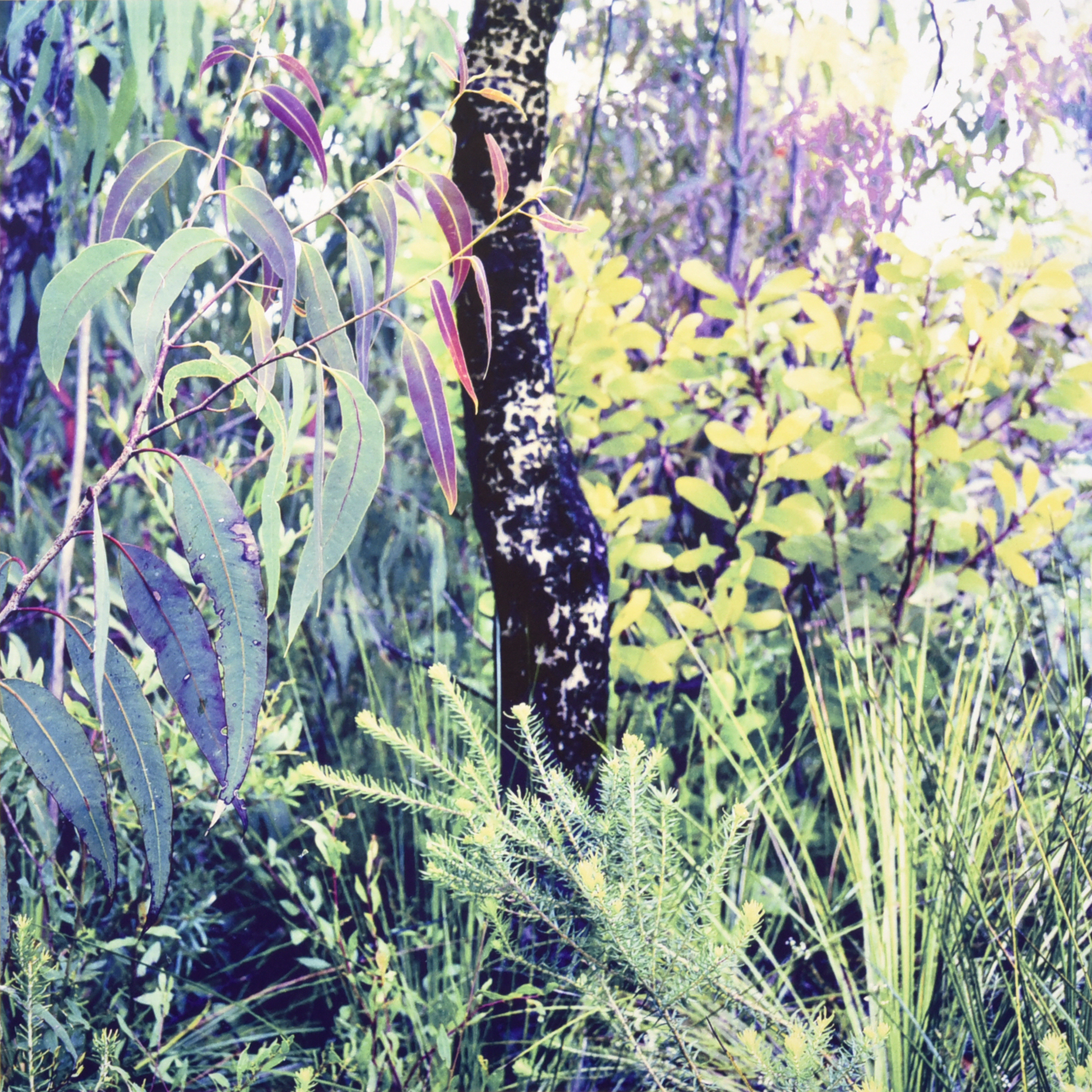
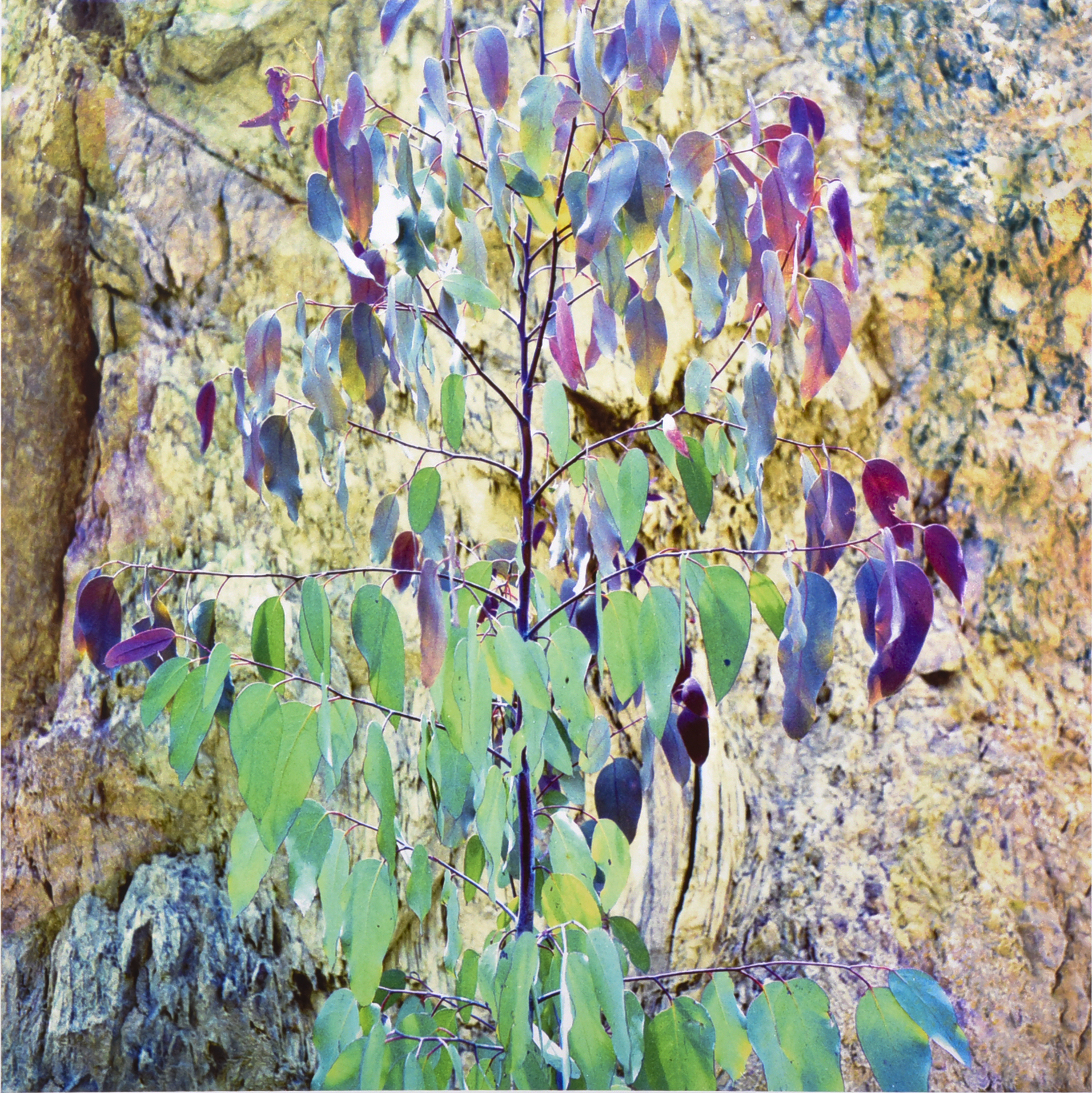
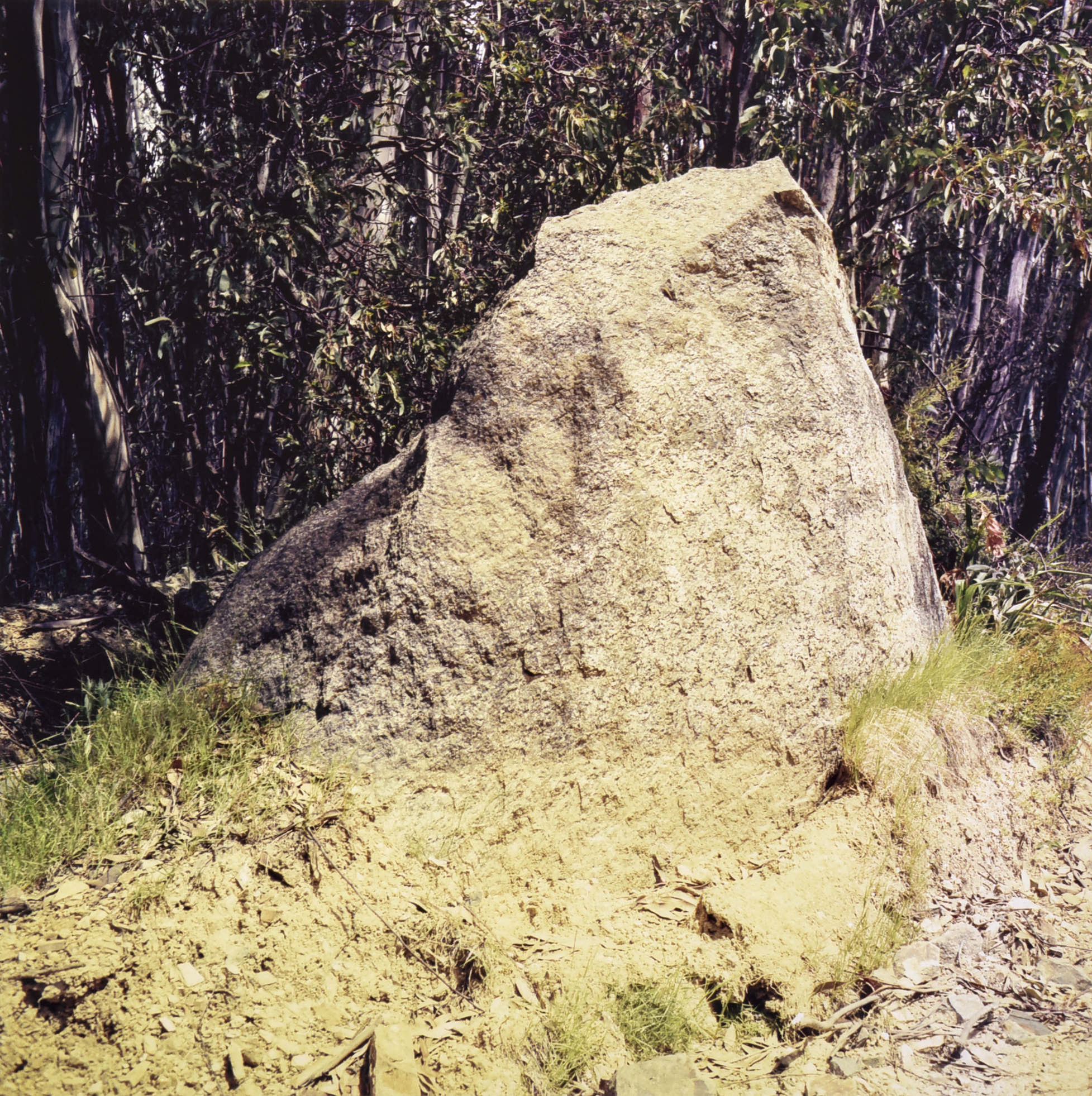
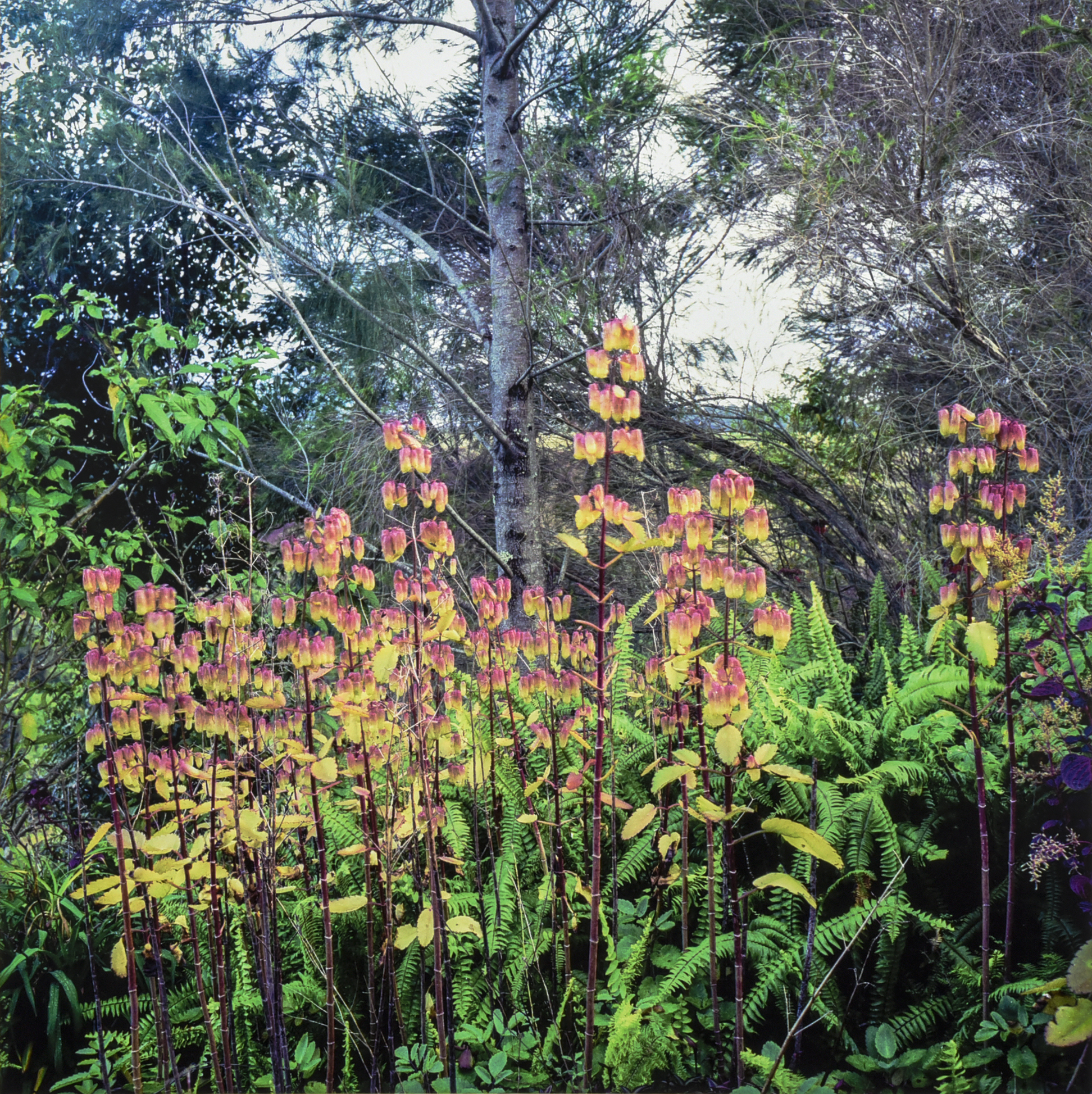
Anne O’Heier notes Tyssen’s explanation of her Bush Relevance series of 1986 and her venture into colour, that it was having to explore the bush on foot that makes “its myriad variations” less immediately apparent, and that she could only counter her difficulties in depicting the Australian bush, due to her seeing them through what she already knew of European forests, by feeling it bodily. Her imagery emphasises pattern within the entangled density and there is an enchanting jewel box quality to these bright images of the bush that is still quite novel, without being synthetic. Where they include plants imported to Australia they are titled From my Mother’s Garden.
Reviewing the 1986 group show A Difference of Opinion at First Draft by Tyssen, Bruce Searle, Paul Hewson, Linda Marie Walker and Kathy Triffit, Christine Godden explains that Tyssen, like many other immigrants of the 1950s, found the Australian bush unfamiliar. She was unable to draw it. In this series of “small and classically composed photographs” she used colour in her Bush Relevance Series, as a means of translating the subject to her European vision. Godden concludes that “she still brings to her picture-making many accepted conventions – and the results are pleasing.”
Of the same series exhibited posthumously in Photography and Place: Australian landscape photography 1970s until now at Art Gallery of NSW, 16 March–29 May 2011, with work by Michael Riley, Simryn Gill, Bill Henson, David Stephenson, Anne Ferran, Marion Marrison, Douglas Holleley, and Wesley Stacey.
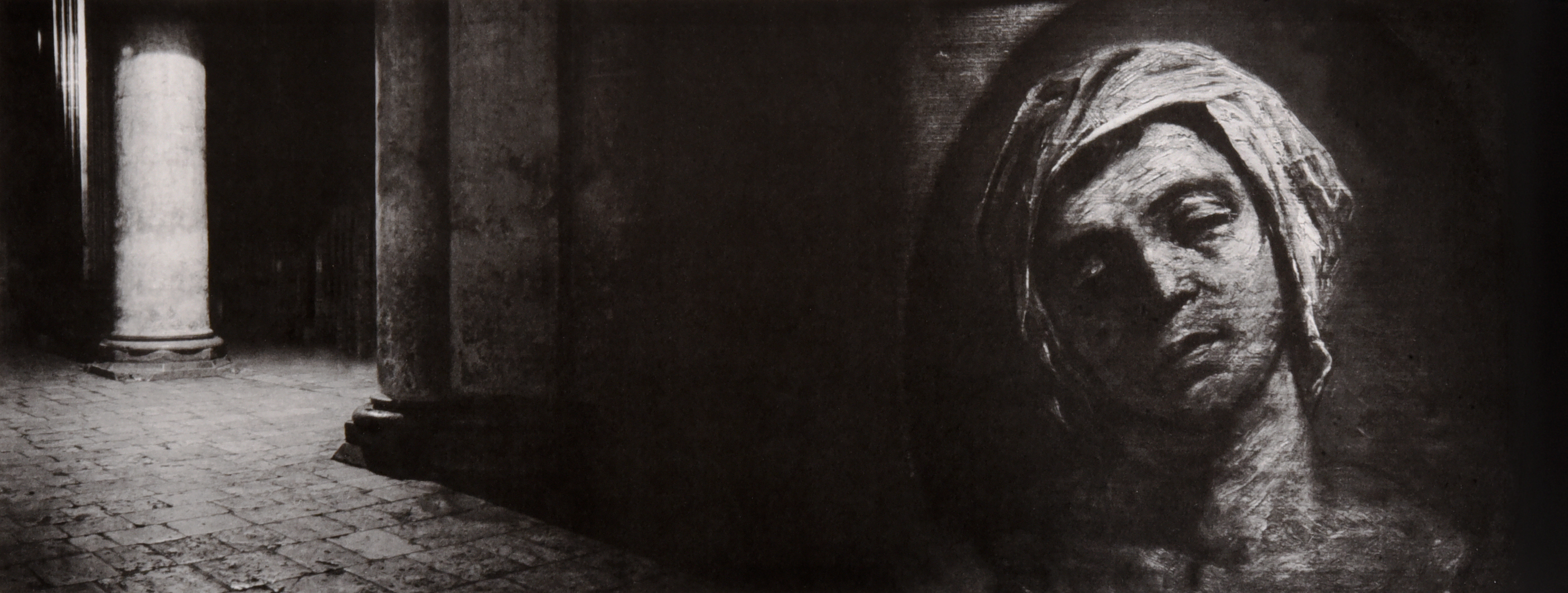
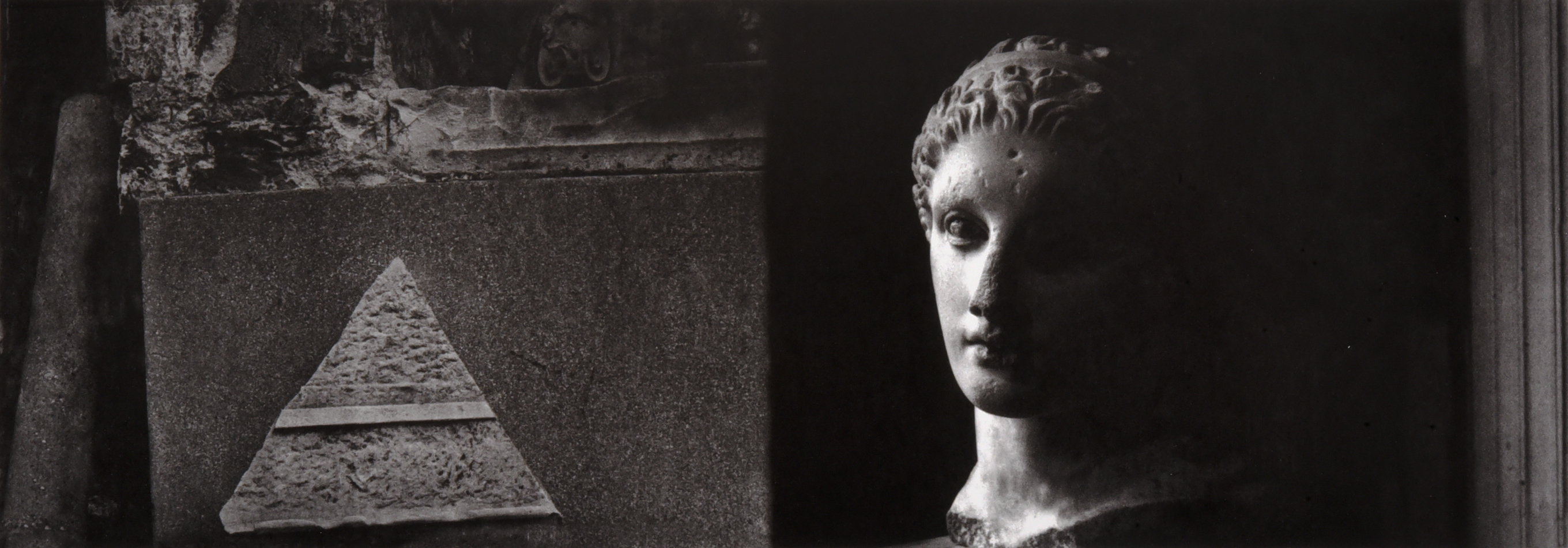
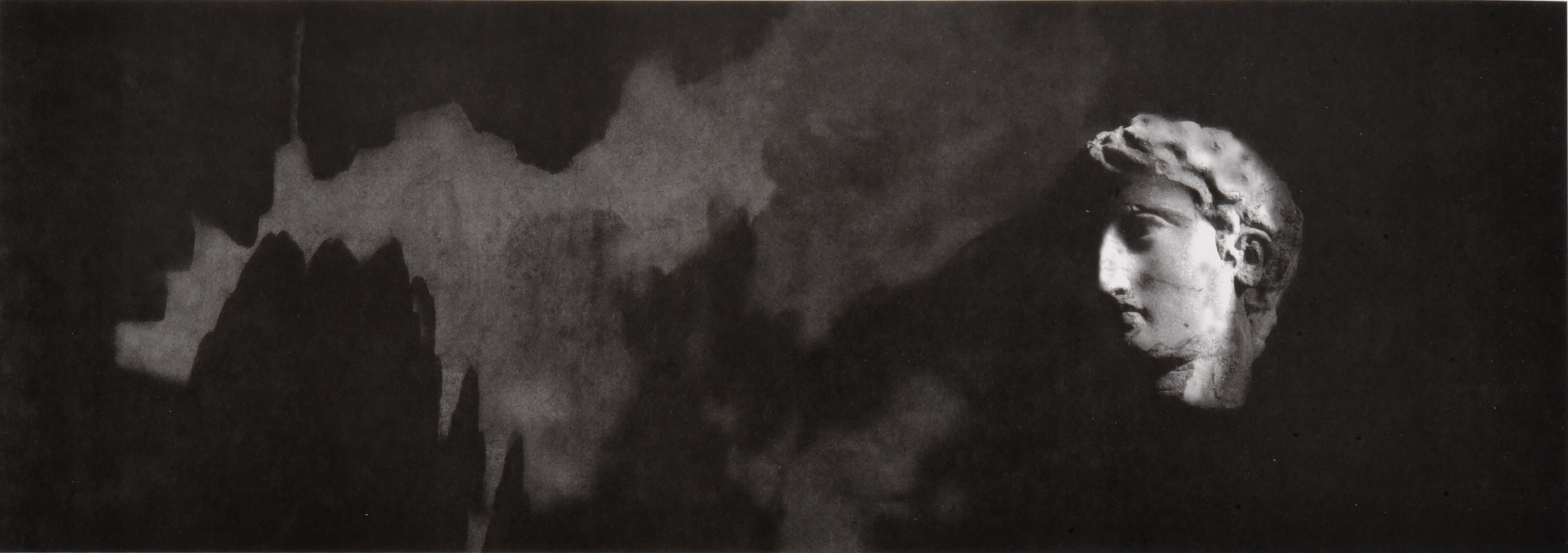
Tyssen’s Voice of Silence series, exhibited at the Art Gallery of New South Wales in 1995, Tyssen montaged her imagery, abutting her prints from medium-format negatives to form panoramas over a metre wide in which, as she explained, sculptural and architectural fragments photographed in Paris evoke old Europe and reveal her emigrant sense of dislocation and “the mechanisms by which we are transported to imaginative space”. Capon and McDonald confirm how Tyssen’s personal migrant experience of being estranged from the language and legends of her native country inspires The Voice of Silence to deal with “language, image and historical references and the formation of cultural identities”, and how its cinema-format, tenebrous panoramas manipulate the scale, and space around, classical sculpture and architecture to develop a mythic narrative that revives or evokes personal and cultural memory. These are nameless fragments, often damaged, that one is likely to encounter in Paris courtyards and corridors, objects of plunder from the long past reused shamelessly in new structures that both disrupt history and preserve it.
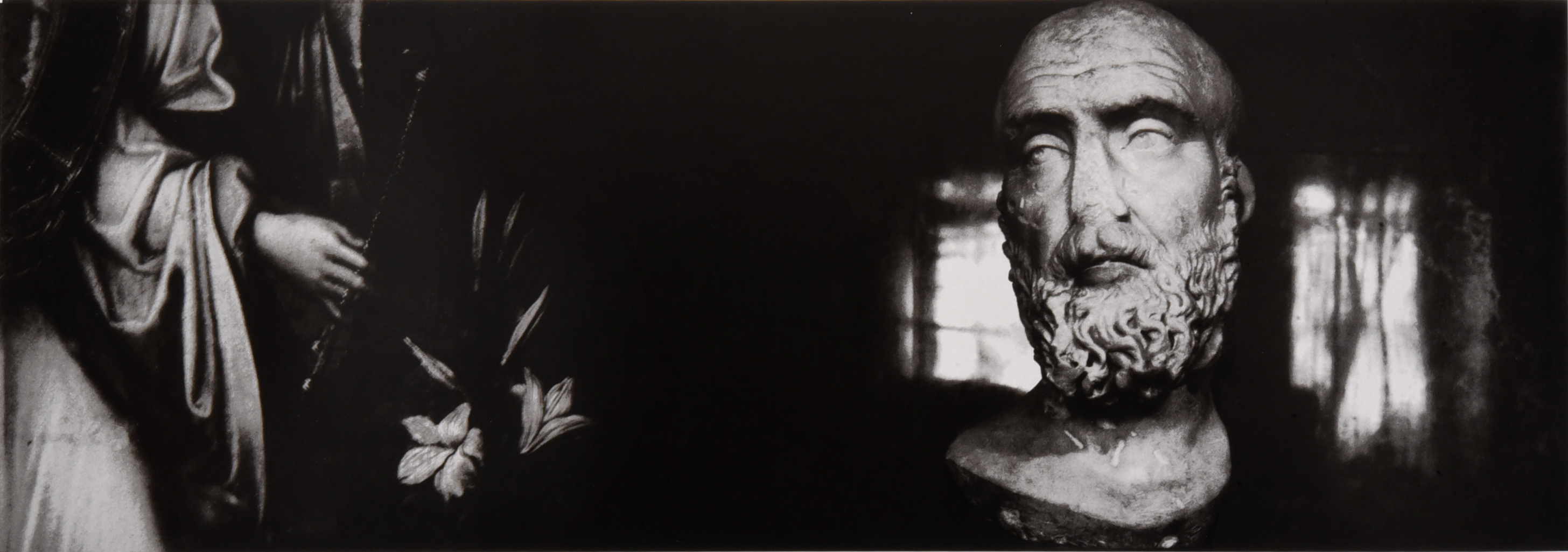
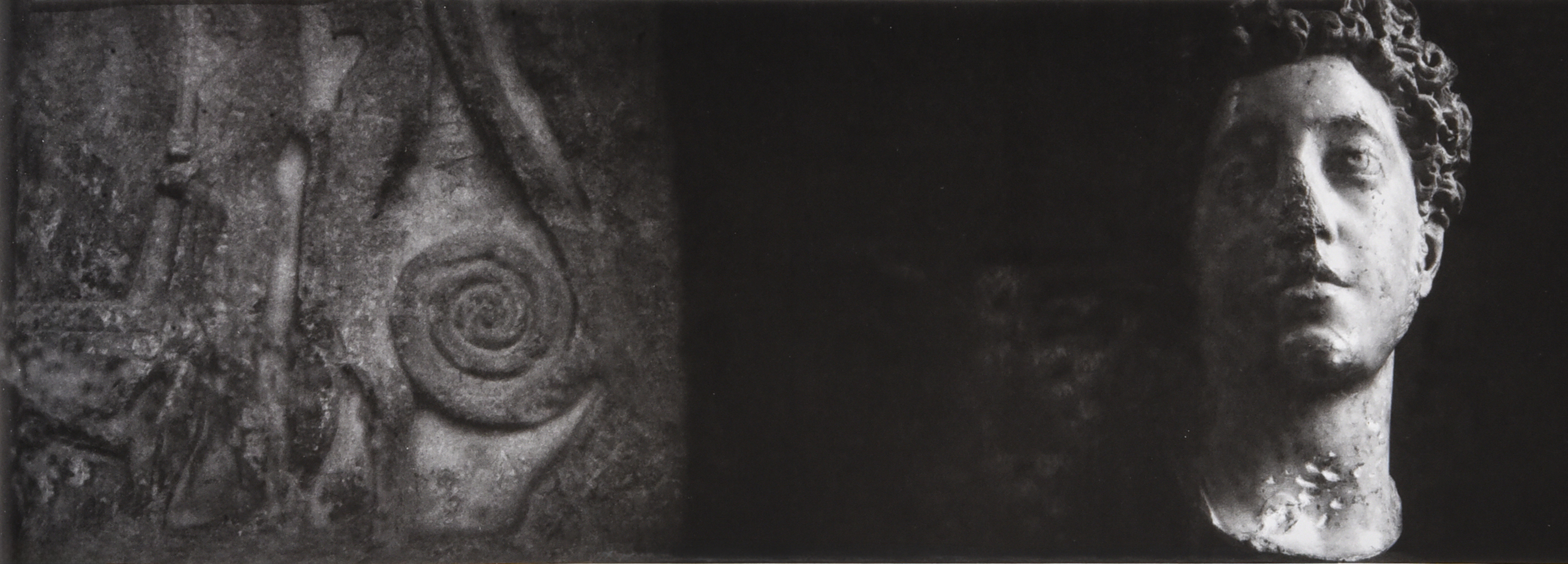
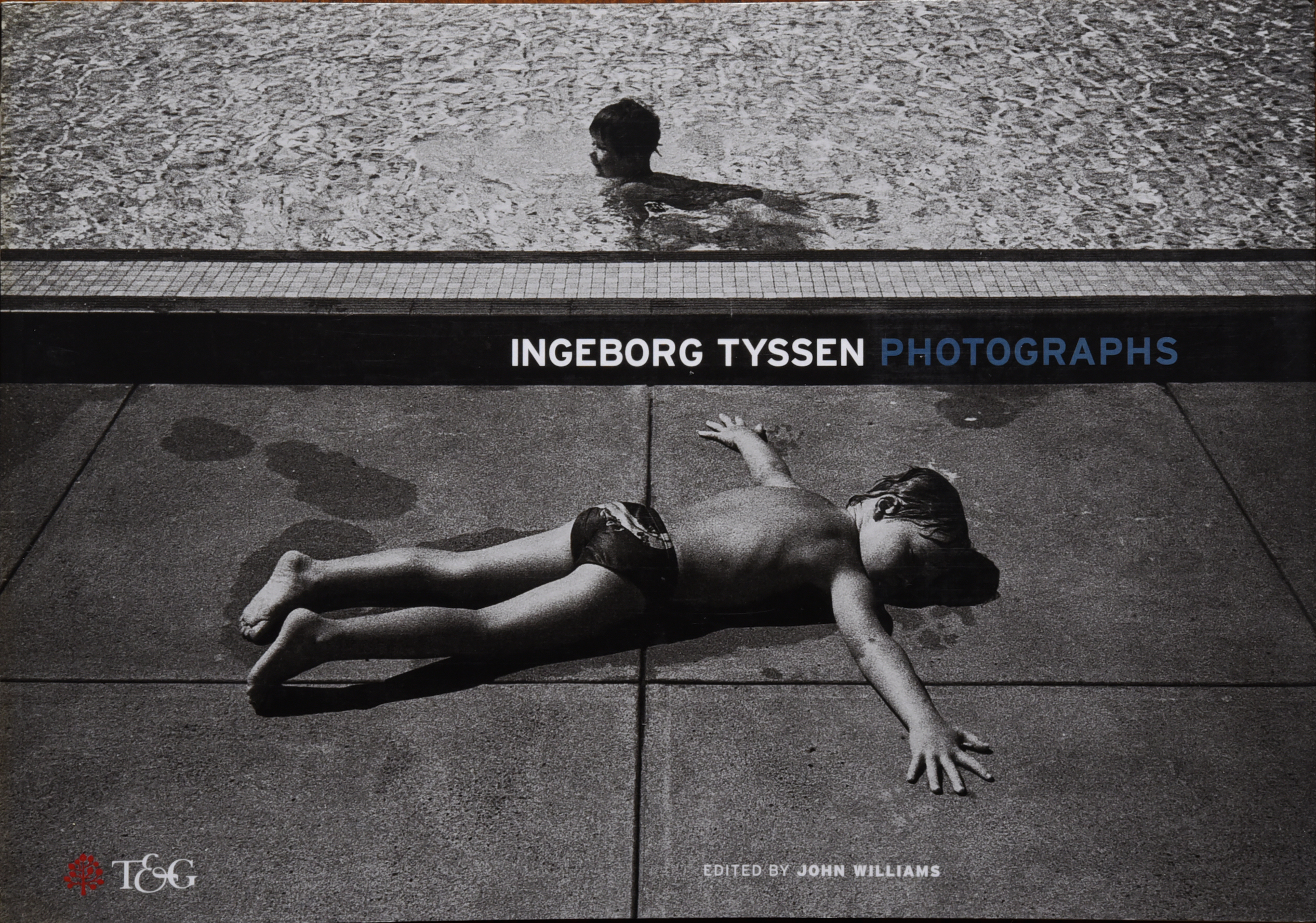
As photographer and critic Robert McFarlane recounts at the end of his essay in the magnificent book John Williams produced, in tribute to his partner, Tyssen was killed in an accident:
Tyssen returned to the Netherlands in October as part of an ongoing exploration of her Dutch/Australian identity. Williams had remained in Australia with work commitments.
On October 3 Tyssen visited an exhibition of Van Gogh paintings with her brother Roland. “She sent me a text message on my mobile saying that the weather was beautiful and the exhibition was wonderful,” said Williams. “Afterwards, she and her brother sat by a river and drank wine. Roland told his sister it was the loveliest day he could remember.”
The following day Tyssen went for a walk along a road near her brother’s home at Asperen in southern Holland. She planned, said Williams, to take photographs using her new digital camera – practising what they both called her “hybrid photography”.
“Nearby, two motorcyclists were skylarking,” said Williams. “I found out later that one had removed the compulsory speed governor on his bike and was riding on the wrong side of the road at 70 kilometres per hour. He lost control and hit Ingeborg.”
When Williams first heard of Tyssen’s accident, her injuries were thought to be minor, as she was lucid enough to give her name and address in English and Dutch to ambulance workers. After being transferred to hospital, however, Tyssen went into a coma. Williams flew to Holland, arriving on October 6. Tyssen died two days later.
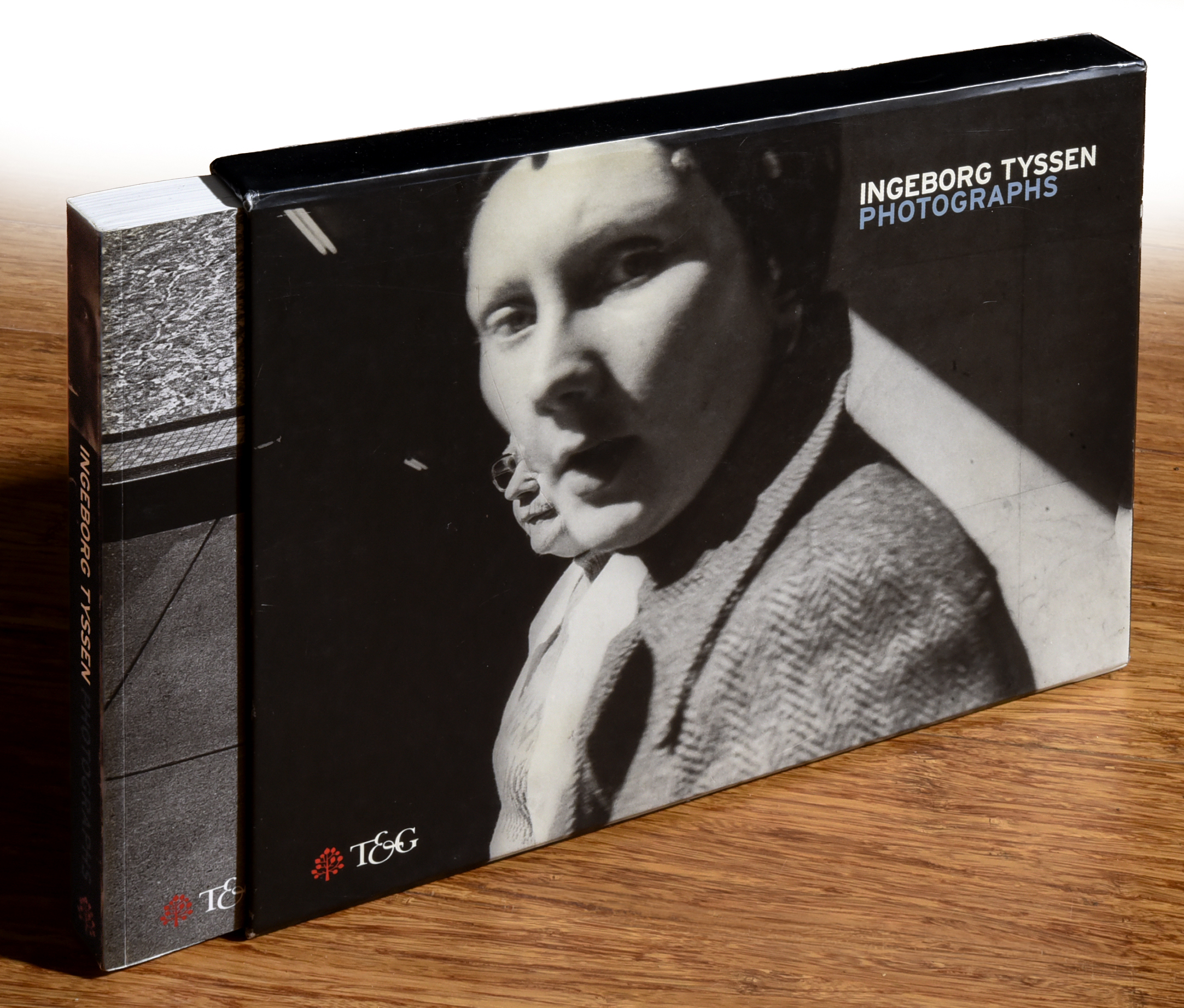
I want to give the rest of this post over to Tyssen’s own words, in fact her entire essay ‘Somebody has to make something sometime: Between theory and practice lies the shadow’ for the book produced in 2000 just after the exhibition What is this thing called photography? held over 5 June–29 July 1999 at the Art Gallery of New South Wales. Not only was she an inventive and compassionate photographer, but also, like her husband John F. Williams, an historian. Tyssen provides a valuable record here encapsulating the period 1975–1985 in Australian photography, with a slight Sydney bias:
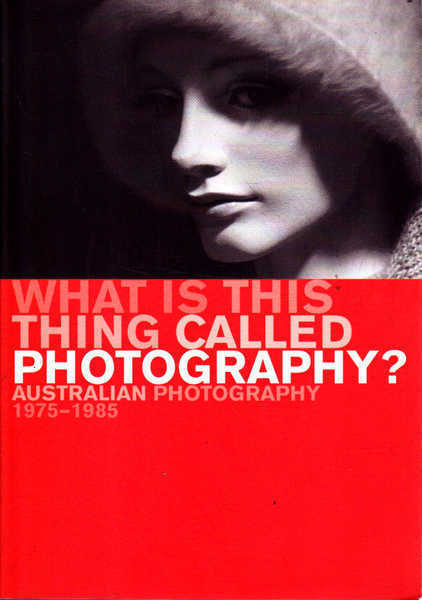
‘What is this thing called photography?’ When faced with this question initially – and looking at the ideas and practices that arose in Australian photography between 1975 and 1985 – my first thought was that this would have been an easier proposition to consider in the 1970s than now. On reflection, however, this proved to be an illusion: debates of the 1970s and 1980s attest to the fact that now, as then, there can be no satisfactory answer to this seemingly simple question.
For anyone researching Australian photography, the paucity of documentary material makes it difficult to obtain a systematic overview of many of the events, discussions and exhibitions which occurred in these two decades but particularly those of the 1970s. Perceptions of events may be affected by all kinds of things, not the least of which is geographical location. Much of what has been written tends to focus on activity in Sydney and Melbourne, later expanding to include Adelaide, Perth and Brisbane. Further, the influences on individual photographers were varied – depending on their background, where they were educated, what colleges they attended and who was lecturing at those colleges. The 1970s, in retrospect, seem to mark an almost innocent entry of photography into the world of art.
The catalogue essay accompanying the exhibition What is this thing called photography? Australian photography 1975-1985 at the Art Gallery of New South Wales, attempts an almost impossible task in trying to outline the complex practices and attitudes associated with photography in at this time:
During these years there was dramatic change in the way in which Australian artists and art institutions viewed, thought and wrote about photographic practice. The reasons for this are many: art education expanded in the 1970s; art history courses at universities began to incorporate cultural and political theory into their teaching (e.g. Susan Sontag, John Berger, Roland Berger, Roland Barthes, Victor Burgin, Allan Sekula, Jean Baudrillard and so on) … By the late 1970s the Australian contemporary art world had changed profoundly; there were ongoing reassessments of the role and status of the artist; museum; gallery; art – its various practices and hierarchies; the relationship of art to popular culture, to text, and the meaning of the photographic image and its usage within its various contexts. The camera and the photograph appeared to be the most appropriate vehicles for many artists who wished to expound ideas and/or political views.
It was indeed a period of ‘political ferment’, but neither photography nor art exist as separate entities independent of broader cultural or political contexts. The period of extreme political activism, which had begun in the 1960s, changed the political landscape and continued well beyond the end of the Vietnam War in 1975. Termed the first ‘TV war’, television reportage brought images of the conflict and its horrific effects into every home. This was markedly different to the view expressed in Edward Steichen’s 1955 exhibition The Family of Man, which promoted an essential oneness of mankind throughout the world. This view had become increasingly difficult to sustain from the 1960s on. In 1974, David Moore, then chairman of the executive committee of the Australian Centre for Photography, welcomed Margaret Whitlam, the wife of the Prime Minister, to open the Centre – but by November 1975 the Whitlam government had been sacked.
At the end of the twentieth century our view of the world is vastly different. Ideas are changed by time and views are altered or, at the very least, modified by exposure to new influences and theories and, accordingly, so too are our approaches and responses to photography. Looking back on the decade 1975-1985, I would like to recount what I remember of this period and what attracted me to photography. I am probably typical of a number of photographers who commenced at that time, in that I had had no formal photographic education….
[section moved to top of this post]
….Largely to address this issue, Peter Gabelle began publishing Camera Graphics in 1971. The magazine featured collaborative works between writers and photographers as well as photographic series. Amongst those whose work was featured in the 1972 January/February edition was a collaborative piece featuring John Williams’ photographs and John Upton’s poems; and work by Richard Harris and Greg Weight. Camera Graphics was succeeded by Camera News, but by 1974 the magazine -which had been launched with such optimism, like so many other photographic publications which have followed – had folded. Hungry for information on the history of photography, we devoured whatever publications were available and these tended to be American and European. This provided an overview of photography which, by default, excluded much of the history and traditions of its Australian counterpart. One of the few Australian publications that we did have access to was Gold and Silver, featuring the work of Bayliss and Merlin. These photographs, taken of the Australian Goldfields, were part of the Holterman Collection and inspired many of us to visit Hill End on photographic expeditions.
In surveying the seventies, much has been made of the exposure of Australian photographers to international influences and, in particular, that of the Americans – but I doubt that the thought occurred to us. We looked at the images and considered the propositions put forward by the various photographers because we considered them fascinating, irrespective of origin. The problems that arose from not having models of our own or having photographs that resonated with our own culture and experience, and what that meant for Australian photographers, only really became apparent later and were a direct result of discussions and debates generated by exposure to this work.
By 1975 Brummels Gallery in Melbourne and the Australian Centre for Photography (ACP) in Sydney had opened their doors, thus providing public exposure for the work of Australian photographers.
As declared at the opening ceremony, the publicly-funded ACP -which celebrated its 25th year in 1999 – set out to increase awareness of photography and ‘to recognise and encourage photography within the sphere of the arts’. The two 1974 publications of the ACP – New Photography Australia: A selective survey and The Identity of Photography, with essays by the Graham Howe and Patrick McCaughey – are useful in attempting to understand the aspirations for photography to be accepted either as an art or within the parameters of art:
In Australia, as elsewhere, the most seminal ideas and discoveries that direct the life of this medium are by photographers who have a very small audience, and photography, though widely practised, is largely unrecognised as an art form …
For all the new attention, commentary and exhibition photography is now attracting it remains a puzzling art … Photography is, as John Szarkowski has said, well nigh ubiquitous so that even knowing its history intimately still leaves its audience baffled and puzzled by its rampant omnipresence … There’s nothing in photography a medium which traditional critical and aesthetic procedures can’t tackle or which taste can’t cope with. The problem lies in the fact that there is virtually no consensus about the nature of quality in photography and virtually no continuing debate about it …
What is notable about these two ACP publications is the text accompanying the selected photographs. It provides a useful insight into what photography represented to the individual photographers and the terms in which it was discussed. The observations were often intensely personal in nature and at times brutal in their social commentary on Australian life, a contrast to today’s art catalogues.
John Williams, who has since published Quarantine Culture: Australian Reactions to Modernism 1913-1939 and Anzacs: the Media and the Great War, in commenting on his photograph in New Photography Australia: A selective survey had this to say:
My prints are rough, hard and grainy which is just what Sydney is like. The light is fierce, the summers hot and humid, the bush inhuman and the population complacently cruel enough to accept two decades of flabby self-congratulatory ignorance, cushioned and smothered by the soft folds of the Menzies arse. This is a harsh society with a few shades of grey, where Paradise is still a Monaro with four on the floor and up you Jack I’m alright.
In Melbourne, Jennie Boddington, then Curator of Photography at the National Gallery of Victoria, commenced buying Australian photographs for the collection. The establishment of a photography gallery at the NGV exposed viewers to Australian, American and European work and further stimulated interest in the medium. To further encourage thought and discussion on photography, the ACP invited John Szarkowski, Curator of Photography at the Museum of Modern Art, New York, to Australia. His lectures at the University of Sydney and a number of other centres were attended by large audiences and marked the commencement of a period of lectures, debates and conferences, specifically devoted to the photographic medium. It also generated a renewed interest in the history of Australian photography and gave impetus to the publication of such books as Dr Gabrielle’s album, Gundagai.
In 1975, I moved to Melbourne and together with John Williams, Rod McNicoll [sic] and Paul Cox established The Photographer’s Gallery and Workshop in South Yarra. It was a very modest affair and a far cry from the very plush gallery currently run by Bill Heineman and Ian Lobb. The first exhibition featured Human still lives from Nepal by Paul Cox. The fact that inner city rents were affordable certainly made it easier to set up artist-run spaces and ensured that artists could control the context in which their work appeared. Discussion and contact with other photographers further stimulated my interest in photography and I began collecting photographic postcards and snapshots. This in turn raised questions about the formal construction of photographic images and the historical and cultural context in which the photographs were produced. In addition to exhibitions, several publishing ventures such as Into the hollow mountains: photographs by Robert Ashton (1974), A Book About Australian Women (1974), and Woman 1975, provided exposure for Australian photographers’ work.
In Into the hollow mountains, published by Outback Press, texts by John A’Beckett, Helen Garner, Mark Gillespie, Peter Oustabbasadis, David Parsons, John Romeril, Damian Sharp and Colin Talbot accompany stark photographs by Robert Ashton – “Fiction, journalism, poetry and play combine with photography to present a unique portrait of Australian inner-suburban life in Fitzroy.”
A Book About Australian Women, another Outback Press publication, edited by Virginia Fraser, features photographs by Carol Jerrems. The book now provides us with a unique historic document of Australian women in the 1970s and a rare insight into Carol Jerrems’ views on her role as a photographer:
One of these stories is part of a conversation with a woman, a stranger, in a teashop; one came out of talking about dreams; the others were taped and edited over a year, some with friends, some with strangers … They can’t represent the whole experience of all women in Australia. There is not just one way of being a person. They are some individual experiences of being a female person in this society, dominated by a culture that sees biological gender as a decisive difference between people, instead of one aspect of human possibility and individual uniqueness; in which the institutions, traditions and mythology are defined and controlled by men, out of their experience and in their interests.
The photographs are mostly portraits of artists … painters, sculptors, writers, poets, filmakers [sic], printmakers, photographers, designers, dancers, musicians, actresses and strippers. Others include women’s liberationists, Aboriginal spokeswomen, activists, revolutionaries, teachers, students, drop-outs , mothers, prostitutes, lesbians and friends …
The women are not intended as an elitist group, like a who’s who; some are well known, others are not; each is of equal importance … It is difficult to exist as an artist, being almost impossible to live off one’s art alone. It is more difficult for a woman. And if her tool of creative expression is a camera, there is yet another struggle because photography is not fully recognised as being an art form in Australia …
It is noteworthy that the writing at this time is based on personal experience and observations, not yet mediated by written theory. Woman 1975 was produced to provide a permanent record of an exhibition organised by the Young Women’s Christian Association of Australia – a project funded by the Federal Government as part of its contribution towards the International Women’s Year. Edited and curated by Jennie Boddington, the book contains 150 photographs ‘to show a wide, and also intimate, view of human beings, of life, without bias towards factional interests’.
Although there had been an increase in the venues where photography could be viewed, opportunities to discuss work and exchange ideas with other photographers was still limited for those not enrolled in photography courses. It was for this reason that on my return to Sydney at the end of 1975, a number of photographers – including Ian Dodd, Carol Jerrems, Ed Douglas, Greg Weight, John Williams and myself – decided to meet at regular intervals to discuss our work. This continued until the demands of individual work commitments led to the dispersal of the group.
By 1977 there was sufficient interest in photography to generate conferences. The Department of Adult Education at the University of Sydney arranged a conference, Photography in Australia: A Conference on Photography as Communication Medium and Art Form. Papers were presented on ‘Purism versus Pictorialism’; ‘The structure of photographic education’ ; ‘Documentary filmmaking as cartography’ ; ‘The artist and the photographer – Brisbane 1880 to 1890’; ‘Criticism of photographs as art’, and ‘Changing attitudes to photography in Australia’.
In one of the papers, ‘Outerbridge : from Cubism to fetishism’, the former director of the ACP, Graham Howe, postulated on the need to develop a common critical language:
The relevancy of an essay on the American photographer, Paul Outerbridge, in an Australian conference becomes self-evident in the light of the increasing cross pollination of ‘national’ artistic tendencies. It should now be more than apparent that national borders are being easily traversed culturally and physically and that the romantic notion of a ‘national photographic aesthetic’ is no longer a practical argument; that a photography conference in Australia is as relevant to photographers and their audiences abroad as it is in the country of sponsorship; that this assembly’s aim is the dissemination of information. Therefore, the need for a common critical language with which to assess and convey the photographic statement is strongly felt.
In the same year, Jean Marc Le Pechoux began publishing Light Vision, an Australian/international magazine which provided international exposure for Australian contemporary photographers . A number of photographers such as Ralph Gibson and Lee Friedlander were invited as guest lecturers to universities and colleges of advanced education, providing photographers and students with an insight into their photographic practice.
The WOPOP publications (Working Papers on Photography, a series of papers published between 1978 and 1981) continued to stimulate debate and covered a wide variety of topics such as photographic history, criticism, publishing, funding, conservation and preservation, picture collection and communication . Allan Sekula presented a paper titled ‘Traffic in Photographs’, and Kenneth Coutts-Smith presented the 1980 Power Lecture, ‘The Political Art of Klaus Staeck’.
Political and cultural theories and particularly that of Marxism, had become a force in evaluating what influenced the production of photographs. It tended to focus attention on the content of the photograph and the context in which it had been produced. Fine arts departments at universities and the rise of fine arts courses at colleges of advanced education offering photography played a major role in this development with the result that the debates became more academic. The interest generated in photography created a buoyant climate . ‘Yet in spite of this enthusiasm,’ Jennie Boddington observed:
… there appears to be a cultural backwardness or immaturity in some areas. How else could the abysmal level of discussion and non-comprehension during Friedlander’s visit be accounted for? There appeared to be a puritanical blockage against Friedlander’s hedonism. Perhaps our tertiary students are so accustomed to intellectual analysis of images they were confused, and in some cases even aggressive, when faced by this happy functioning artist – one of the most important of recent decades – who feels no need to intellectualise what is evident in his work.
In 1980, Martyn Jolly, the editor of Halide, a photographic publication, reflecting on the WOPOP conference, expressed some reservations:
I found the conference fascinating; it was essentially a series of very interesting papers delivered to a group of people gathered to discuss their shared interests and problems. But at the same time, as was pointed out during the conference, it was also a set of actors performing in front of -a remote audience. This spectatorial relationship was defined by the very structure of the conference ..
Maybe I was betrayed by my penchant for drama, but it seemed to me at times that those actors became characters, characters playing certain highly specific roles in the drama of the ‘Insurrection of the Establishment’ by the new wave of photographic criticism and institutionalisation.
If there is a vital force in Australian photography it was certainly at that conference. But it seemed to me also that at its very inception, that vital force was in danger of sinking into a sort of factionalised didacticism, where consideration of the particular role a critic plays almost supersedes the photographs themselves.
In the publication Photo-Discourse: Critical Thought & Practice in Photography (1981), both the photographs and the text which accompany the work reveal the changes in photographic practice . The photographs that appeared in the ACP’s 1974 publication existed as ‘personal self-motivated statements coming from the photographer’s vision, feeling and experience of things and also from the cumulative tradition of the medium . .. ‘ By comparison, the photographs in Photo-Discourse extended beyond the personal experience and were based on written theory – the photograph was used to examine those theories . Images functioned to deconstruct old models and construct new interpretations. This in turn exerted an influence on the formal structure of photographs .
By 1982 there were thirteen colleges offering major studies in photography and within two years, two further courses were on offer . It was now possible to study photography as part of a Fine Arts diploma or degree and continue those studies at postgraduate level, to the level of Master of Arts . Yet, in spite of this development, for anyone wanting to obtain an overview of available courses and where these courses were offered, information was fragmentary and difficult to obtain. Students enrolled in these courses found the work of overseas artists more accessible than their own peers. This led to the exhibition and catalogue, Graduating Photography, mounted and produced to address this issue.
The exhibition surveyed the work of students enrolled in colleges of advanced education around Australia and travelled to all major cities. The catalogue collated information about the photography courses available and contained representative examples of all work submitted by the students. It demonstrated a wide variety of approaches to photography. It was edited by the Graduating Photography Committee comprised of Miranda Lawry, Debra Phillips and myself, in liaison with Christine Godden, then director of the ACP, and John Williams, senior lecturer in photography at Sydney College of the Arts (SCA). It was funded and published by the SCA Press.
In the exhibition brochure for What is this thing called photography? Australian photography 1975-1985 (see page 12 of this anthology), Judy Annear observes that while some photographers wanted to be considered as artists, many did not. In the heady days of the late 70s, the obsession with naming, framing and meaning became an irritant to those who felt that the honourable conventions of the fine print and the documentary ‘show it like it is’ mode of photography was under threat by people who neither knew nor cared about technique or history.
For the most part, within the group of photographers who could have been said to have emerged from documentary photographic practice, there was little cohesion in their view or practice of photography. All too aware of the subjective nature of photography, few subscribed to the theory that photography could ‘tell it like it is’. The criteria for defining documentary photography is unclear and seems to be based solely on its appearance or formal structure, without any reference to content or context.
Two exhibitions, After the Artefact (1984) and A Difference of Opinion (1986) attempted to look beyond the surface appearances of photographs and accommodate perceived differences in photographic practice.
The photographs in this exhibition need to be understood in terms of a sensing process. But first we need to rid ourselves of the widespread misconception that photography is merely a literal, outer directed, factual, ‘transparent’ carrier of visual information. All ten photographers in this exhibition force us to acknowledge that the motif is chosen, that it is treated in a particular way, that it is exhibited in public with the intention to provoke certain responses and suggest certain ideas. In other words, we are made to realise that photographs are as much conceived and created as they are ‘taken’ .
While photography may have been regarded as an art form in 1984, it was clear that photography had not been integrated into art. Martyn Jolly was to remark:
Despite the devout prayers of photographic and art practitioners alike it remains a discipline all too readily identifiable by that one word – photography. Although photography was warmly welcomed by art in the 70s, the fact that it is still regarded from a safe distance is readily apparent when one examines the geography of the hanging of the recent Biennales and Perspectas: the representation and presentation by dealer galleries … The photographic medium, rather than the photographic practice, is still the fundamental criterion for evaluating and categorising photographers.
It is ironic that after all the hopes of integrating photography into art, that we hear distinctions being made between photographers who use photography and artists who use photography. It is disturbing that the best that can be offered in terms of describing documentary photography tends to focus on the surface quality of the print. It fails to take into consideration the photographer’s intentions, thought processes and deliberations, or the lineage inherent in a body of work. Changes in appearance of the work are equated with changes in practice.
The difficulty in trying to define photography is that it suggests that there is such a thing as a particular kind of photography. It raises a number of issues that ought to be examined. Why do these distinctions continue to be made? What does that indicate about the way we define art and why is this considered important? The very nature of the photographic medium which lent itself to the experimentation with representation in the 1970s, was possible precisely because the medium was relatively new and not yet constrained by the traditions of the more conventional disciplines of art. While it focused attention on the manner in which photography dealt with these issues, what it was about was always more interesting than what it was.
In an era of globalisation and the Internet there will be many challenges and issues to consider in regard to the role of photography – which may not be limited to the still image. No doubt it will challenge our ideas regarding the suitability of the context provided by today’s galleries and museums. I would suggest that the question, ‘What is or is not photography and/or art?’ is the least interesting question we could pose. More often than not, it is fuelled by the understandable angst of practitioners who seek exposure and consideration for their work. The polarised nature of current debates do not bode well for our ability to find ways of dealing with diverse photographic and/or art practices, let alone the complex issues raised by the influence of information technology.


I went to this exhibition too, and found it very interesting, especially the B&W ones. I wish the NGV would do more photography exhibitions…
LikeLike
Hello James. As always a most detailed and interesting article. Your passing mention of Hedda Morrison sent me down memory lane. I met her and husband Alastair when they came to live in Canberra in 1988 and got to know them quite well during the remaining few years of her life. With others from the Canberra Photographic Society we organised a retrospective exhibition of her work which was shown in March 1990.
If you haven’t seen it already, you might be interested in my blog piece about Hedda: Hedda Morrison’s Extraordinary Journey | brian rope’s (mostly) photography blog
LikeLike
Hi Brian,
Thank you for a wonderfully enlightening and heartwarming article on Hedda Morrison, with material I should add to the Wikipedia entry on her. How wonderful to have met her, and as you say, a very remarkable woman and so underrated, but it was gratifying to see a room devoted almost exclusively to Hedda’s work in the Women Photographers: A Legacy of Light exhibition…great shots unfortunately somewhat marred by a consistent ‘hot-spot’ in the enlarger…a misaligned globe or condensor…perhaps victims of the enlarger powered by a car battery that you mention? I had a bit to do with Edward Stokes when I wrote a review for Trans Asia Photo of his book on Marjorie Doggett and some discussion with him about Hedda. He’s done marvellous work on photographers in Asia.
All the best,
James
LikeLiked by 1 person
Thanks James. Enjoyed your review of Edward Stokes book on Marjorie Doggett.
Amongst my treasured possessions are 4 prints that Hedda gave me back in 1990. I’ve been looking at them again today.
LikeLike