 In December last I saw John Nixon’s exhibition Song of the Earth 1968-2020 at Heide Museum of Modern Art.
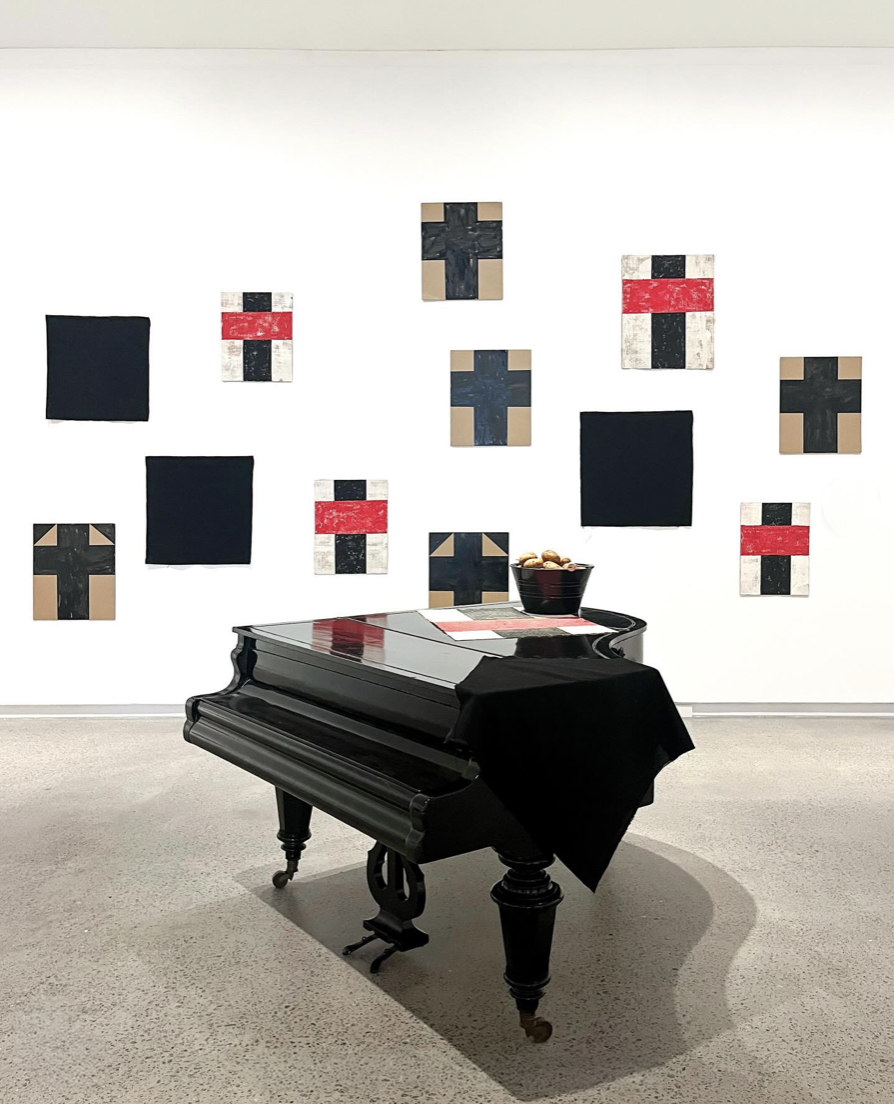
There again was his installation that so impressed and perplexed me in 1983 at the University Art Gallery (now Ian Potter Museum of Art); a cluster of unframed canvases, including some in stark all-black, behind a black grand piano with, on its lid, a bucket of clay-caked raw potatoes balancing a hammer and sickle, evoking Russian Constructivism, industrial work ethic, and the merging of art with everyday life. That earlier show was Tall poppies, with John Dunkley-Smith, Dale Frank, John Nixon, Mike Parr, Imants Tillers curated by Paul Taylor, who when in 1981 he first produced his art journal, Art & Text, its publisher’s imprint was Prahran College of Advanced Education where Nixon was teaching through the late 1970s/early 1980s
Black piano. Industrial aesthetic.
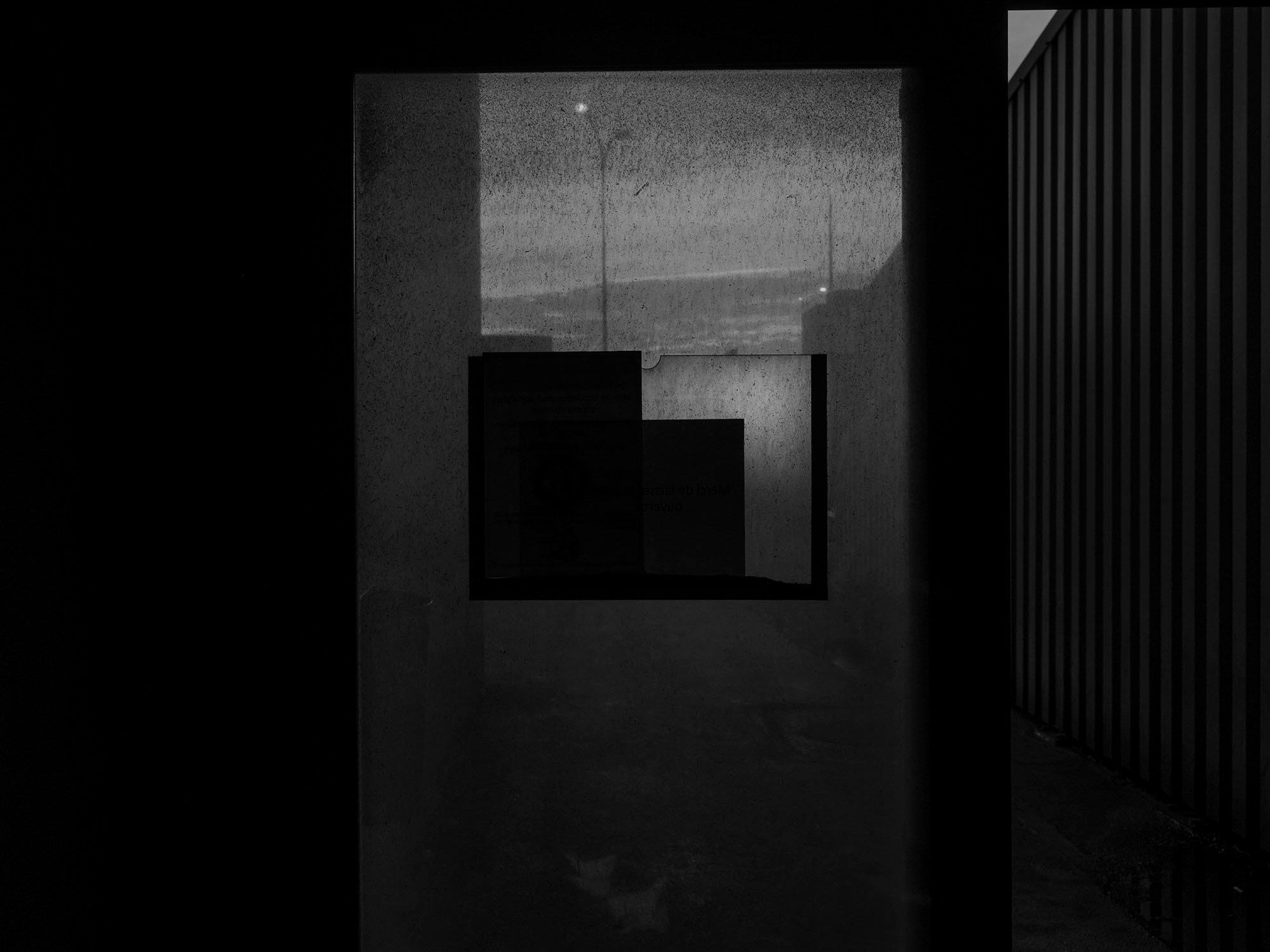
“Black and white are the colors of photography. To me they symbolize the alternatives of hope and despair….” said Robert Frank in 1966 to Nathan Lyons: (Robert Frank in Nathan Lyons, Photographers on Photography: A Critical Anthology. Englewood Cliffs, N J: Prentice-Hall, 1966 p.66.).
“Despair”—in this time when the Black Shirts are coming again, for us. Faceless, remote, untouchable behind Meta Ray-Bans, ICE-mask balaclava eyeholes, fathomless drone-lens pupil. In cruel indifference they know where we are. All is owned, as we are, by them, until the fire, the Stygian hearse, its chauffeur their Global Heat of Black Saturday, Ash Wednesday, Red Tuesday, any day now, comes, for us. Let us take our cue from what Roger Salloch wrote, in ‘Nightrise’ in Paris Review Issue 77, Winter-Spring 1980:
Renata said: I’ve never seen Rheinhardt use more than one match to light a fire. When I break a glass he tells me I’ve lost control. Just watch him come through the door, every night, punctually, six minutes after the 5:38 gets in. He wasn’t always the way he is. Before he came to this country, his paintings were violent. The villages were orange, the trees were blue. Then, when Hitler came to power, the canvases turned black. He was a teacher to support himself. Did you know that? But first they took the history books away and then they took the literature away. He turned to music but one night somebody smashed the instruments and finally gym was scheduled where they once had art. When they took the children away Rheinhardt tried to kill Hitler. Hitler was supposed to address the greater East Prussian conference of high school teachers and Rheinhardt sat in the front row with his father’s old revolver. But Hitler never came.
To sculpt a shape, to form an idea, the artist chooses charcoal, where white is ethereal.
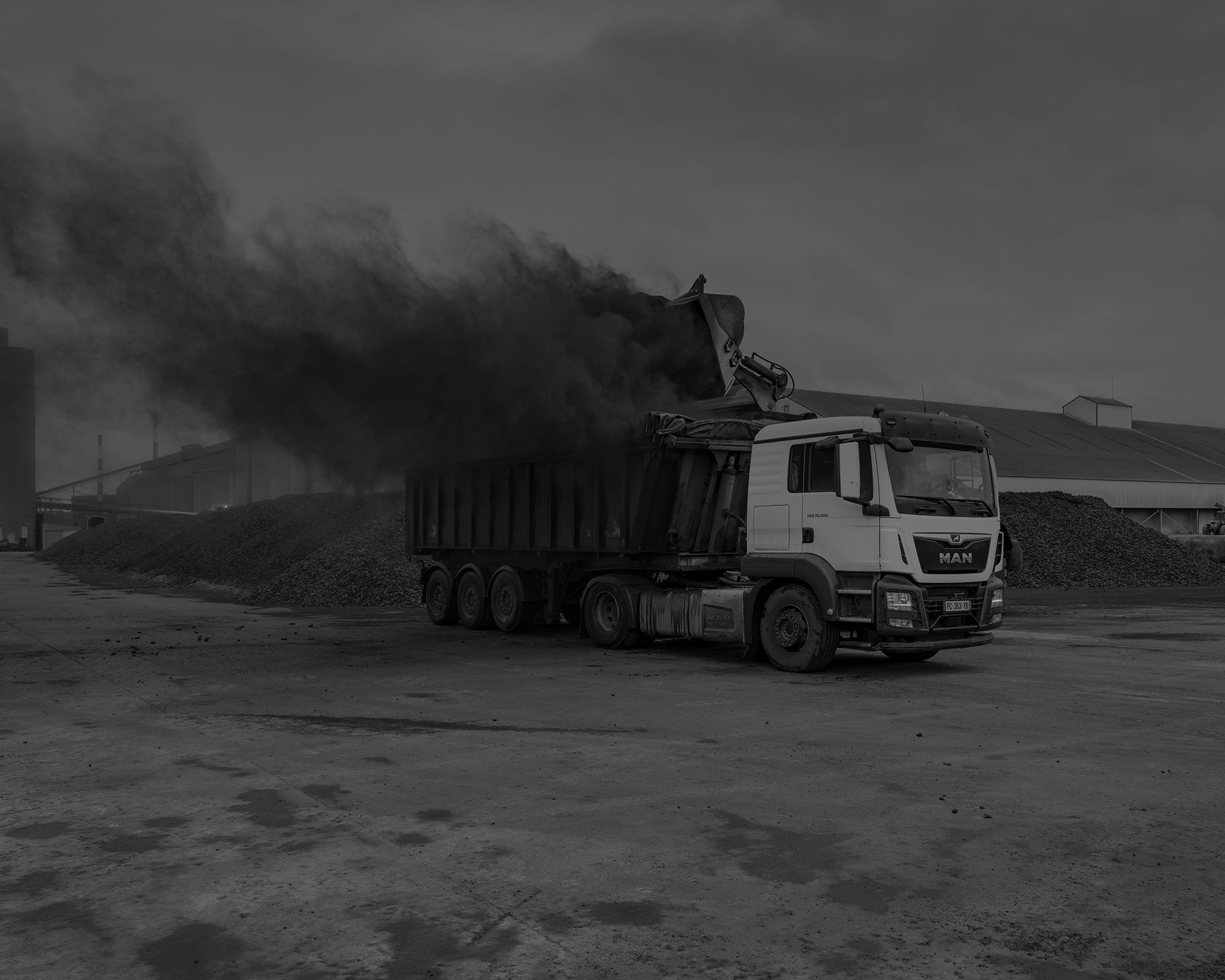
Vincent Jendly is in accord with his compatriot Frank when he writes of his COVID-era series One millimetre of black dirt, and a veil of dead cows :
When I discovered the port of Dunkirk, with my feet in the coal mud, I felt as if I were staring at a dark figure from the past, from the time of the Industrial Revolution. I had before me a landscape covered in black molasses and dust, brutal and filthy, transformed to the extreme, a dark and spectacular incarnation of the Anthropocene, this “man era”, one of those visions that suggest an imminent collapse, with an almost apocalyptic allure. A hypothetical prospect, but all the same: the scale of the marks on this gigantic site made me perceive the stamp of my fellow creatures on an earthly scale. This is indeed the case: the impact of our activities is such that man is becoming a geological force. We’re creating new types of sediment in the future, such as plastiglomerates, a stratum of rock composed largely of microplastics, spread across the entire globe.
His words are eloquent, but more so are his images—whether of President Obama, or of ships at sea—and particularly these that appear to have been developed in soot, with paper white reserved only for a sinister molten light glowering from under gun-metal smog and dungeon black. They are unpeopled. Even if the truck is branded ‘MAN’, only we, the viewer, are there.
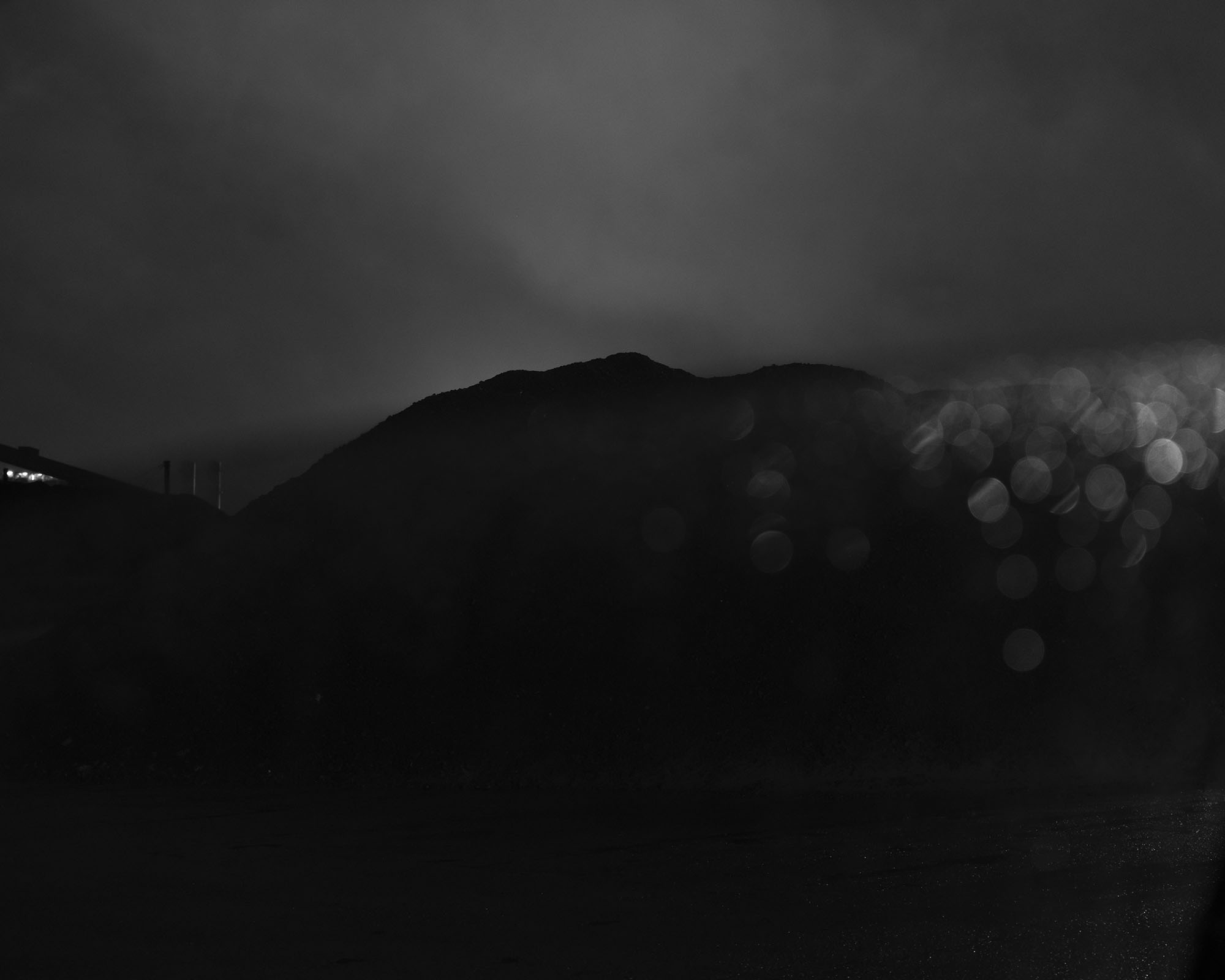
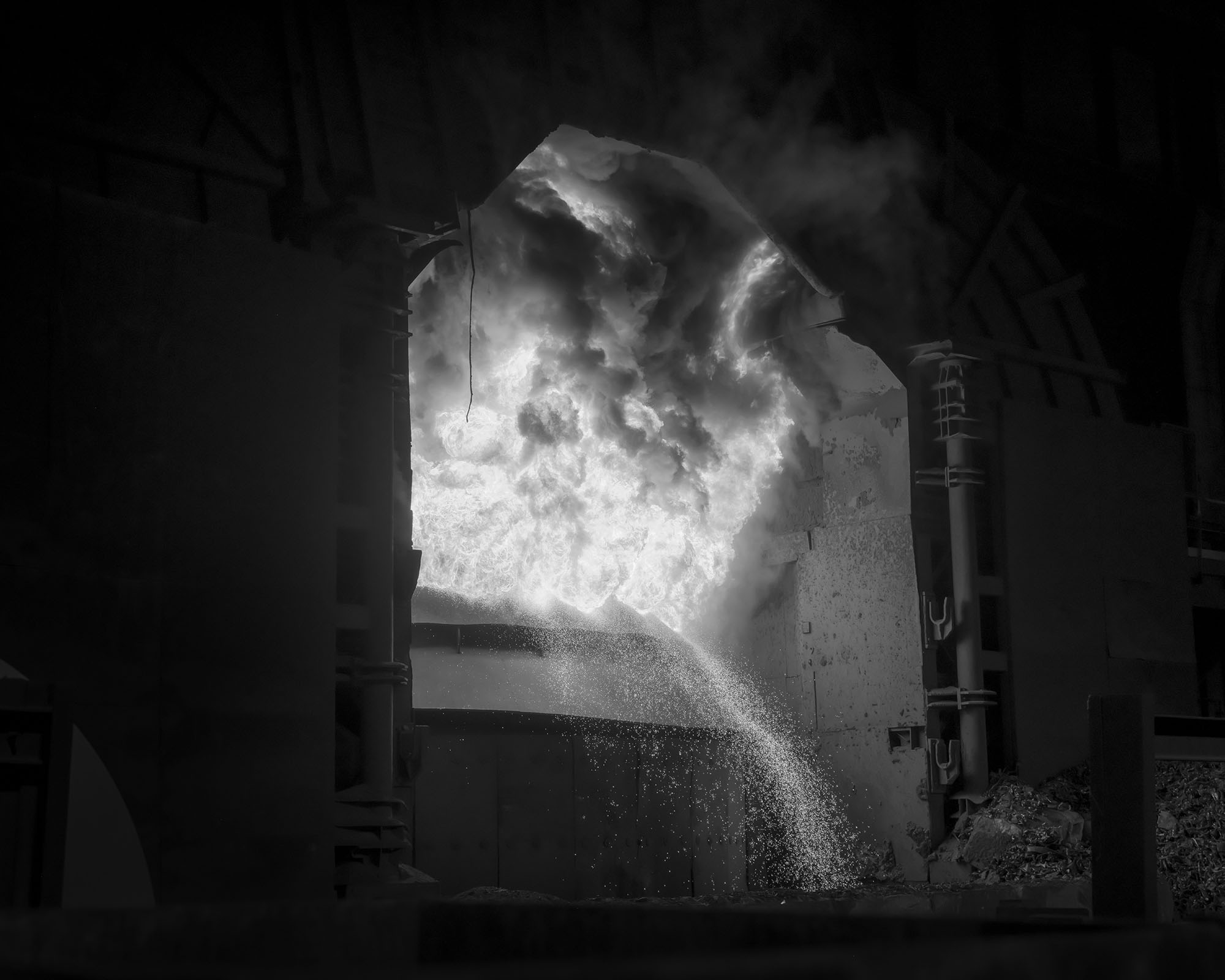
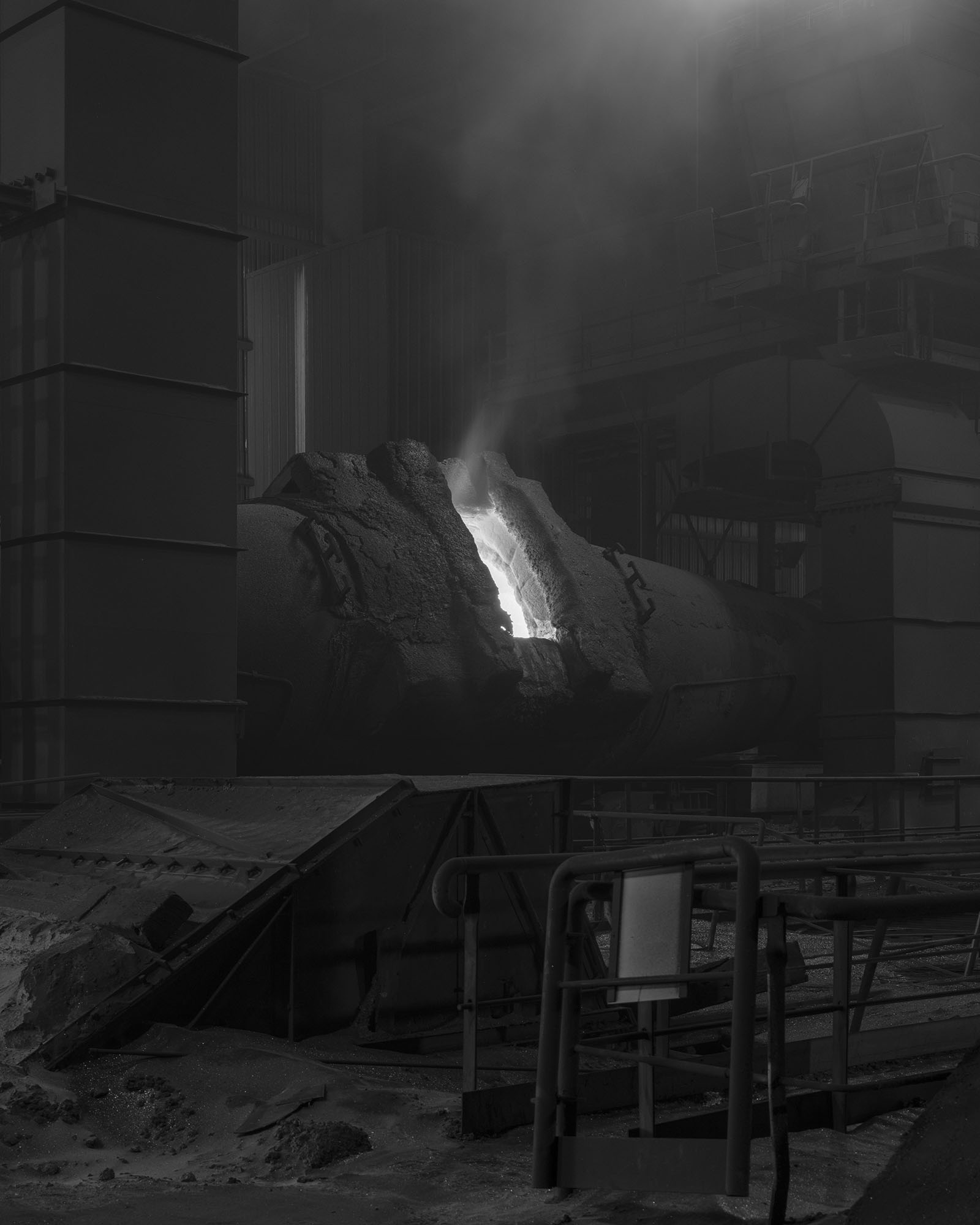
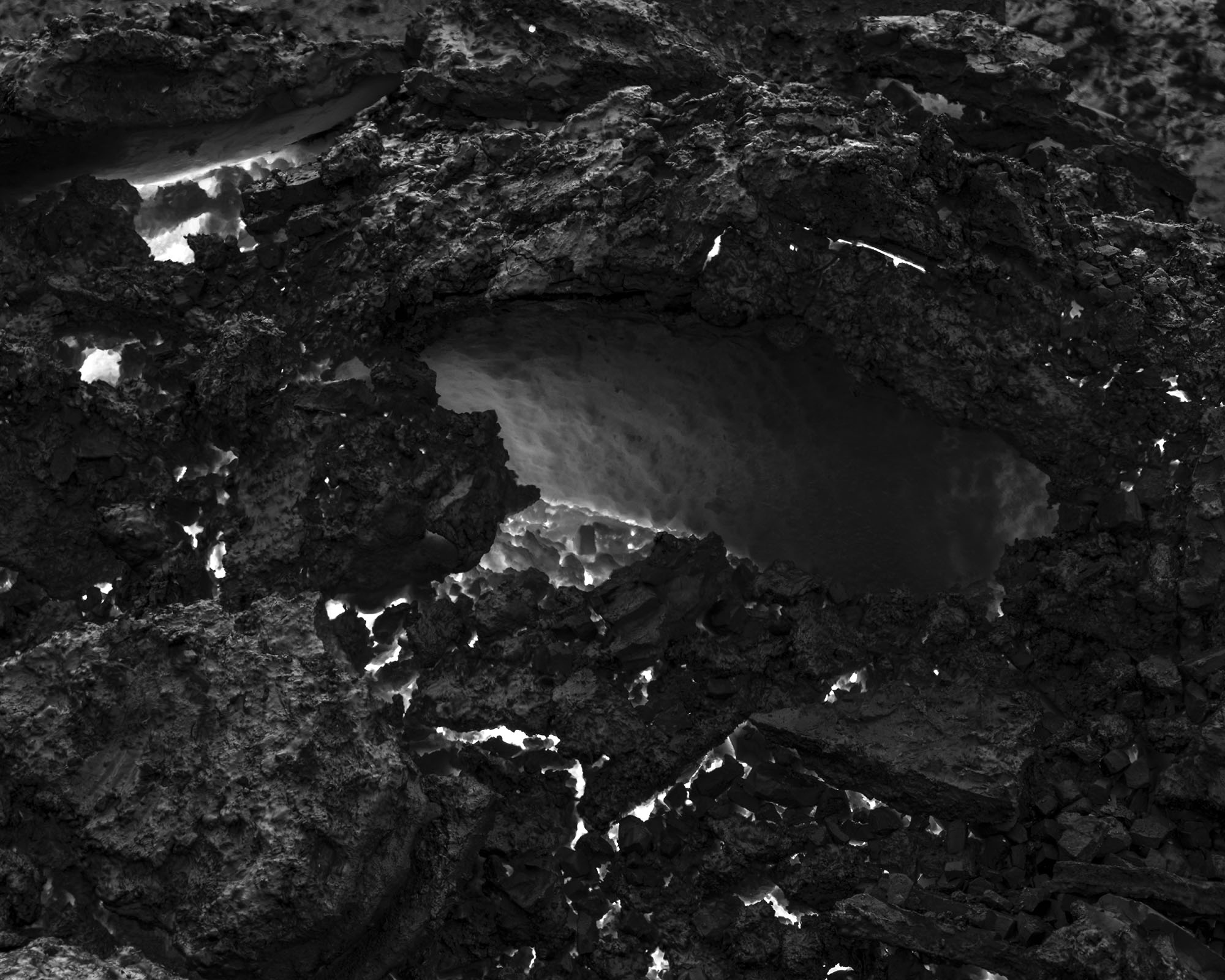
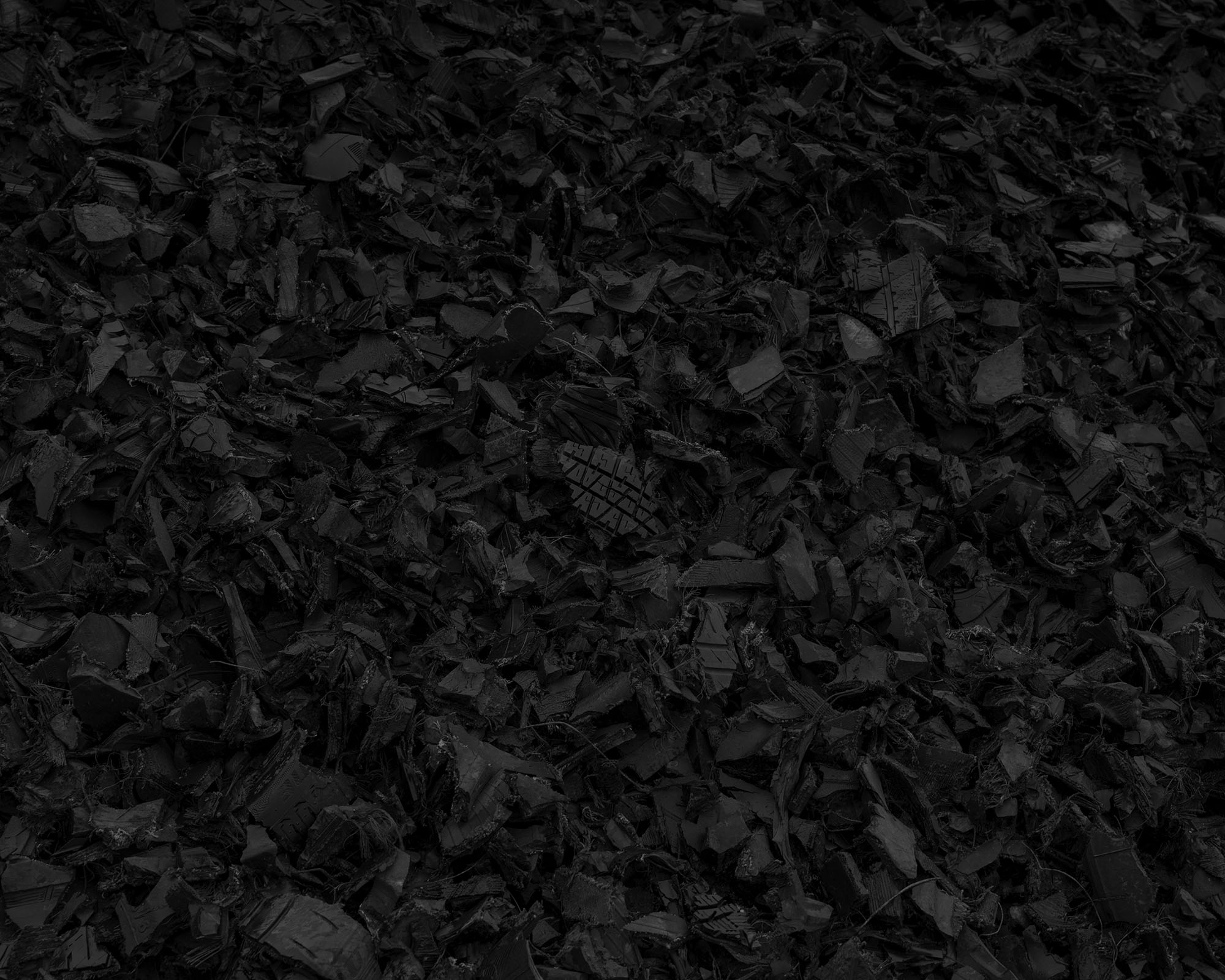
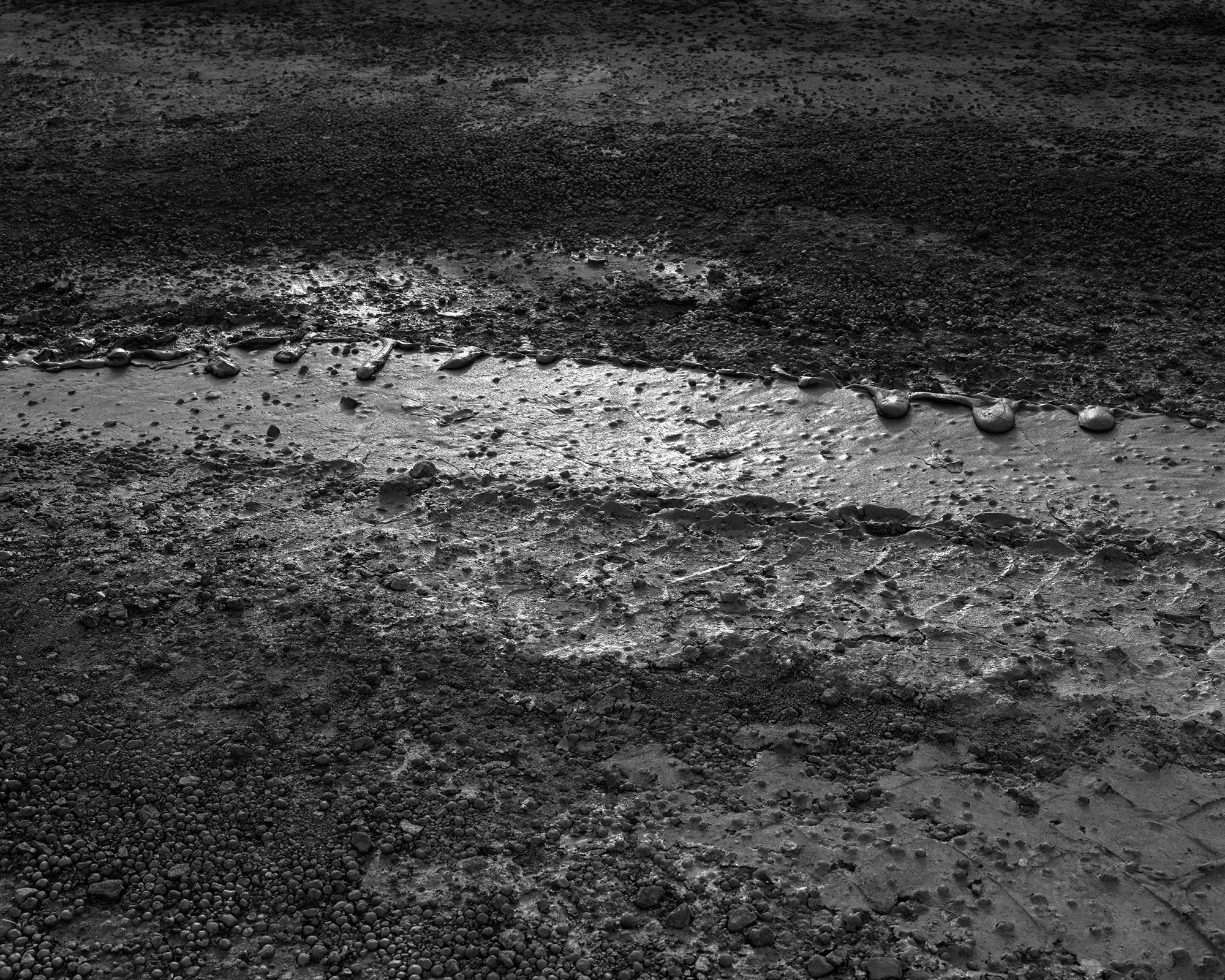
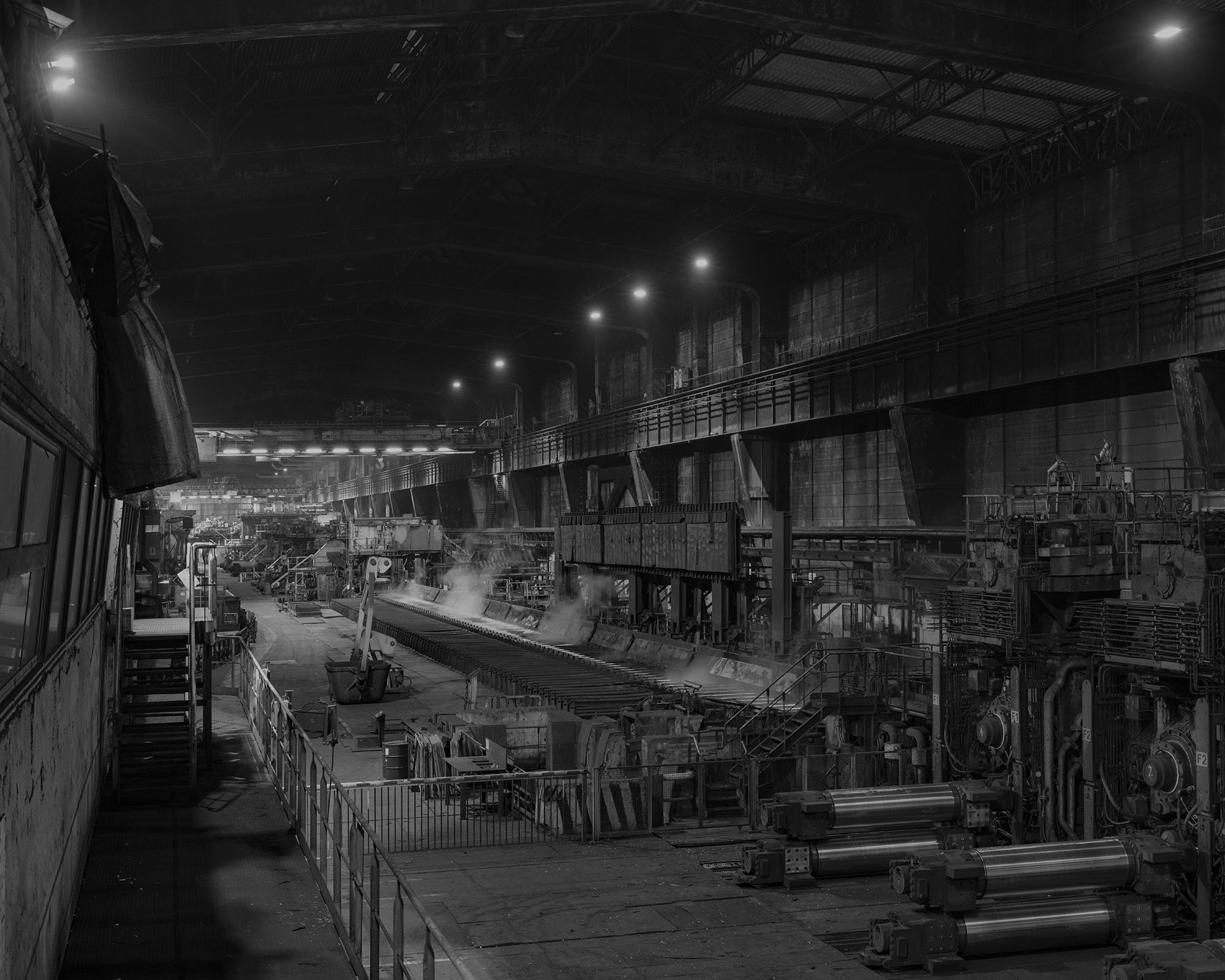
Dunkirk, where Jendly made this series, is reported to be the most polluting industrial site in France. It emitted 8.5 million tonnes of CO2 in 2024, around 14% of the country’s total industrial emissions.
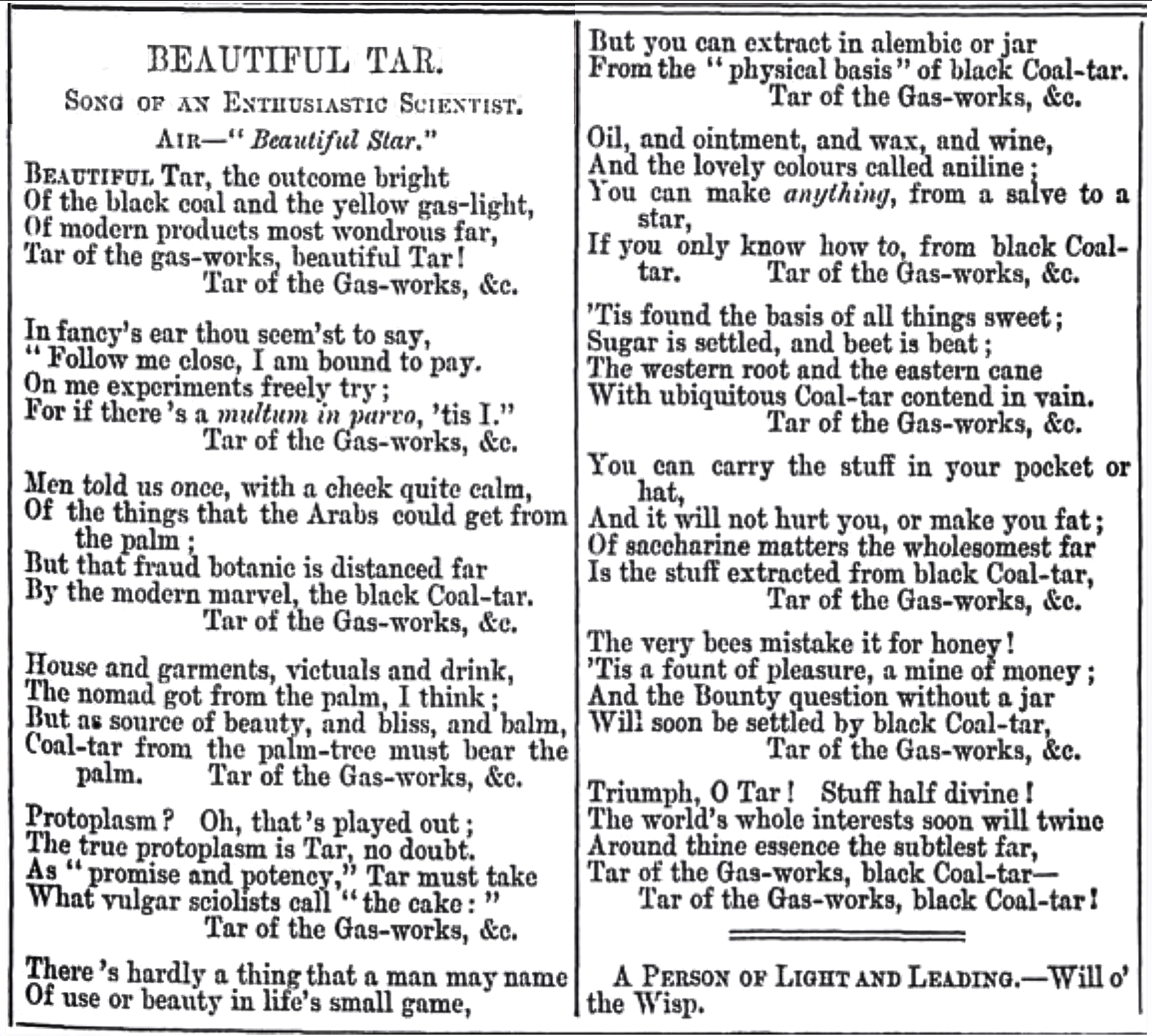
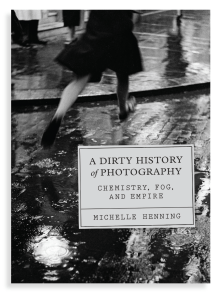
It takes Michelle Henning, professor in Photography and Media at the University of Liverpool, UK, to remind us, in her revelatory 2026 publication A Dirty History of Photography: Chemistry, Fog, and Empire (University of Chicago Press), partly based on deep research into the archives of British photographic materials manufacturer Ilford Limited (founded 1879), that photography was a chemical Frankenstein ‘creature’ born in total darkness out of coal-based, extractive, smog-generating, fossil fuel capitalism, made sensitive to colour by the aniline dyes derived of jet-black gasworks tar vaunted here in Punch of September 1888, from which Henning quotes:
Henning sets out her arguments in 36 ‘exposures’, the number of shots in a longer roll of 35mm film, which are short essays on the troubled relationship to capital and industry of our medium; it might be used in the cause of medicine, but at the same time is contributing to ill-health.
Manufacturing of film and paper emulsions took place amidst the coal mining and chemical industries that so pollute the air that, given the sensitivity of photo-chemistry to dust, humidity, atmospheric chemical contamination, and changes in temperature, its processes of production must be ‘encapsulated’ in sealed and controlled, air-conditioned laboratories.
Henning regards atmosphere, both meteorological and aesthetic, photographic ‘fogging’ and aerial fogs and smogs, as entangled, since her discovery of an office memo dated 19.1.23 to a Mr.Crossley in Ilford titled ‘Coating in fog’:
“We have definitely decided that in future coating of any kind of emulsion must not be commenced or proceeded with during a fog as the risk is not worth the small gain we aim at in coating during a fog,”
Those ‘fogs’ are released into the air by the very industries on which chemical photography is both dependent and by which it is made. While her concentration is part of a ‘material turn’ in photo theory, on the means and the materiality of photography, she overlays a reading of images of atmosphere as signifying reverie, sentiment or memory—such as we find in the impressionistic misty modernisms of pictorialism through to the sandstorm of grain of a Masahisa Fukase—but also Walter Benjamin’s reference in The Work of Art in the Age of Mechanical Reproduction to ‘aura’ as “to breathe the aura of those mountains,” against Mussolini’s deployment of poisonous gas against Libya and the Ethiopians by which “aura is abolished in a new way.”
Photography, and we photographers, especially now in the age of digital and AI, are complicit.


