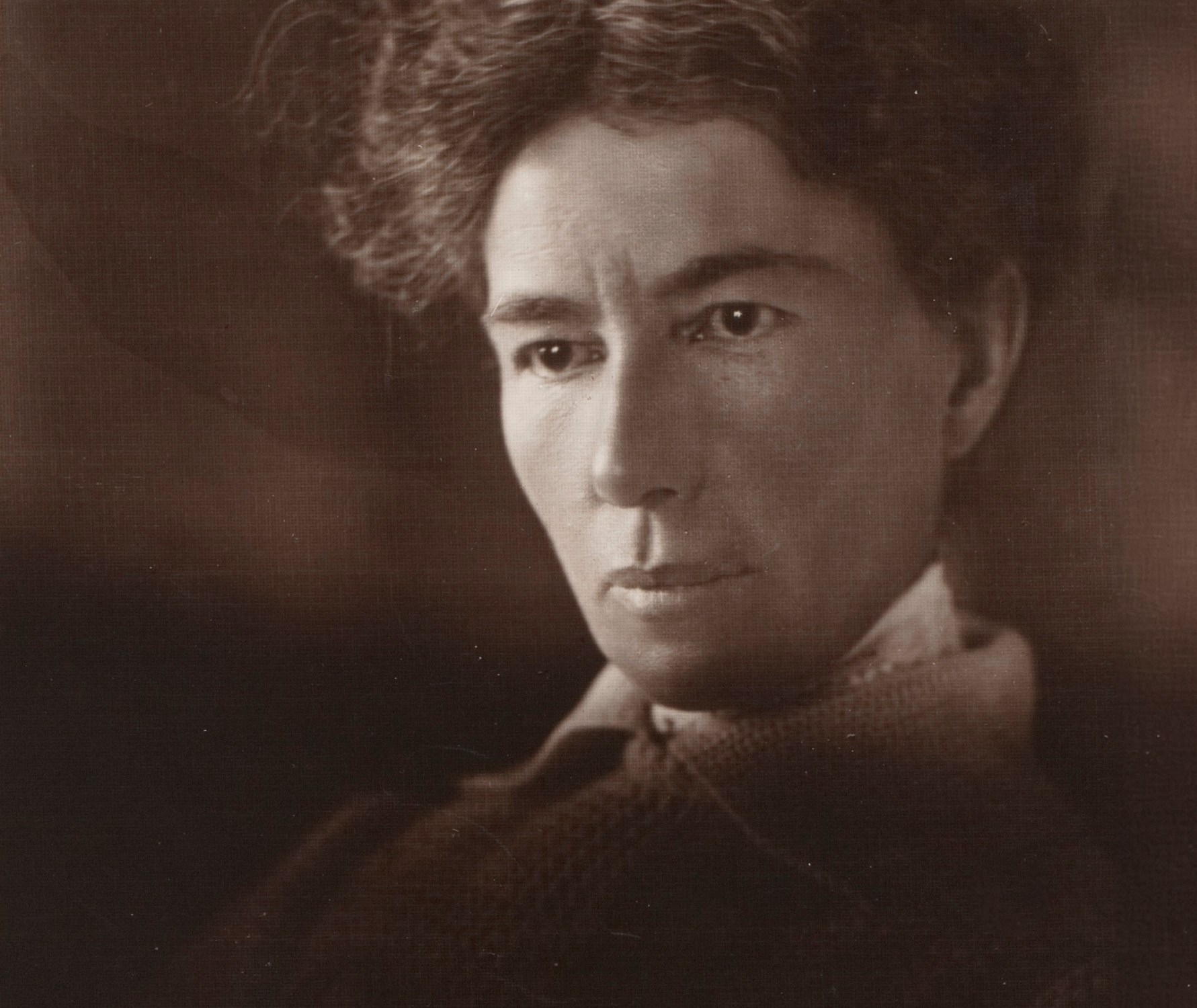
 What is that ineffable quality by which personality may be preserved in the best still image?
Castlemaine Art Museum is currently showing in its Higgins and Benefactors’ galleries Portraits from the Collection. Included are a number of photographs, many of them being of artists whose works were collected by former, long-serving director Peter Perry.
Many have not been shown before and while some are by very significant Australian 19th, 20th and 21st-century photographers, in every case it is the subject whose importance warranted their acquisition, while the maker may be unknown or forgotten.
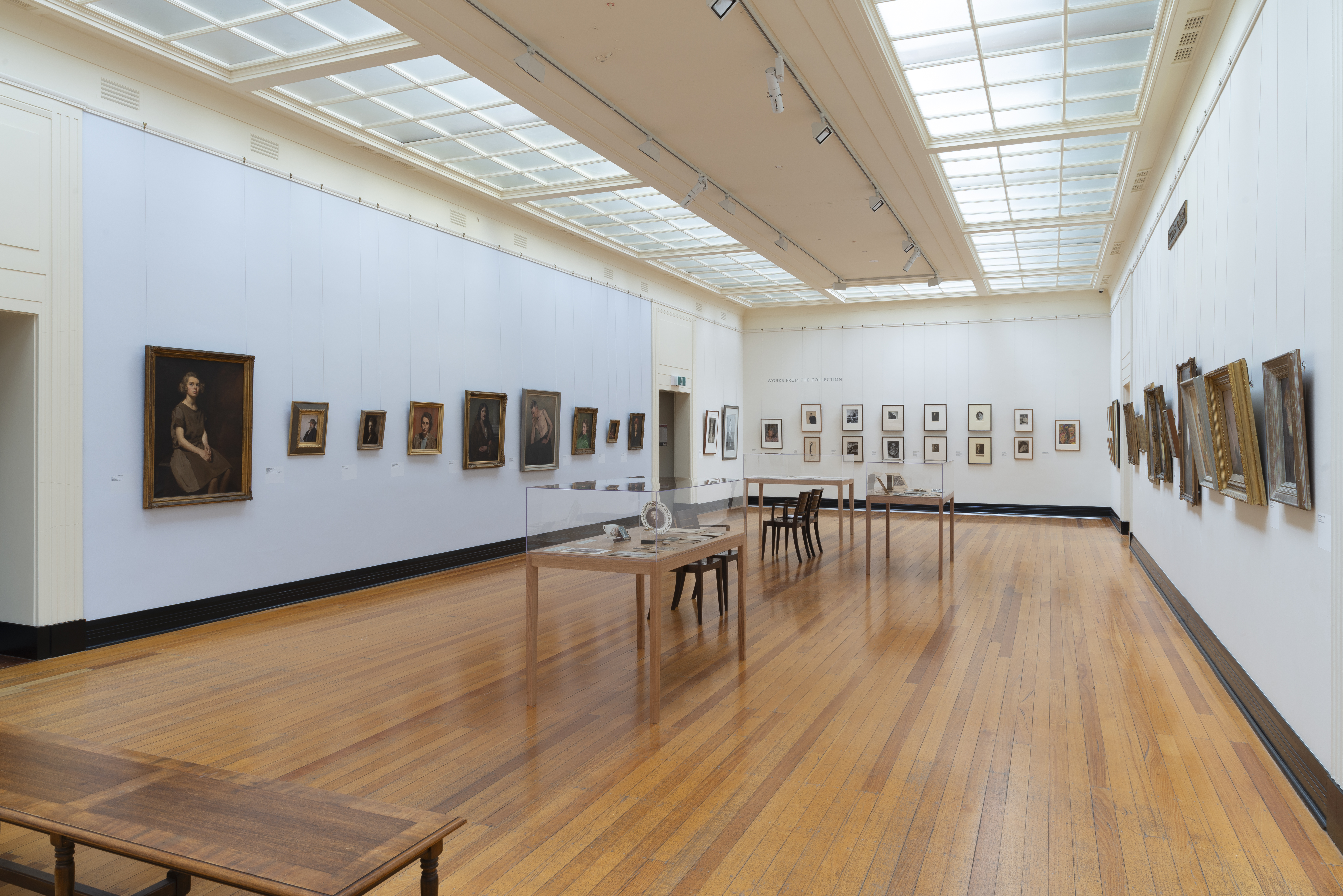
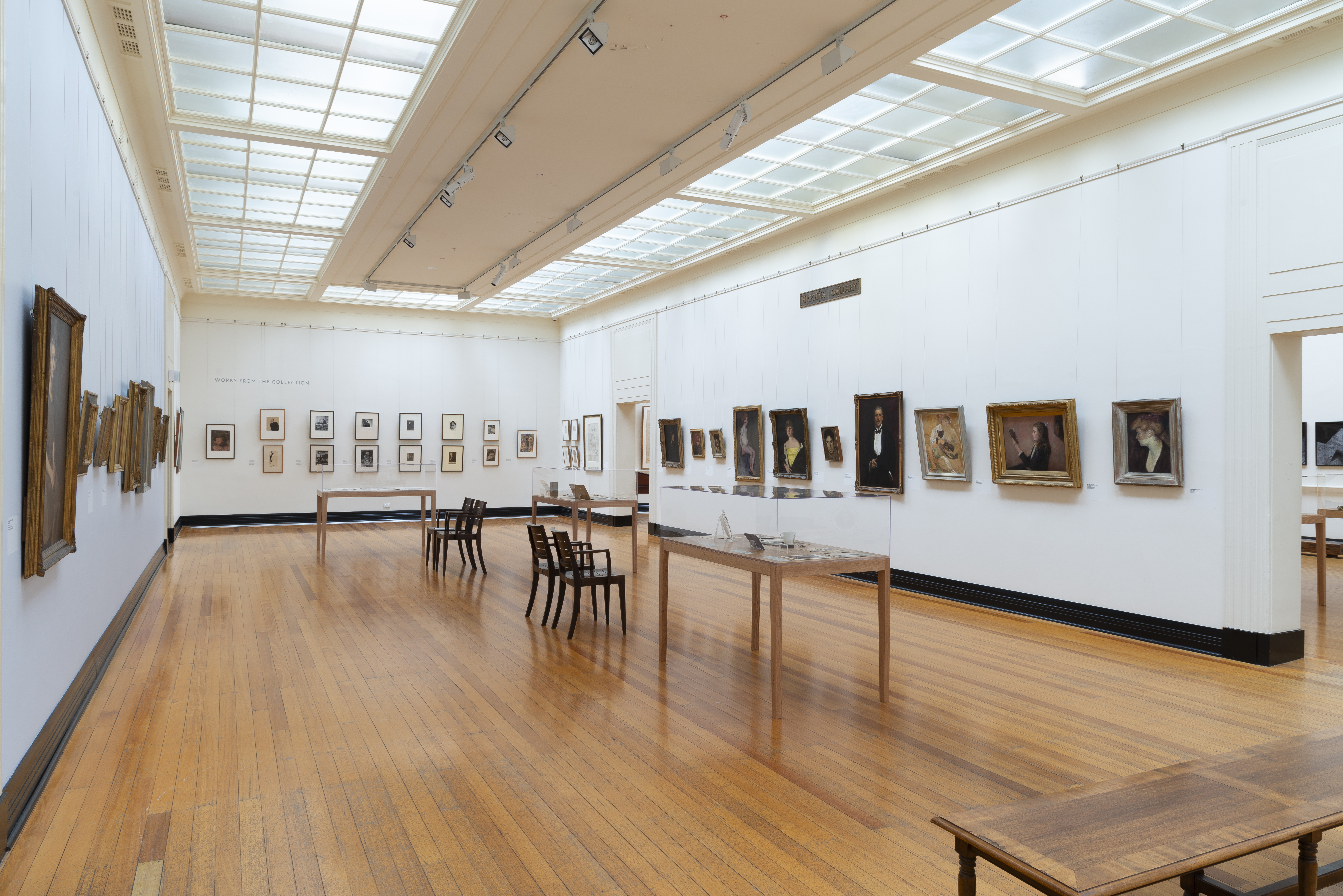
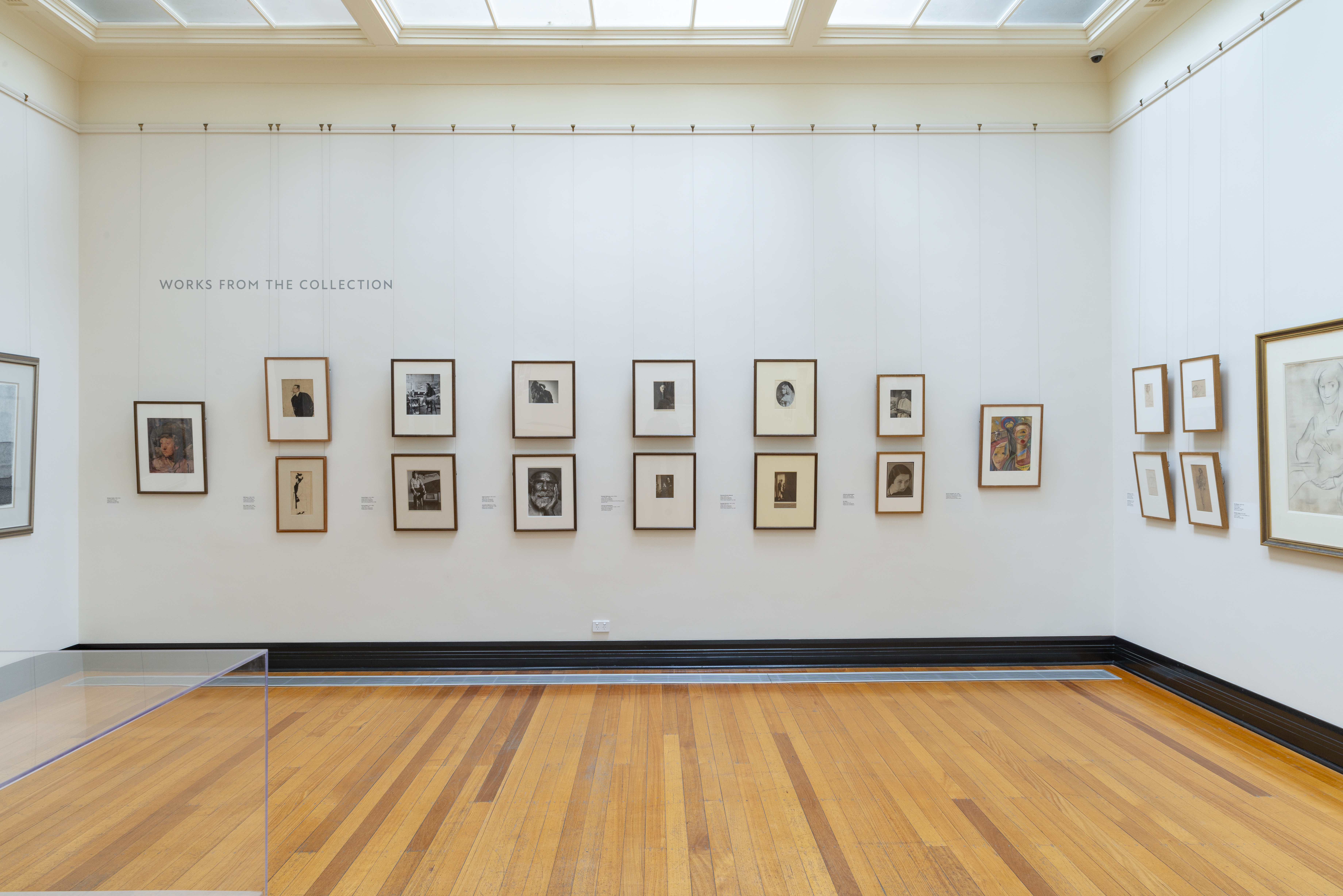
There are works by well-known photographers, though amongst those shown in the vitrines are pictures of local personalities by less familiar Castlemaine and Melbourne photographers.
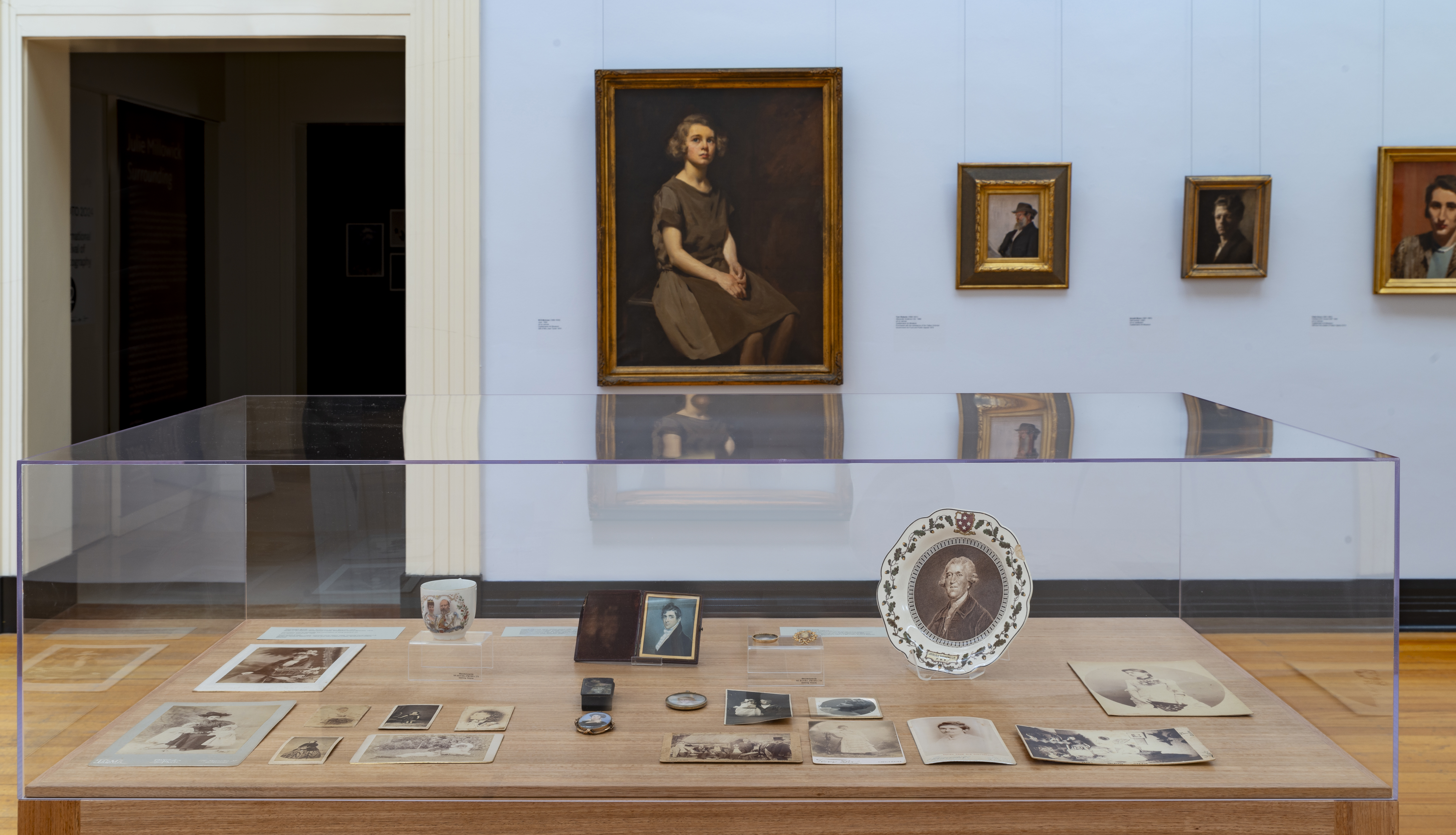

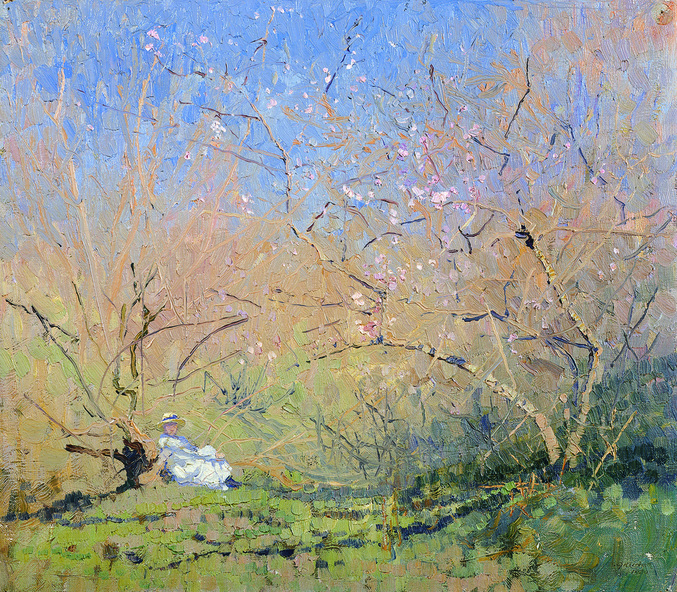
On the west wall is a portrait of Elioth Gruner whose name, and his Spring frost of 1919 (AGNSW collection), are still recognised by most Australian art lovers, and whose dazzling quasi-impressionst painting in the Castlemaine collection In the Orchard, is popular with visitors.
However his photographer, Rudolph Buchner, was unknown to me. His biography at the National Portrait Gallery is brief, with mention of a few of his subjects, including Gruner:
“Little is known of Rudolph Buchner, a Sydney photographer whose parents lived in Manly. He interrupted his practice to serve in World War 1, but returned to the city afterwards.”
With a bit of digging I discovered that Rudolph David Buchner’s parents Abraham and Leah lived at 106 Miller Street, North Sydney, a well-to-do part of town serviced by a new cable tram, and later lived at a still more desirable location at 84 North Steyne, overlooking Manly beach. According to army records, Rudolph, known by friends and family as ‘Dolph’ was born on 31 July 1891.
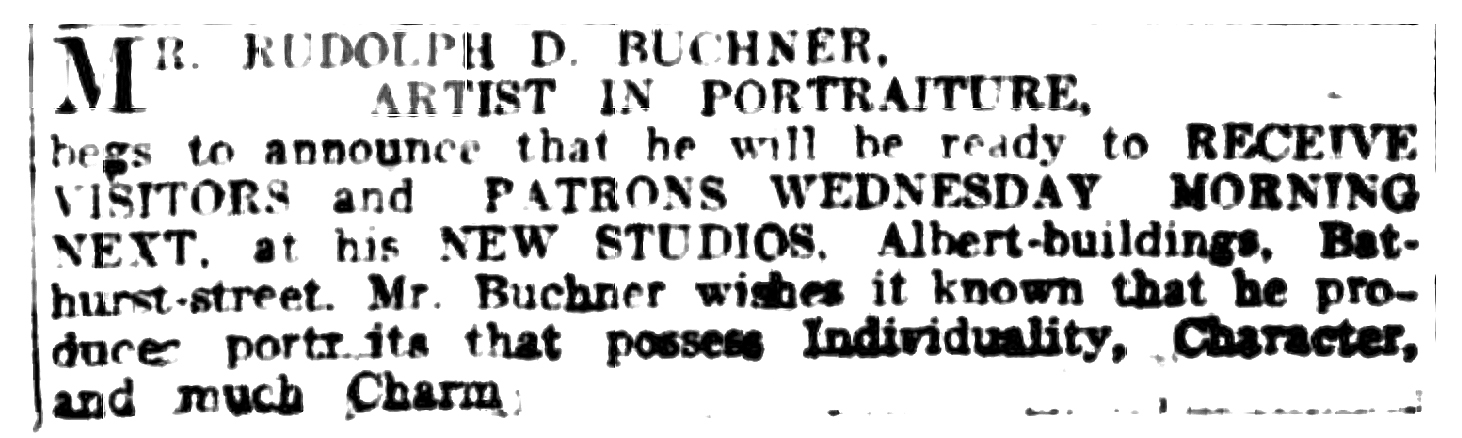
There is no record of Buchner’s training as a photographer, but from the age of twenty-one he worked with evident accomplishment from a studio in the Albert Buildings, 110 Bathurst street, Sydney, advertising that his portraits “possess Individuality, Character, and much Charm.”
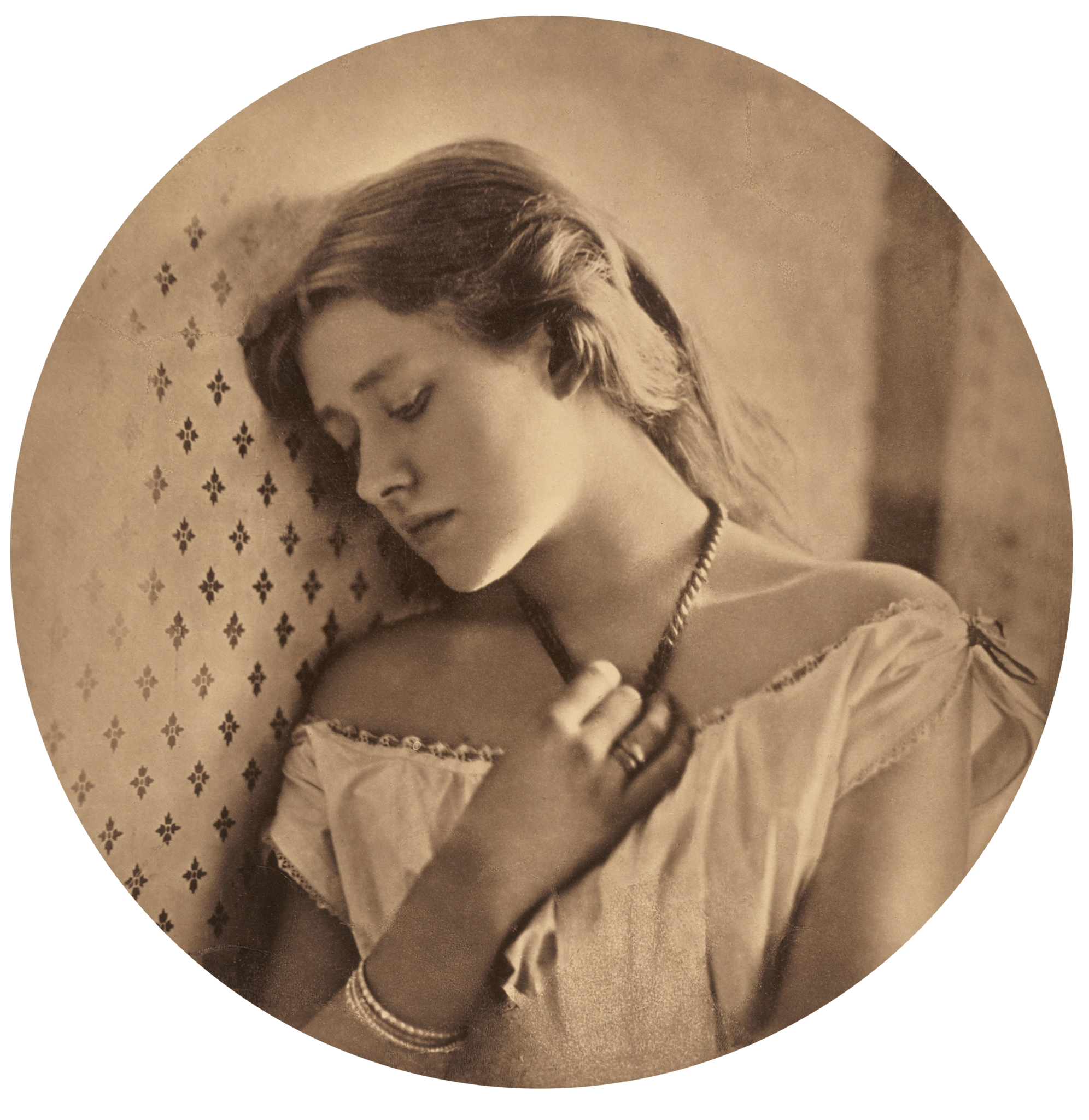
That is not mere hype. There is a remarkable quality that these share that is rare amongst studio portraits As a demonstration, his sitters included leading English actress Dame Alice Ellen Terry GBE (1847 – 1928) whom Julia Margaret Cameron had photographed in 1864 when she was sixteen as an emerging star. Posing for Cameron she leans against patterned wallpaper, necessarily because of the long exposure time the photographer was forced to use for a slow collodion emulsion on a large 22.9 x 27.9 cm plate, and especially with Terry’s face in shade. That prop, and the shadow, the actress exploits to theatrical tragic effect. It is widely imitated; we saw the same slumping against walls on countless album covers, and now in histrionic student photographs.
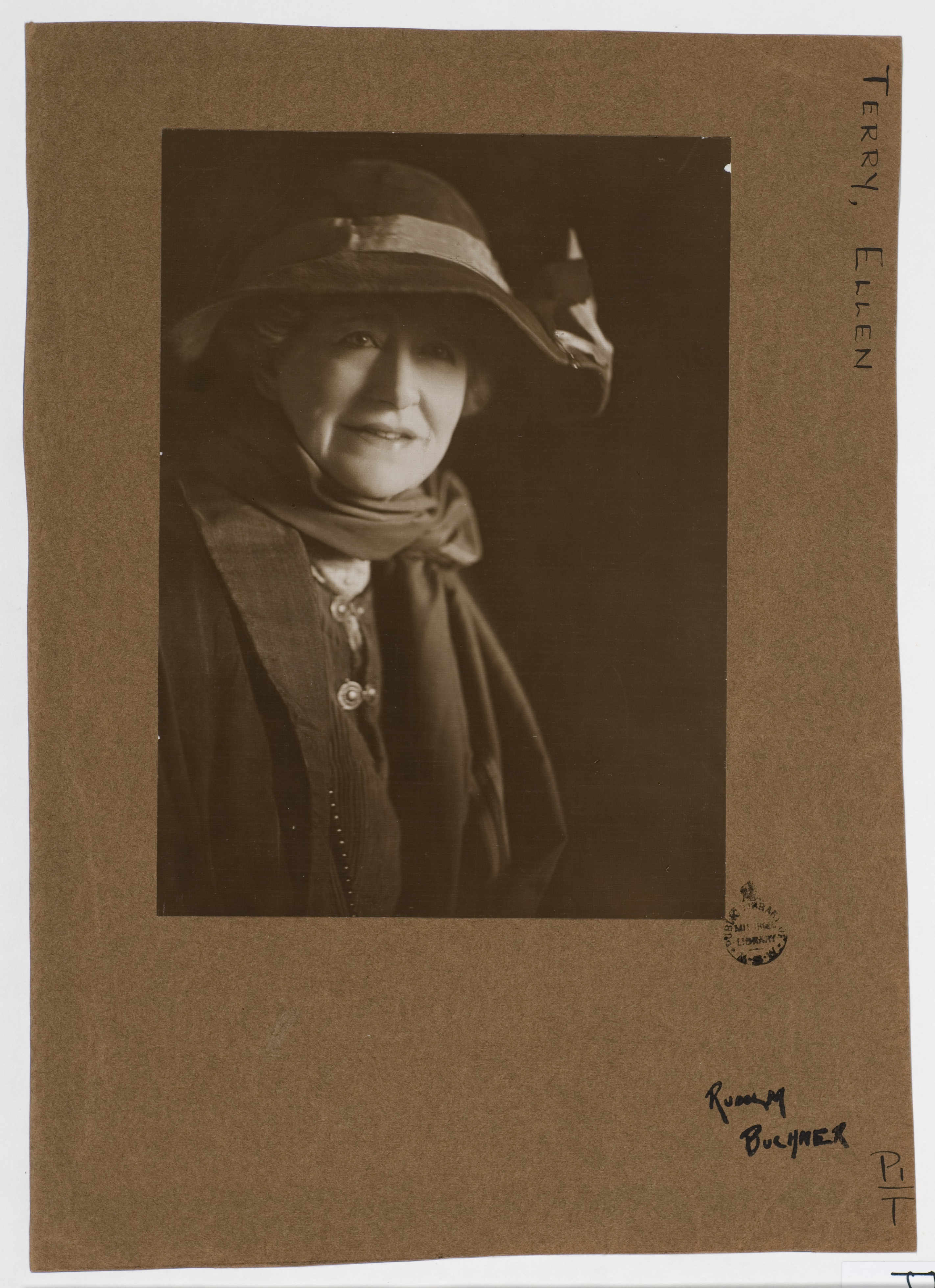
Rudolph Buchner, photographing Terry at sixty-seven during her tour as as a Shakespearean lecturer-recitalist, dispenses with theatricality and instead represents the woman, still beautiful, her creamy complexion preserved, with any signs of age hidden beneath rich cloth and broad hat, and softened by a slight front-focussing of Buchner’s shallow-field portrait lens. Though her sight was then beginning to fade, in Terry’s lively eyes is a boldness and warmth that endeared her to audiences, and the gravity deserved of one who was among the most popular stage performers in both Great Britain and North America and who at 78, in 1925 was to be awarded a Dame Grand Cross of the British Empire.
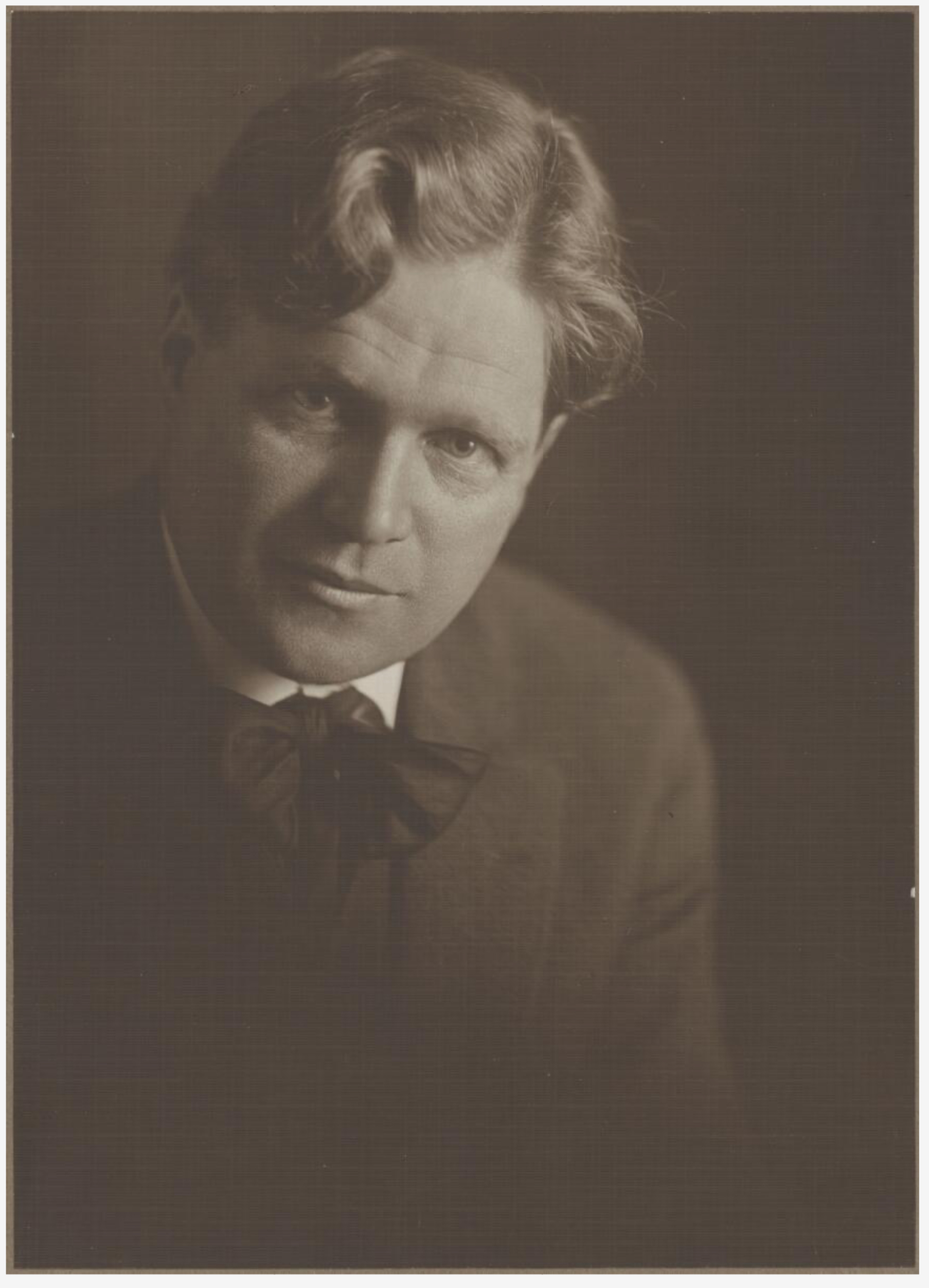
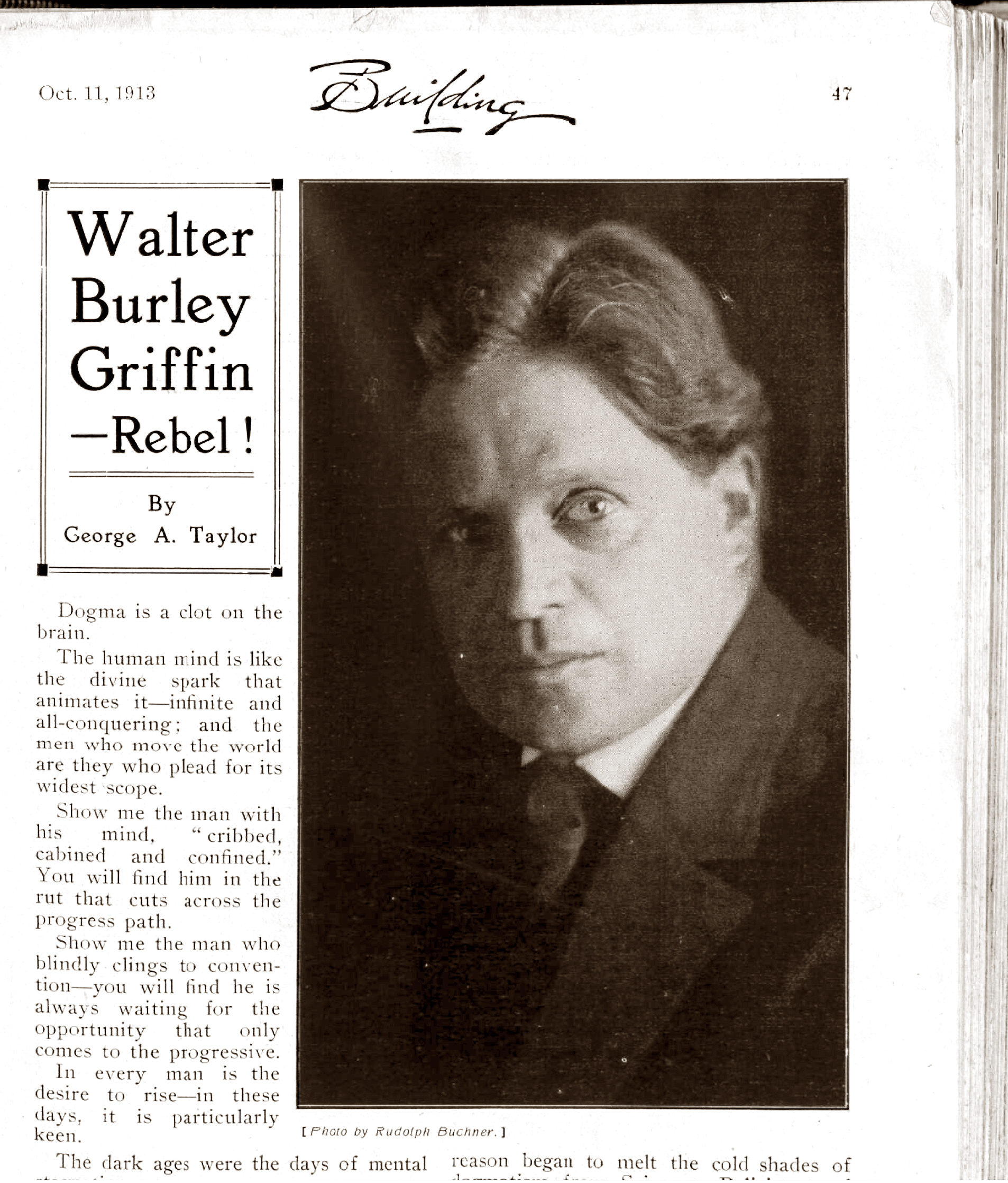
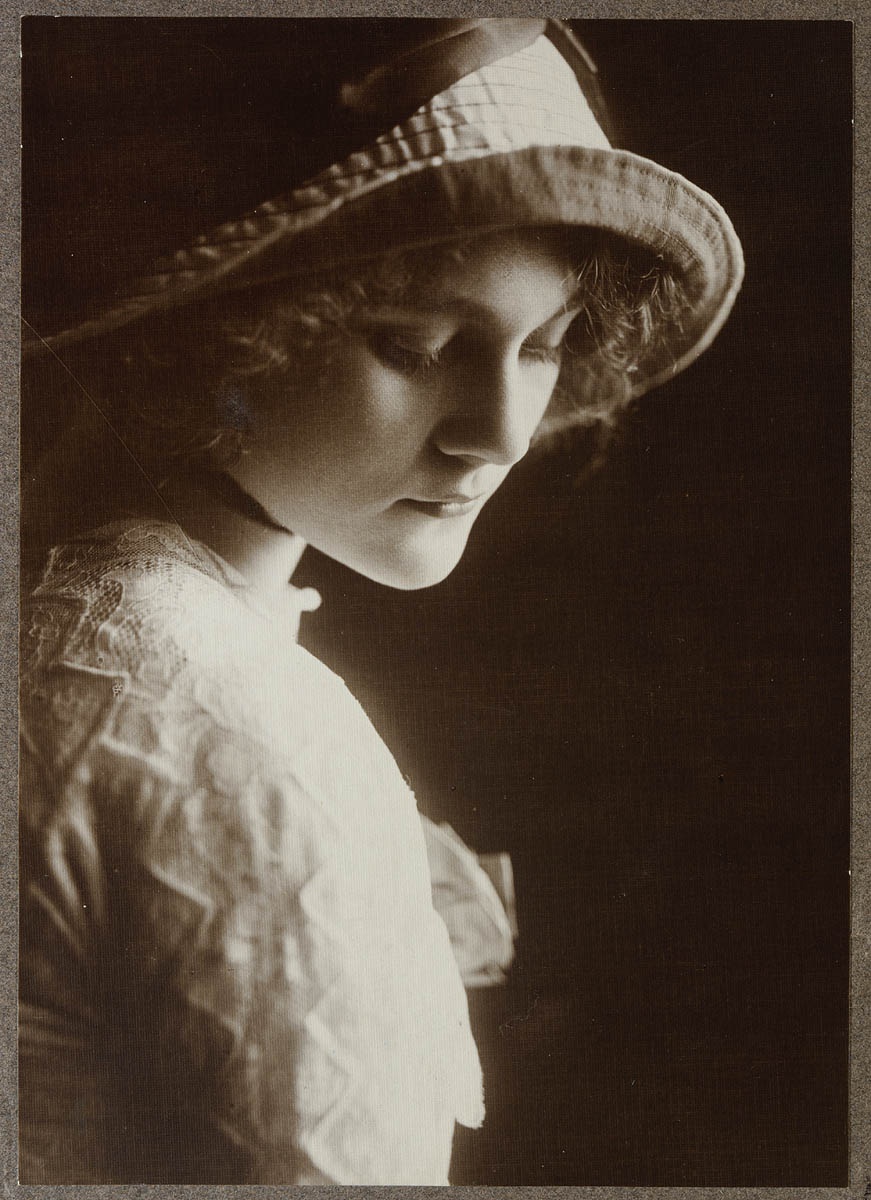
Such attention to his sitters’ personalities one may discern in all of Buchner’s portraits and comes through in these images of architect Walter Burley Griffin, of Louise Lovely (born Nellie Louise Carbasse) credited as being the first Australian actress to have a success in Hollywood; and of writer and feisty feminist-socialist activist, Dame Mary Gilmore:
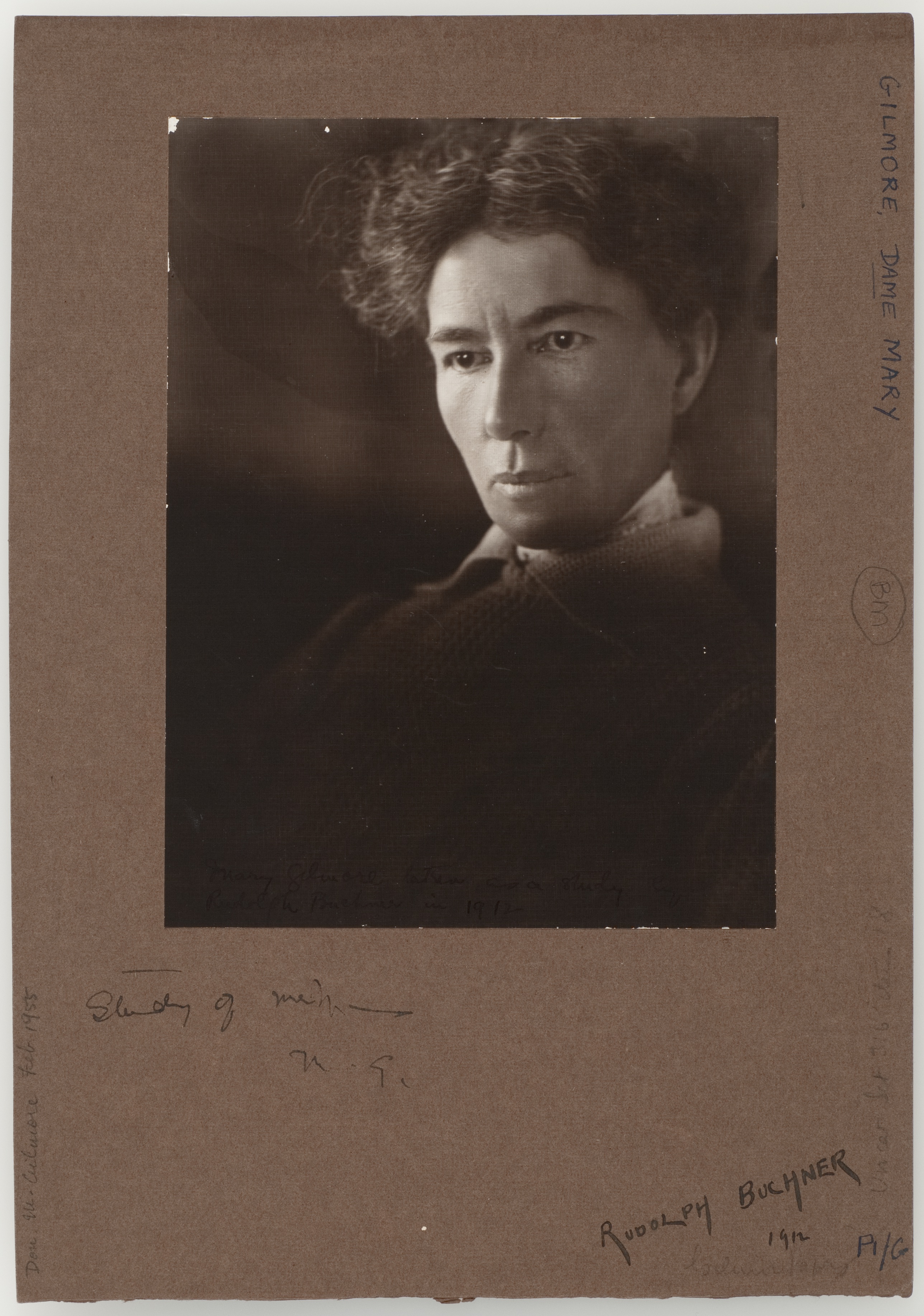
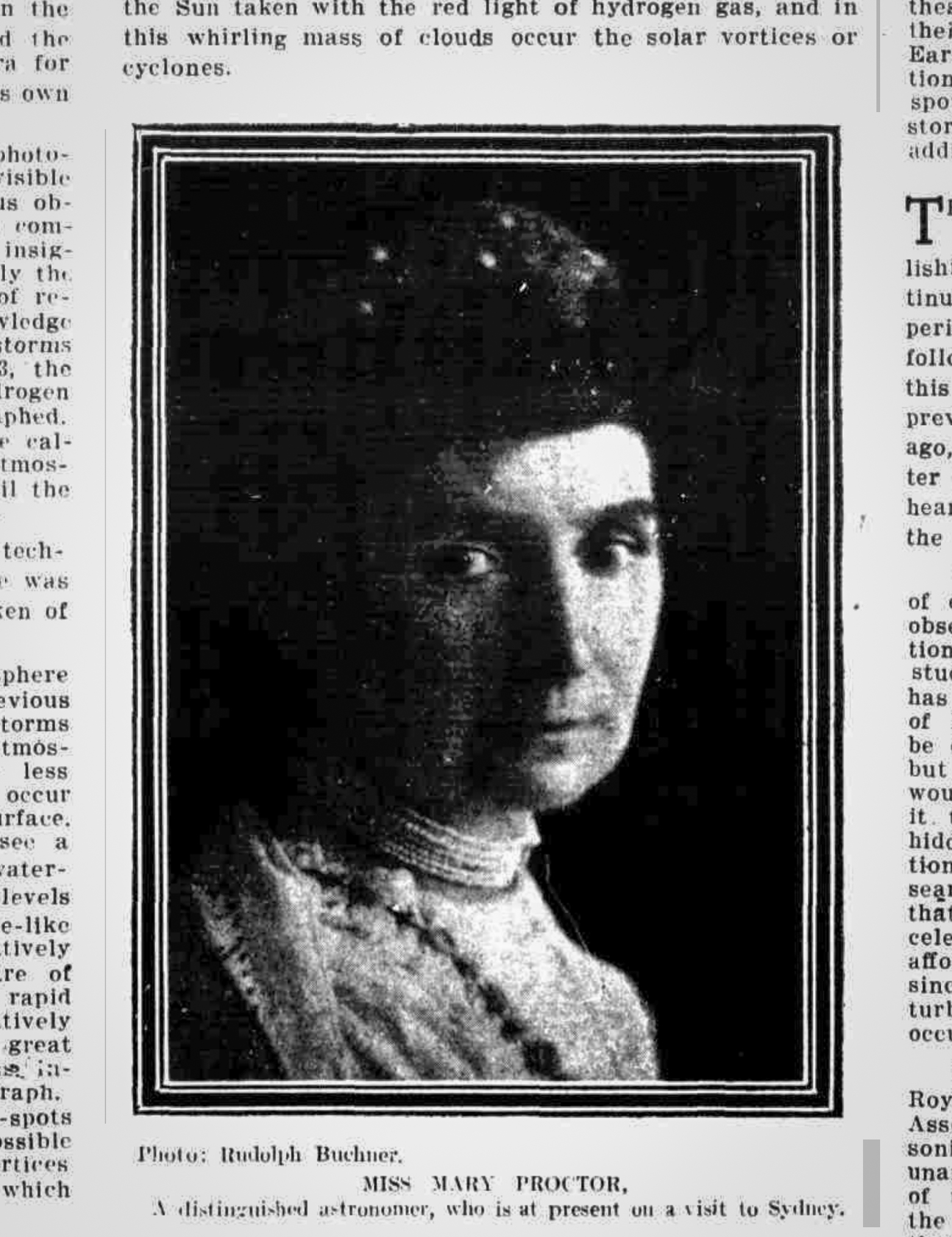
For a quite brief period from 1912 and through the early years of World War One, he recorded the faces of an extraordinary number of celebrities. Buchner’s clients were diverse; the trick roller-skater Jacob ‘Yarka’ Lewis; Will Lawson (1876 – 1957) a popular bush poet, novelist, journalist and historian of Australia; Australian politician Hector Lamond (1865 – 1947) Nationalist Party member for Illawarra in the Australian House of Representatives 1917-1922; Raymond Gosford Watt (1889-1967), lecturer, broadcaster and public relations consultant and foundation member of the New South Wales League of Nations Union (LNU); and Mary Proctor FRAS FRMetS (1862 – 1957) a British-American populariser of astronomy. Each of them, I am sure you will agree, projects an intensity that is rare in such works done commercially.
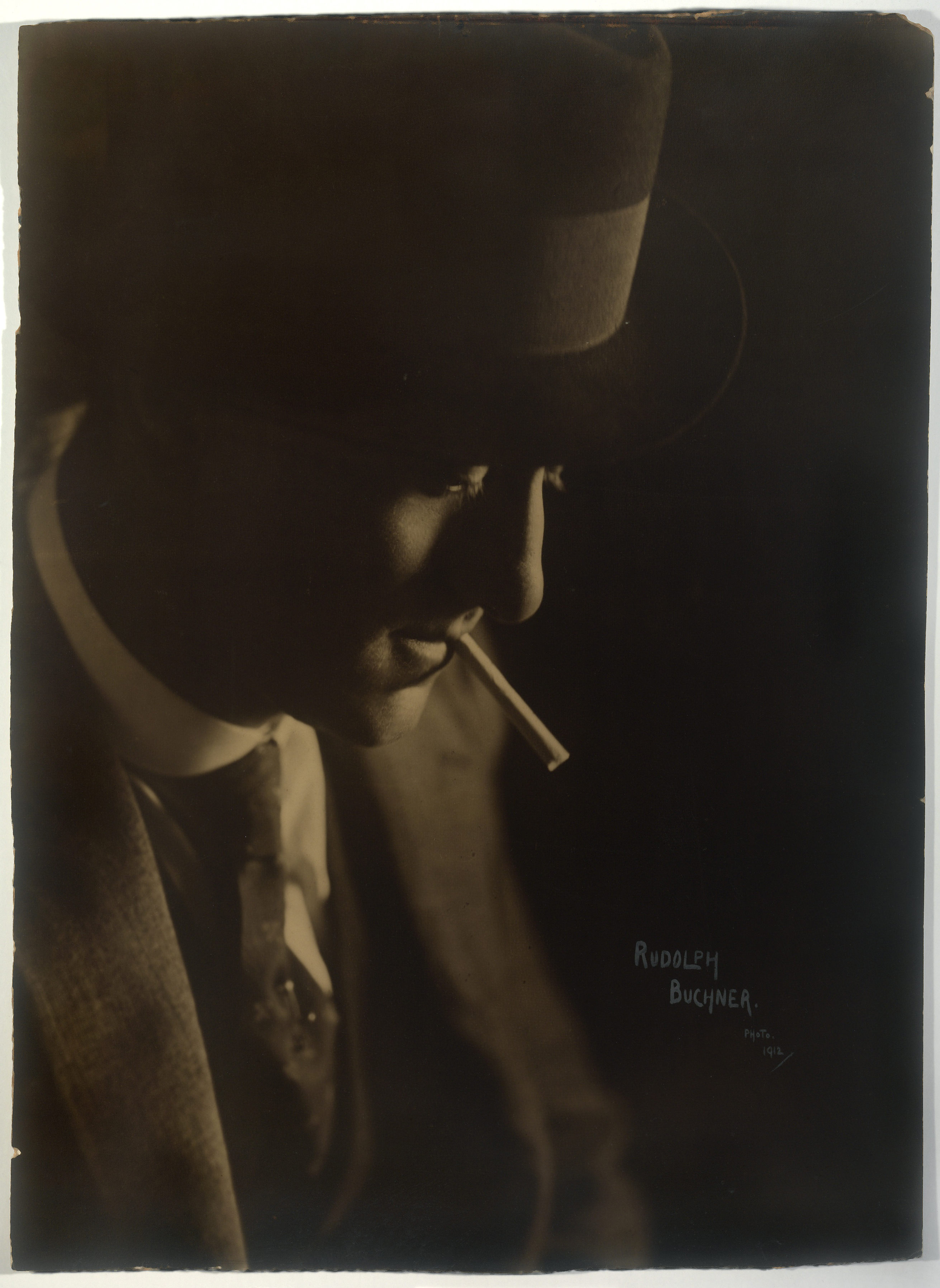
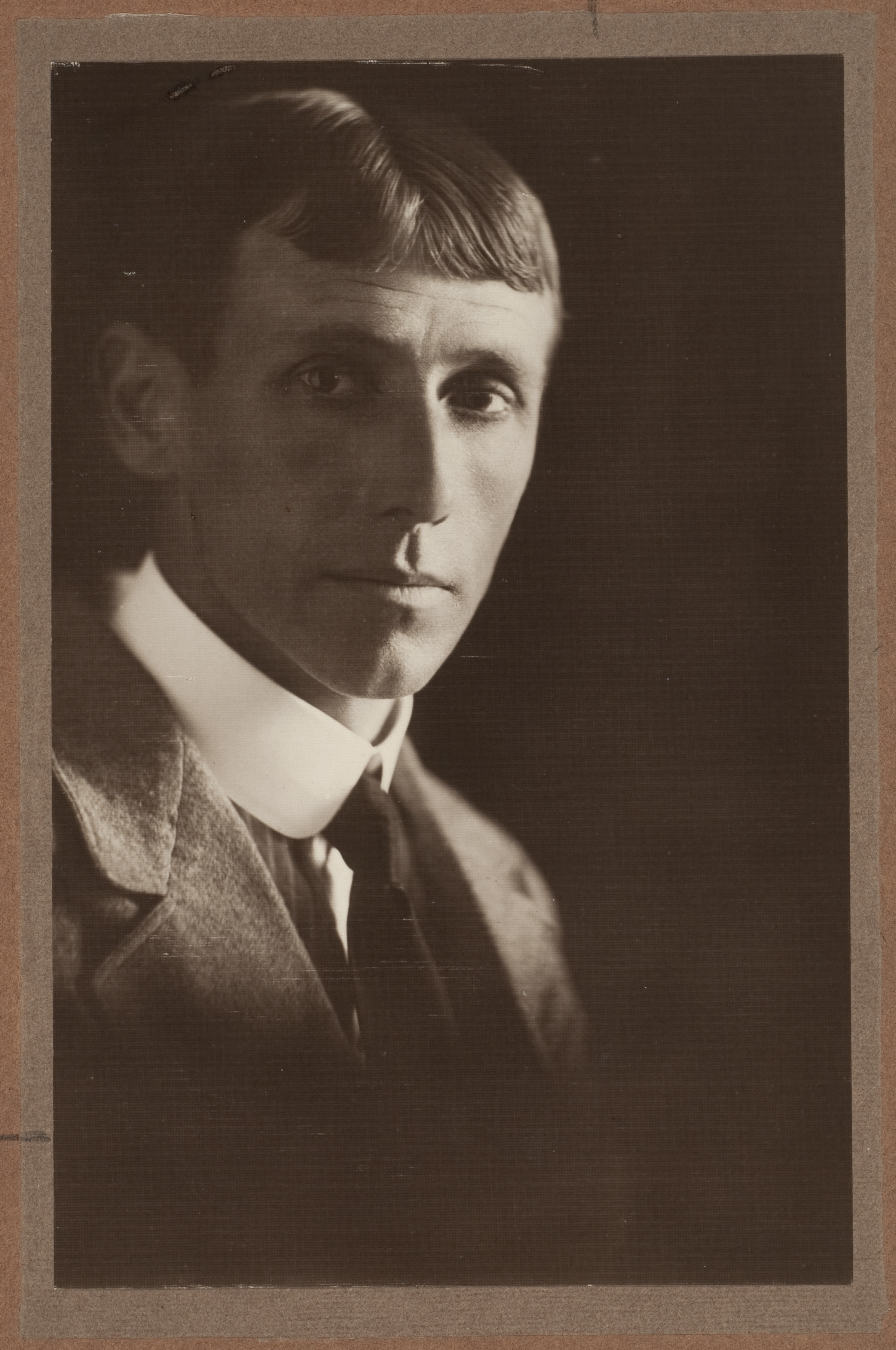
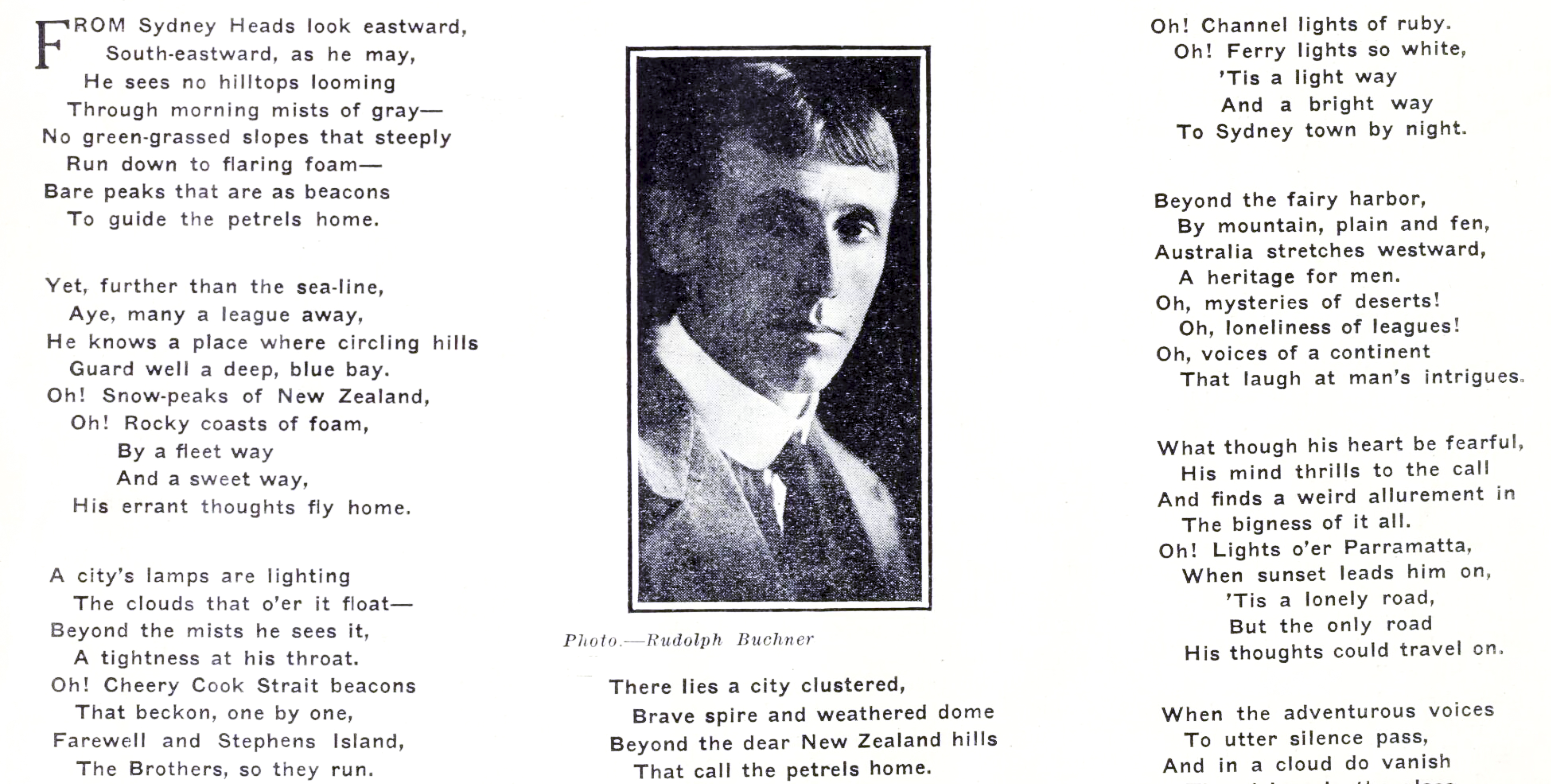
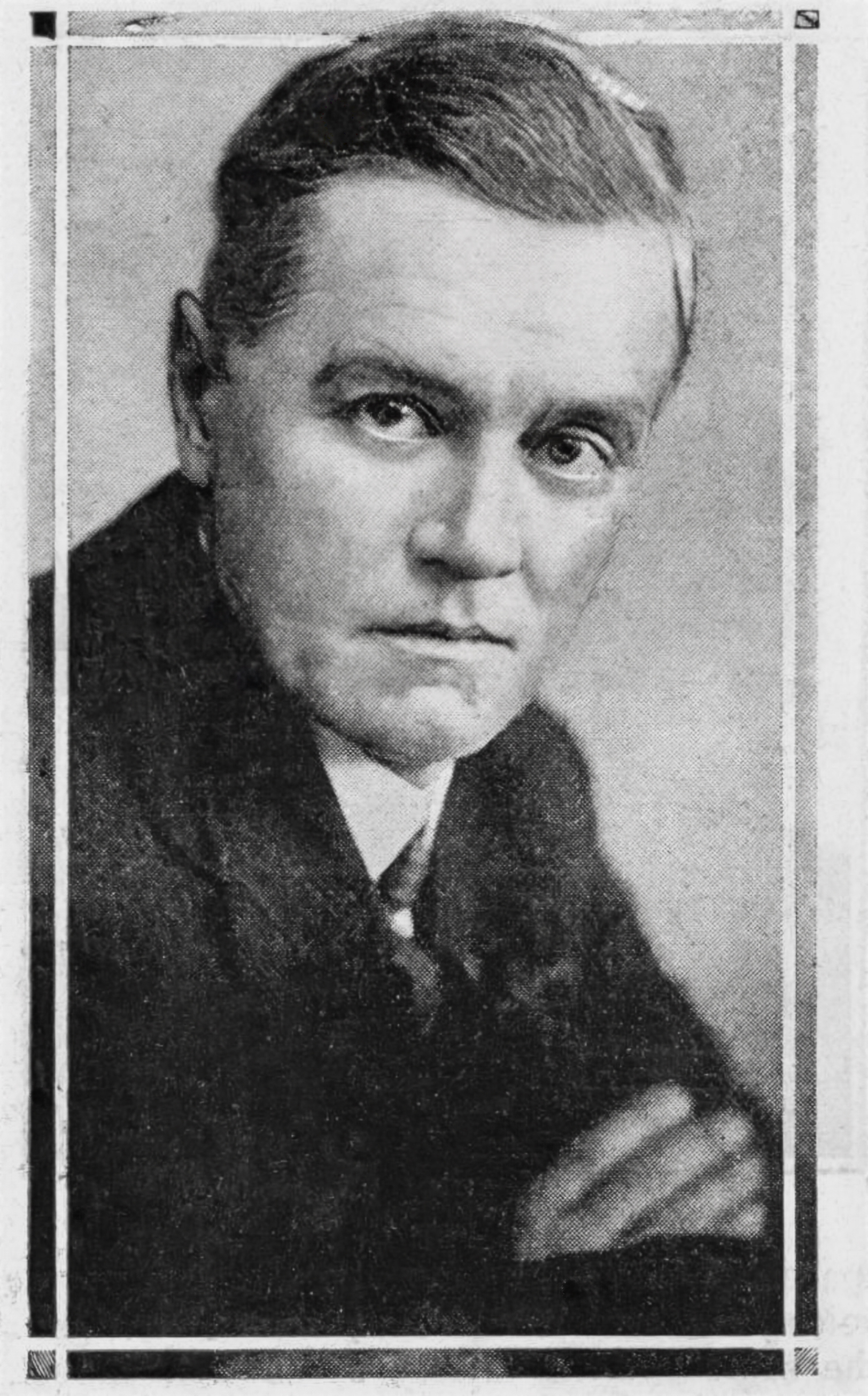
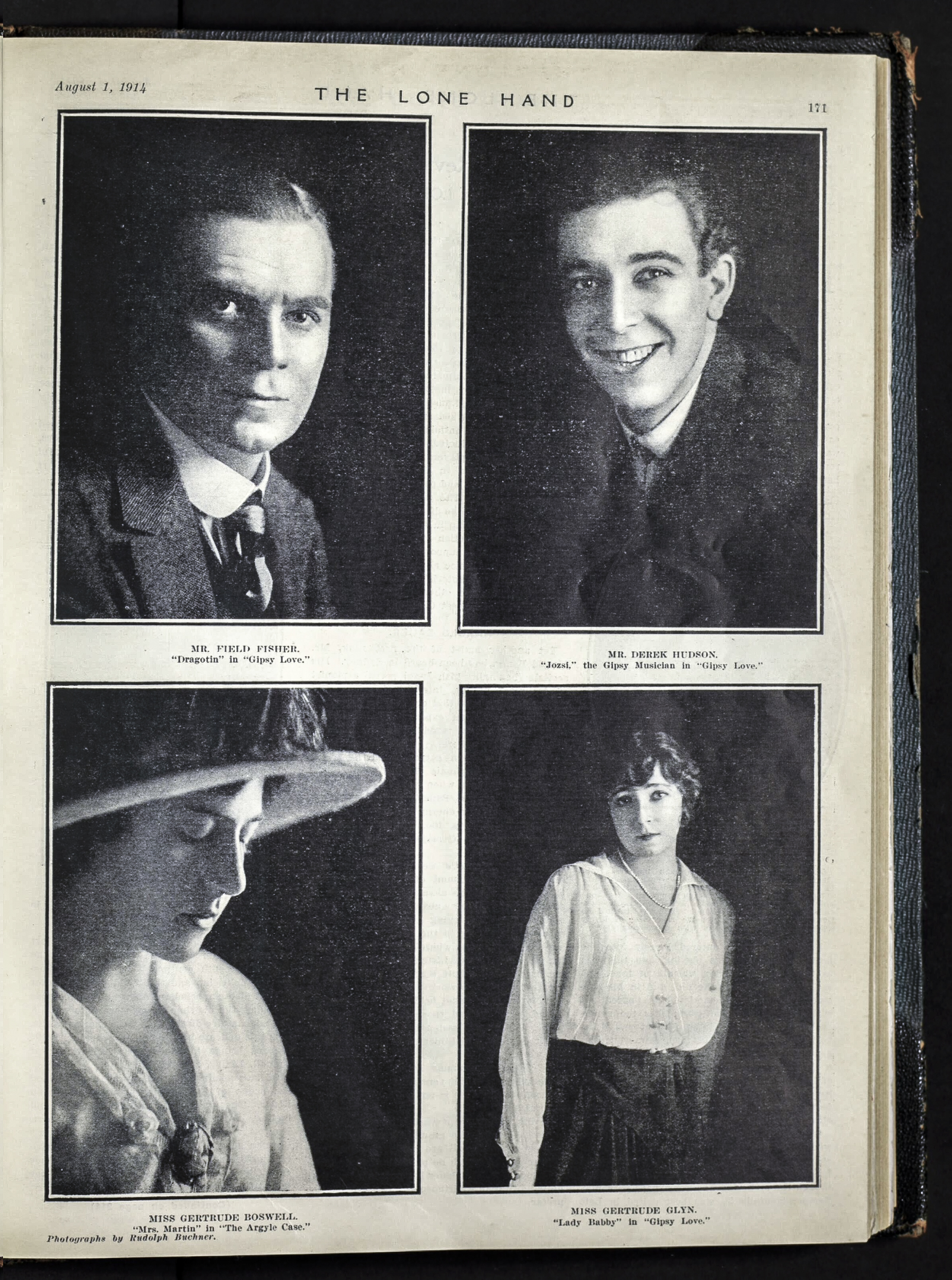
Others included Alexander Prince (1874 – 1928) Scottish early 20th-century vaudeville musician and recording artist who played the concertina; Australian novelist and playwright Louis Stone (1871 – 1935); American pioneer film actor, director and producer Fred Niblo (Frederick Liedtke; 1874 – 1948); stage and film actor Field Fisher; British actor and vocalist Derek Hudson; English musical comedy actress Gertrude Glyn; English baritone singer Robert Henry Kennerley Rumford (1870 – 1957); and Australian stage and film actor Gertrude Boswell.
A favourite device is the way he has his subjects turn their head so that light catches the eye which would otherwise be shaded by the bridge of the nose. There is much to learn from examining them.
Buchner’s portraits, signed by him in an art nouveau lettering style, were of significant Australians and visiting performers from overseas, so they also found a place from about 1912 in The Lone Hand, The Home, The Bulletin, The Sydney Morning Herald and other publications.

In 1913, Buchner advertised for a retoucher and soon felt prosperous enough to donate a guinea (worth about $130 today) to the Central Sydney Synagogue building fund. He formed the Langly Motion Picture Company, as acknowledged in this article in The Moving Picture World of August 1916 when, attracted by the burgeoning U.S. silent film industry, he relocated to America where he had relatives, just when World War I broke out. He was living in the Fillmore district, the centre of the Jewish community in San Francisco. His father, on 1 July, 1916 and on Rudolph’s behalf filed for an ‘Artistic Copyright’, as was necessary in those days, for a photograph: “Australia’s Foundation,” which leads one to wonder if his “writing, directing, and photographing moving pictures” in Los Angeles was profitable, or was only an assurance to his family.
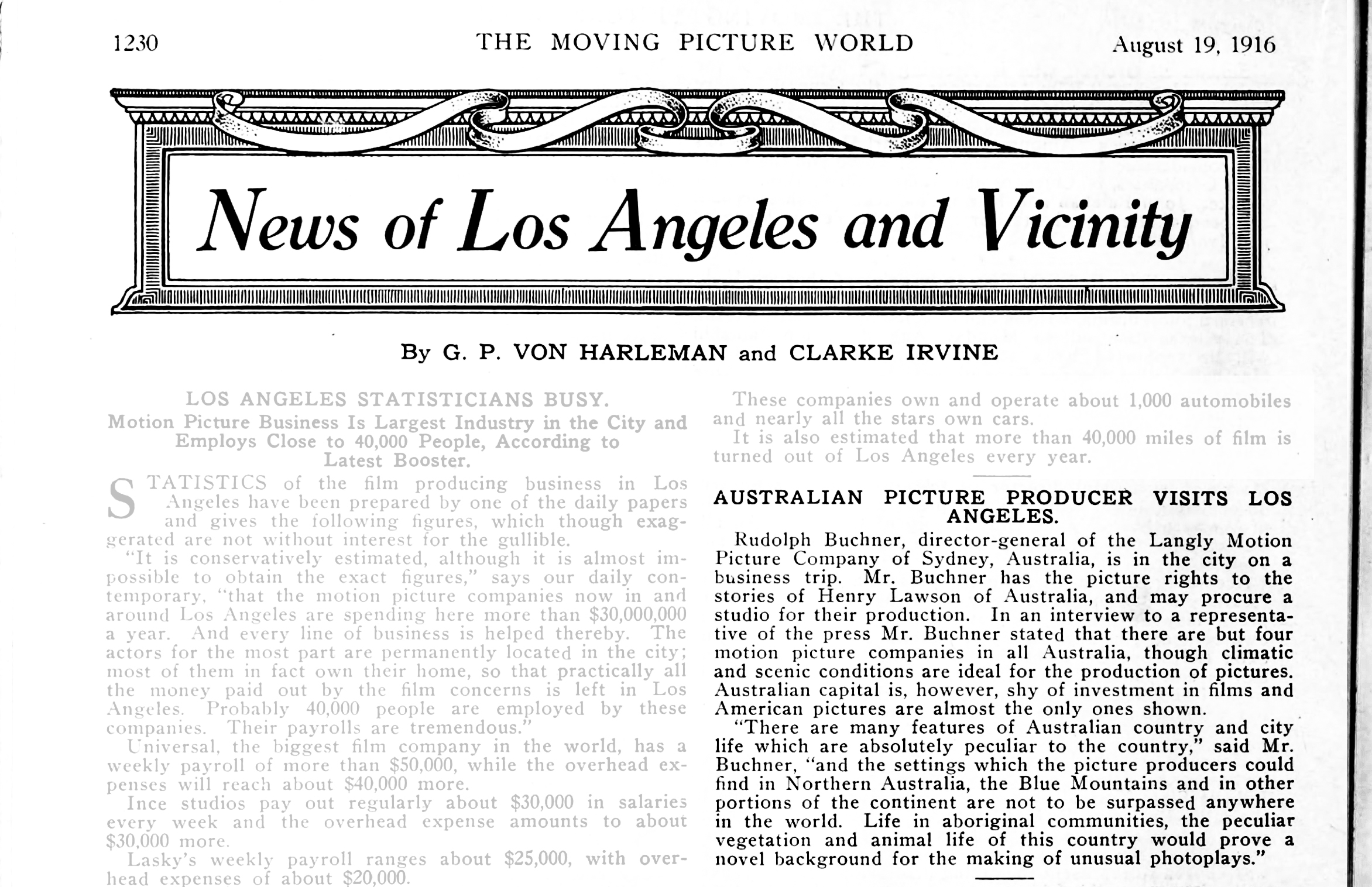
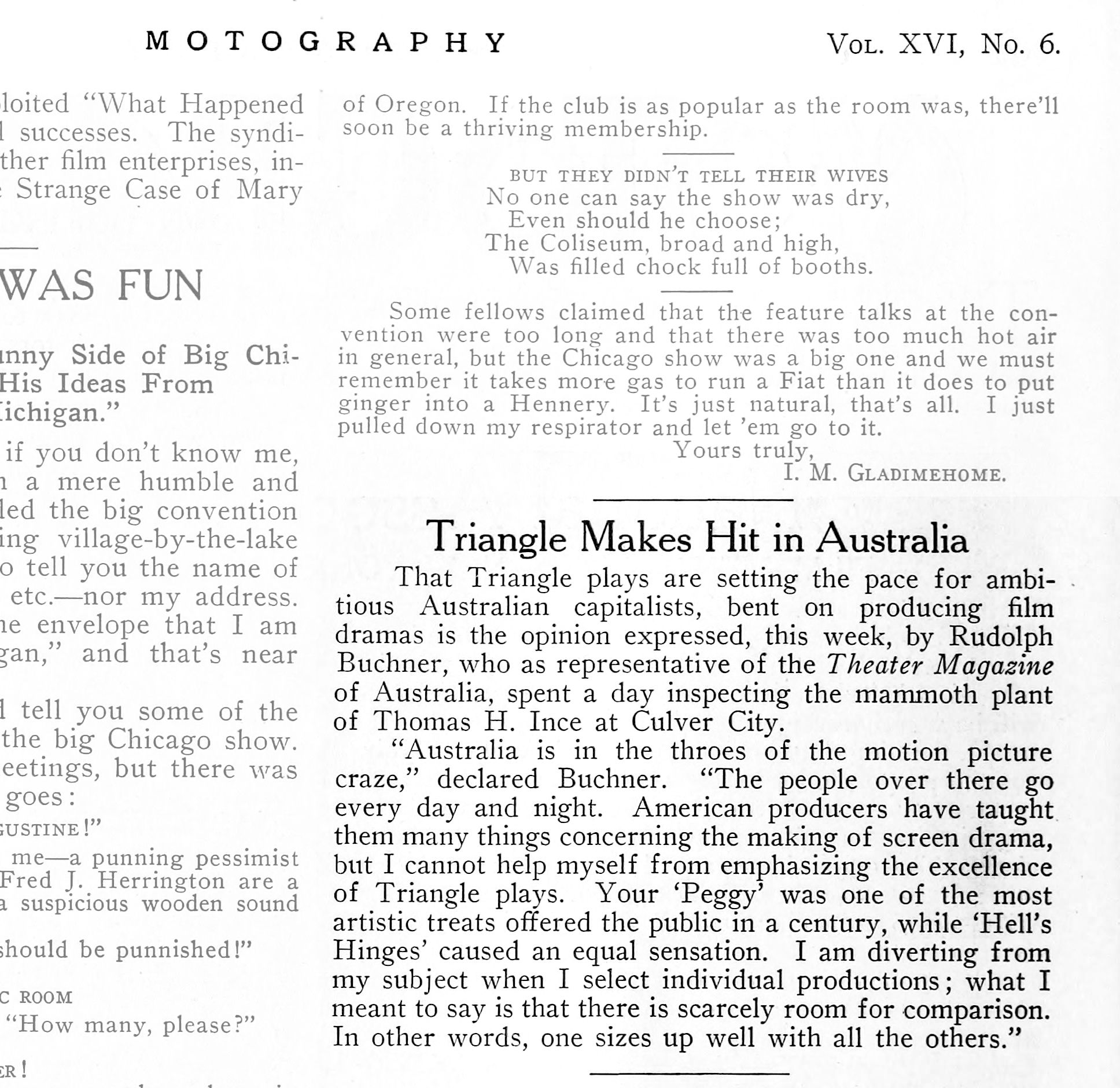
Another publication of the silver screen industry Motography, notes that he was a correspondent for Sydney’s Theatre Magazine which was in print 1912-1923.
In The Porterville Recorder, of Porterville, California on 4 November 1916 he advertised that “Mr. Rudolph Buchner, an artist of note from Sidney, Australia, will arrive on Tuesday to take charge of the portrait work of Crittenden Sisters Studio” in Tulare County, a business the sisters had purchased earlier that year from A. H. Brooks (see Peter E. Palmquist A Directory of Women in California Photography 1900-1920)
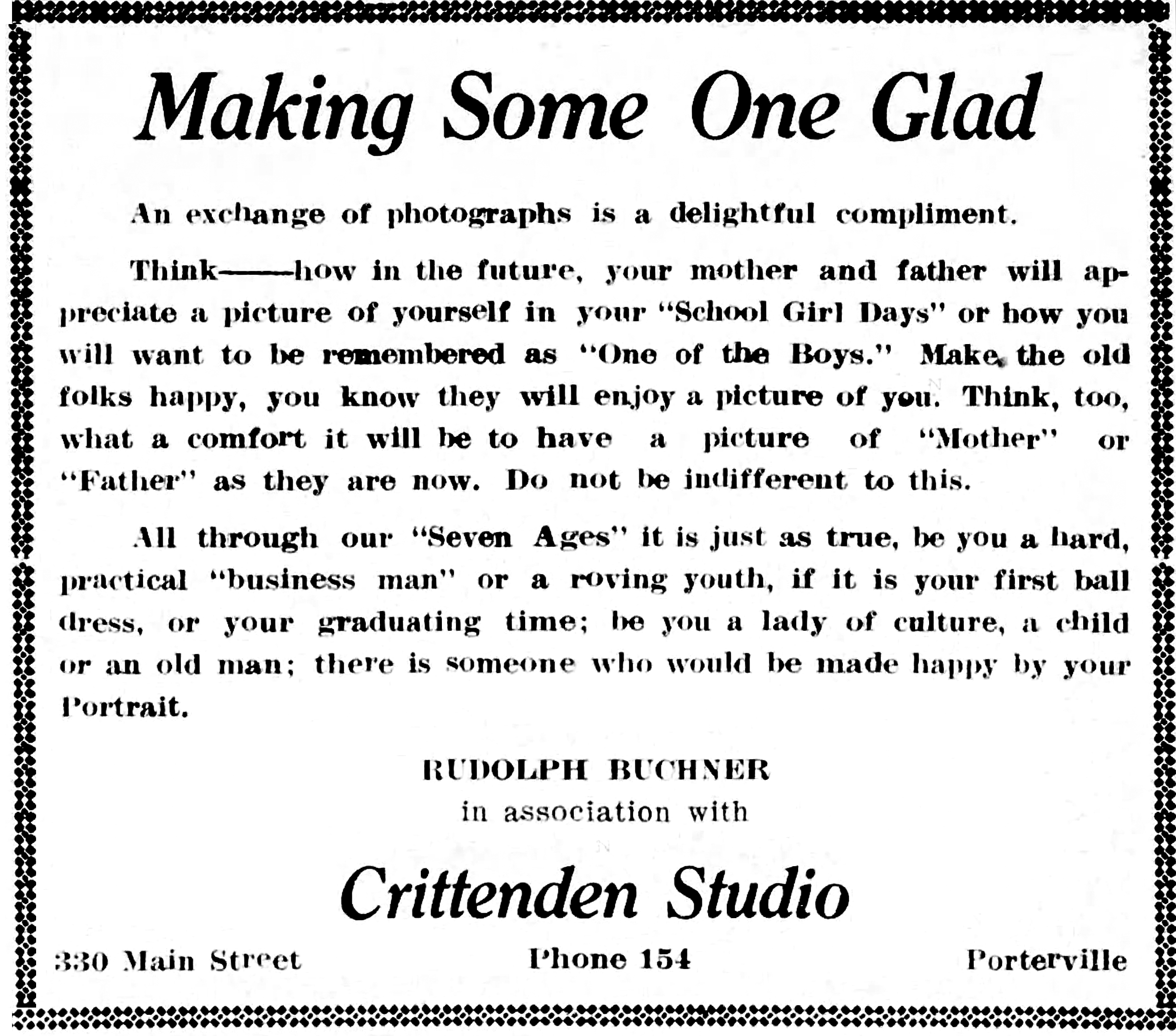
His last traceable advertisement of this business appeared in March 1917. Buchner’s New Zealand cousin Oscar Simon, of Queensland, a private in the 3rd Brigade, was wounded fighting in the Dardanelles and died on 9 May 1915. Perhaps motivated by the tragedy, Rudolph volunteered for the Canadian Expeditionary Forces In Victoria, British Columbia in September 1917, not long after Canada had introduced conscription. He was hoping to be transferred to the Australian forces when he reached London, where the family had relatives.
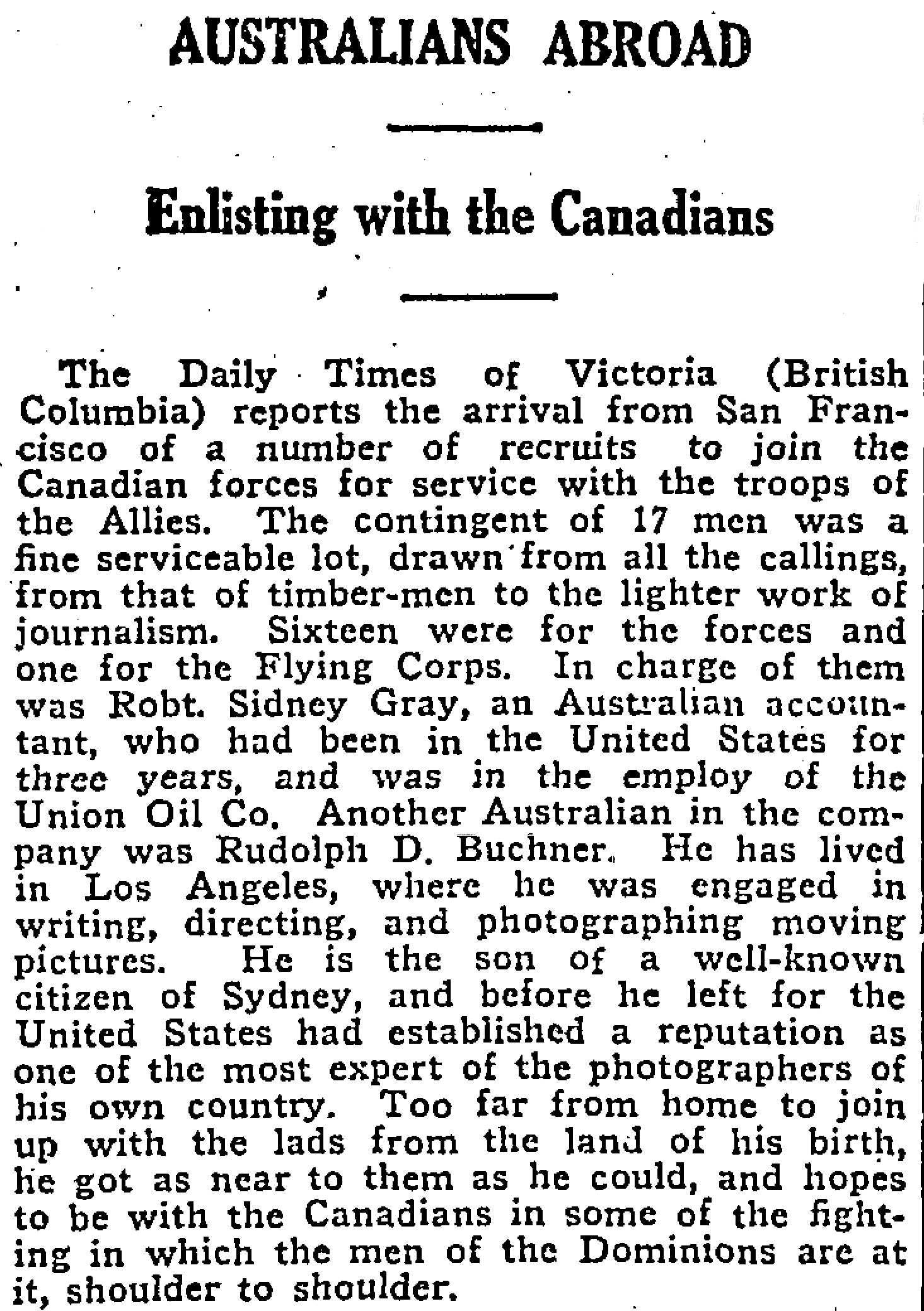
However, before the above patriotic article was published in Australia he had been discharged ‘unfit for service’ on 23 November 1917, due to an unspecified cause under Kings Regulations and Orders for the Canadian Militia 1910 Para 322 (2) C., and despite his noted ‘good conduct’. Buchner was then 26 years old, and 5 foot 5½ inches tall, with a broad 36 inch chest; Canadian soldiers were initially to be at least 5 feet 3 inches tall and have a chest measuring 33½ inches while the Australian Army required them to be 5 ft 6 in (168 cm), but by 1917 both armies had reduced their minimum height limit to 5 ft (152 cm).

Buchner returned to Sydney after the War and opened a new studio. During and after the Great Depression his pictures were published less frequently.
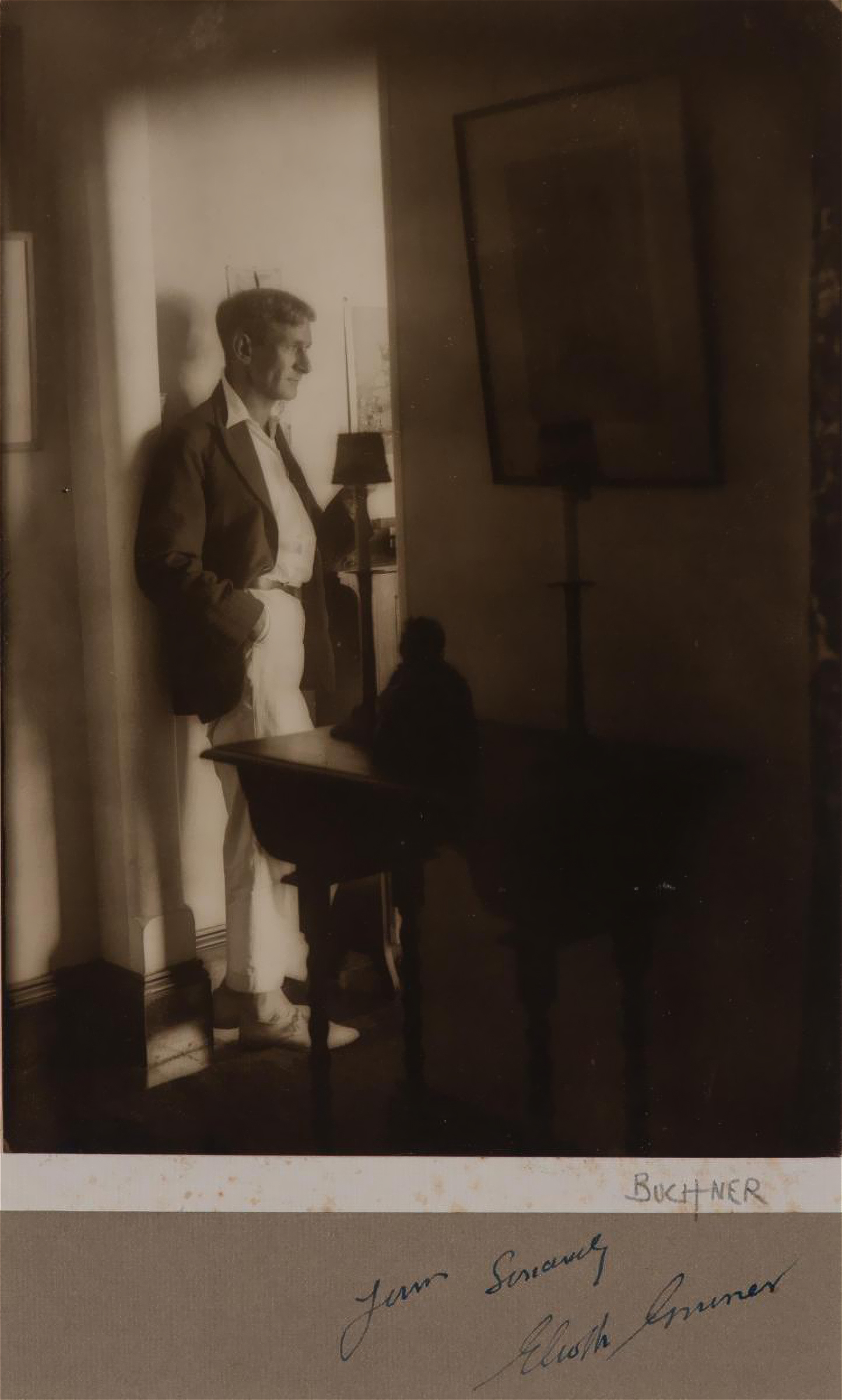
His distinctive full-length portrait of Elioth Gruner was made during this period, in 1923.
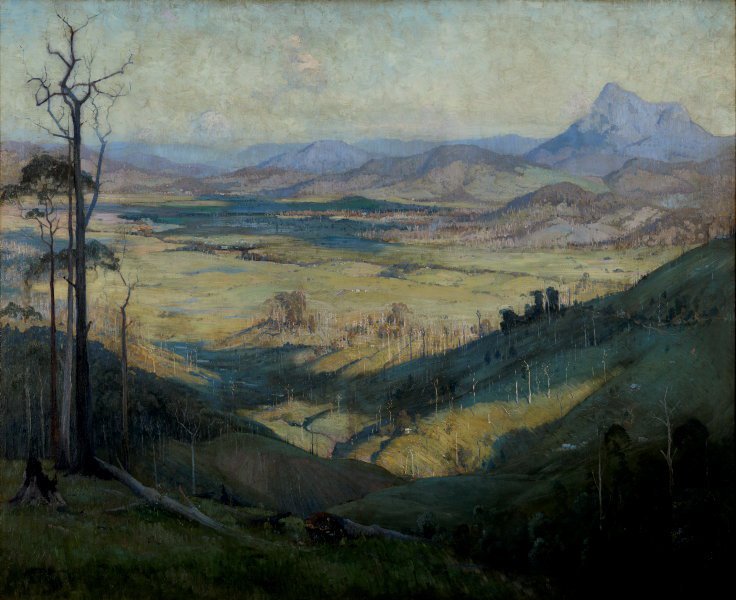
Commissioned by the Trustees of the AGNSW 1919, received 1921
Castlemaine Art Gallery supplies no date for this unusual portrait. However evidence for a date in 1923 comes in the form of this article the March edition of The Home, in which the caption, with credit to Buchner, appears under the slightly cropped photograph:
“Gruner at his home at Bondi. Gruner left Sydney this month for his first trip abroad. He is the official representative of the Society of Artists in London for the October Exhibition at the Royal Academy”
Gruner, dressed almost identically and with brush in hand, is shown in Harold Cazneaux’s photograph placed beside Buchner’s more original image. For Cazneaux he pretends to be “at work” on his The Valley of the Tweed, winner of the 1921 Art Gallery of New South Wales’ Wynne Prize, his third success in this award after Morning Sunlight and Spring Frost.
The photo’s caption infers that we are seeing Gruner painting the landscape onto the large 142 x 173 cm canvas “direct from the spot” from which he viewed the scene. HIs declaration, quoted in Sydney’s Evening News of 4 January 1923, affirms the nationalist sentiment that he intends the painting to support, despite his Norwegian-Irish origins and his New Zealand birthplace: “Australia is the only place on God’s earth for me. The sunlight and the open spaces are in my blood.”
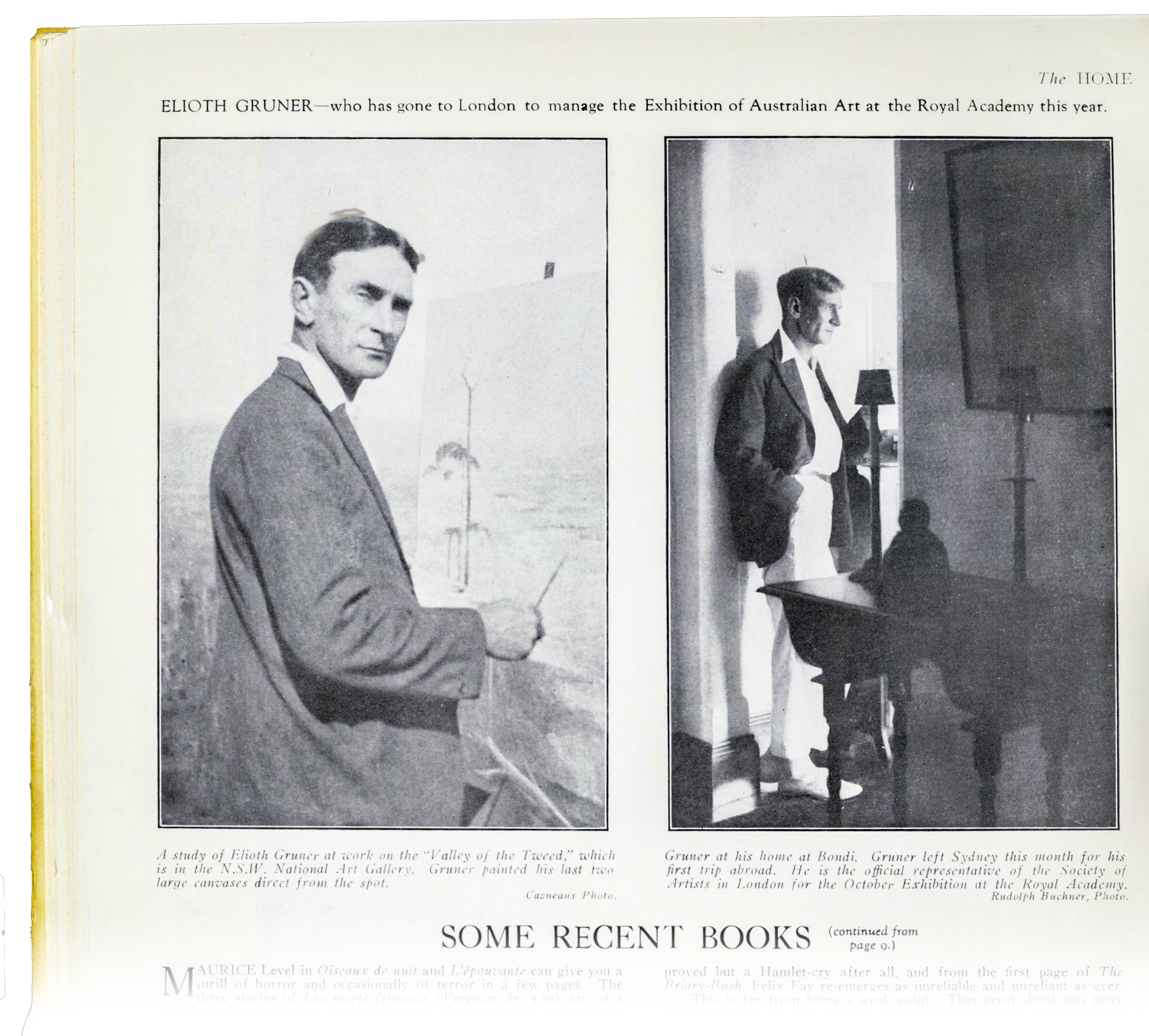
The Tweed Daily on 23 February 2023 repeats the metropolitan newspapers’ reports of Gruner’s imminent departure, but with proud local interest in his prize-wining landscape:
“Mr. Elioth Gruner, who masterfully depicted the beauty of the Tweed in his picture, “The Valley of the Tweed,” now hanging in the National Art Gallery, Sydney, was farewelled by the Society of Artists on Friday night last, prior to his departure for England.”
The circumstance explains Buchner’s motivation in his unusual placement of Gruner, who ignores the camera as he ruminates in the doorway of his studio (as we judge from prints pinned to the wall) in Bondi, overlooking Tamarama Bay. Buchner shows Gruner’s gaze being cast into a dazzling future on the Continent. Despite how it might tax his 1920s emulsion, the photographer exposes in the dark foreground a Buddha, meditating too, between two unlit lamps on a hall table. Soft-focus and sentimental it is, but the photograph is certainly more elegant and eloquent than Cazneaux’s, and technically superior.
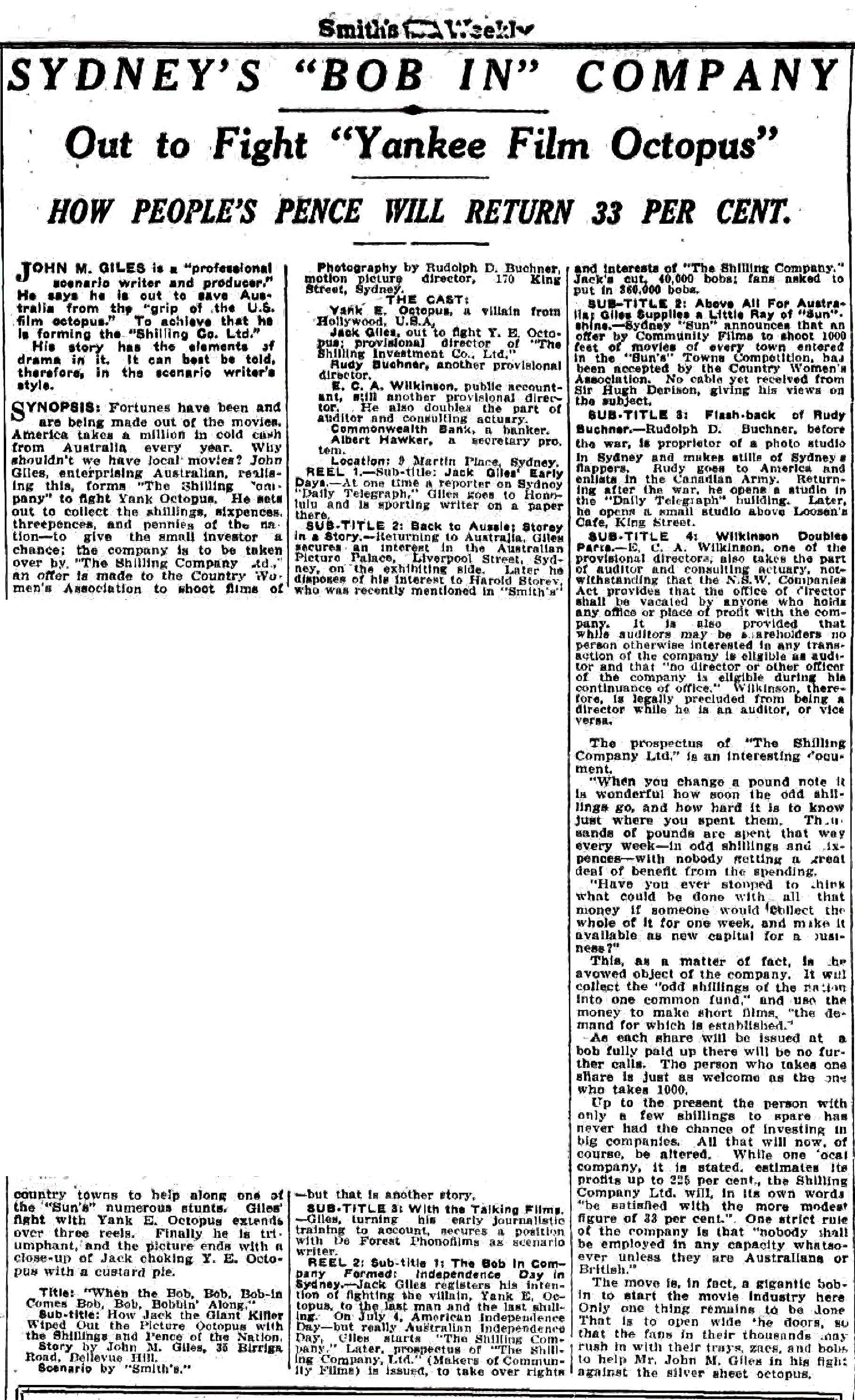
Reference to Buchner’s ambitions in the film industry appears in Smith’s Weekly of 13 August 1927 in which a new Australian film company is proposed to counter the stranglehold of the American film industry was exerting on the industry here:
“John M. Giles is a professional scenario writer and producer who says he is out out to save Australia from the ‘grip of the U.S. film octopus’. To achieve that he is forming the ‘Shilling Co. Ltd.'”
The article is set out in the format of a film script in which Buchner appears in the credits as ‘motion picture director,’ giving his address immediately after the War as the “Dally Telegraph” Building at the intersection of King and Castlereagh streets, then later, 170 King Street Sydney (a 3 storey Georgian office block), “above Loosen’s Cafe.”
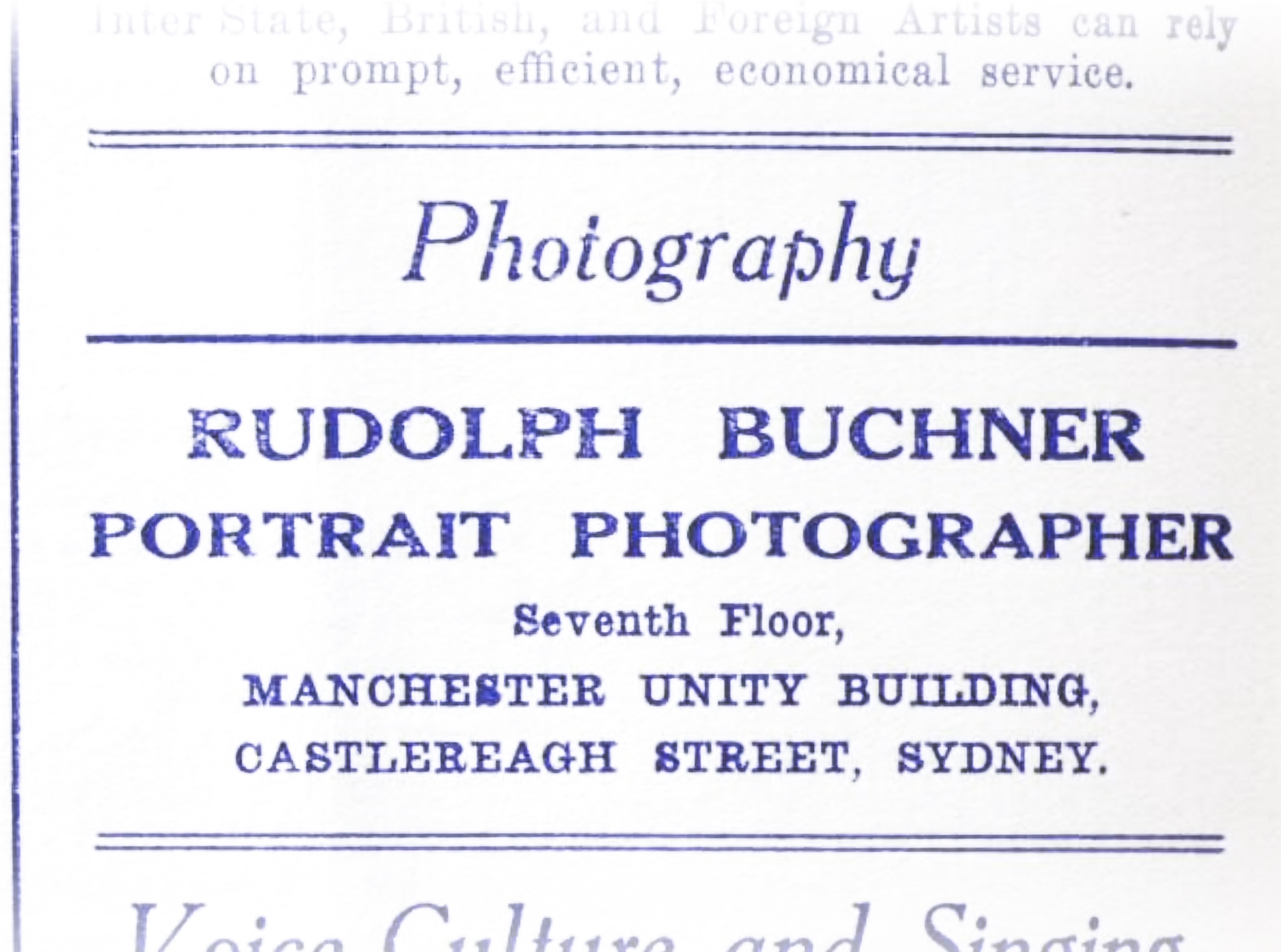
In an effort to regain a more illustrious clientele Buchner advertised in 1931 for a ‘lady…well-known socially’ to represent him. The more conventional head-and-shoulders framing of Raymond Watt was made in 1936 and perhaps resulted from his agent’s efforts.
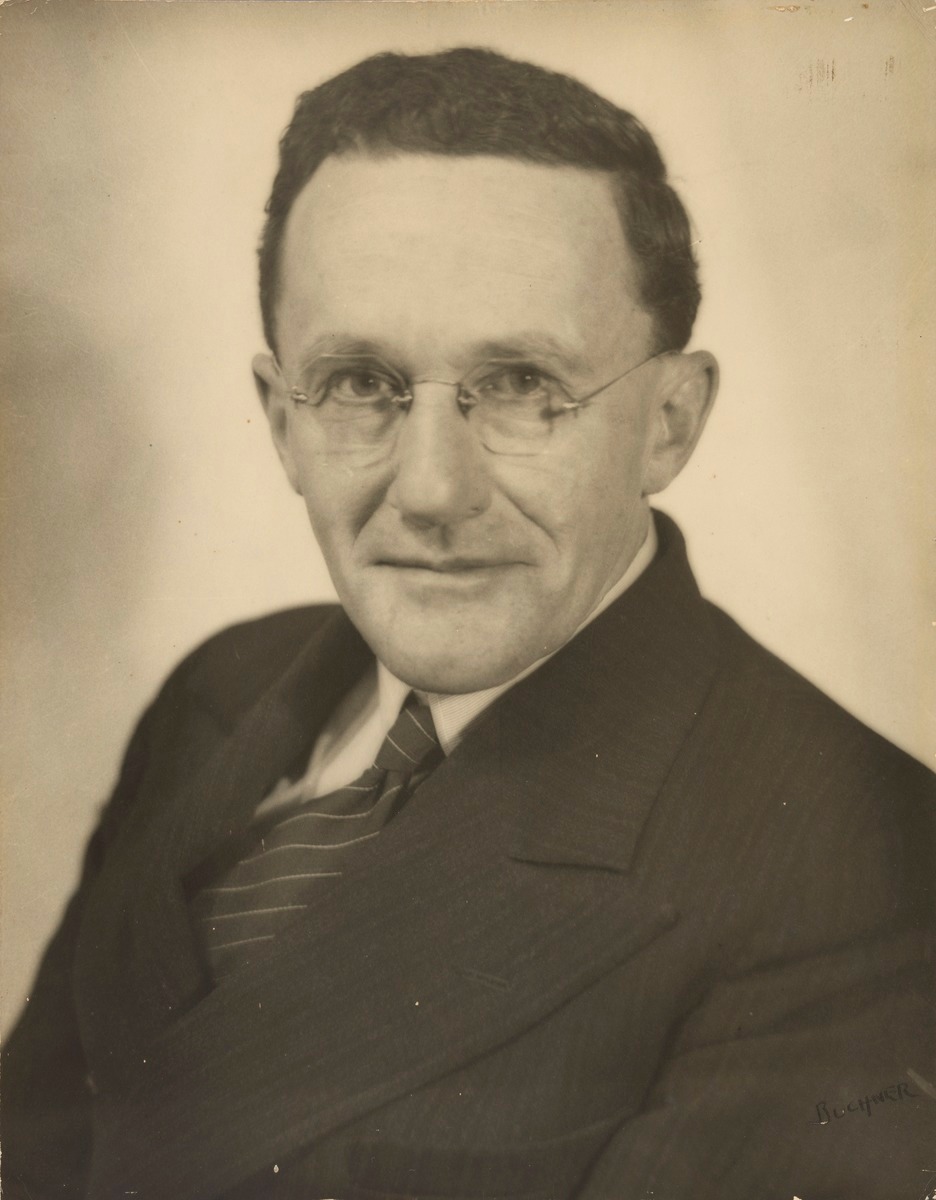
Buchner died on 19 Jan 1972 and is buried in Rookwood General Cemetery in Sydney, but it is unknown what he did between the ages of 45 and 81. No further newspaper classifieds advertise his photography and they are no longer credited in any magazines. There are no announcements of a marriage, or births of children, nor of his traveling overseas. By all indications, his father Abraham may have been wealthy, and Rudolph as his only son might have had a valuable inheritance, at least from ocean-side real estate, and may not have had to work.
There is a clue.
In 1971 Grace Bros. Pty Ltd. under the Warehousemens Liens Act advertised overdue storage charges on Buchner’s goods left in their possession, advising that they would in due course be auctioned to recover costs. In the event, on 23 March 1972, F. R. Strange conducted the auction of the “collection in the Estate of the late Rudolph Buchner [of] over 300 paintings, 17th, 18th and 19th century British, Continental and Australian schools.” The list of items includes “some paintings by Mr Buchner, art books and specially made painting transport cases,” which might indicate his change of career, though no paintings by him are recorded in recent auction sales.
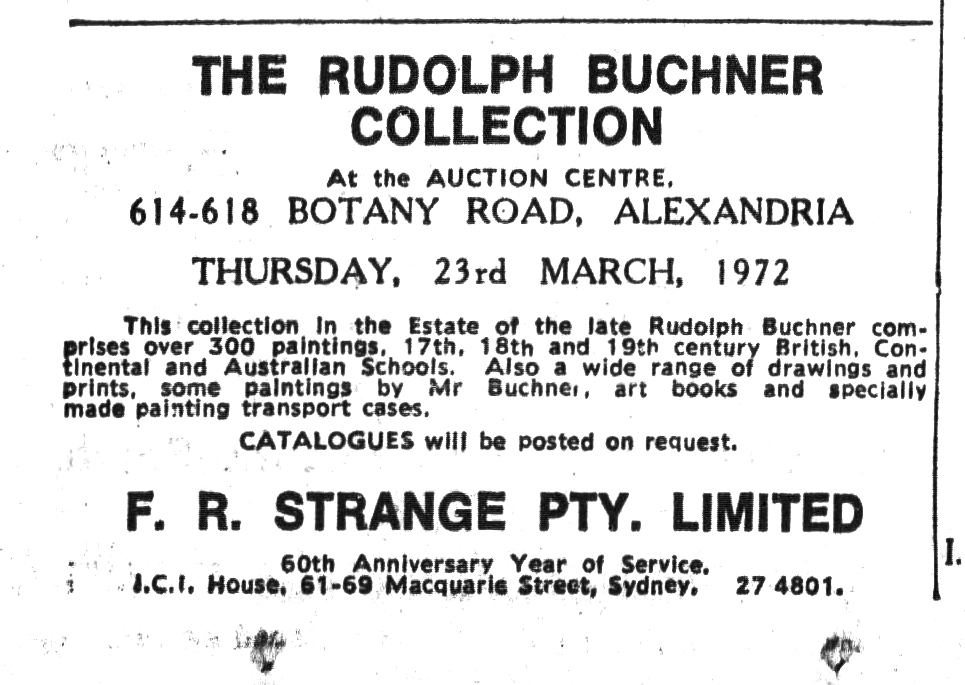
News of the successful auction reached The Washington Post which on 25 March 1972 announced that the “Big Art Collection Sold for $13,000” but erroneously states that Buchner had come to Australia from Austria in the 1930s. I can find no Austrian artist called ‘Rudolph Buchner’.
Buchner’s riveting photograph of Dame Mary Gilmore of 1912 is collected with several others in the Mitchell Library (State Library of New South Wales) and was included in Helen Ennis’s exhibition Mirror with a Memory at the National Portrait Gallery in 2000, and his portrait of silent film actress Louise Carbasse appeared in Glorious Days at the National Museum of Australia from 7 March to 13 October 2013. He deserves further investigation and attention.
POSTSCRIPT: I am indebted to Gael Newton who generously searched for and discovered the Smith’s Weekly article, an application in 1956 by R. D. Buchner for a shop in Hampden Road, Wentworthville, and has also turned up a notice I hadn’t found that explains his collection of artwork:
“Rudolph David Buchner, late of North Ryde, formerly of Turramurra, retired art dealer, died 19th January, 1972, intestate; letters of administration were granted on 13th October, 1972.” [‘In the matter of the estates of the undermentioned deceased’, Government Gazette of the State of New South Wales, Issue 112, 27 Oct 1972, p.4297]
Newton also notes the low number of entries in electoral rolls for Buchner. That may indicate that he spent much of his later life overseas and perhaps accounts for the European artworks in his collection at auction.
NOTE: Text from this article forms part of the entry on Buchner I have researched and written for Design and Art Australia Online (DAAO).


 On This Date in Photography: by James Mcardle
A wonderful investigation James I thoroughly enjoyed reading your text. The power of Buchner’s portraits is mesmerising. My particular favourite, and probably yours as well as you used it as the header image, is the hypnotic photograph of Mary Gilmore… what presence! what steely resolve!
LikeLiked by 1 person