
 Closeness is not merely a matter of distance, of proximity, but is an emotional connection. In Rob Gale’s photography, his engagement makes his subjects seem closer than they are.
Alumnus Robert Gale was born in Melbourne in 1953 and graduated from Prahran College in 1979 then worked as a freelance commercial photographer in Asia, USA, UK, Canada, Russia, New Zealand and Australia for over 35 years.
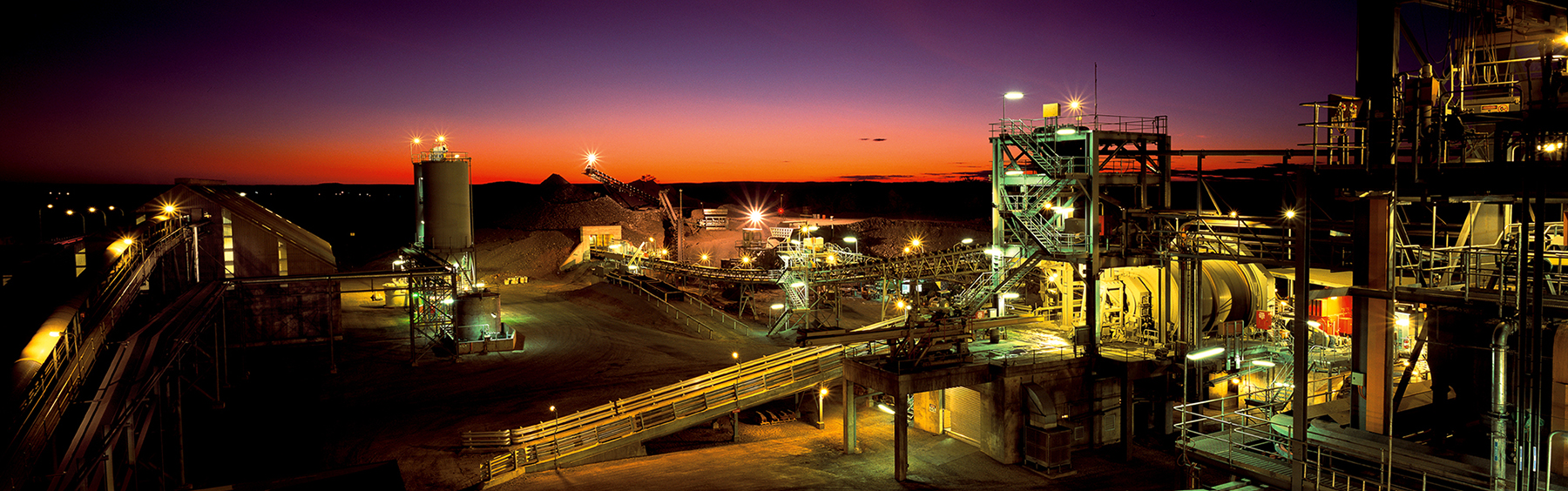
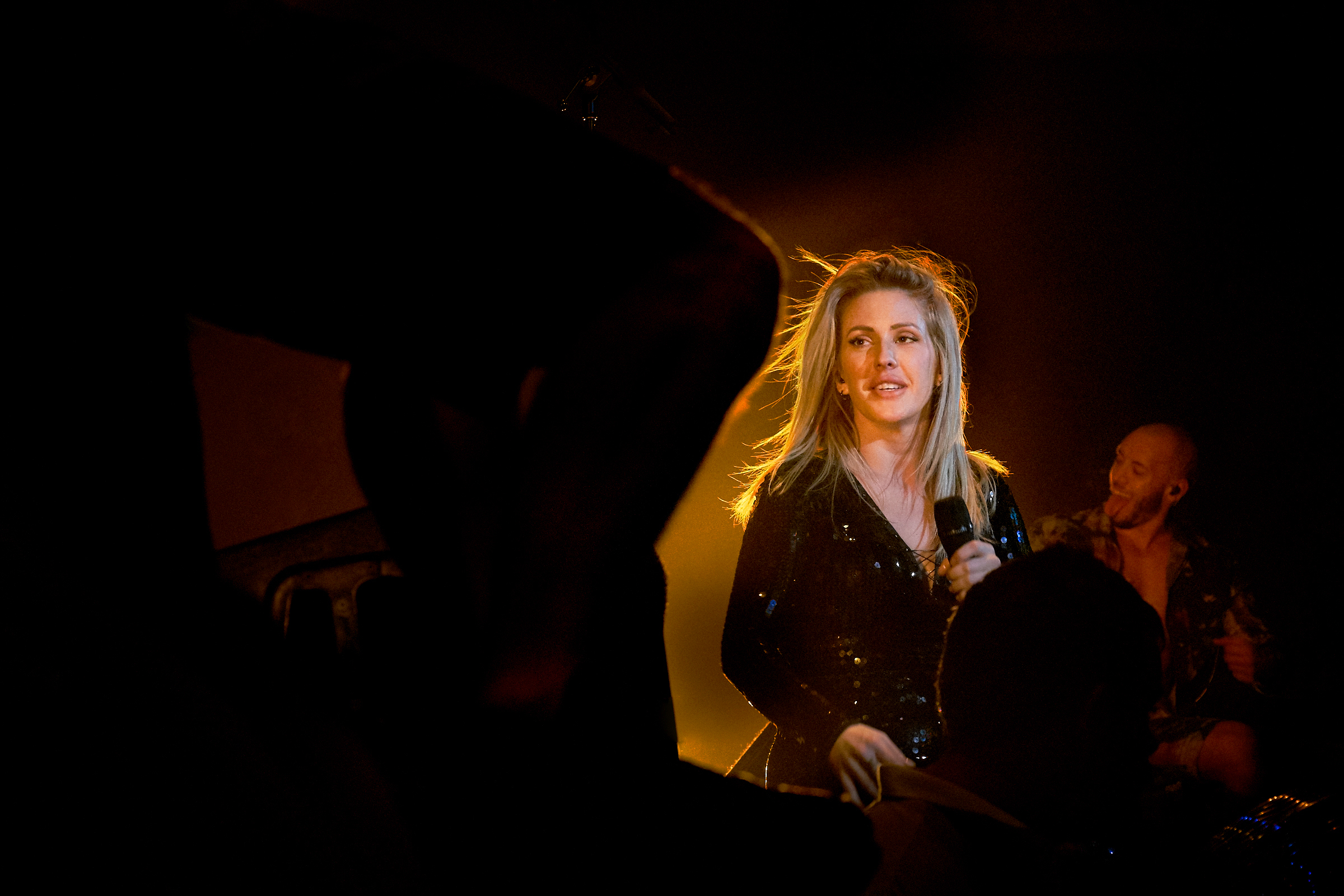
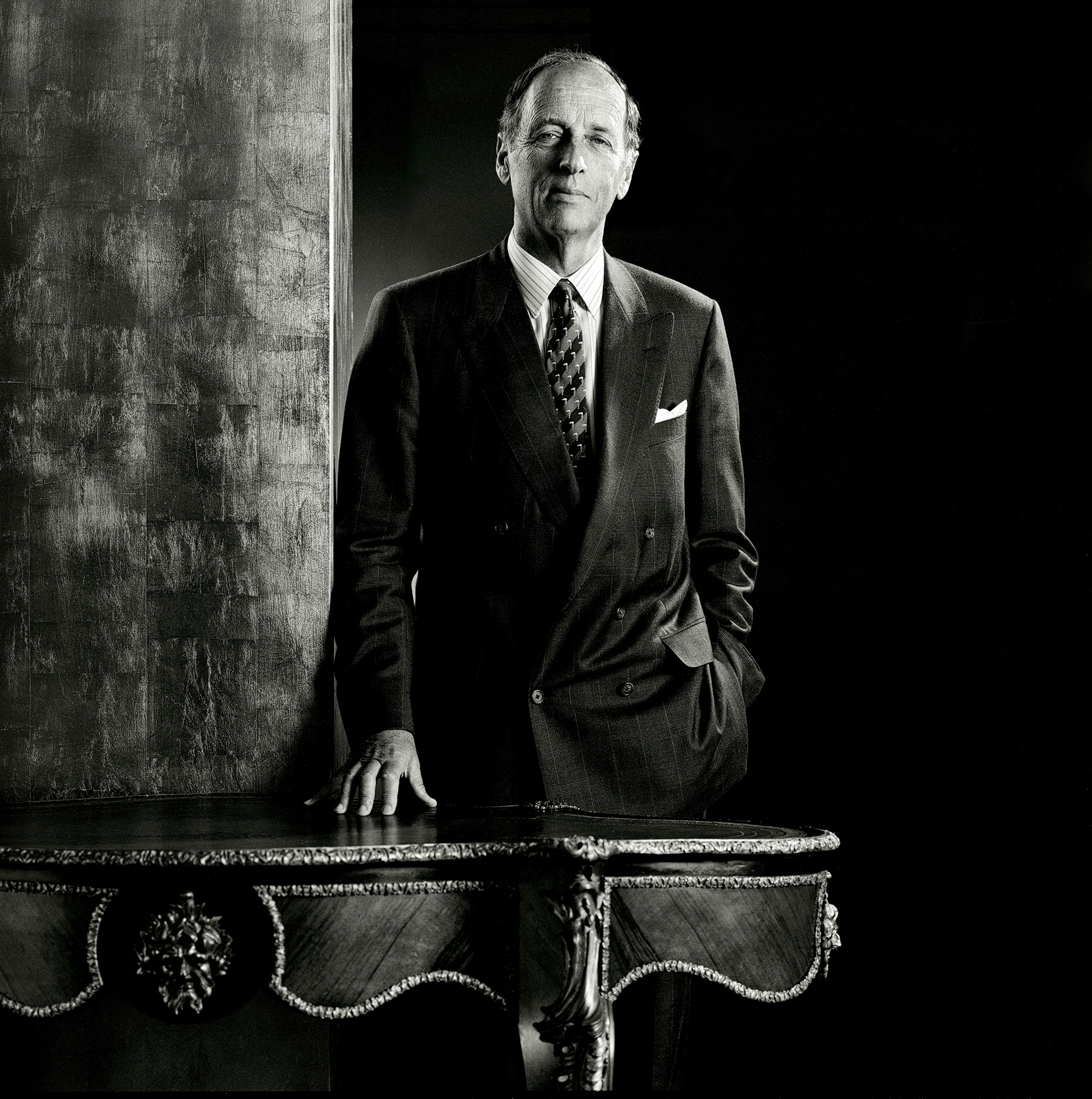
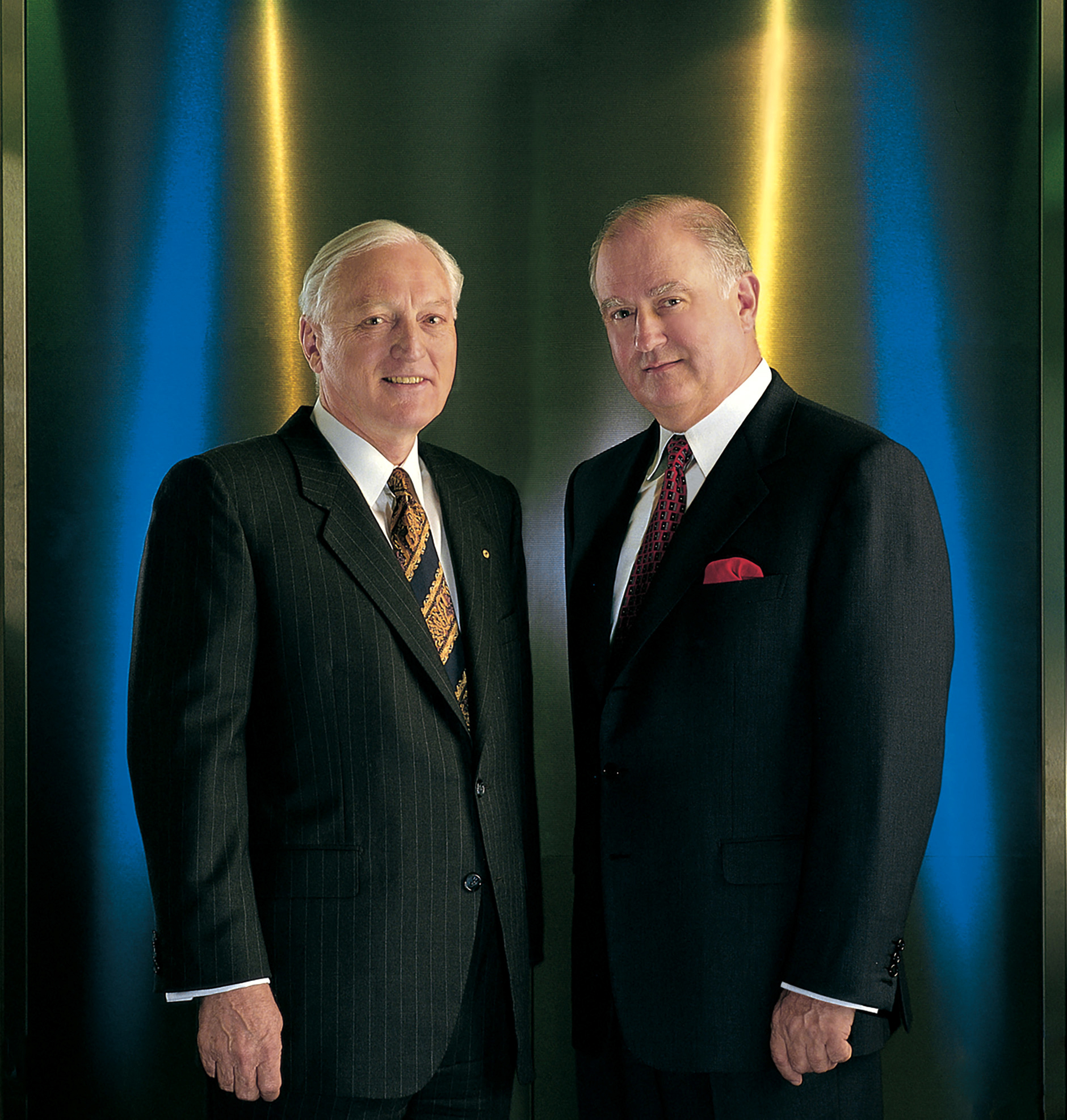
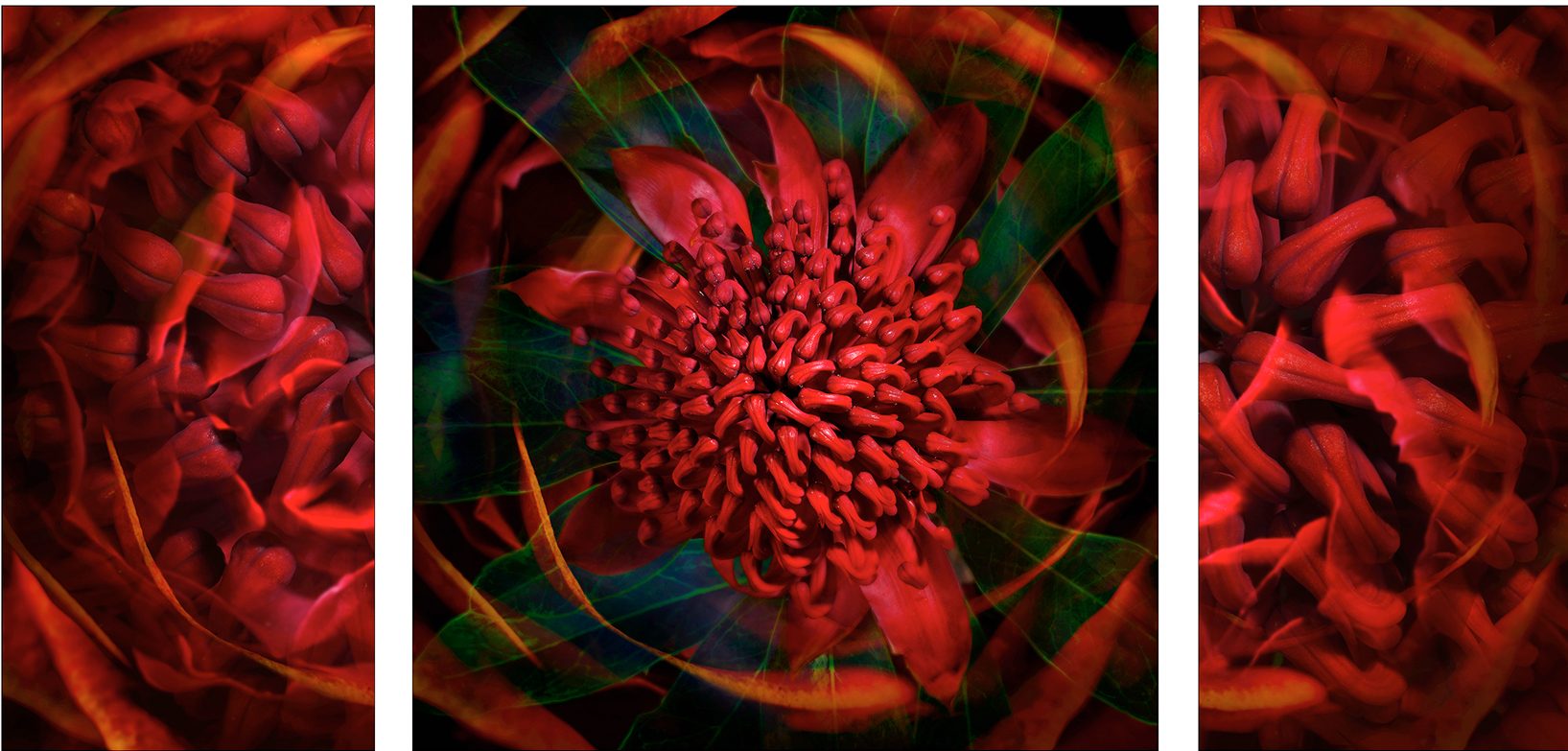
In 2007 Gale undertook a Certificate IV in Education and Training at AIM Institute of Management and that year exhibited his Mythical Images + Natural Systems at Gallery 15 in Melbourne, a solo show also he took in 2007 to the Daylesford Foto Biennale, the forerunner of the Ballarat Foto Biennale in which he showed in 2009.
Rob then qualified with a Diploma of VET practice at in 2011 at RMIT University where currently he teaches photography in its College of Vocational Education, and where in 2019 his pedagogy was recognised with the RMIT University Vice-Chancellor’s Award for Outstanding Contributions to Learning and Teaching: Innovation in Vocational Education and also won a commendation in the Vice Chancellor’s Award for Distinguished Teaching for that year.
His photography made Gale a finalist then semi-finalist in the Moran Photographic prizes of 2015 and 2016 and that year he made the Blake Prize Director’s Cut. He was exhibited among the finalists in the Head On Awards (Mobile Photography Category) in 2017, Aussie Street Awards (2018), and again in The Blake Prize in 2021. He most recently joined group shows Urban Eats at Counihan Gallery in 2021 with Eddy Carroll, Samanta Bakker, Jessie DiBlasi, Alasdair MacKinnon, Kenny Pittock, Lucy Roleff, Chloe Smith and Pauline Tran; and the Jungle Love Music and Arts Festival at the Jungle Club on Magnetic Island in 2022.
Rob remembers that the first photography course that he enrolled in was an introductory course at “Impact Photography” (later named Photography Studies College) where Philip (Phil) Quirk and Jean-Marc LePechoux (the editor/publisher of Light Vision photography magazine) were two of his teachers:
“It was a great course and as it finished, they encouraged me to apply for Prahran College. Both had strong connections to the college, Phil as a former student, and Jean Marc as a guest teacher. It was through their advice about my entrance folio that I was fortunate enough to be accepted into the Prahran College photography course without being required to do Foundation year.
“The introduction of free tertiary education by the Whitlam government brought a wide cross section of people to study. The majority were mature age students who had been working and were looking to embrace the arts, their discipline, and a new life. As a student I experienced a collegial environment in the photography department at Prahran and it was often inspiring to see the standard of work produced by the other students.


“The staff at Prahran were very individual. Athol Shmith was a wonderful mix of charm, eccentricity, humour, and exceptional photographic talent. John Cato’s landscape work was both unique and absolutely outstanding. Knowing that they were both leading professionals with exceptional careers whose work was collected and exhibited in the country’s most élite galleries certainly focused your attention when they were teaching.
“Paul Cox was equally impressive. While he was a gifted stills photographer and prolific film maker, he taught us very little about photographic technique and his classes were more about various philosophies, spiritualism, romanticism, impressionist painting, music, existentialism, surrealism. He would often provoke debate around such topics to generate arguments amongst the students – he loved nothing better than to stir things up. He wanted students to have opinions, to feel passionately. In fact, I recall Paul saying something to the effect, in his typically provocative manner; ‘If you don’t have opinions, why are you here?’ And again (I paraphrase) he once said; ‘Life in the arts is the only life worth living. Art is the only thing that lasts, and everything else is a waste of time and will be quickly forgotten’ Of course, much discussion and questioning ensued, to his often subtly smiling delight.
“Bryan Gracey was different again—always very personable and approachable—his role was the provision of solid technical training with skills in both colour and black and white photography. I relied on my learning from him as I made my way into the photographic industry.

“The other major influence for all the students in those days was our art history lectures and tutorial by the remarkable Norbet Loeffler. His ability to deliver in-depth tutorials about diverse art media and to lecture on contemporary movements in the arts to students from across all disciplines was extraordinary. My education prior to this time had been in the state school system and I’d seen little (if any) of the art Norbet showed us, explained, and interconnected. It was a revelation to me and I’m sure to many others.
“To this day I feel lucky to have been part of such an exceptional institution during that extraordinary time. Prahran College changed my life and for that I am forever grateful.”
In his work from his Prahran days we see Gale’s response to the thematic approach encouraged there in assignments and folio submissions.

Inspired by John Brack’s painting of two decades earlier, Gale finds Melbourne city streets at 5pm still crowded with homing commuters urgently determined to get away from work and back in the suburbs to be relaxing in front of their television.


Positioning himself on a tram stop, and buffeted by the throngs climbing on and off the old yellow and green wooden rattlers, he photographs the tired workers at close quarters. Sharp angles of view distort faces, rendering them almost as caricatures, just as in Brack’s cartoonish representation.

The anxious, teeth-gritting impatience of these single-minded strap-hangers is exposed in the harsh momentary blitz of Gale’s hand-held flash. Bold then, such a strategy employed now would be considered brazen, an ‘invasion of privacy.’ It is evidence of how attitudes to photographers have changed that his camera and startling flash seem to be largely ignored by these travellers.

At this especially busy stop opposite Flinders Street station, the background is sometimes visible in the grey, overcast light—early autumn, judging by peoples’ clothes—so that we can read ‘5:06’ on the digital clock, and cigarette and Coke advertisements on the side of the Nicholas Building, because the shutter speed Gale has set is slow enough to pick up the ambient light.

That technique also cuts a black outline around the face of the office worker clutching in soft manicured hands her Herald newspaper final edition and her typed notes. She has just missed her tram. Her silhouette, captured by the slow shutter, overlaps with its internal detail exposed by the flash—effectively in a ‘double’ exposure—which renders linear contours like those we see in the Brack painting which has inspired this series.
Gale’s competent in the use of flash was unusual amongst Prahran students who generally avoided using that artificial light source.
While the electronic flash tube had been introduced in 1931, for the average photographer, flashbulbs remained predominant until the mid 1970s. Professional portable units became available in the 1960s expensive and powered by a large lead-acid battery carried with a shoulder strap. Electronic flash units close to the size of the then conventional bulb guns were devised and those such as the Metz 171 were on the market by 1967 but were still prohibitively expensive in Australia until the later 1970s.
Gale’s 1979 series Dogs and Their Humans flirts a little with the oft-remarked phenomenon that dog owners and their pets share a likeness, but then delves deeper.


He surveys the modish cliques of dog shows and their preened and pedigreed champions with results that would amuse even Elliot Erwitt before settling on the manner in which canines and homo sapiens co-habit. This is where it becomes difficult to distinguish between the keepers and the kept, and even to determine who is the superior being.

Venturing into the suburban homes of ordinary Australians he adopts a visual anthropology not unlike that of American Bill Owens. Owens’ celebrated 1972 book Suburbia, well known to many Prahran alumni was the result of the class Owens took during 1967 -1968 with John Collier, author of Visual Anthropology: Photography As a Research Method (1967).
Collier directed his students to make studies of a community, so every Thursday Owens would go to the little town of Brisbane, south of San Francisco, and photograph. He was systematic and made a shooting script, as he had been taught to do by Collier, and that eventually evolved into Suburbia, in which statements by the subjects are printed beneath the photographs, a pairing that often discloses surprising attitudes or ironies.
Gale’s series is less critical, one might say less cynical, than Owens’. Like Owens, Gale illuminates domestic interiors in this series with flash, sometimes as a subtle ‘fill’ and at other times more harshly, but what he conveys in abundant examples is the deep and warm affection that can exist between species.


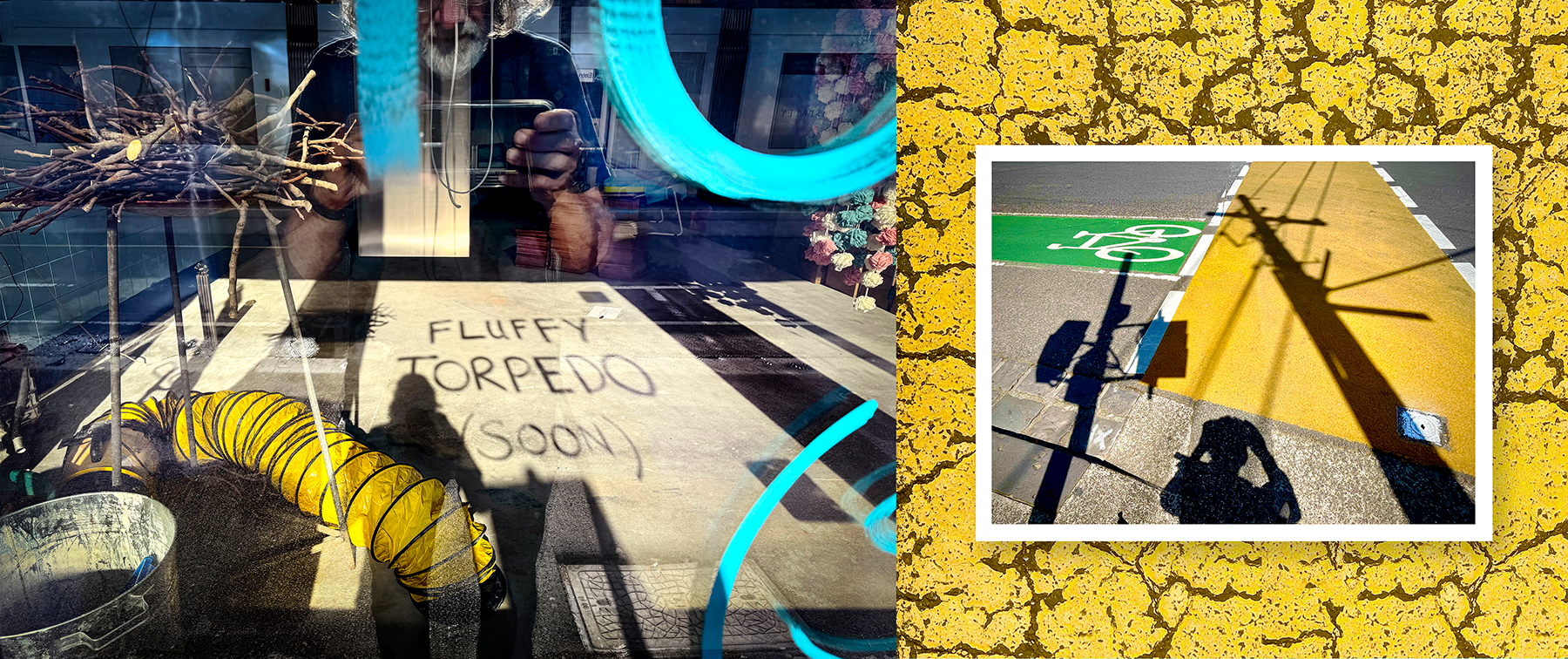
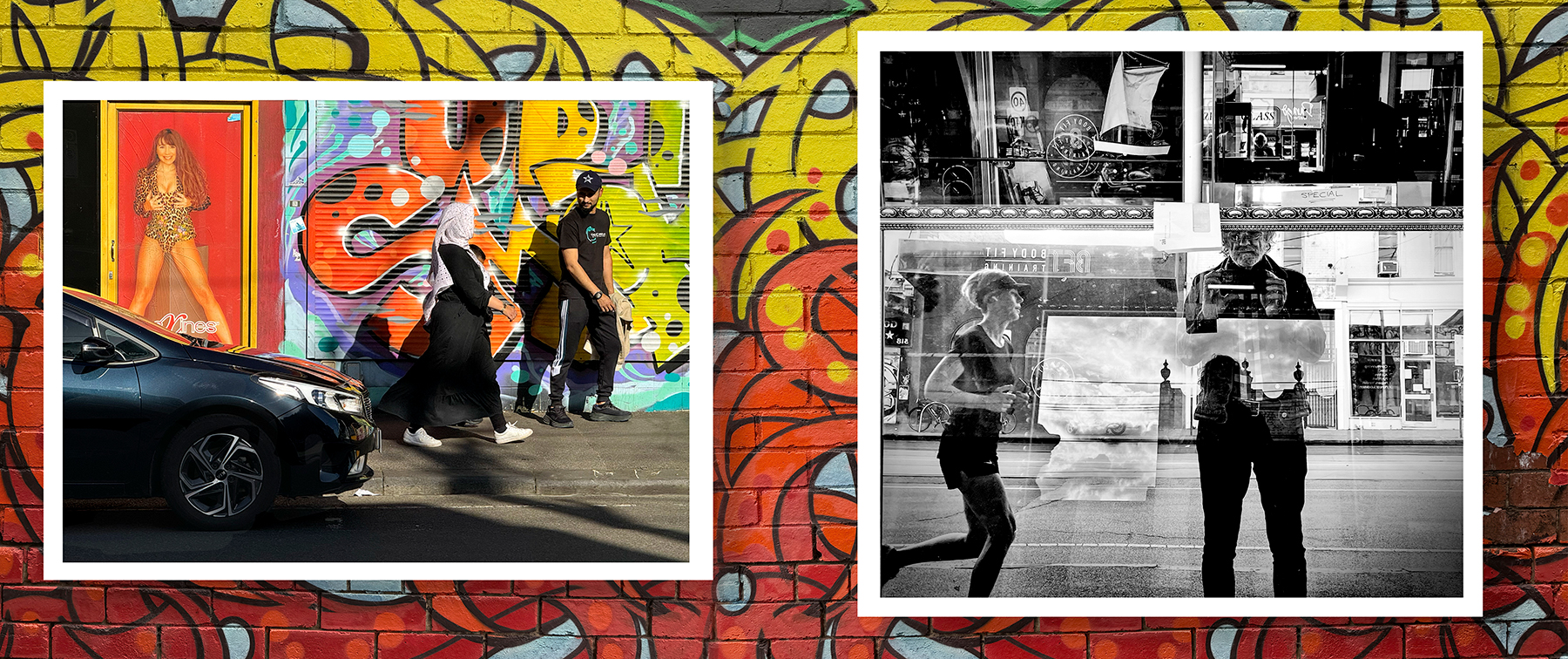
After 44 years, and now often with his mobile phone, Rob Gale still practices the street photography so popular amongst his fellow Prahran College alumni. In the process, in at least this example submitted for the 2018 Aussie Street Award judged by Jesse Marlow and shown at 541 Artspace Kent Street Sydney, he has managed to combine three of the themes from his early days as a student; transport, dogs and visual anthropology! Aptly, it is self-titled ‘LIFESTYLE’ with the symbol of a heart and under the dog “Objects in this mirror are closer than they appear”…


 On This Date in Photography: by James Mcardle
One thought on “July 29: Close”