
 Our images now are untouchable, virtual. Even printing a digital file relies on a machine. Film, paper and chemistry are something we get our hands on.
‘Analogue’ is a convoluted way to describe the original photographic medium since it merely means ‘proportional,’ and in some sense, ‘analogous’. One might therefore say that the digital form is ‘exponential’. Maybe, but why not call a spade a spade? Chemical photography, and movie film, has been Prahran College Alumnus Moira Joseph’s source of joy and inspiration in a distinctive and inventive career.
Moira came from a family which positively encouraged all forms of art, and grew up in cosmopolitan St Kilda where individuality and acceptance of the unusual was generally the norm. These were major influences in her life. In 2001 she declared that one should:
“Never be afraid to put your heart, energy and soul into a project that has personal meaning for you.”
Even before attending Prahran and living at home, Moira owned a basic medium-format Yashica and with her younger brother set up a darkroom in the attic. She set up in business photographing weddings, and portraits of people and animals, and continued this commercial work part time throughout her career, more recently photographing graduations.
Her first wedding, she remembers, was fun. The hippie couple drove her to the ceremony, which was a relaxed, informal affair, as she was still too young to get her driver’s license. Working for others, like the long-running Photo Magic company, she was paid $50 a wedding and given six rolls of medium format film so that each of the 48 shots had to count. Once, at a reception, a boy accidentally bumped her tripod which fell, causing the camera-back to spring open, exposing the film; that was a job for which she wasn’t paid.
Of an early inspiration for her decision to go to Prahran, she remembers:
“In 1972 Ian Macrae came to my school, Elwood High, when I was in Year 11 and gave us a talk about his work and Fly Wrinklys Fly. He screened that and I was asking a lot of questions about how did he do this or that, and what was that sort of effect; one of his answers was that he “just kicked the camera…”
“He was very different and was one of the influences that made me decide that I really would love to go to Prahran College which he praised as a good place for creativity. I’ve always wanted to thank him, if he can remember going to Elwood High.
“I knew Lynette Zeeng’s brother. She was a couple of years ahead of me at Prahran, and he introduced me to Lynette and she also spruiked it up.”
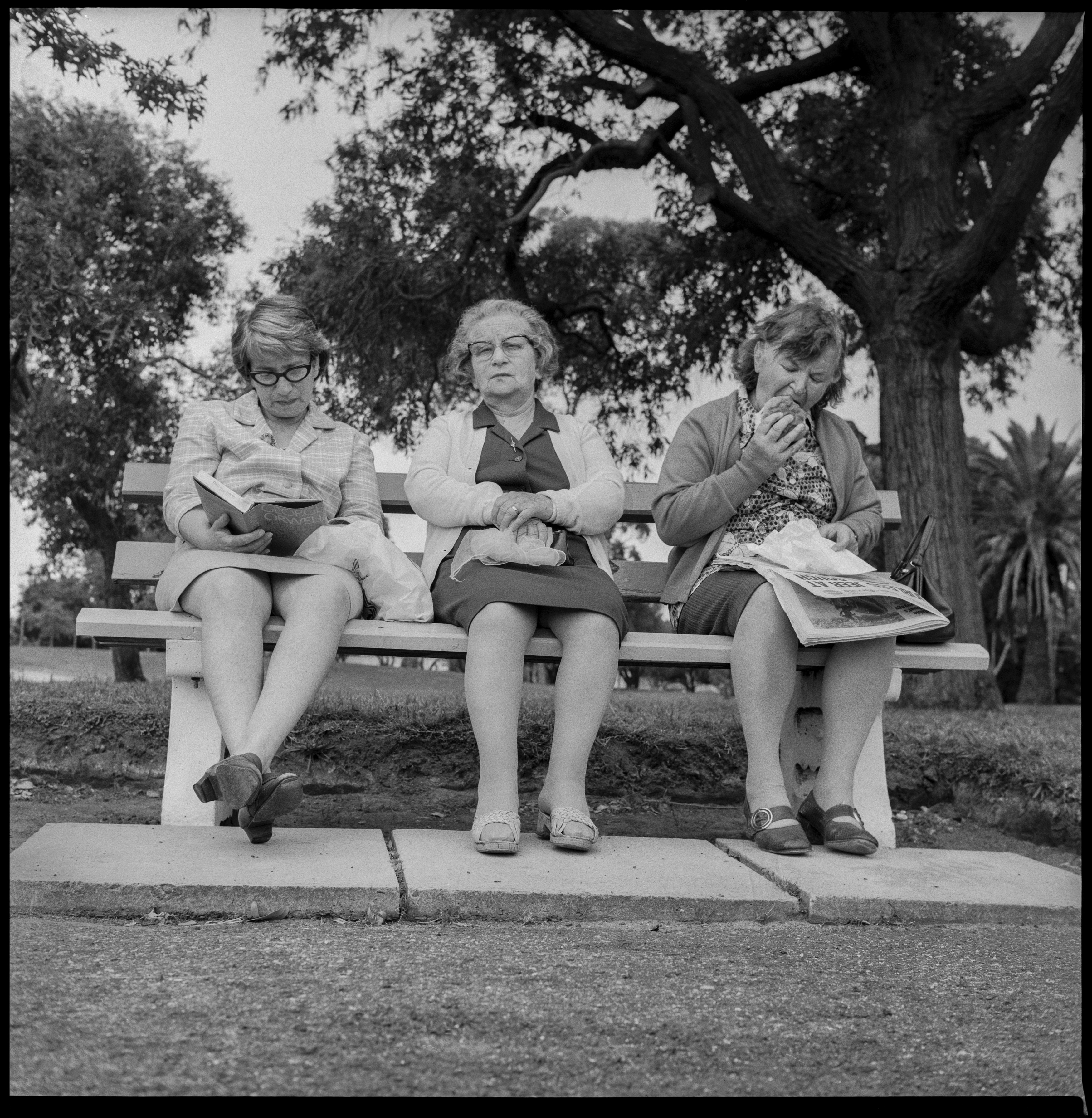
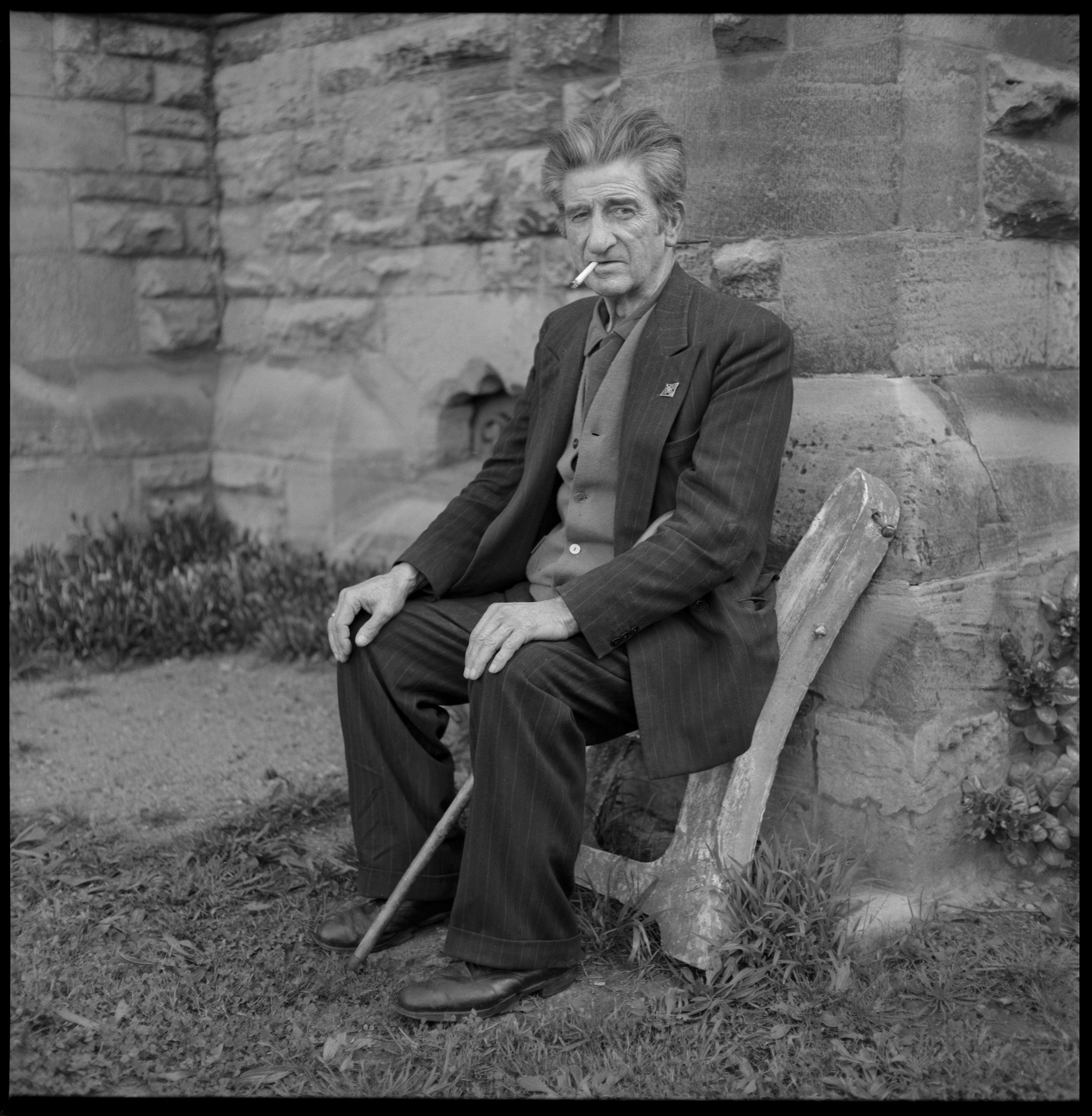
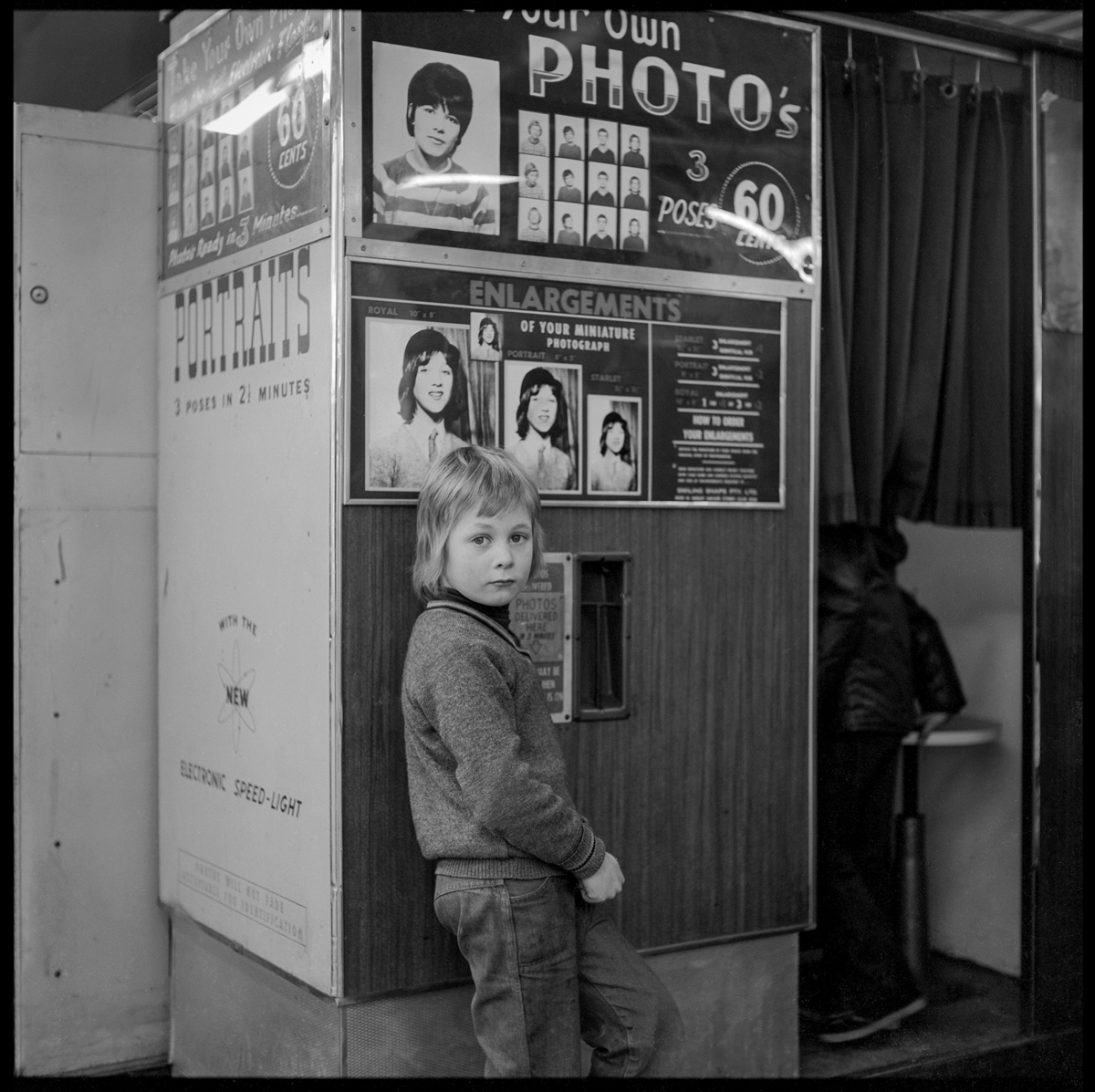
In 1974 Moira enrolled in the Foundation year at Prahran. Her pictures from that year are already very capable character studies of people in public environments shot on medium format. It is clear that she has approached them and gained their confidence to allow her to make a considered, unhurried, and now historical record in each case, so redolent of the period.
Moira selected photography for her Diploma studies, which she completed over 1975-1977 and continued with her gentle ‘found’ portraits, made in a wide variety of locations. For a statement about her work that was included in the 2014 Prahran 40 exhibition at MAGNET she wrote:
“I went to Elwood High School and then to Prahran College to study photography. My photographs are a reflection of my consuming interest in the human landscape. The way in which a camera has broadened and enlarged my perceptions is a source of constant interest to me. I hope that each of my pictures records some human interaction in a way that is unique to this medium.”
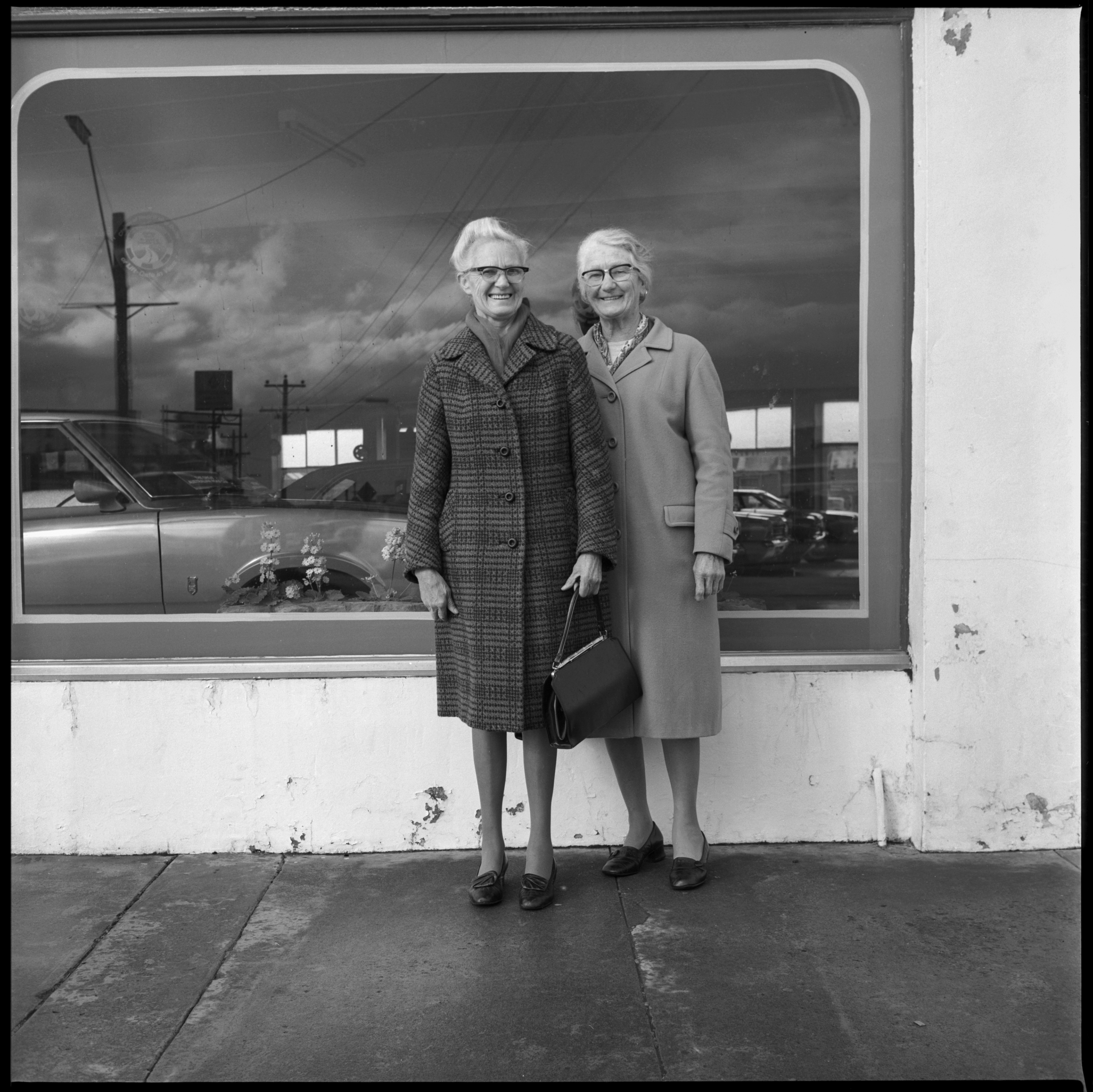
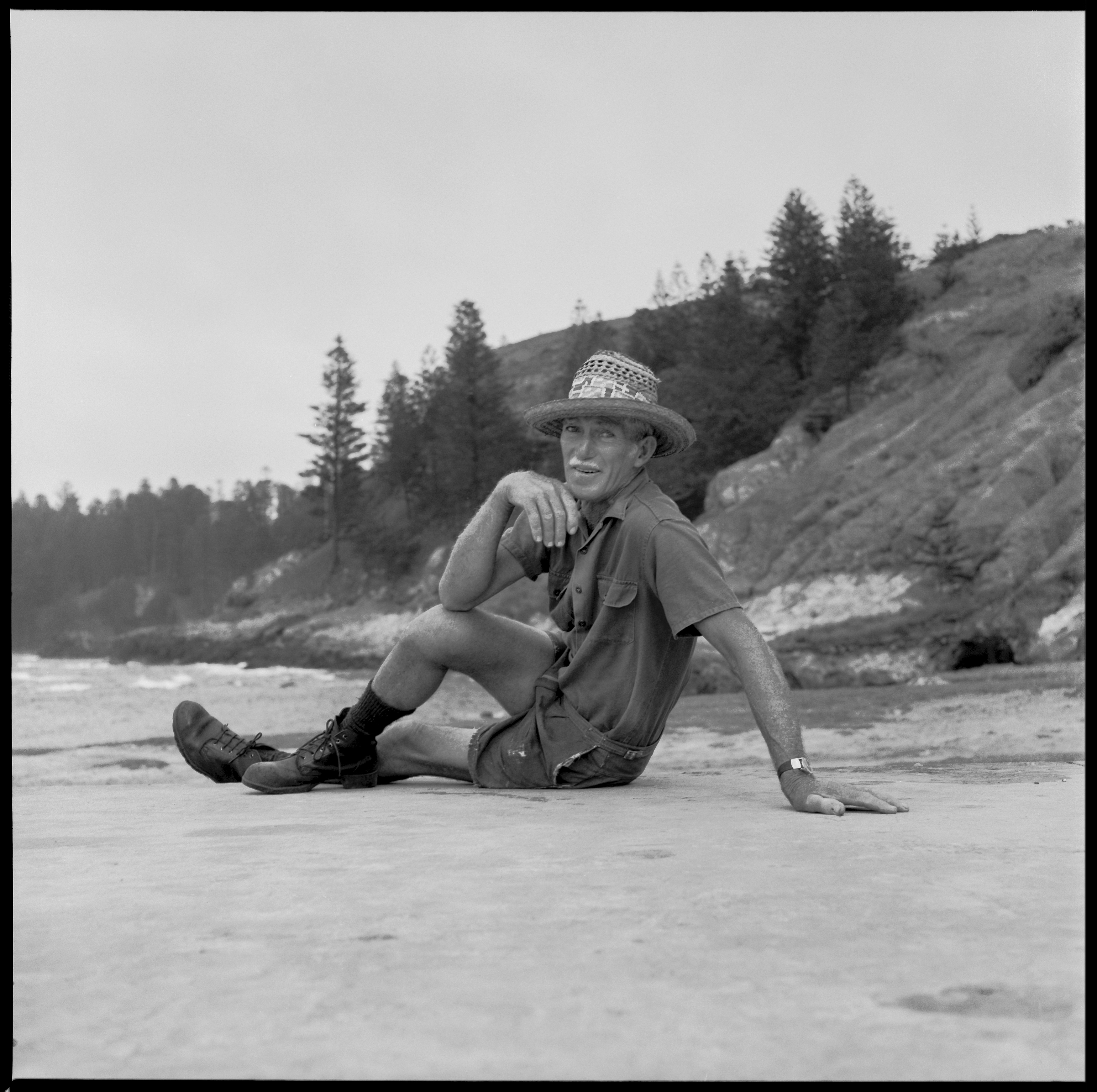
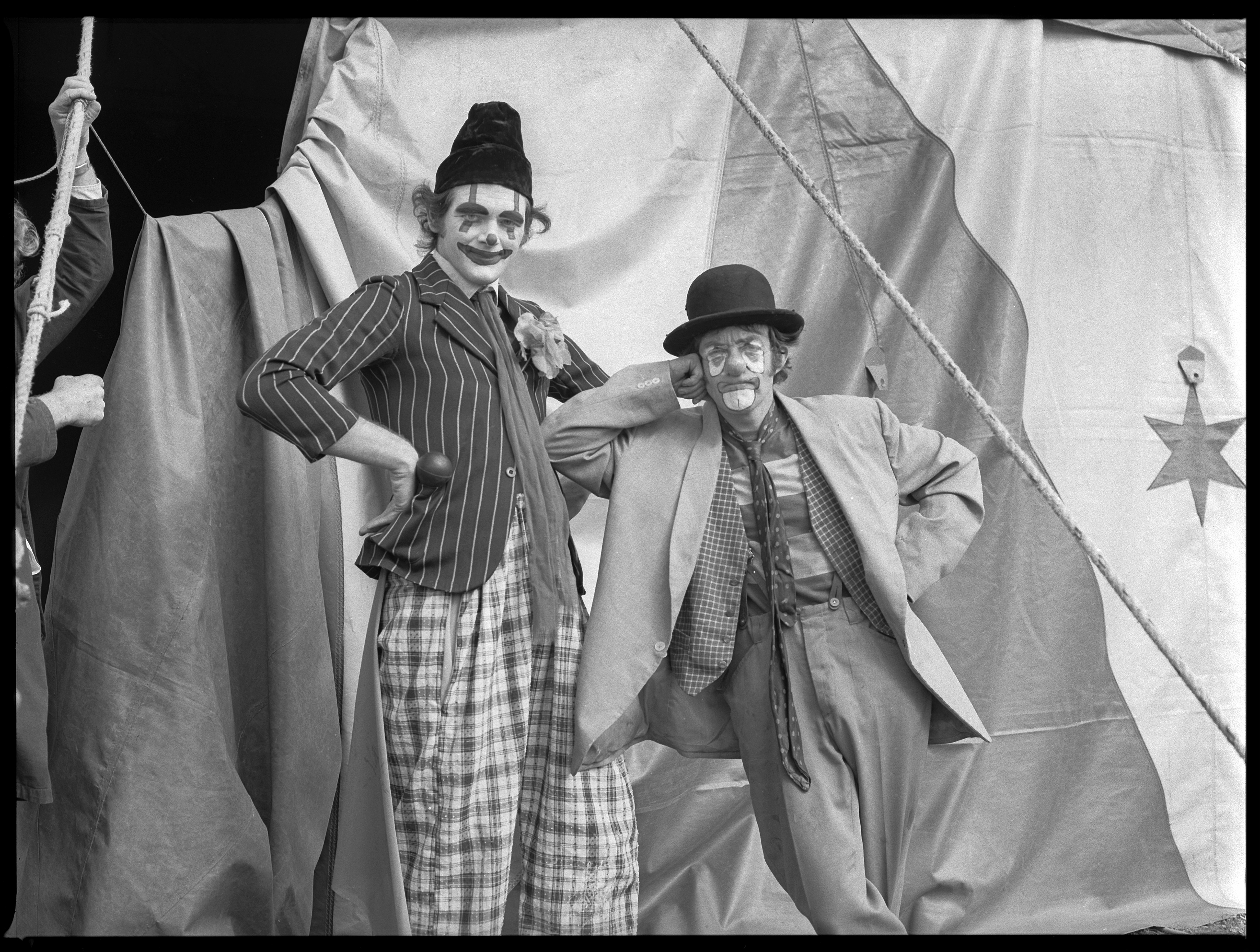
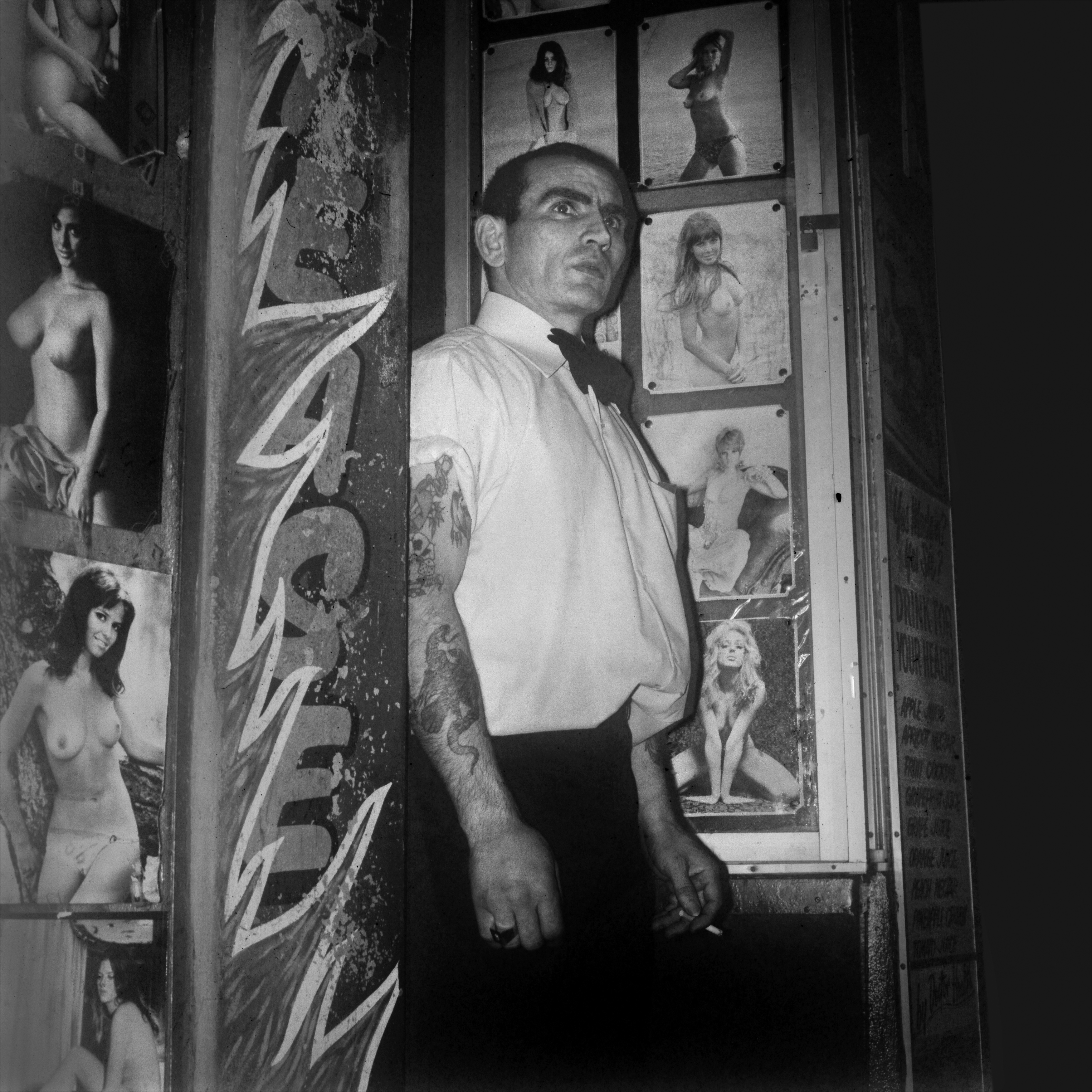
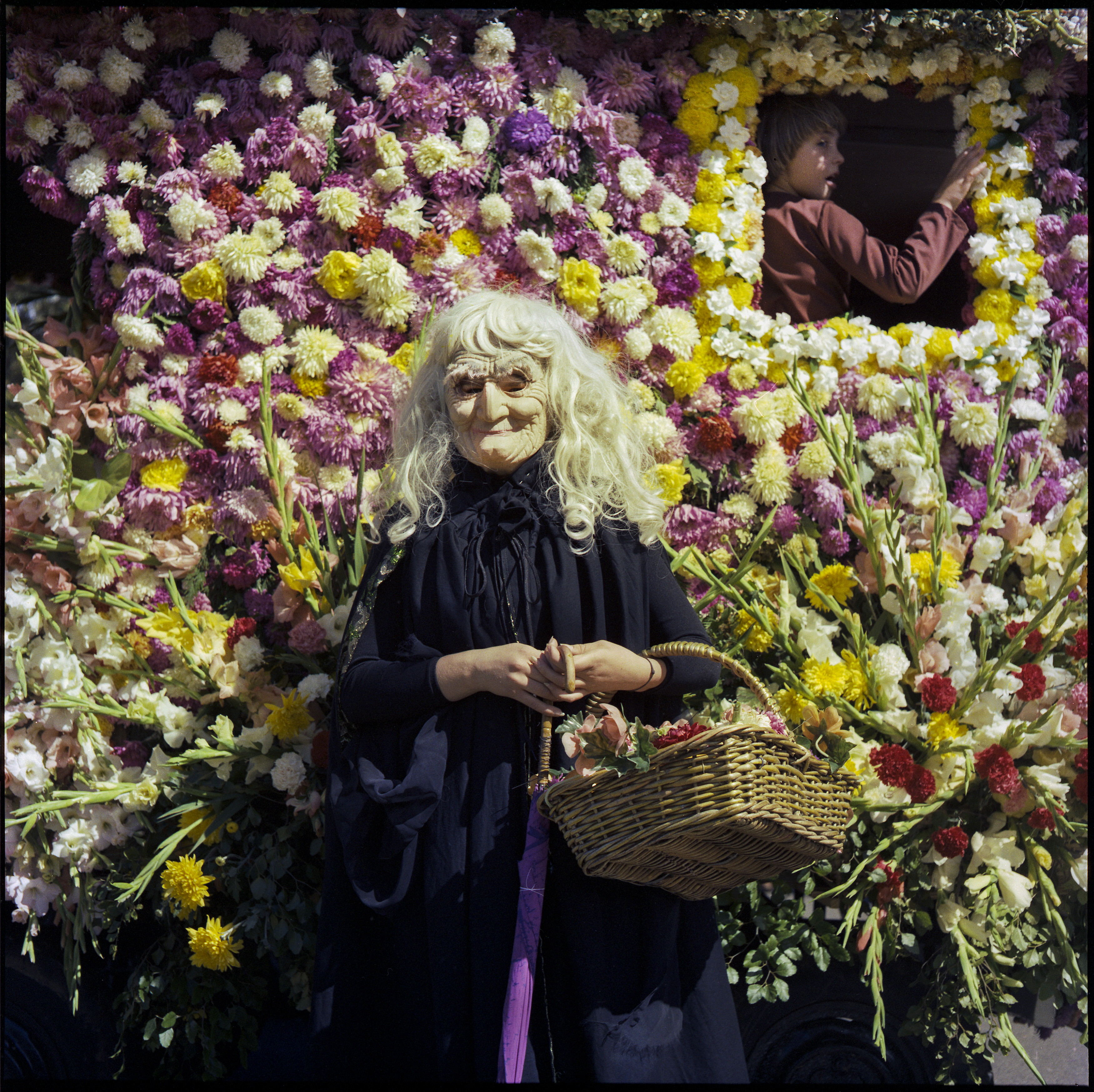
Progressing into colour, she finds a certain attraction in the fantastic:
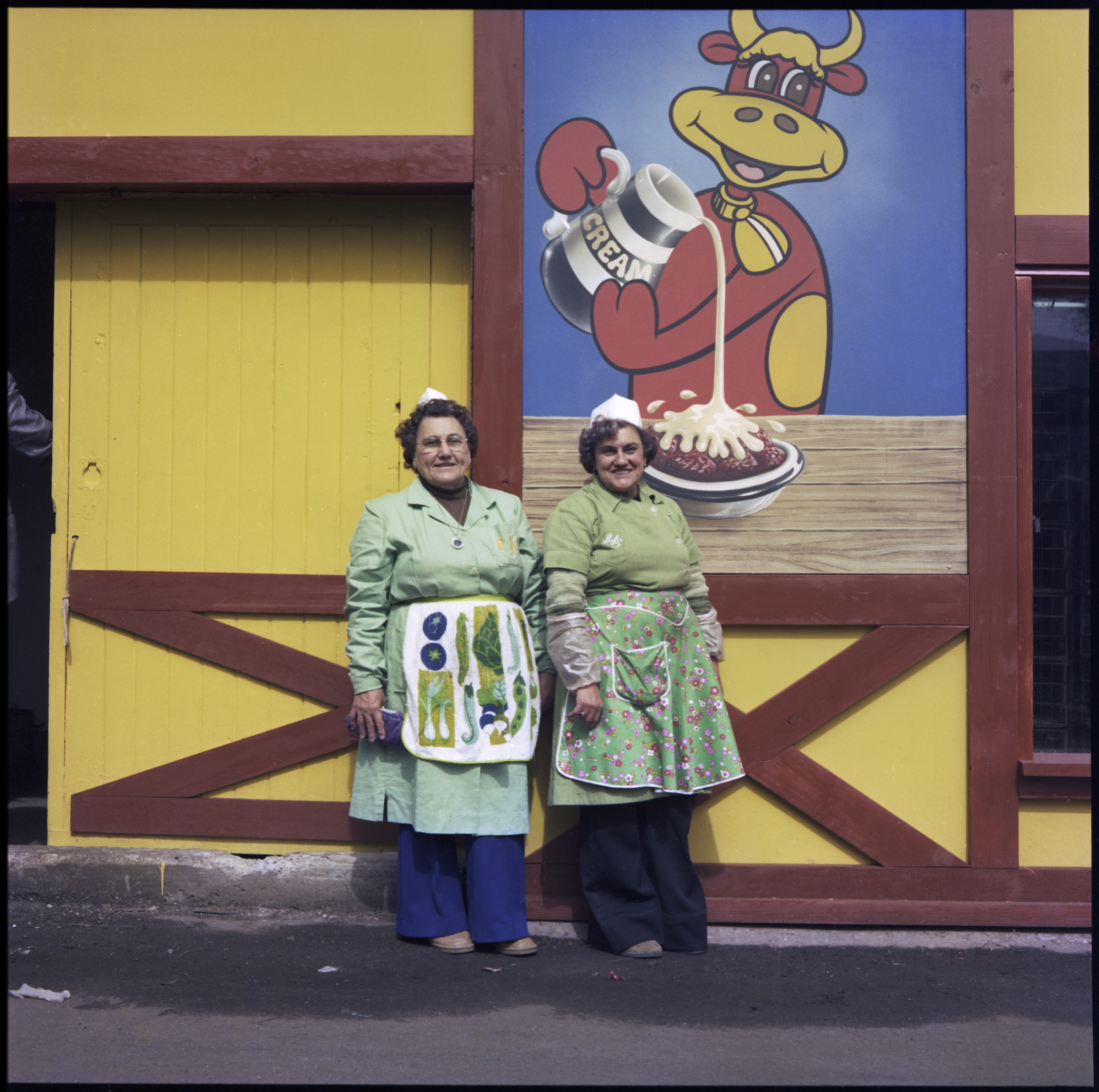
“I loved my time at Prahran—I really enjoyed going there. All of the lecturers were interesting in their own special ways — Athol was especially, eccentrically interesting. I’ll never forget the way he used to sit on a chair was sitting backwards, with his legs dangling in the front on the back of the chair.
“John Cato was very inspiring as well, and I think he wanted to catch up with all the old students a couple of years after I left and wanted to know what we had done since, but I never heard anything else after that. It opened my eyes to so much that I’d never realised before. And creatively it was really great and I met a lot of interesting people there as well, which was good. It was such a lovely place.
“I was friends with Stella Sallman, and also Cherie and Martin Lacis who got married and were only there for a short time. I don’t think they completed the course. Martin did some amazing things, but he became an antique dealer and I think that took over his life really. He was just so passionate about antiques. Cherie is a psychologist.”
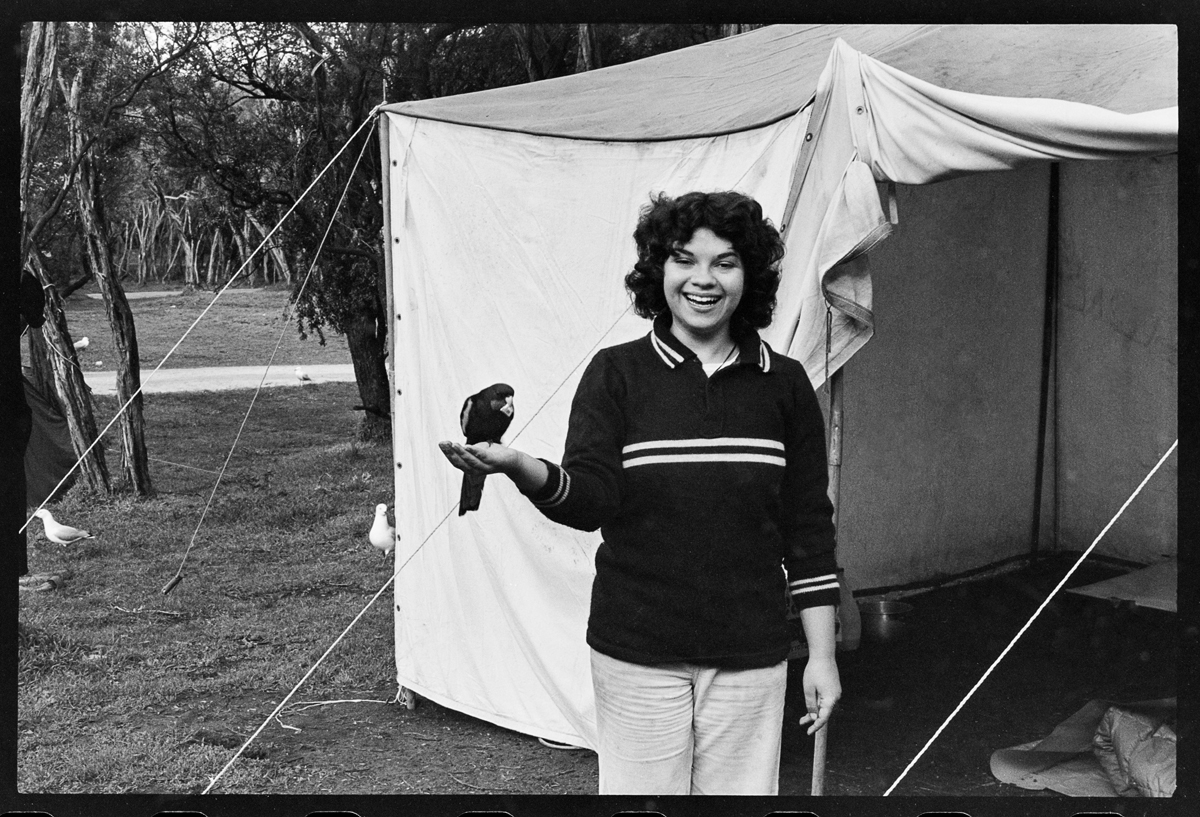
Two years after Prahran, Moira enrolled in a Diploma of Education, at Toorak State College, taking Art and Design to become a qualified art teacher. Ultimately she taught “only a little bit of art as such,” but mainly photography and filmmaking in a wide variety of institutions.
Her first appointment was at Melbourne’s Council of Adult Education from 1981-2002:
“At CAE there were quite a few people who were really inspired to continue with their photography…it was one thing that I really hoped for, that I would spread my energy and my passion for photography to other people, so they could get as much enjoyment out of it as I did. One ended up, he actually caught up with me on the phone after we hadn’t seen each other for years…he became became a forensic photographer for the police department…photographing bodies and all sorts of things.
“I wasn’t into filmmaking while I was at Prahran— that came afterwards. One of the students that I taught at the CAE became friends with me, and he was telling me that he belonged to a group, the Melbourne Super-8 film group, and why don’t I come along and see what it’s all about? And, and I went along and I was just amazed at all these people who were so passionate about Super-8 filmmaking and were doing all these different types of films. A lot of them were experimental and really interesting. That initiated me into Super-8 in the mid to late 80s. My films were based on photographs and experimentation, like processing colour Super-8 colour film with black and white chemistry to see what happens, and drawing on film.”
During her time at the CAE, Moira’s daughter Tegan was born, and then her son, David.
From 1991 to 1993, Moira went through several deep personal traumas that dramatically changed her life. Using film became a solace and a way to cope with these significant changes. In 1991, encouraged by a close friend who was a filmmaker, Moira began to use the medium to express the inner turmoil she was experiencing. This friend gave her the courage and confidence to convey her ideas by animating hand-coloured black-and-white photographic prints with Super 8 film. For Pier Walk (1991) she took a photograph every ten steps along St Kilda pier. They were copied onto Super 8 with different coloured spacers edited between each shot which created a kind of peripheral awareness of the colours of the clothing of people passing by at a leisurely pace.
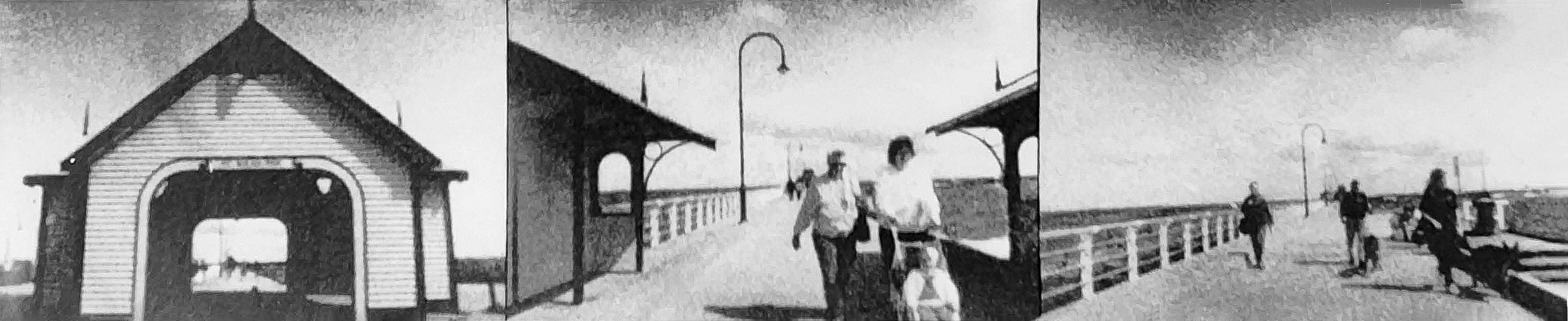
“Movie film has been a wonderful way of combining a number of my interests which otherwise would probably not have been possible. As a professional photographer my background and understanding of cameras, composition, light etc. has made the transition relatively easy with a “photographic vision” happening naturally.”
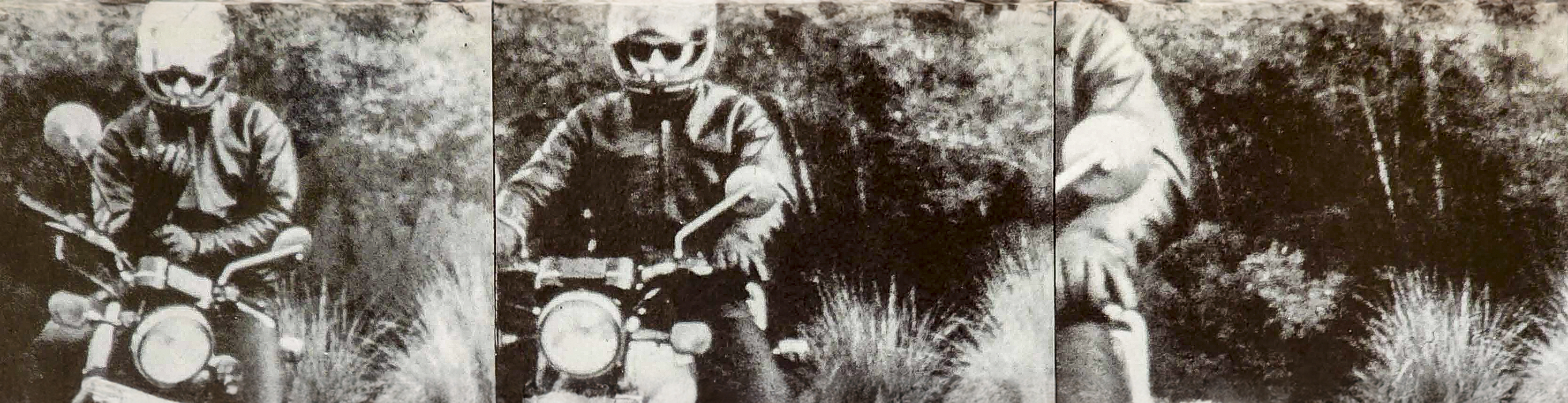
Her next film, Motorcycle Ride (3 mins, Super 8, 1992) uses 86 monochrome photographs of a motorcyclist putting on his gloves and his helmet then riding out from amongst thick roadside vegetation. Over three months of work Moira hand-coloured each of the photographs and re-animated them on Super 8 film with ambient sounds of singing birds and the accelerating motorcycle. Green frames are inserted between the photographic images, which Steven Ball (Cantrills Filmnotes, Nos. 71/72, 1993) writes “is an inventive reconfiguration of time and space: the image of the rider and his motorcycle appearing as retinal memory, an after-image…”
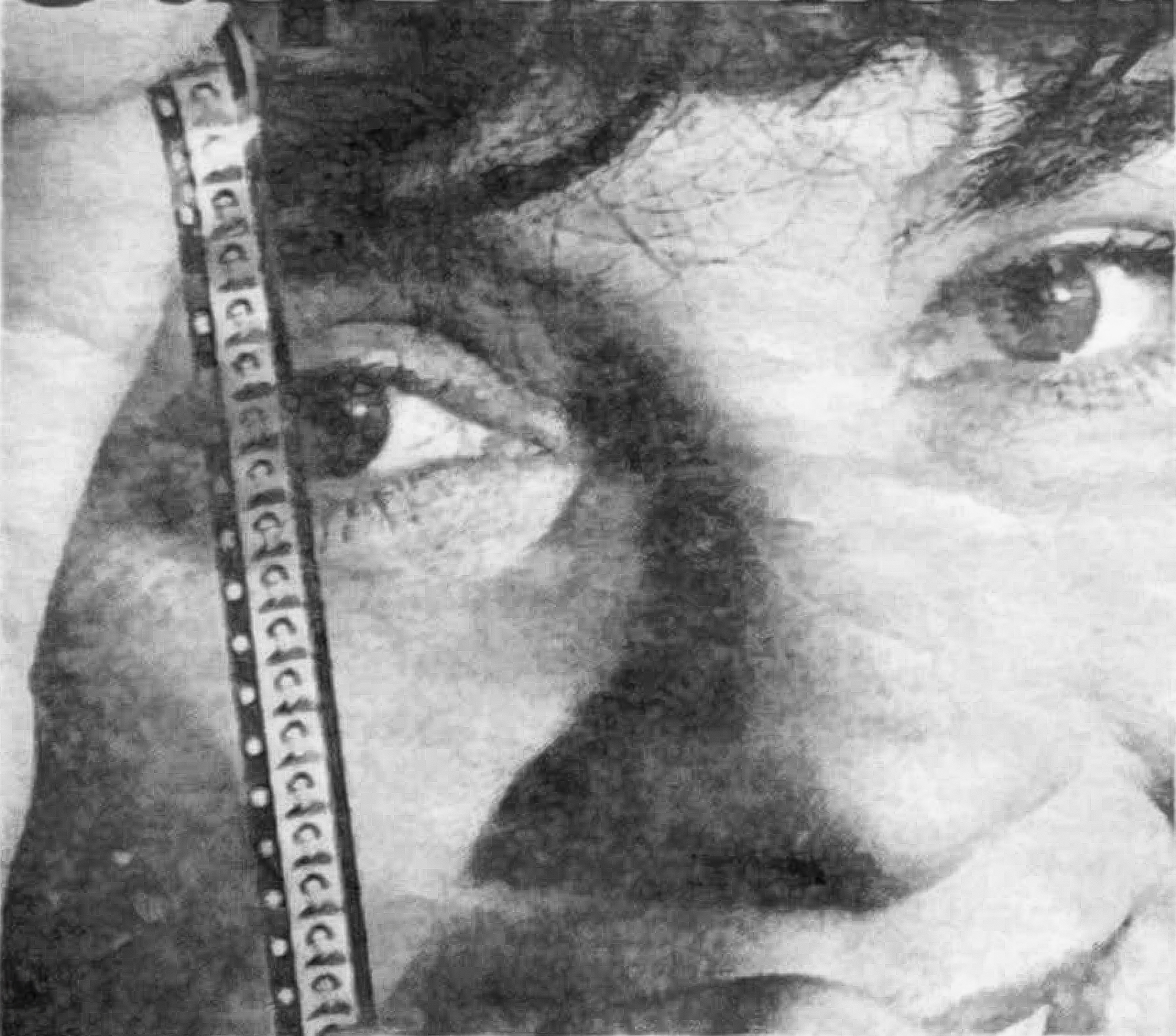
Super 8 film was cheap, easily accessible, and very hands-on. Each piece of equipment was “as exciting as playing with a new toy,” producing unpredictable results. Seeking the unpredictable in effects not possible using conventional means Moira’s ‘film abuse’ included using reversal Super 8 film, sometimes deliberately selected from out-of-date stock, processed as negative in black and white chemicals—in a bucket! She then treated them with lemon juice, tetrazone, and bleach, exposing them to light and scraping at the film’s backing; ‘film is fairly tough. Unless you go to extremes you don’t get much of a result.’
While this might seem perverse and reckless, such experimentation extended on her hand-colouring photographs; working more freely and directly on film materials and processes she could achieve results well beyond those possible using conventional means. The unpredictable in such radical experimentation presented new creative potential. Chase and City Walk (both 3 mins, Super 8, 1992) were shot on colour reversal film, and in the former, shot in one take, hand-held, she chases her daughter Tegan through bushes, action that is visually obscure, but emphasised by scratches and dried-blood sienna blotches on the film’s surface, so that the chase is made sinister.
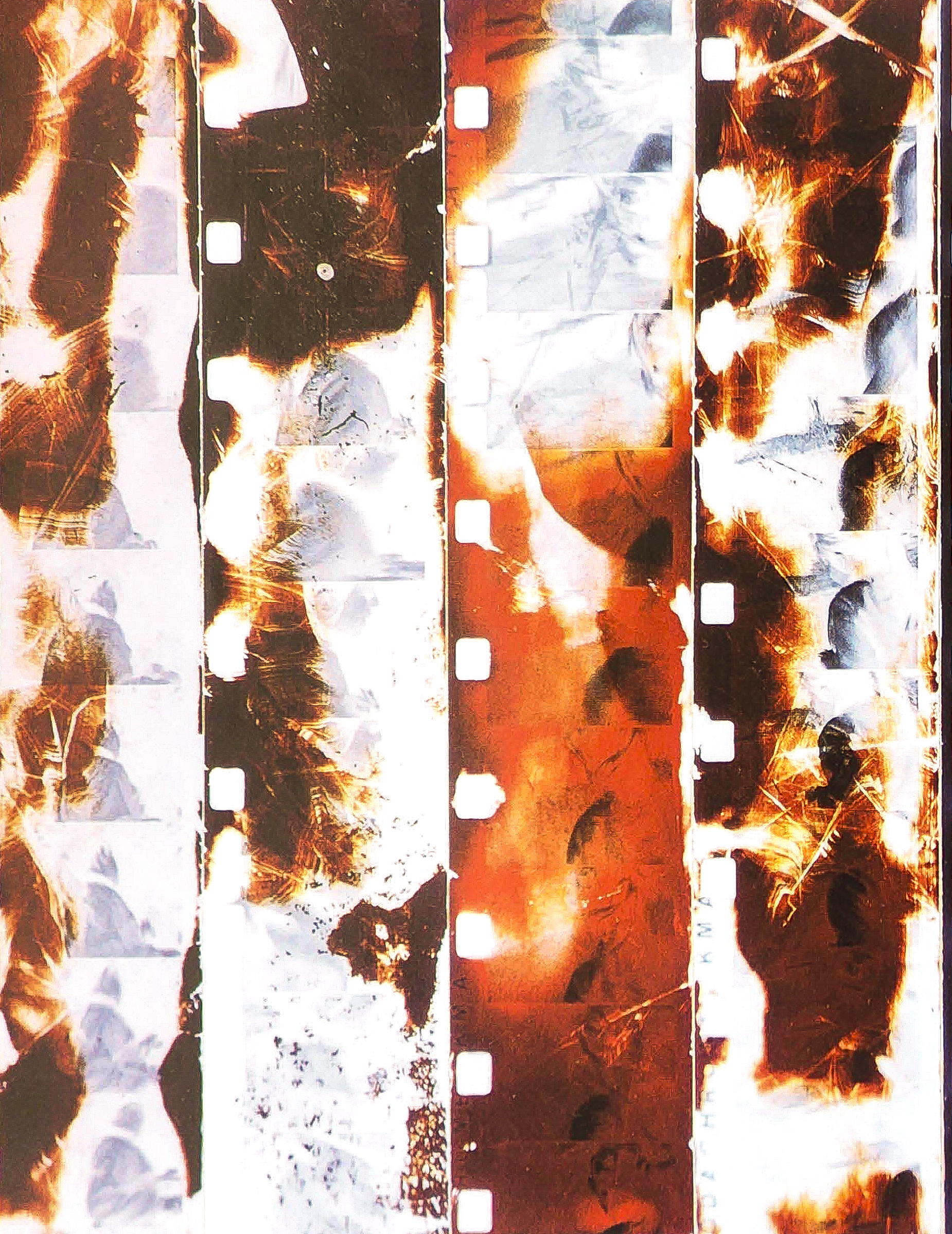
The City Walk footage was shot hand-held amongst the pedestrian traffic opposite Flinders Street Station, the same location at which Rob Gale had photographed tram passengers at rush hour 14 years earlier, inspired by John Brack’s 1956 painting Collins St, 5 p.m., and while Bill Henson’s compassionately surveilled Crowd Series (1980-1982) was shot around and in the station, Moira’s vision is more subjective in evoking an alienating sense of the viewer themselves being overwhelmed by the soulless urban environment; its dirt, clamour and exhaust fumes.
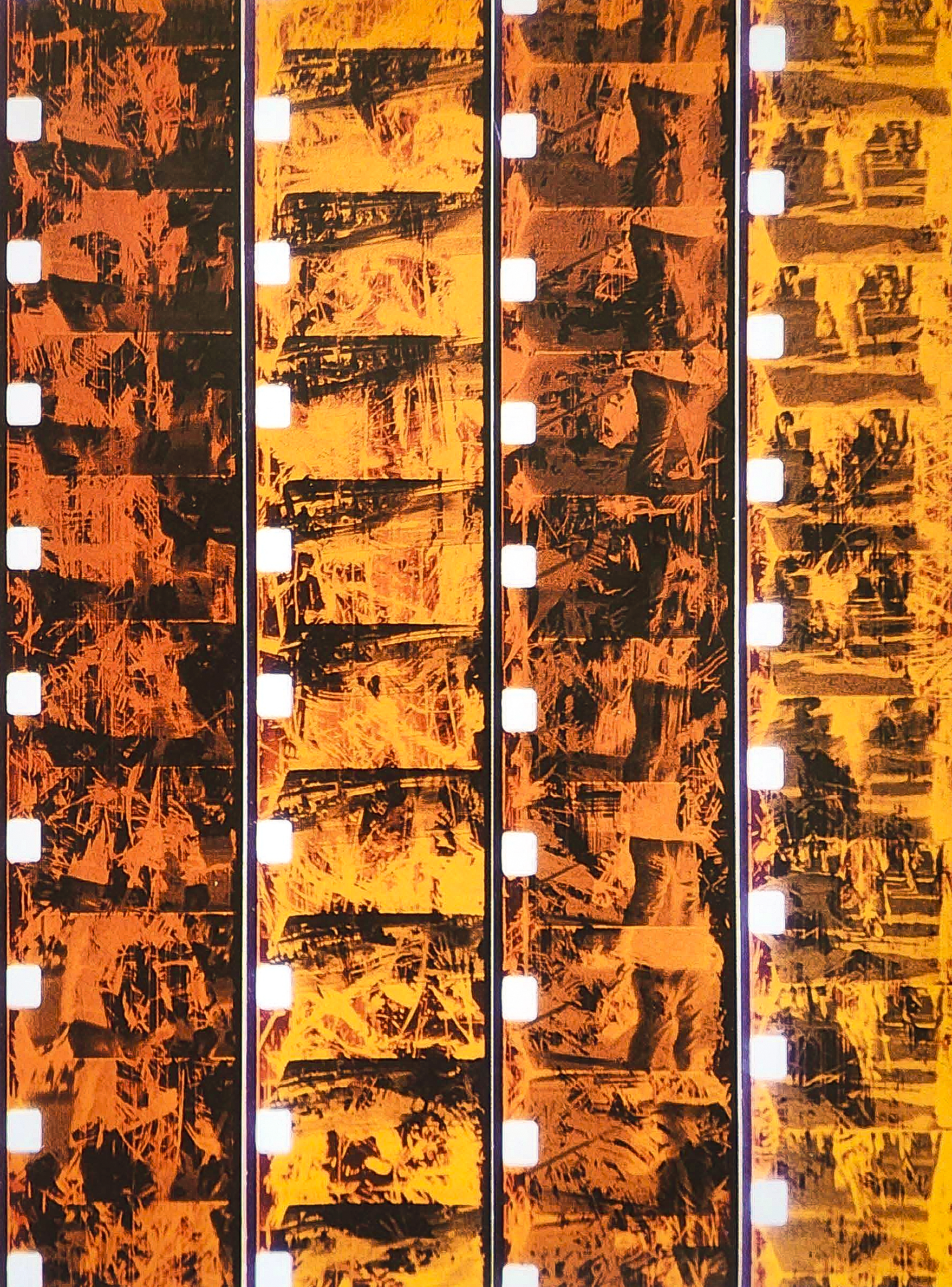
Combining these elements with hand colouring and hand processing made the experience even more challenging and fulfilling for Moira, who noted in a 1994 interview and in a lecture on ‘Special Effects in Black-and-White Photography’ to the Melbourne Camera Club, that hand colouring had been a technique she’d been using on photographs for many years, combining a variety of media; paints, watercolours, inks, pastels, crayons and photographic retouching dyes.
“Hand colouring can add a new dimension to an ordinary B&W photograph by highlighting certain areas. Depending on the desired effect, hand colouring can be precise, subtle or over-whelming. I have also used hand-colouring directly on super 8 film, Black Monday (1993) and the effect of this is almost like viewing through coloured cellophane.”
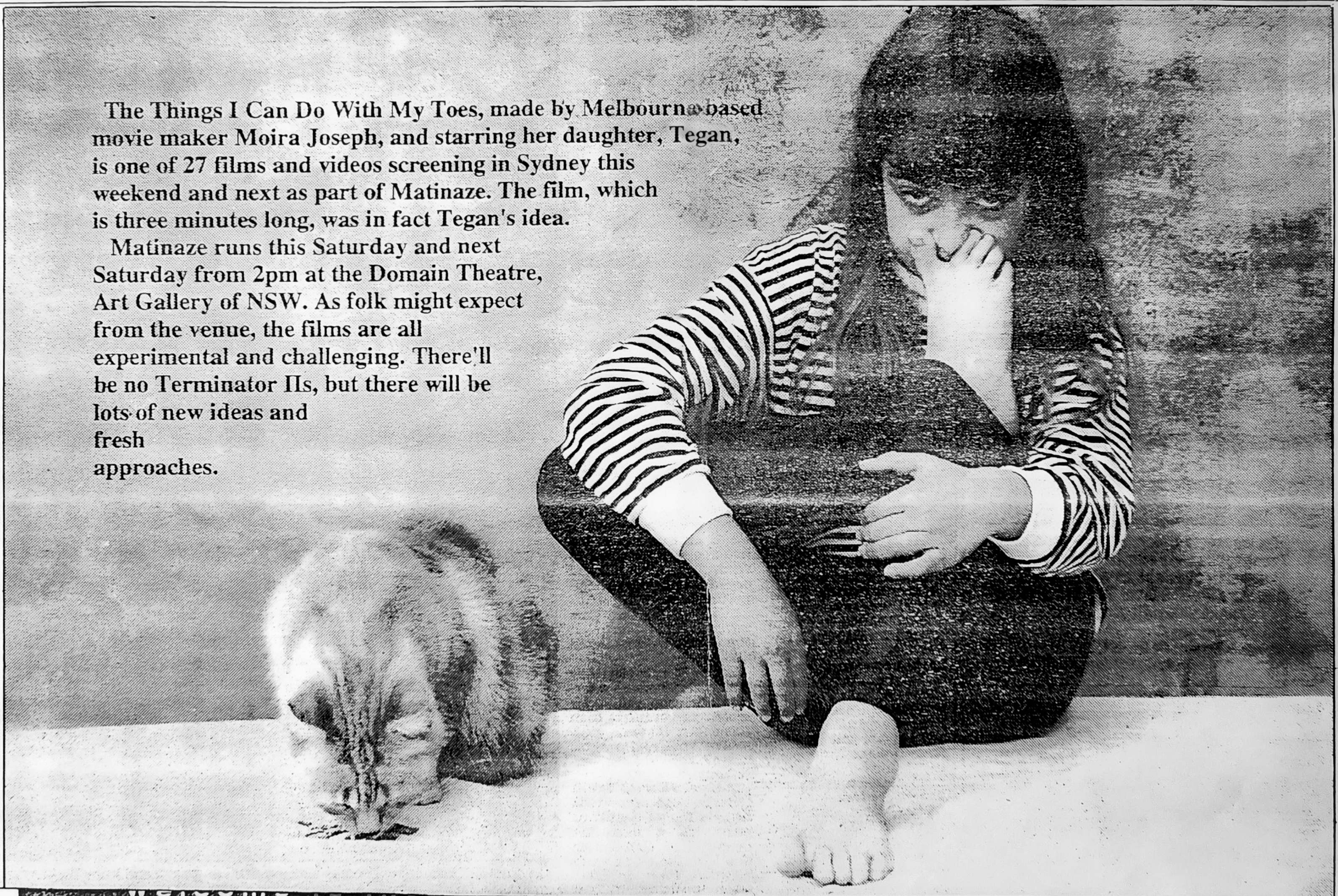
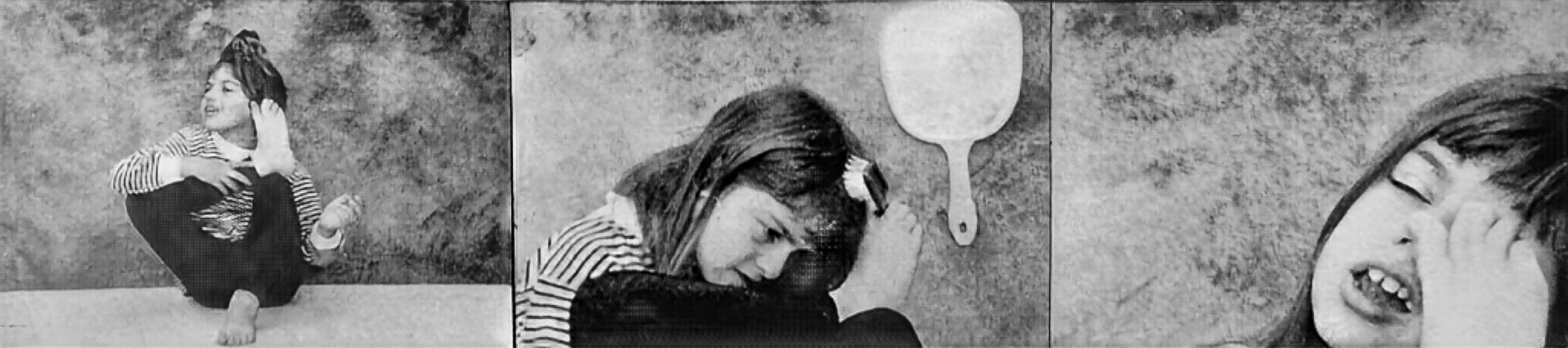
In 1993 her short, The Things I Can Do With My Toes, screened on SBS television
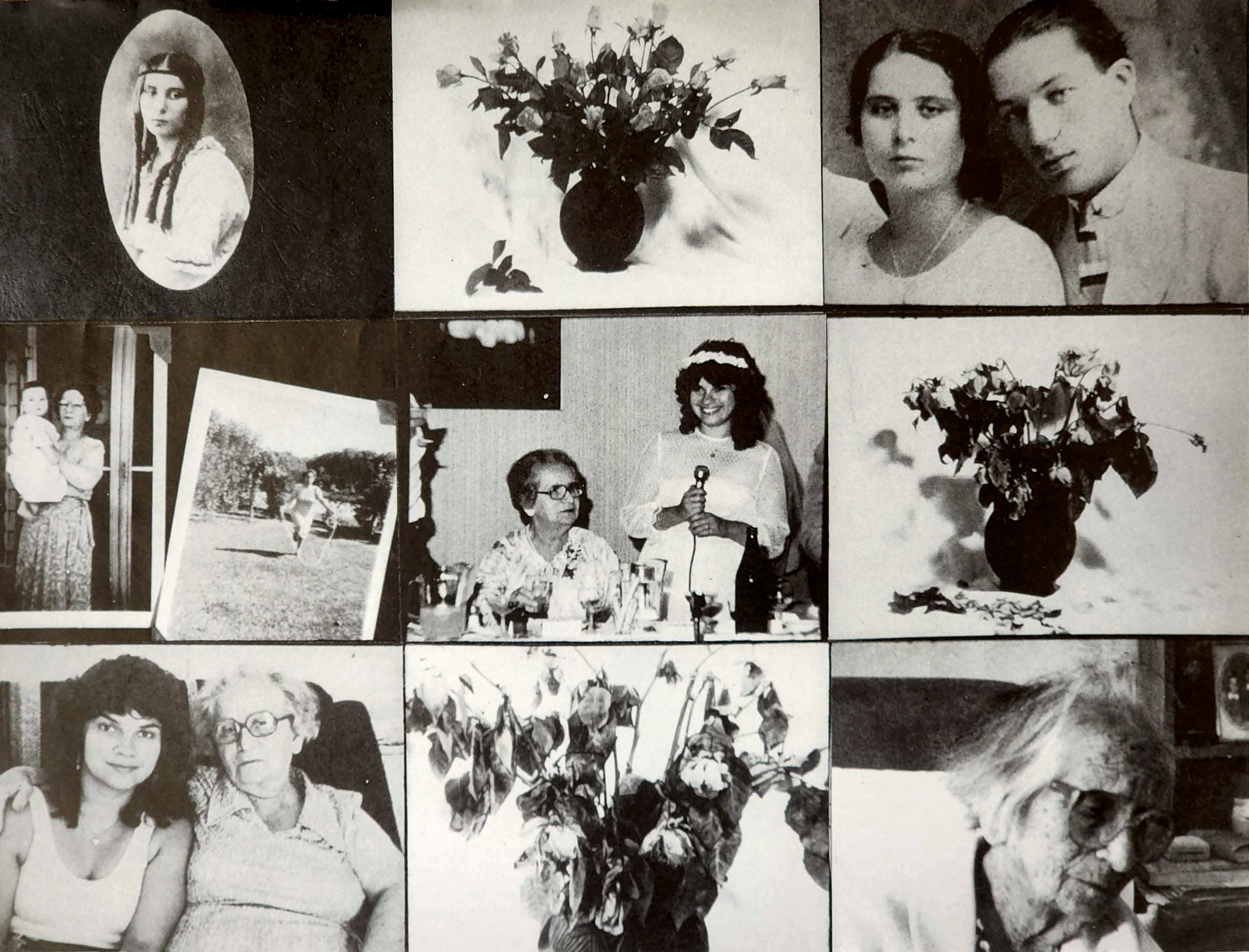
In 1994 Moira’s film Pearl was funded by the Australian Film Commission:
“I had films screened at lots of major film festivals, and a lot of the films, I put a lot of my heart and soul into. One in particular was called Pearl, which was about my grandmother. What I did with that one was, I used photographs of her from the age of…from when she was about 16, I found lots of photos of her and a lot of the photos were ones I took when I was old enough to take them. I related that to the ageing of a rose. I took photographs every three hours of a bunch of roses from their beginnings as buds, until they opened up, until they withered. I printed them all in black and white and hand coloured them yellow and green. You see her age, and concurrently you see the flowers age. That was shown at the Astor and the whole audience was crying, it was just…amazing. I didn’t expect that … the effect that it had.”
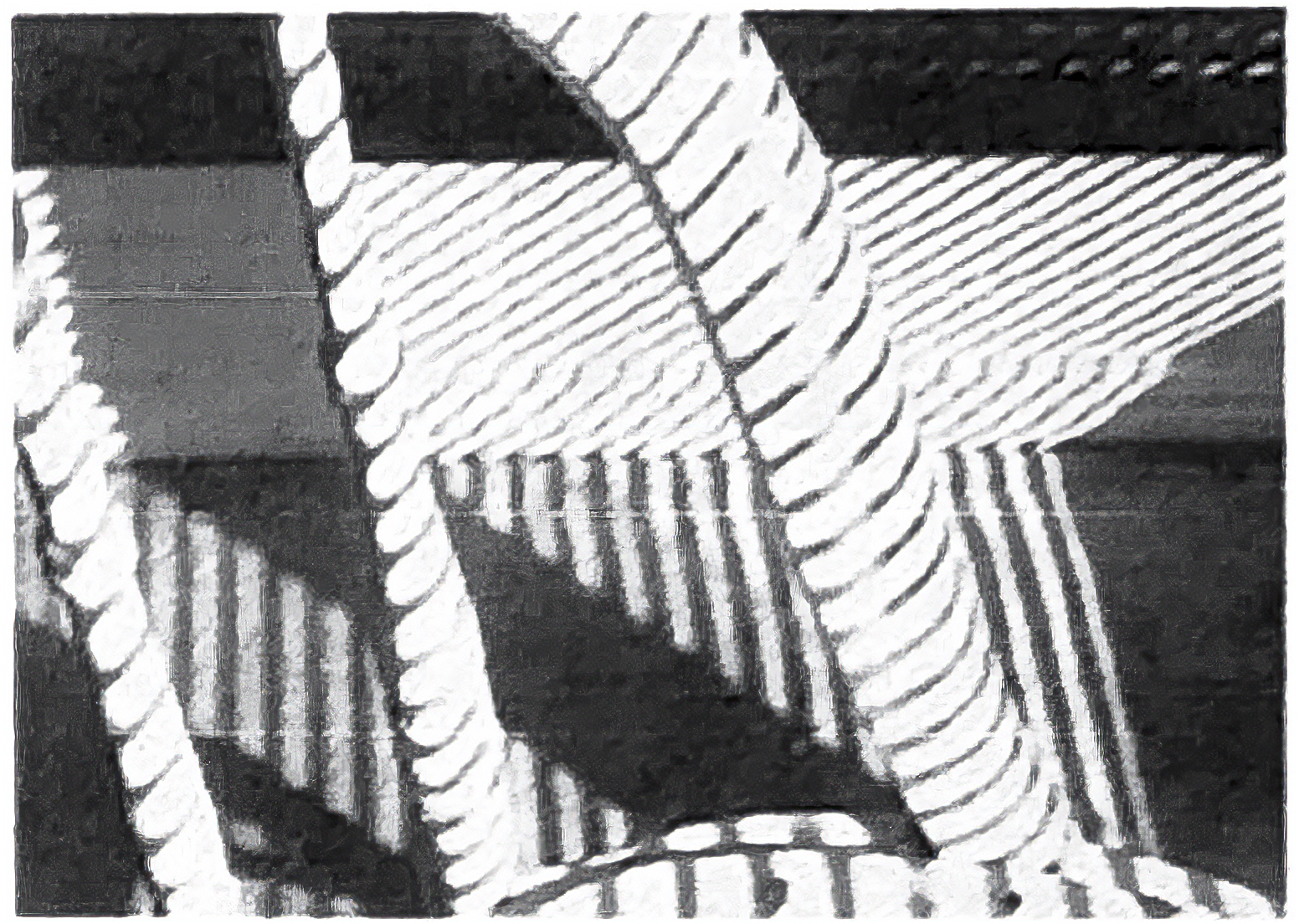
Paul Harris’ column ‘Buff’s Choice’ in The Sunday Age [30 September 1994] reviewed the White Gloves Film Festival held at the National Theatre, St Kilda billed as “the world’s only shoot-to-show black-and-white film festival.” Moira Joseph’s film, Open Your Eyes rose to the considerable challenge set for the Festival, founded in 1989, which focuses on the basics of filmmaking. Entrants had to create a three-minute, silent, black-and-white film for $50 within 48 hours, using Super 8mm or 16mm film without post-shooting edits. Joseph shot her entry in her bedroom with her daughter and a friend. The festival emphasised creativity and organisation, and to verify that they have followed the rules films incorporate a “secret symbol” in the first 30 seconds. Audience reactions provide live feedback during screenings.. From the more than 140 entrants Harris picked out films by Jane and Anthony Polkinghorne and Ro Milbur and “Moira Joseph’s Open Your Eyes, an essay on Super-8 about unusual patterns and textures to be found in everyday settings.”
Moira remembers; “I didn’t really love video, the quality at the time was underwhelming … you know, useful, but, not particularly; I couldn’t really do much with it compared to film. No, film was just miles ahead,” a sentiment stressed for Karin Derkley’s 2 July 1995 article ‘Super 8 provides a cheaper alternative’ in the The Sunday Age who notes that though video “is cheap and, if you make a mistake, you can easily record over it. But if film is really what you’re after,” she writes, “why not try Super 8?” Moira was the CAE tutor she consulted for her article, who responded that:
“Super 8 is real film only in miniature. It has a richness of quality and a capacity for experimentation that video will never match.”
Noting that though cameras and splicing equipment could be bought cheaply, the film was relatively pricey at around $20 [a value of $40 in 2024] including processing for three minutes 20 seconds, which Moira frames as a big advantage:
“When you’ve only got a few minutes of film, you have to really take care and think about what you’re doing.”
The sheer tactility of the Super 8 film making process was another advantage:
“…you can play around with the surface, creating effects beyond the basic limitations of “point and shoot”. One of my students hand coloured his black-and-white film with textas and I engage in a lot of what I call ‘film abuse’.”
Moira’s involvement with the Super 8 group at 211 Johnston Street, Fitzroy, gave her students the chance to show their finished work on a big screen at the Erwin Rado Theatre to an enthusiastic audience. Moira also offered weekend workshops in Super 8 post-production and location shoots.
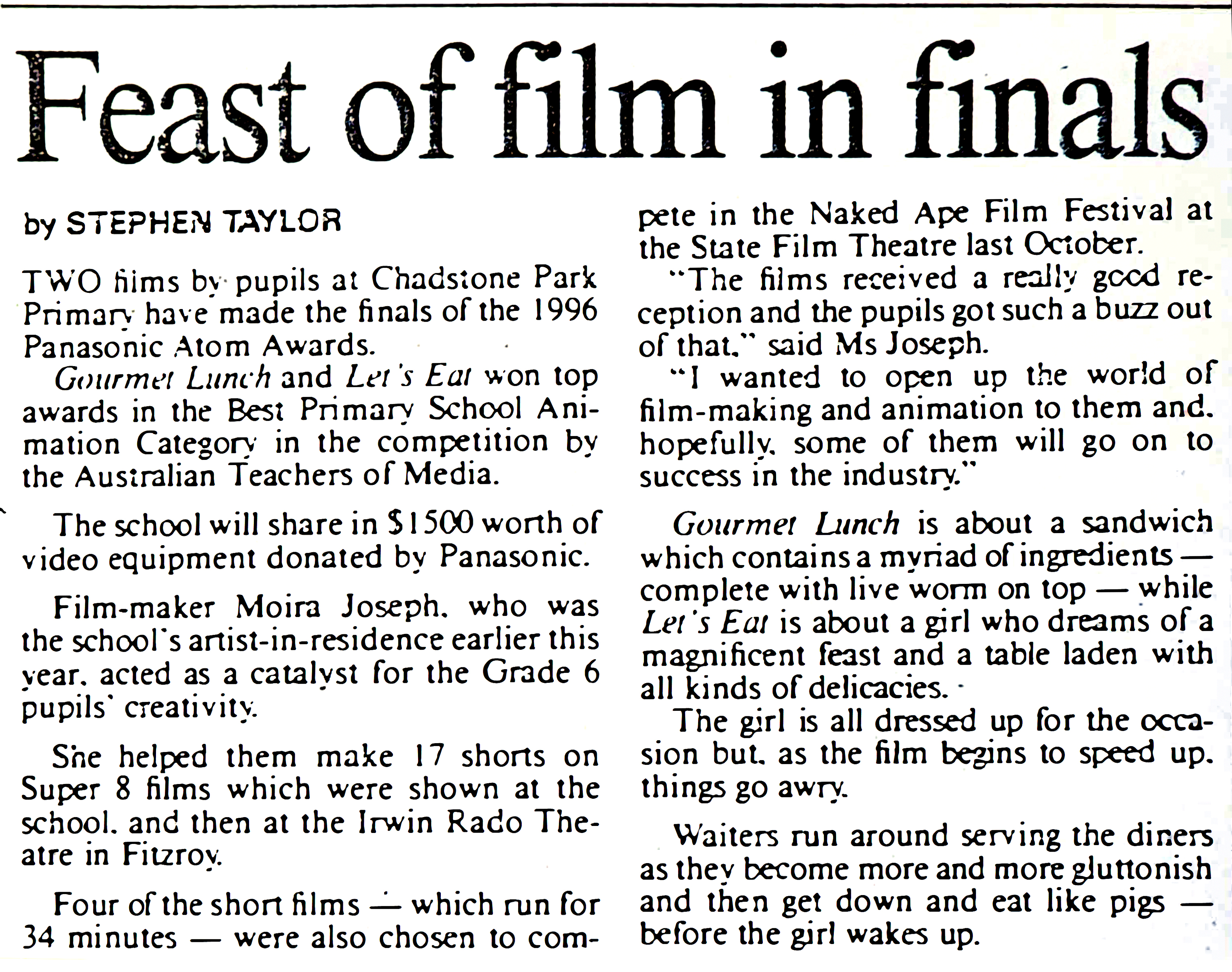
In 1996 Moira played all strings of her bow; photography, film and teaching; participated in an exhibition at Council of Adult Education where she was supervising darkroom access for advanced photographers; received funding from the Australian Film Commission to produce her film Brian’s Body, which was screened on SBS television; and also undertook an artist-in-residence in Animation and Filmmaking at Chadstone Park Primary; participated in ‘Horrorsphere 8’ along with Perry Alexander, Barry Brown, Jeff Norris, Tim Patterson, Tony Woods at Cafe Bohemia, Collingwood; and the films she made with the Chadstone Park Primary school students were winners of two Panasonic Australian Teachers of Media (ATOM) Awards.
Over 1997-98 she joined group exhibitions at George Paton Gallery and at Linden Gallery in St.Kilda and while maintaining her classes at the CAE, was artist-in-residence at Ripponlea Primary School and Caulfield Grammar School where her work was shown in another group exhibition.
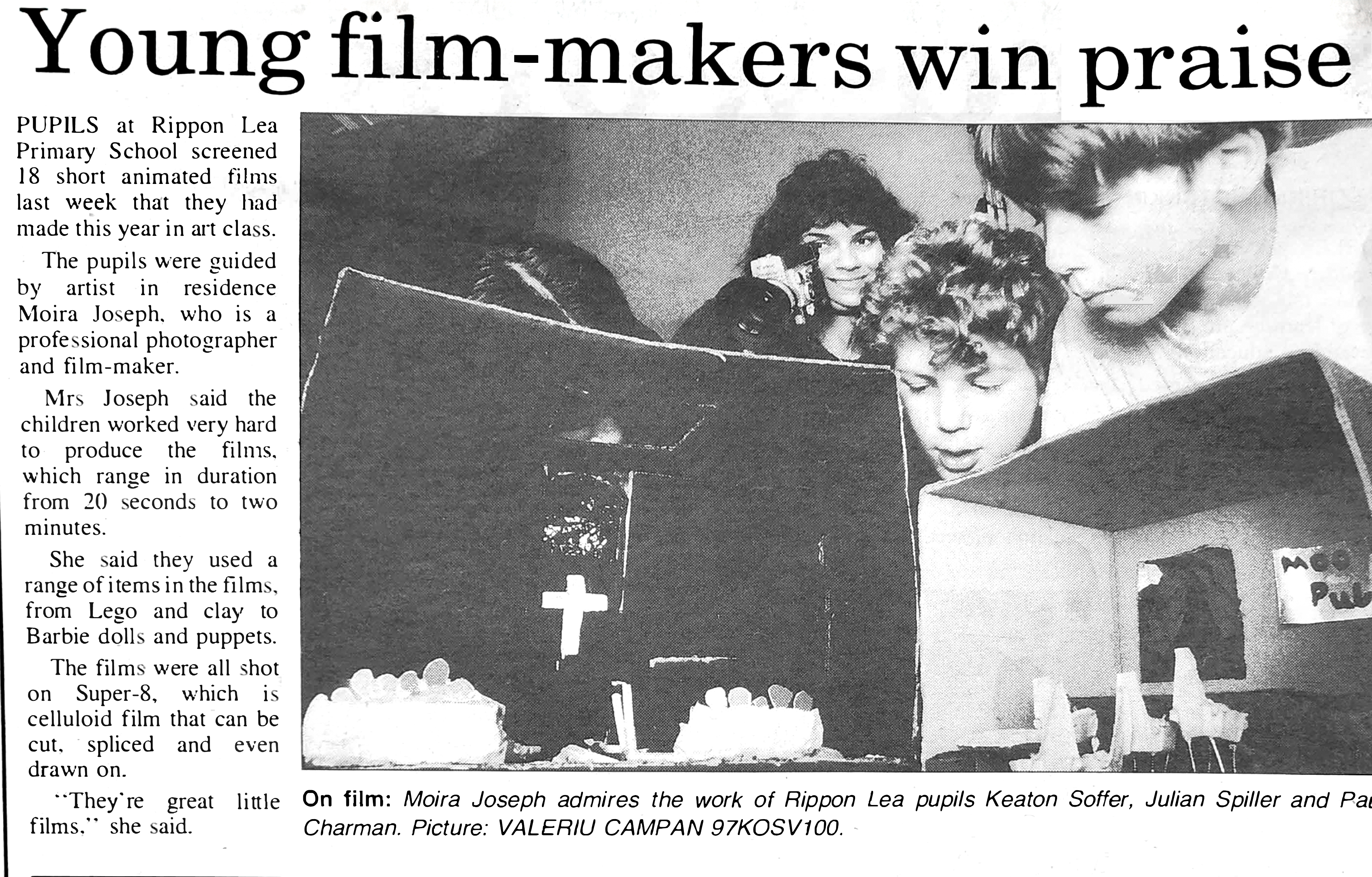
Adam Turner from The Age in his 25 September 1998 article about the Melbourne Super-8 Film Group, formed in 1985 notes that it then had 140 members of all ages but mostly in their 20s and 30s. Moira emphasised to him that they made super-8 films for the love of it, not for financial gain;
“We do it because we have something to say. Also, Super-8 just has a certain look and style. A lot of people who work with super-8 also work with video and 16mm, but super-8 has a soft, grainy, nostalgic feel to it.”
The occasion was the group’s upcoming ‘8 at the Sun’ which was screening the work of 11 Australian filmmakers including four of Moira’s films at the Sun Theatre, Yarraville, a festival displaying many different techniques over two one-hour sessions, including drawing and painting directly on to film and scratching the emulsion. These effects Moira praised as “incredibly beautiful to watch. When they’re played back it’s almost like looking at a series of paintings evolving on the screen.” One her films to be shown was A Moment In Time; old footage which has been reshot, bleached and dyed;
“Once it’s been reshot, it slows the movement right down and it has a really dreamlike eerie feel to it, You just can’t get that sort of effect from video.”
When 3,000 community volunteers transferred the former Chadstone High School site in East Malvern into Phoenix Park Moira Joseph documented its construction over six days in late October and early November 1999. Filming for 54 hours, she edited the resulting film back to 18 minutes and showed Pheonix Park in a preview at the Erwin Rado Theatre.
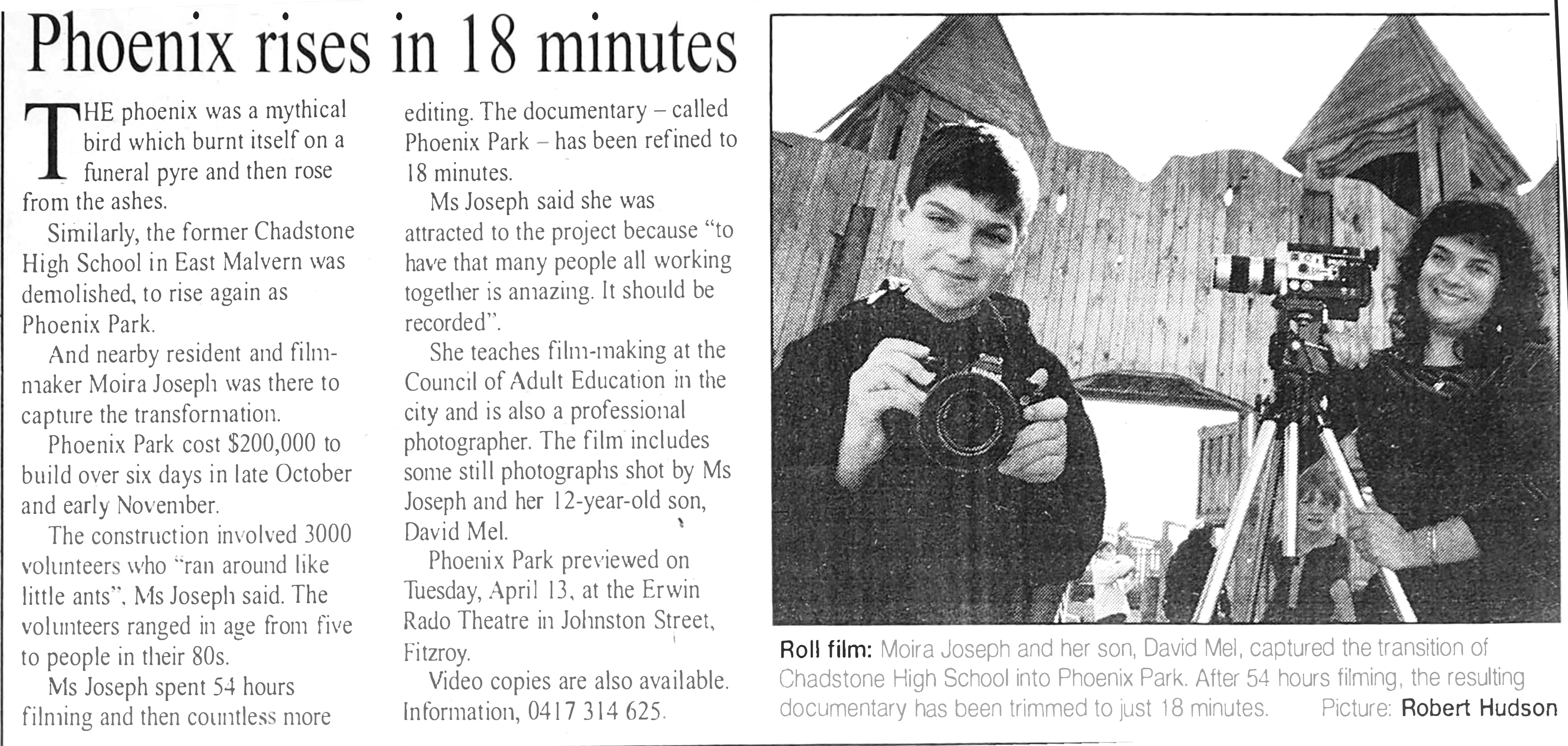
Continuing in both 2D and 4D media, Moira submitted work to the 1999 St.Kilda Postcard Exhibition and took her CAE students on location after an inspiring introduction to which she invited guest speakers. She was Filmmaking Tutor at the Glen Eira Arts Complex when in 2001 her By The Sea screened on SBS television.
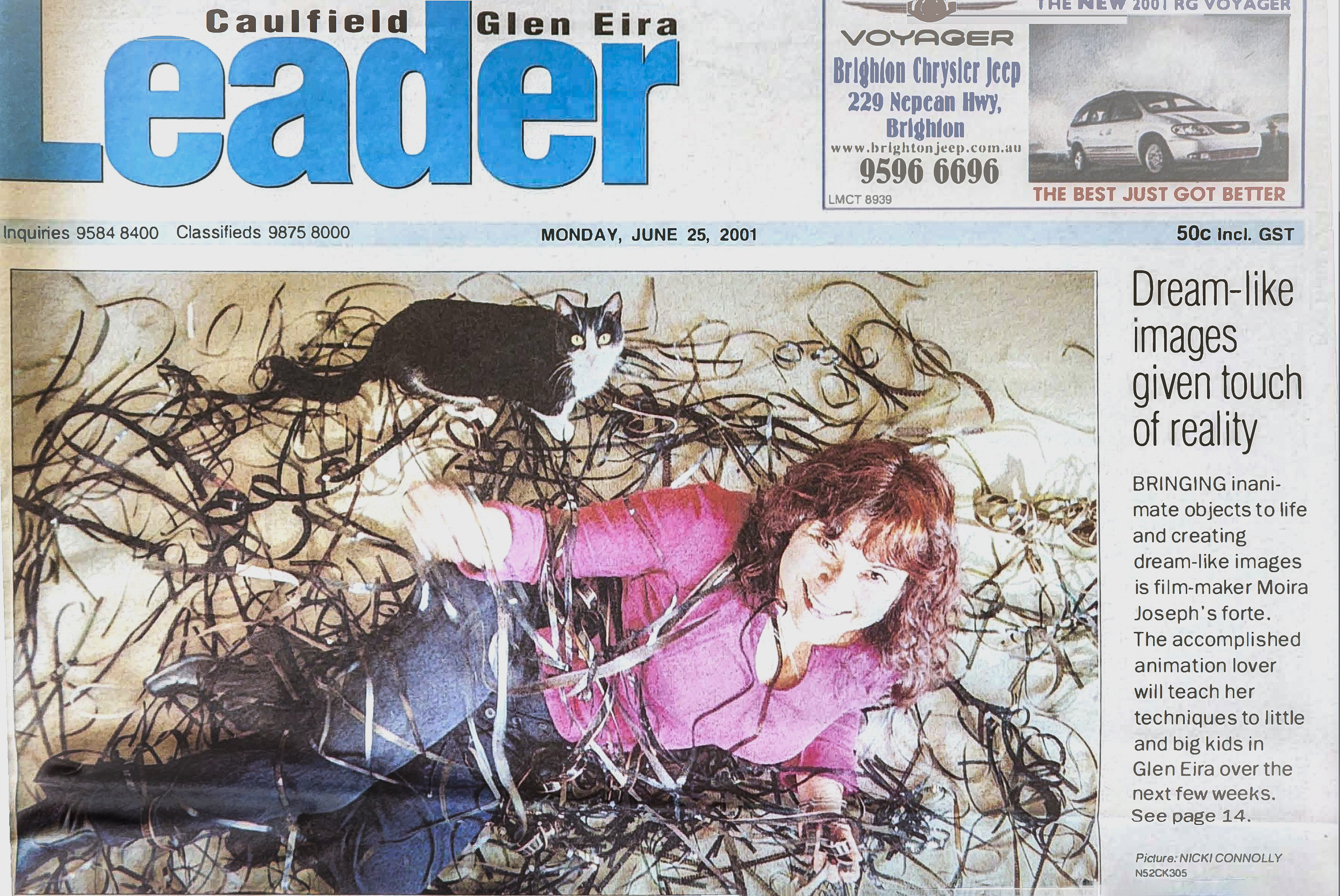
Interviewed for the Stonnington Leader by Katrina McGrath in June Moira described how she brought inanimate objects to life by combining photography into filmmaking and hand drawing on celluloid, hand processing and scratching negatives to create interesting images:
“I use my dreams and inspiration for my work and I’ve been told that my films can look like stepping into someone’s dreams. I like to give people an amazing viewing experience—something they won’t forget.”
By that stage Joseph had tutored at the Council of Adult Education for almost 20 years and had screened her work at the Astor Theatre, local and international film festivals, as well as on the SBS. Some of her films included footage of demonstrations Black Monday, Black Wednesday, Black Thursday and Red Friday, were inspired by demonstrations over the past 10 years.
“I filmed the demonstrations and hand processed and hand coloured the images in which there was a kaleidoscope of different groups of people and sounds, and people often think they can recognise individuals in the film.”
Though the film-making process in which eighteen images are required for one second of film is tedious, she said she was never bored.
Wild dreams, a retrospective screening from the Super 8 Film Group that included her work was held as part of the Melbourne Underground Film Festival on 9-10 July 2001, at Kaleide Cinema, RMIT University
Moira ran film animation courses that year at Glen Eira Town Hall for adults and children and continued these programs for Glen Eira Council into 2001, with introduction to animation courses and Super8 filmmaking instruction specifically for teenagers and other classes for adults and children at Oak Tree House, Caulfield South.
She was artist-in-residence at Caulfield Park Community School in 2002 before, from 2003- 2007 she was the Photography Teacher at Holmesglen Institute of TAFE, and in 2003 was Filmmaking Lecturer, Victorian College of the Arts, while also undertaking emergency primary and secondary teaching.
Further workshops provided an income; at Art Play at Birrarung Marr, Federation Square in 2004-2005; Filmmaking Workshops at Gippsland Art Gallery; and Frankston Arts Centre 2005 -2007; but she had to augment that with roles as Market Research Recruiter, Phyllis Mitchell Market Research, and Exam Invigilator at M.I.T., and Chisolm College, Dandenong:
“I was doing so many different things, so many different places that I taught at, from primary schools, to high school, TAFE colleges, the VCA. Yeah. It’s just been everywhere, the CAE, Holmesglen. I did workshops on scratching film and animation and joining up different films and, splicing them together to make different effects and all that, which I did in workshops since, and at Birrarung Marr, at the art space there that they had where I used to run school holiday programs in scratching on 16mm film. The kids loved it when you played that back on a projector to see what they’d done and they were quite amazed and it looked so interesting.”
With the onset of Parkinsons Disease Moira planned a career as fitness instructor and undertook a Certificate ll In First Aid and Certificate lll In Fitness at Holmesglen Institute of TAFE in 2005:
“If I’d known about Parkinson’s disease, I probably wouldn’t have been so lax in the darkroom…we didn’t have enough exhaust fans and people were very negligent about about getting the chemicals off their skin and out of their clothing.”
Moira joined a group exhibition at Frankston Arts Centre in 2007, and though she still photographs with her mobile phone, the illness is taking its toll. Steven Ball says of her life’s work:
“Moira Joseph’s film work…is typified by a fairly intense process of enquiry, explorations of the image animated in time and space; from the projections of the molecular processes of ‘film abuse’ at an eighteenth of a second, to the life of a woman represented in photographs.”


 On This Date in Photography: by James Mcardle