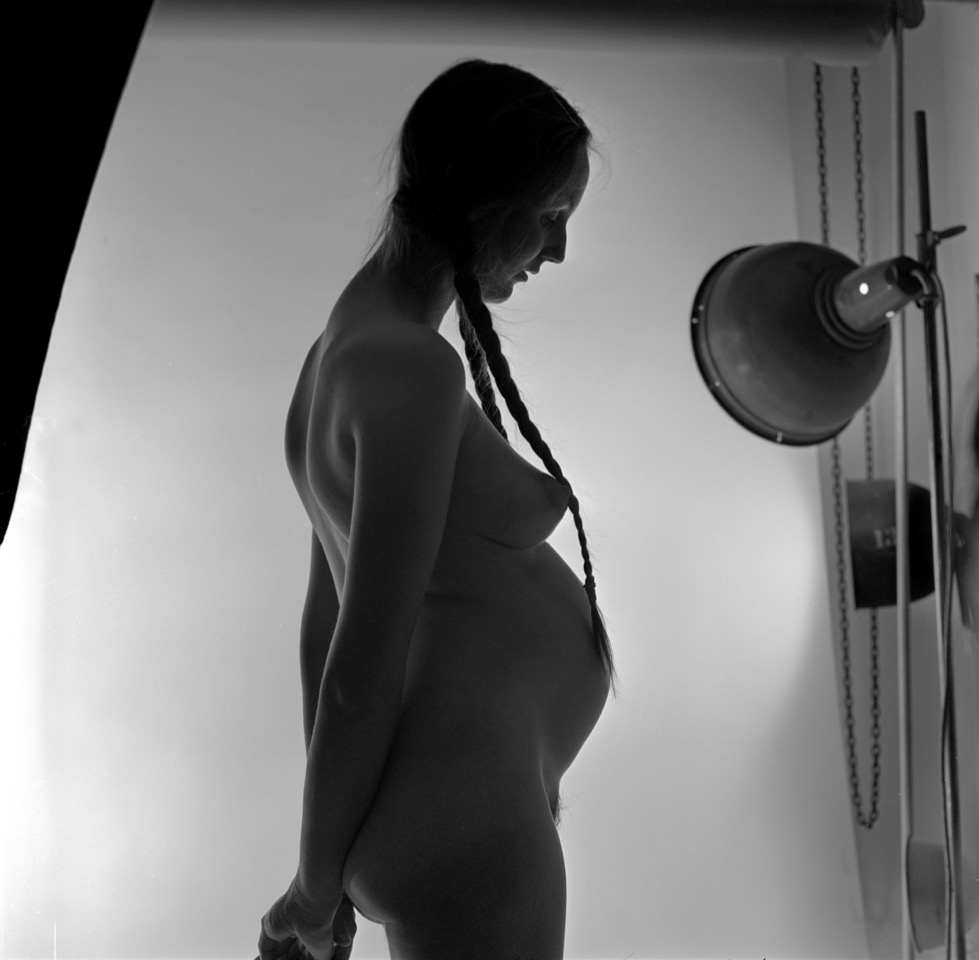
 Sue Budds in the 1970s studied photography from both sides of the lens; “modelling was a learning curve for me…as I was able to observe studio lighting practices.”
Suzanne Budds was born in 1952 to Edna and David Budds, and grew up in Murrumbeena where her father had lived near the Boyds, a famous Australian artist family. Her mother was an accomplished pianist and her father an engineer/draughtsman and keen moviemaker and photographer.
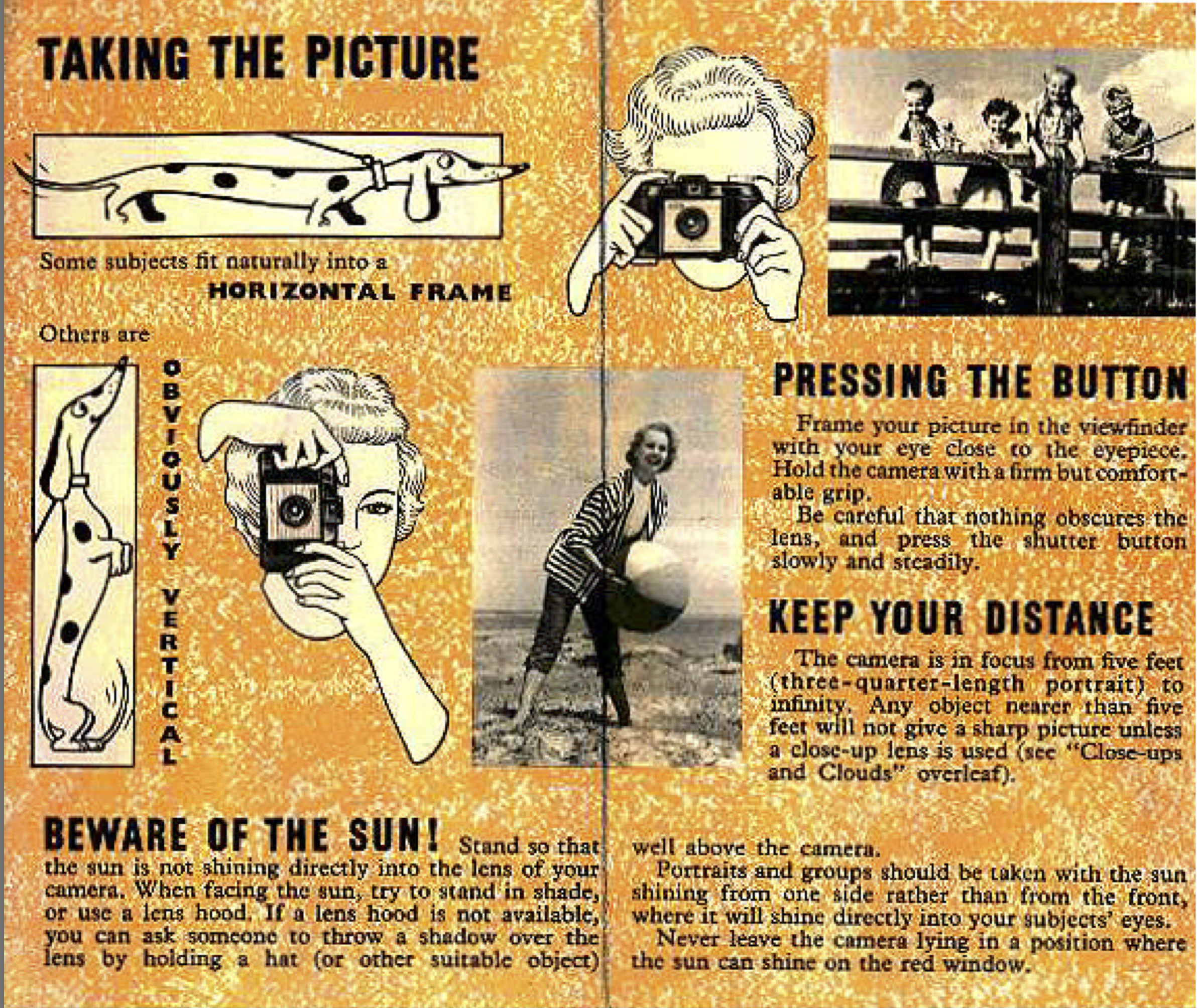
“My early years were spent with him in his garage darkroom where I watched amazed as images appeared in the developer. I never dreamed back in the 50s I would become a photographer. My first camera was a push button Kodak Brownie 127.
“I completed year 12 at Korowa CEGGS IN 1969 where my mother had been school pianist and boarded during World War II. School frustrated me in my senior years as the ’60s came alive and I wanted to be part of the new era. Luckily my wonderful history teacher Mrs. Longmore was becoming interested in the film and TV industry that was beginning to explode in Australia. With her help, I passed the entrance test to Swinburne Film & TV and spent 1970 making many new friends from all over Melbourne. However I soon realised I was more captivated by still photography.
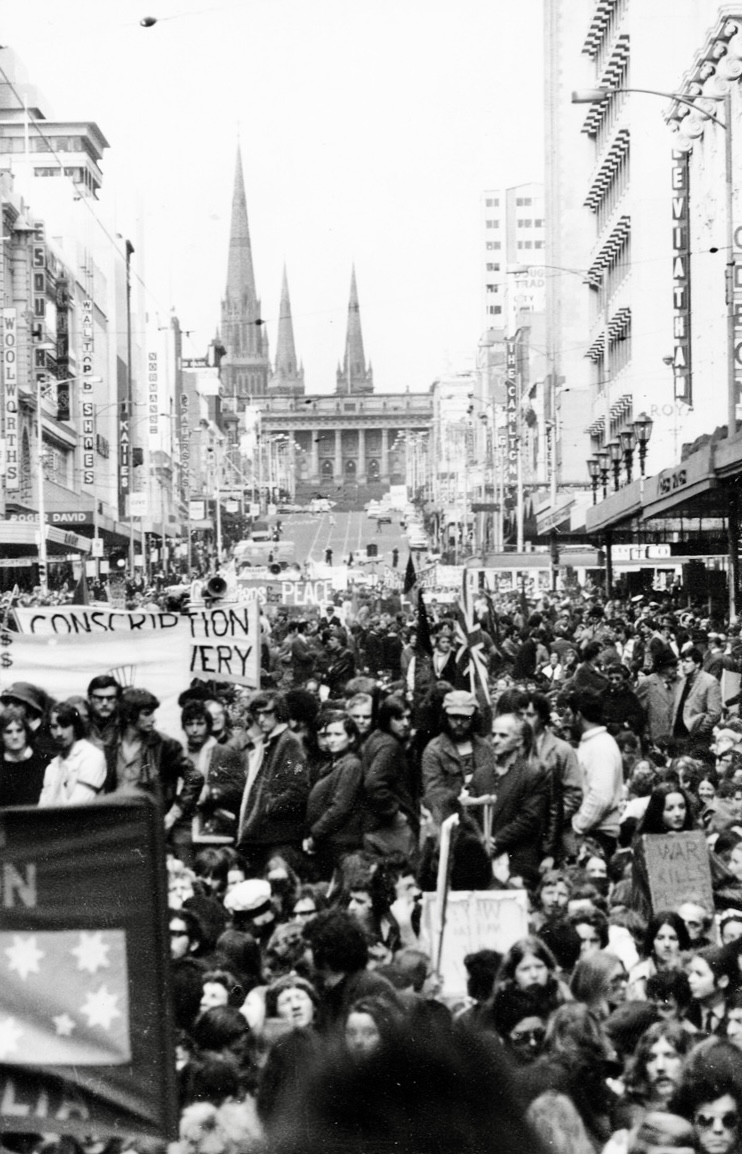
“Gordon De’Lisle accepted me into second year photography in 1971 after viewing my folio of the Melbourne Moratorium of 1970. So began three years immersed in a world of amazing creativity as I joined a bunch of likewise passionate photography students.

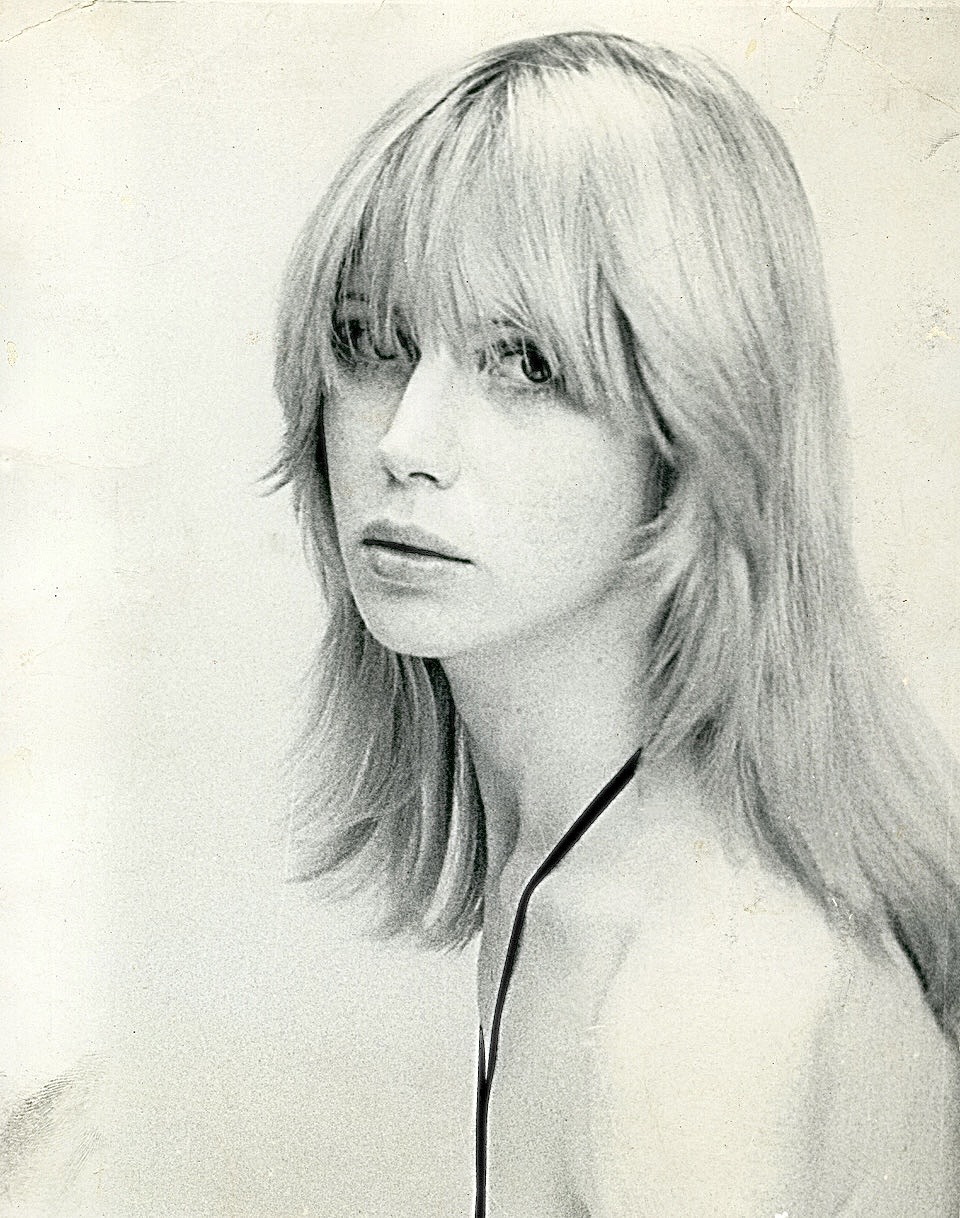
“I had no idea that I was photogenic but soon became a model and muse to many students and teachers. Gordon arranged for his friend Dr Geoffrey Smith photographer me in his Melbourne studio and my part time modelling became part of my life at Prahran. It was always a learning curve for me also as I was able to observe studio lighting practices.
“I adored going to Prahran each day. Under the guidance of Paul Cox, Bryan Gracey and Derrick Lee we all bonded, striving to learn and delighted in just being there, working together in the darkroom and learning from each other.
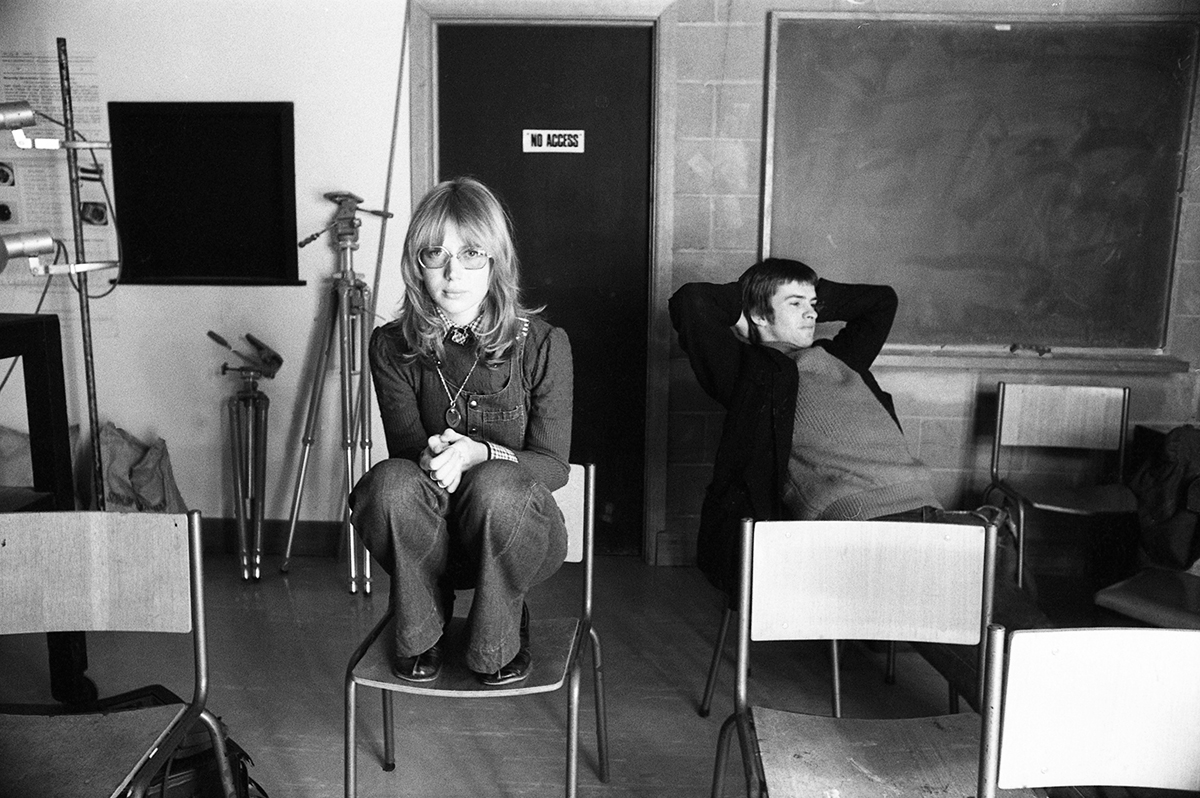

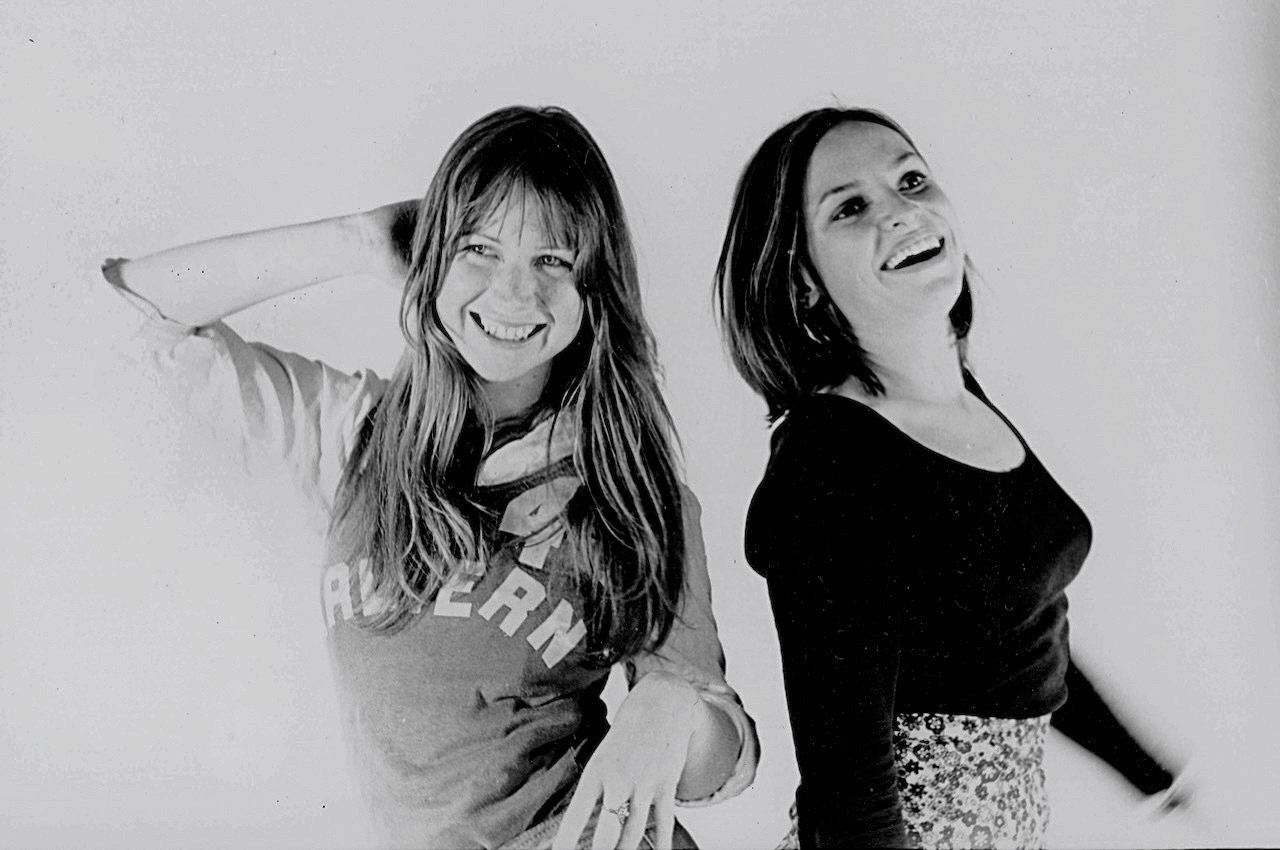
“Paul inspired me the most with his love of great art and music. When he introduced Cartier-Bresson and company to us, that opened up street photography for me.
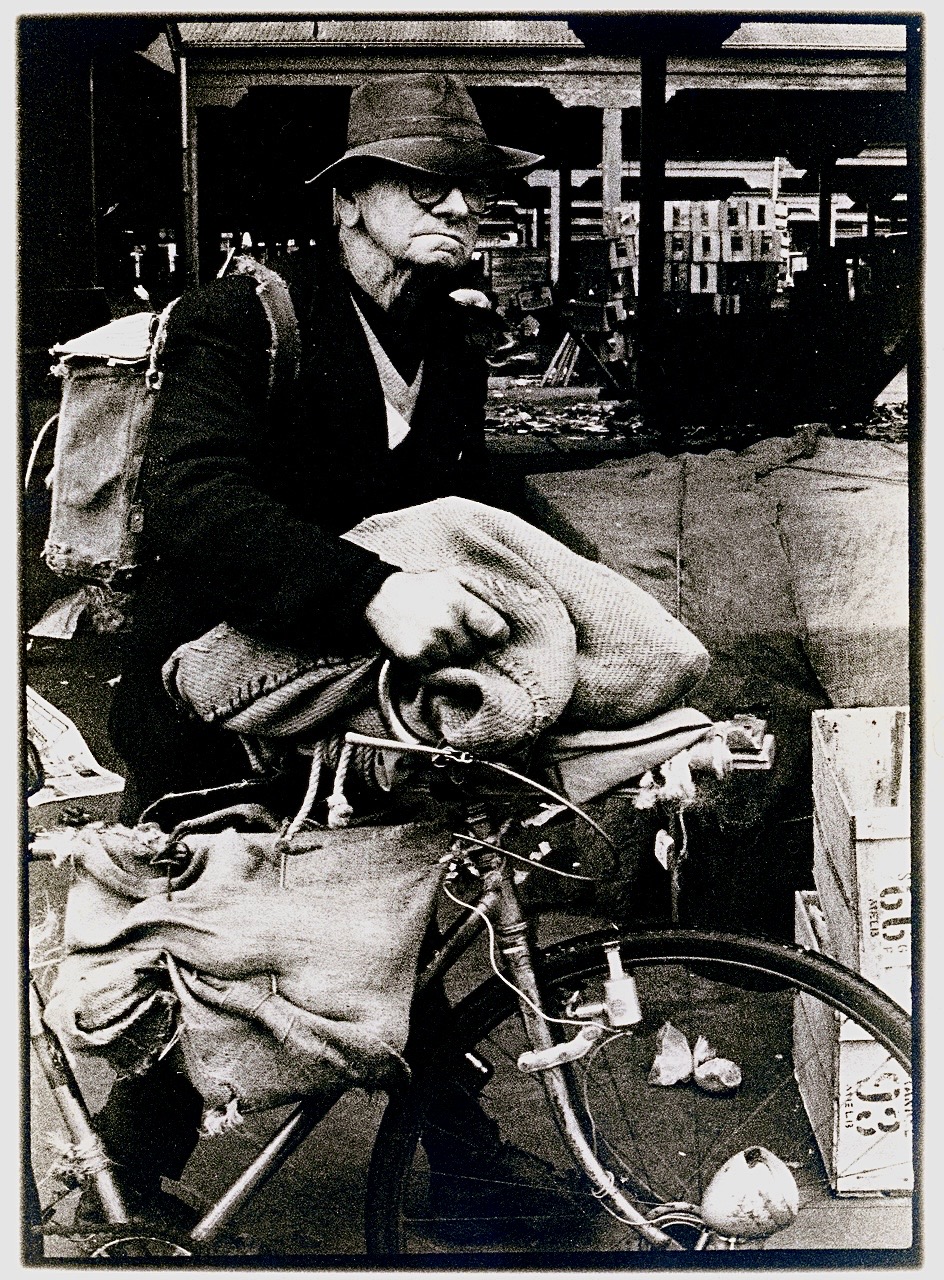
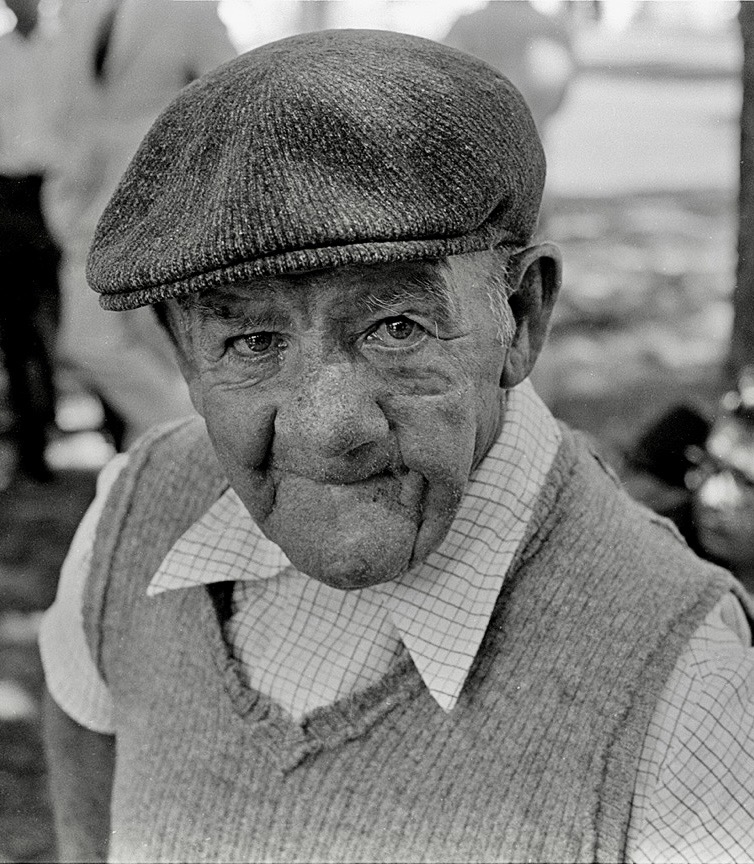
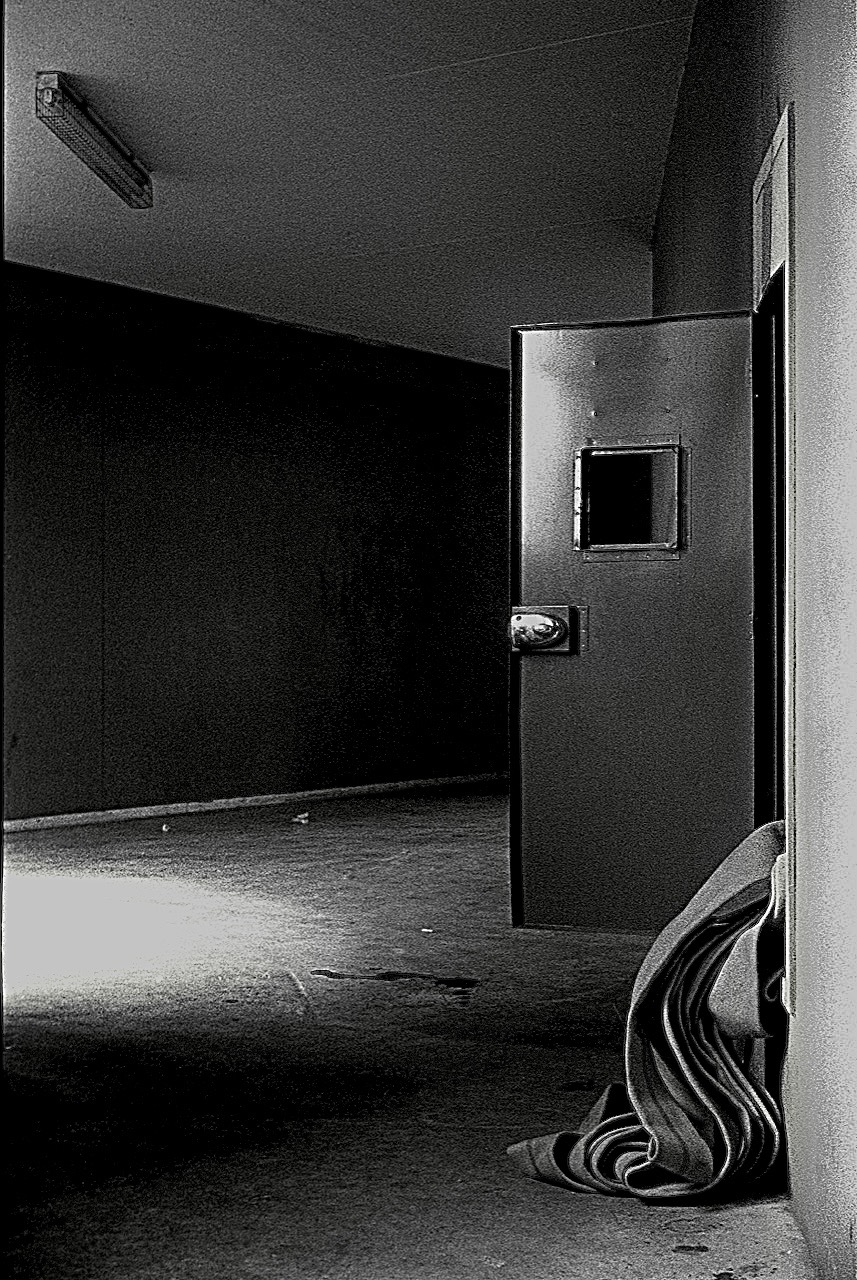
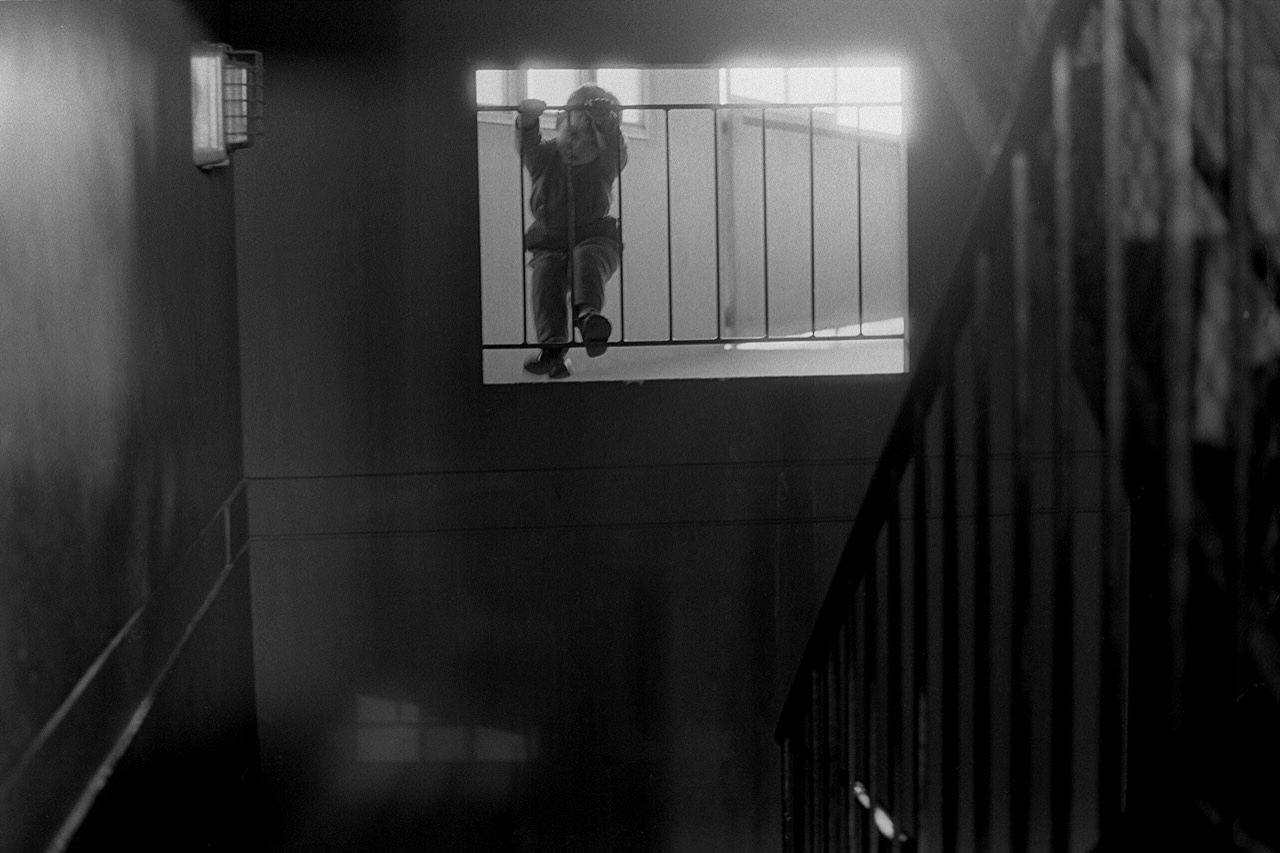
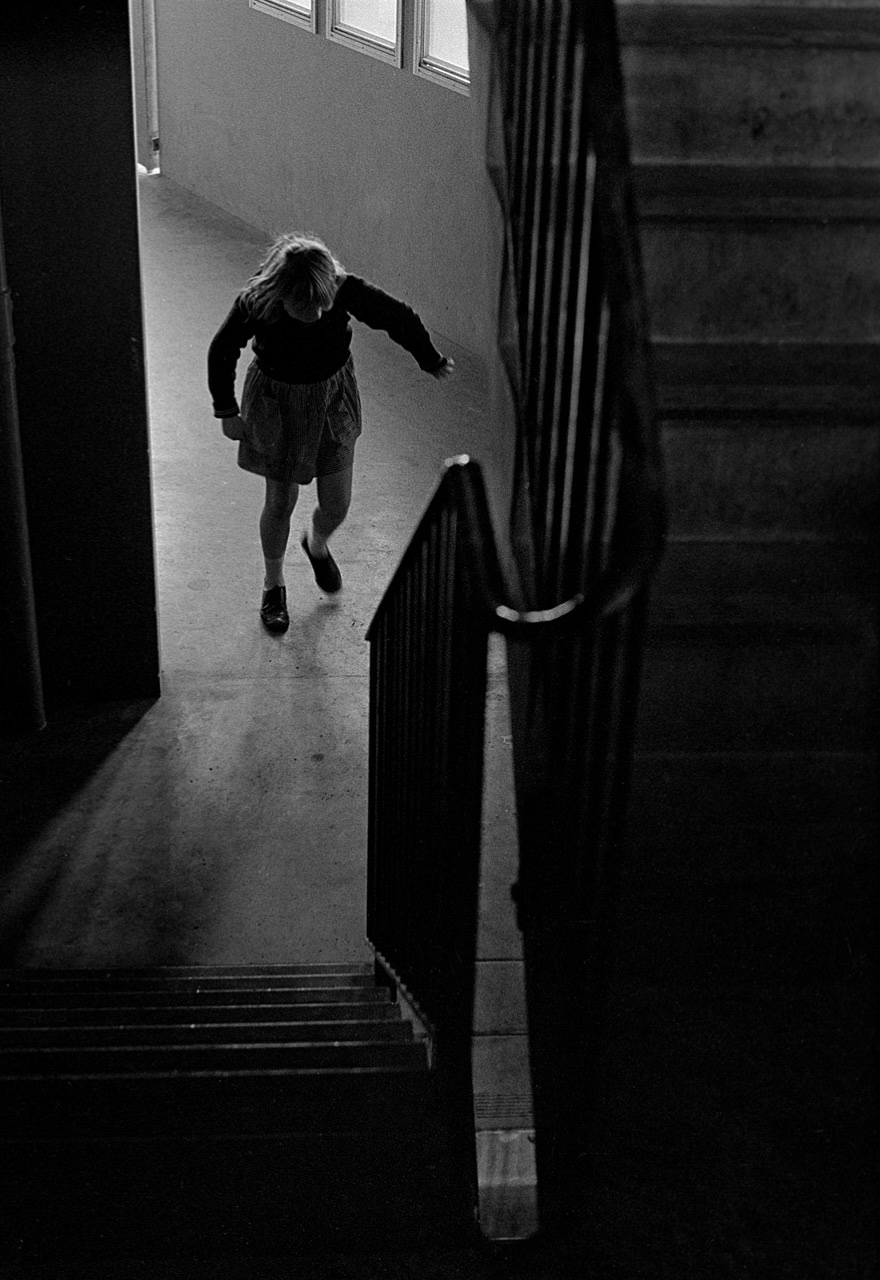
“Waiting for a moment when you found the perfect composition and light was my aim in my housing commission photos. The fire hose spilling from the wall was already a moment.
“Love of the old Masters and his class on Rembrandt lighting often influenced the portraits I took. Learning about the types of light during the day was important whenever I was looking to shoot daylight portraits
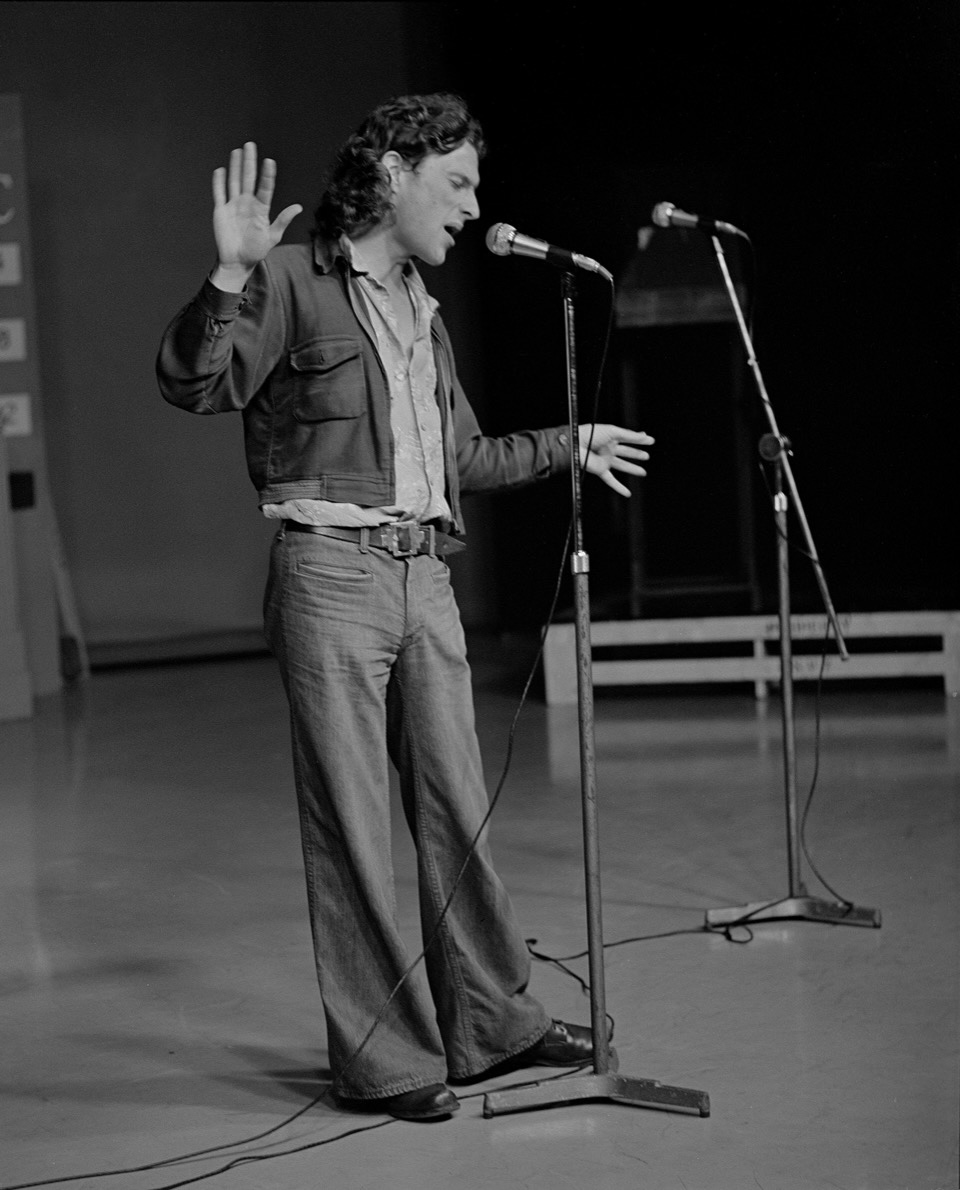
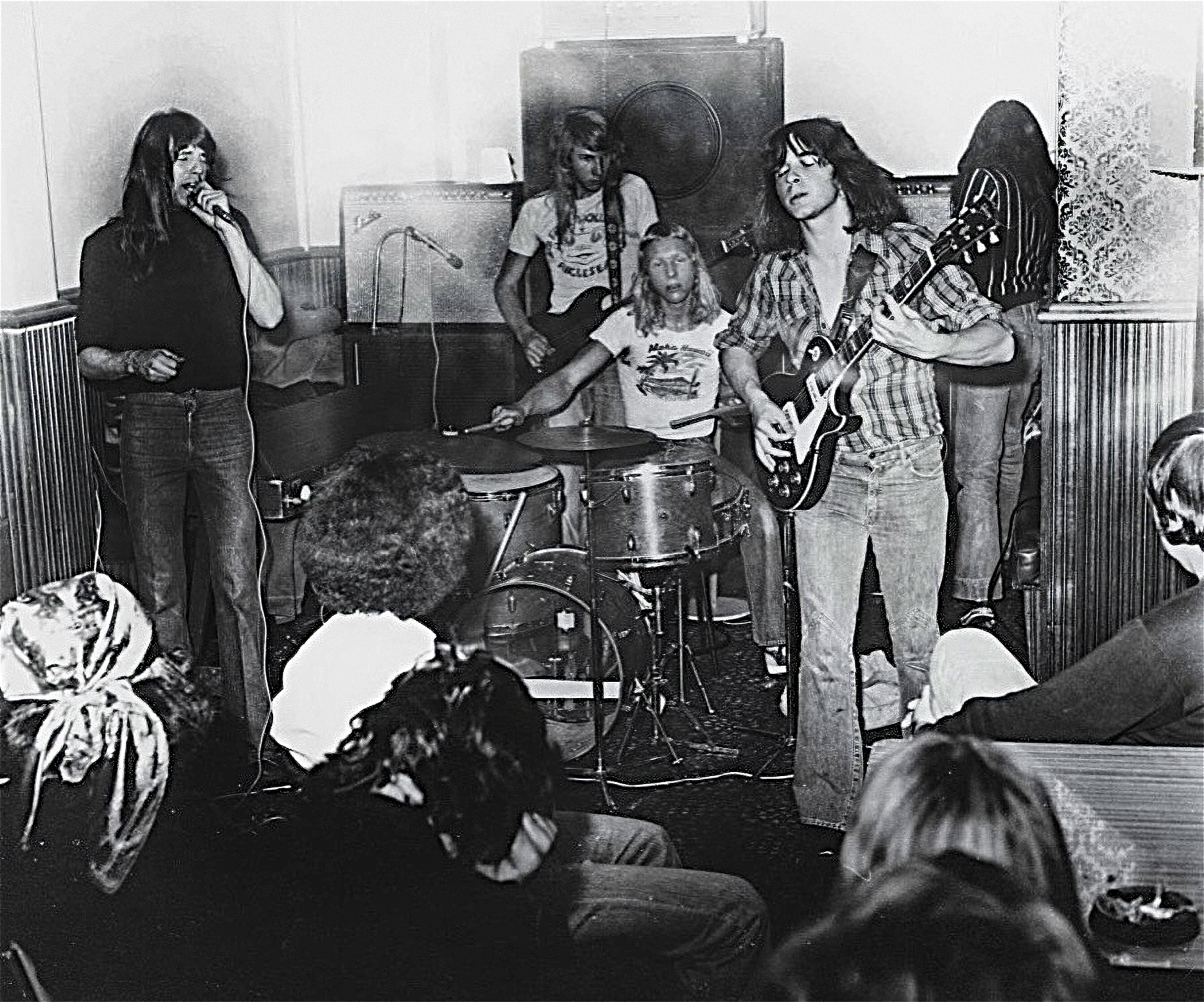
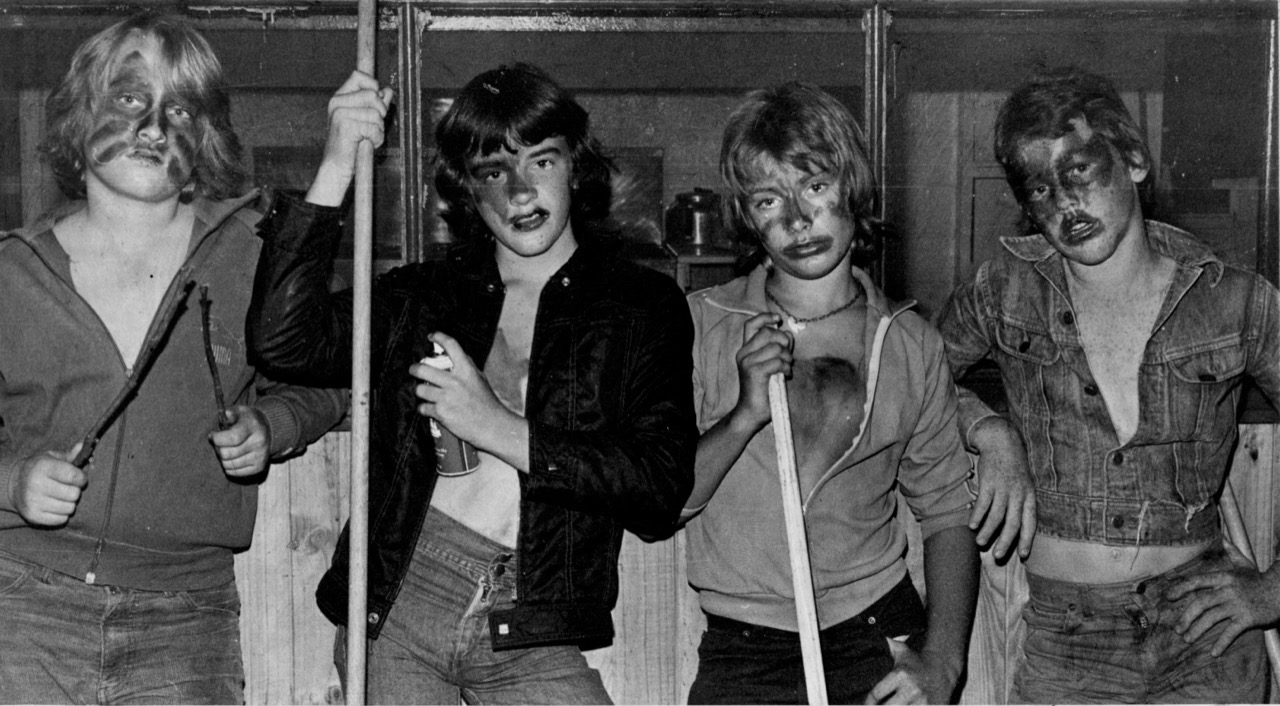
“In 1972 Greville St Prahran was a vibrant hippie fashion and music scene with the Station Hotel our local pub. Bands often comprising art schoolmates from Swinburne led me to photograph many friends and band members on Saturday afternoons.
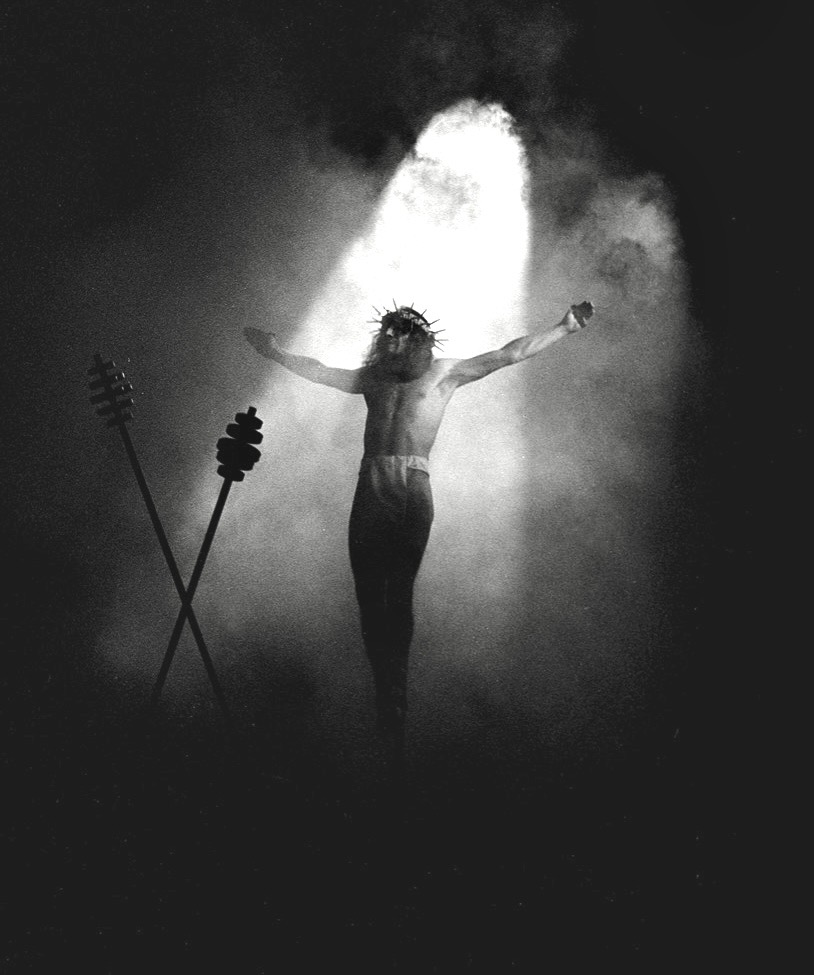
“Due to these friendships I was able to photograph rehearsals for the Rock Opera Tommy starring Keith Moon of the English band The Who and I attended the press night for Jesus Christ Superstar both in Melbourne 1972.
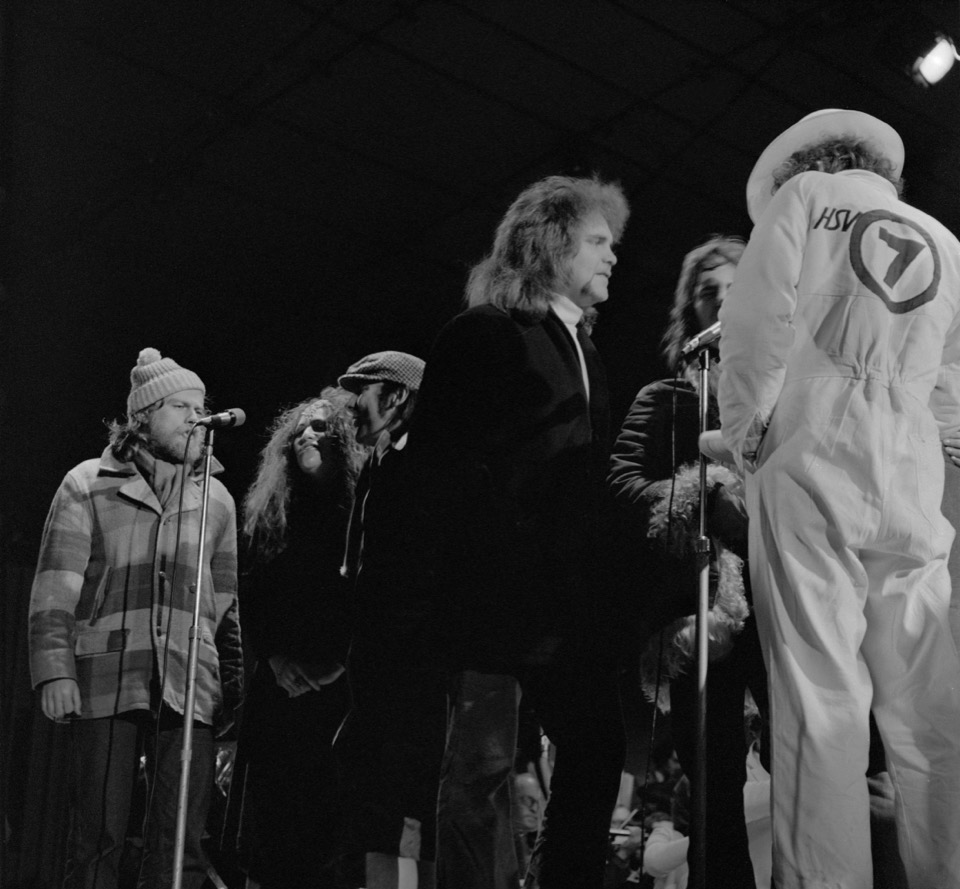
“The last rehearsal for Tommy at the Myer Music Bowl was held during a thunderstorm. Soaking wet and protecting my camera I was determined to get a shot of the elusive Mr. Moon and luckily before the next torrential downpour he appeared briefly between Broderick Smith, Linda George and Doug Parkinson.
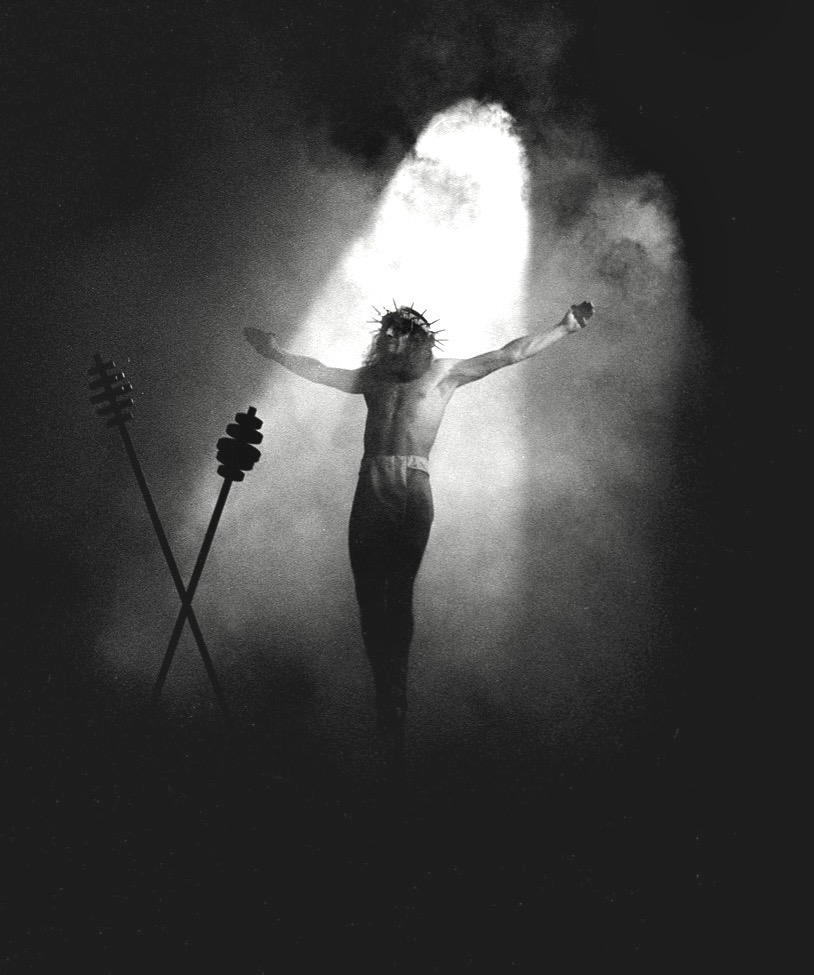
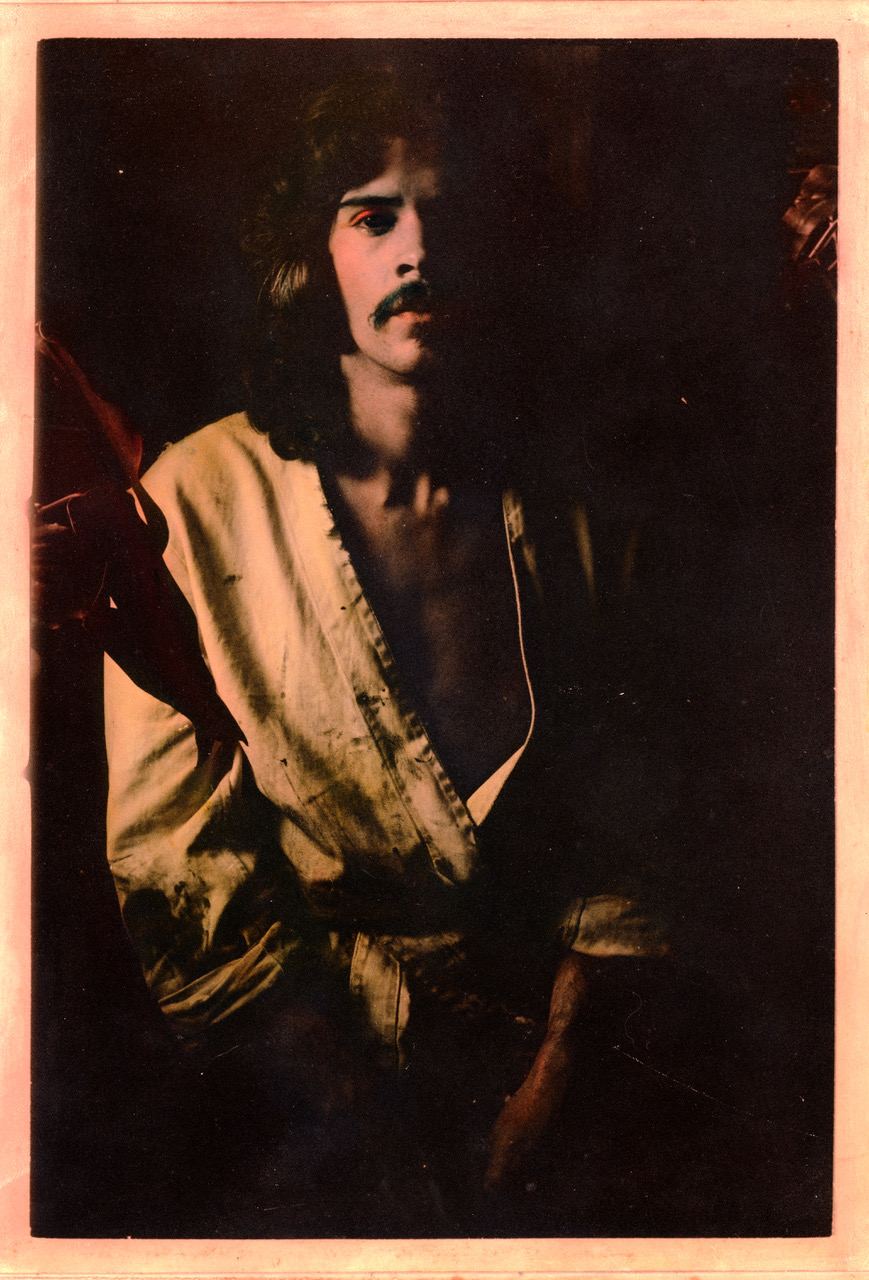
“My photo of Trevor White as Jesus on the cross almost didn’t happen. It’s one of my favourite photos. I was using a handheld Mamiya 330 and just as the crucifixion scene began, I ran out of film. Loading another roll quickly in almost dark, I raised up my camera as the lights were fading and CLICK! Any earlier and I don’t believe it would look so atmospheric.
“I continued photographing bands and friends around Greville St and the Station Hotel and even its cricket team for many years well into the 80s.
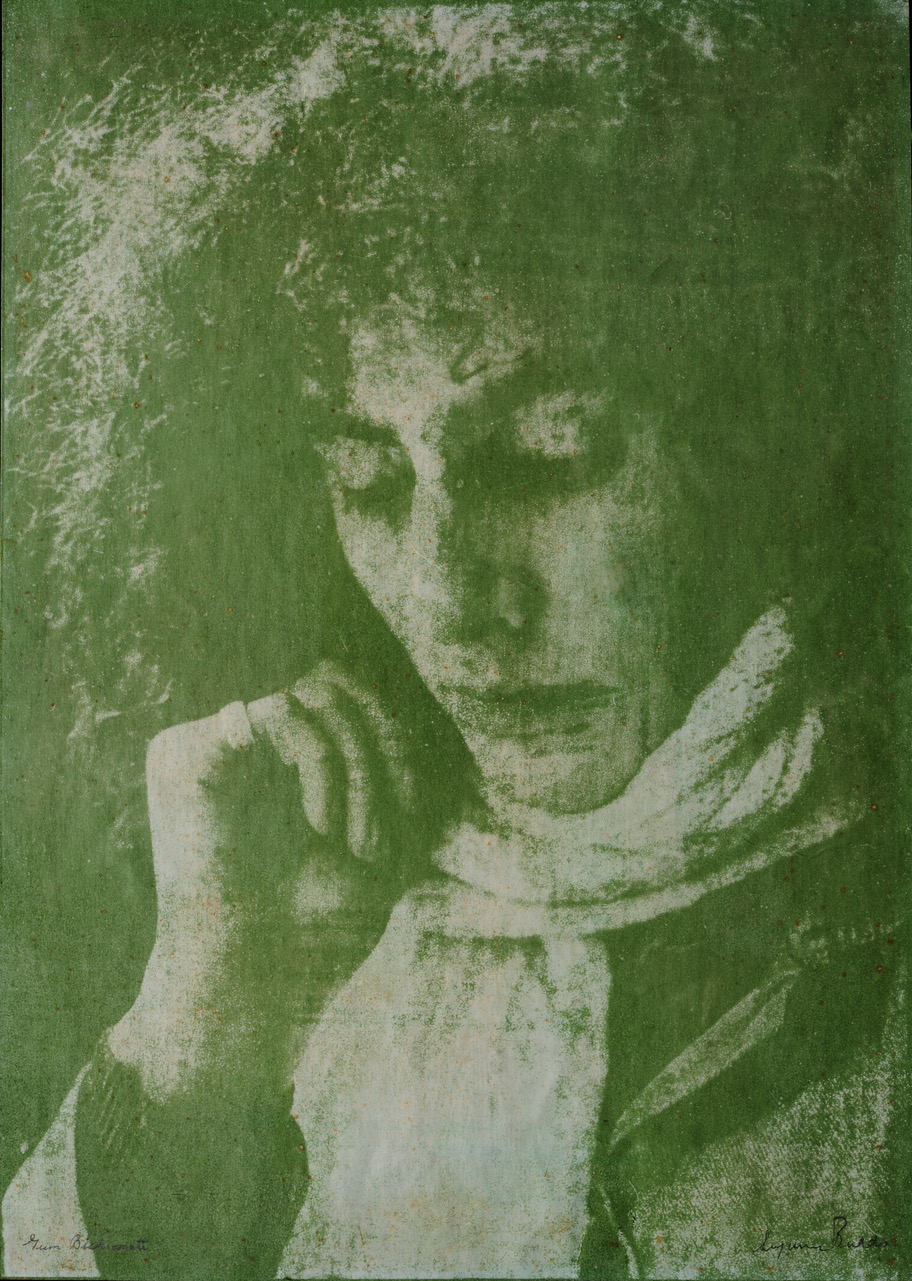
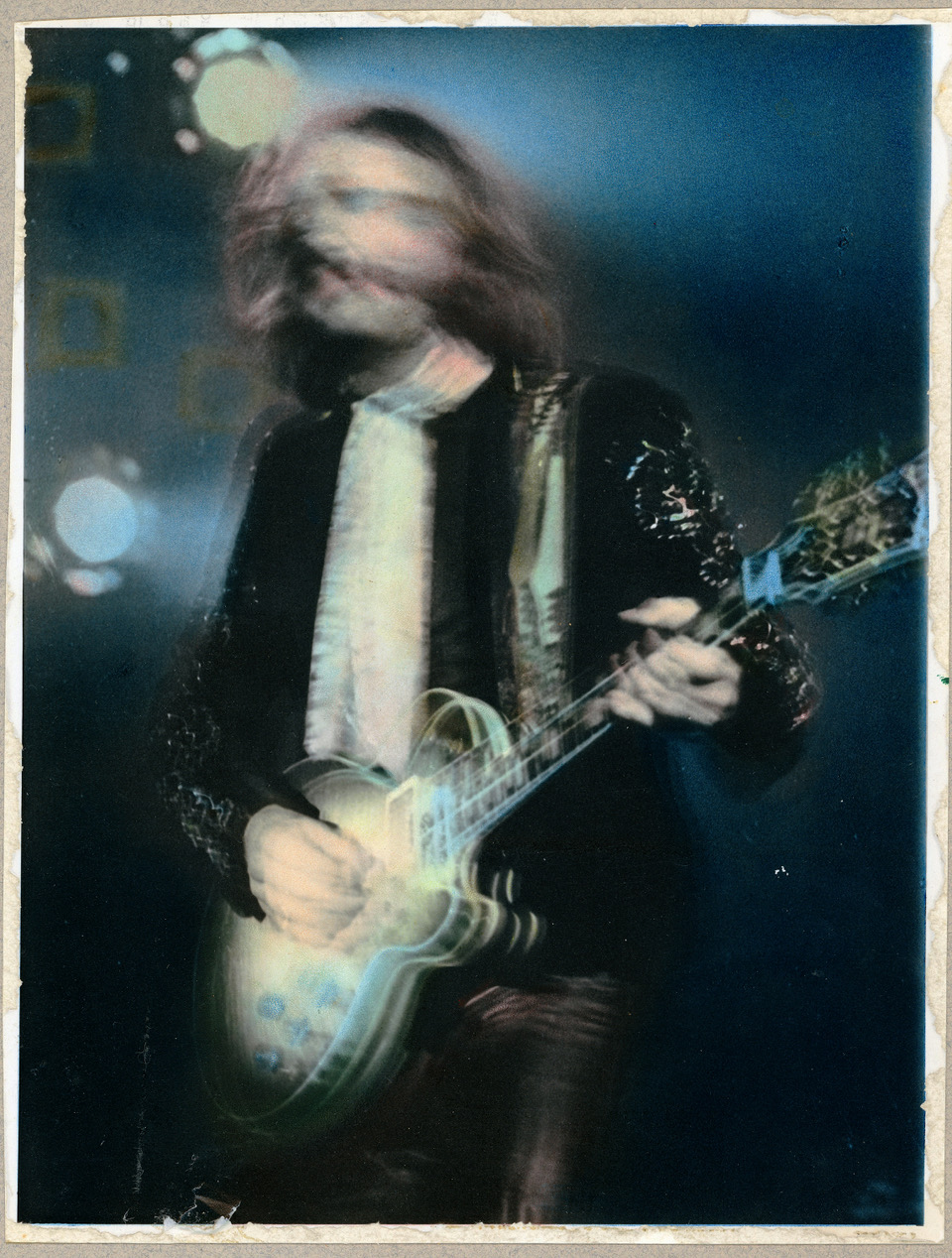
“My experimentation with lighting, film speeds, grain, solarisation, sepia toner, hand colouring with oil paints and Gum Bichromate fascinated me and found its way into my work.
“When Athol Shmith became our new head of department, serious lectures became fun and we gained much insight from him about our work. We tired Athol out some days, but to me a perfect day, when all was right with our world in the Prahran basement, was seeing Athol asleep in his car at lunchtime, Paul puffing his pipe, Bryan’s leather pants and Derrick‘s leather jacket!
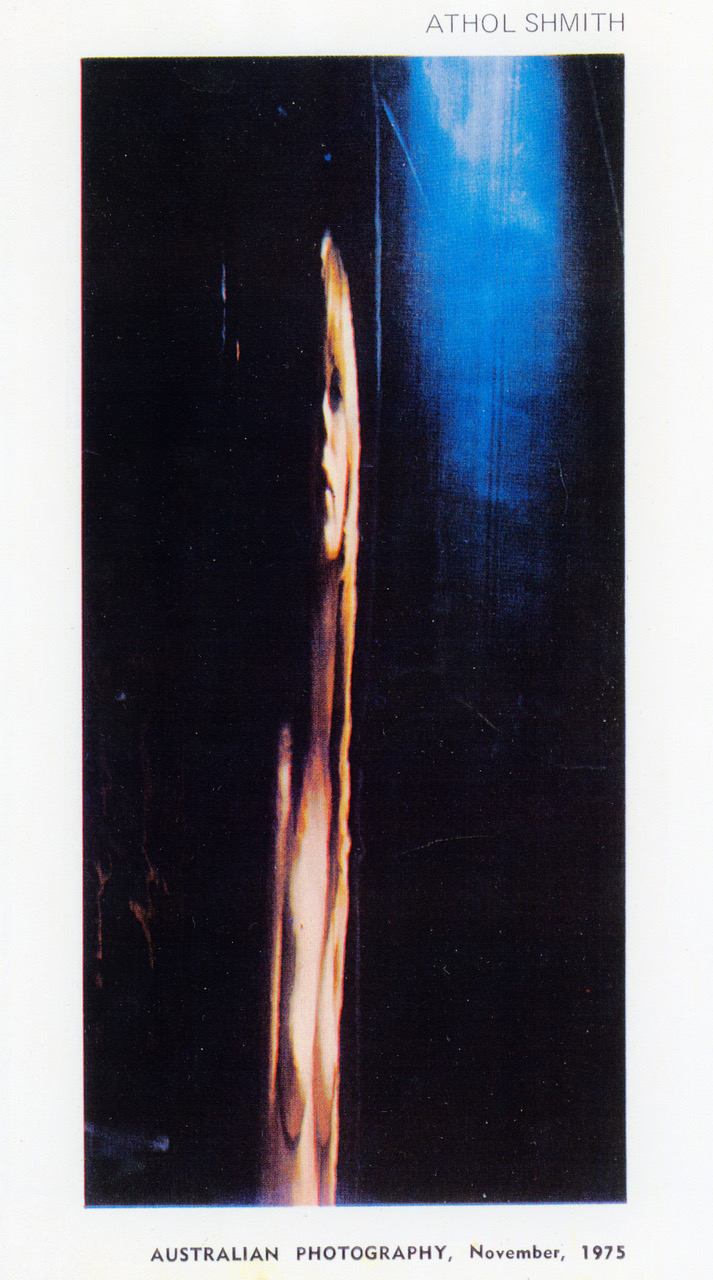 “In 1973, I was Athol’s first model for his anamorphic series, many now in major gallery collections and in 1975 one I had modelled for was published in Australian Photography magazine.
“During the shoot in Athol’s Collin’s Street studio, I had left all my clothes in the bathroom. As we were finishing up the studio door slammed shut locking us both in. Poor Athol was mortified on my behalf as I stood shivering but laughing whilst he made a phone call to find someone to unlock the door.
“I graduated at the end of 1973 and continued modelling while also starting my first real job in the industry working as a darkroom assistant and studio operator at Graham Black and associates in Richmond. We did commercial and advertising for large companies such as Gillette and UDL. It was a great beginning to my career in which I learnt to run a studio and liaise with clients.
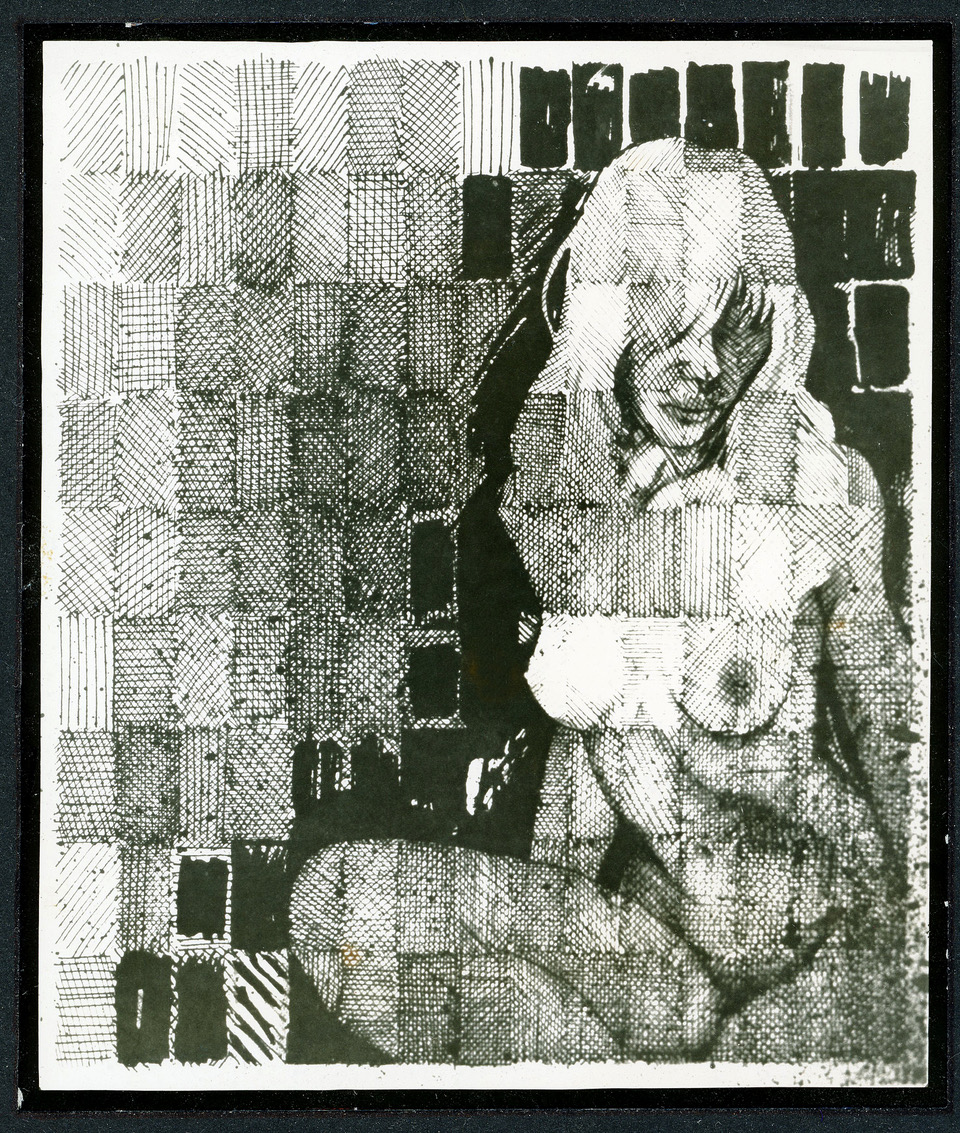
“In March 1974 I married Neil Taylor, fellow basement dweller from printmaking and became his model/muse. Neil was employed in the graphics department of the ABC. He used a self-portrait of me and turned it into crosshatched graphic. This was aired as a caption becoming the first nude shown on the ABC.
“I left Blacks in July 1974 just as Phil Quirk needed someone to fill-in for him at Southern Cross newspapers. Covering human interest stories and social events was interesting but exhausting; having to often photograph an evening event meant rushing back to the dark room to process and print before the paper went to press before midnight.
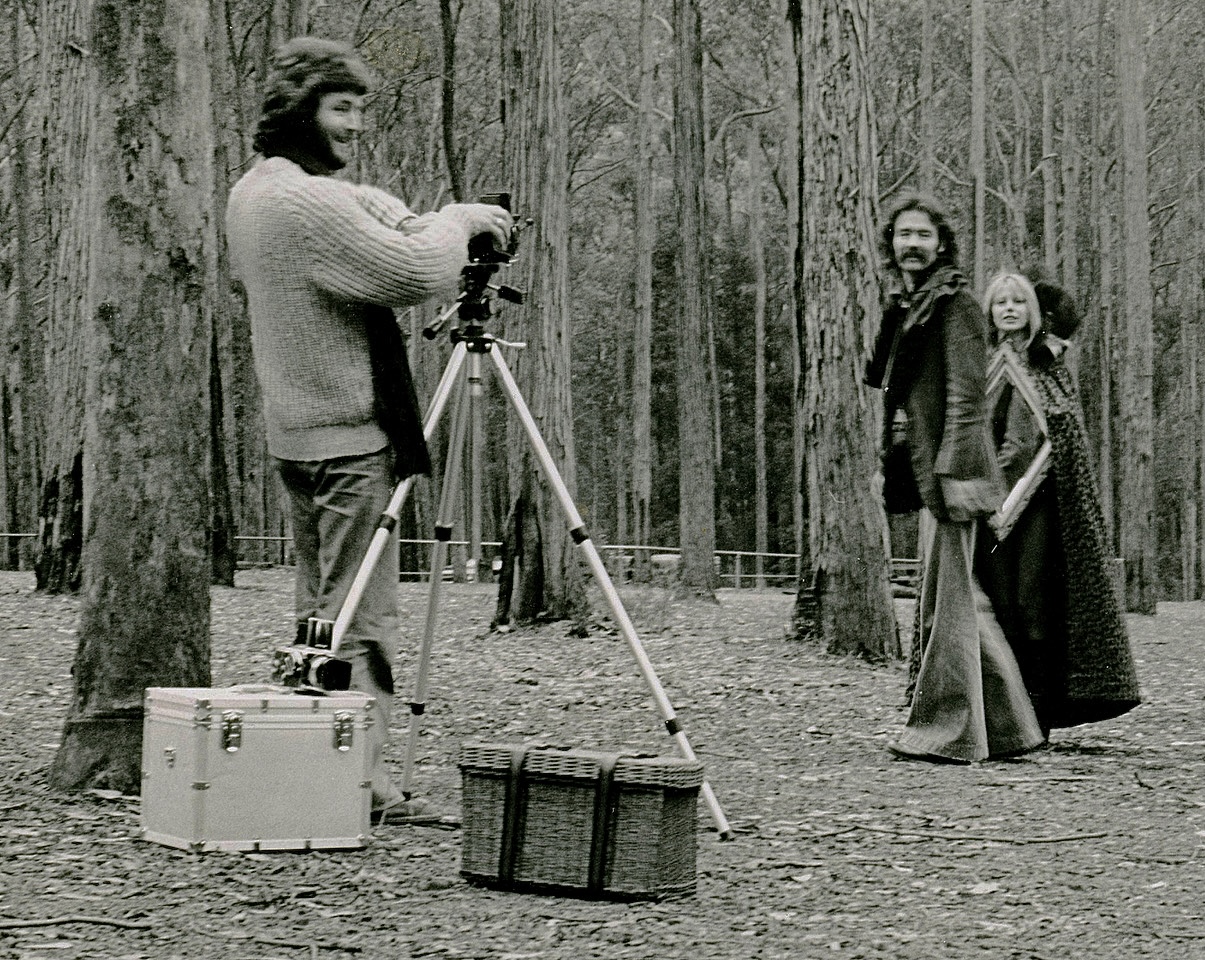
“Later that year Caulfield Institute of Technology (now Monash University) employed me in the Educational Development Unit to provide visual aids and slides for art department lessons and shooting for general college promotional material. I even photographed guest speaker Gough Whitlam! I also spent a happy day with Phil Quirk, Ian Cherchi and Neil Taylor shooting Phil’s survival kit in 1975. Photos of us working that day are by Neil Taylor.
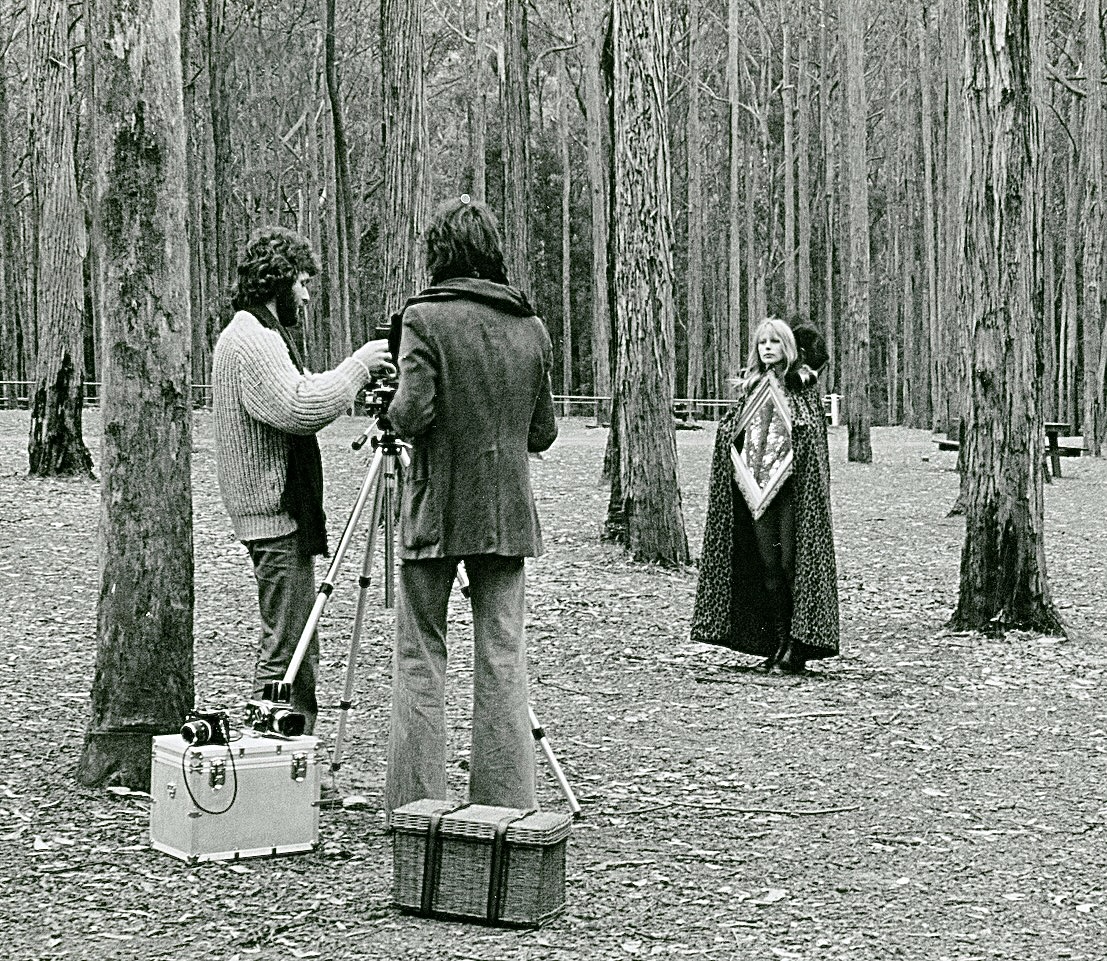
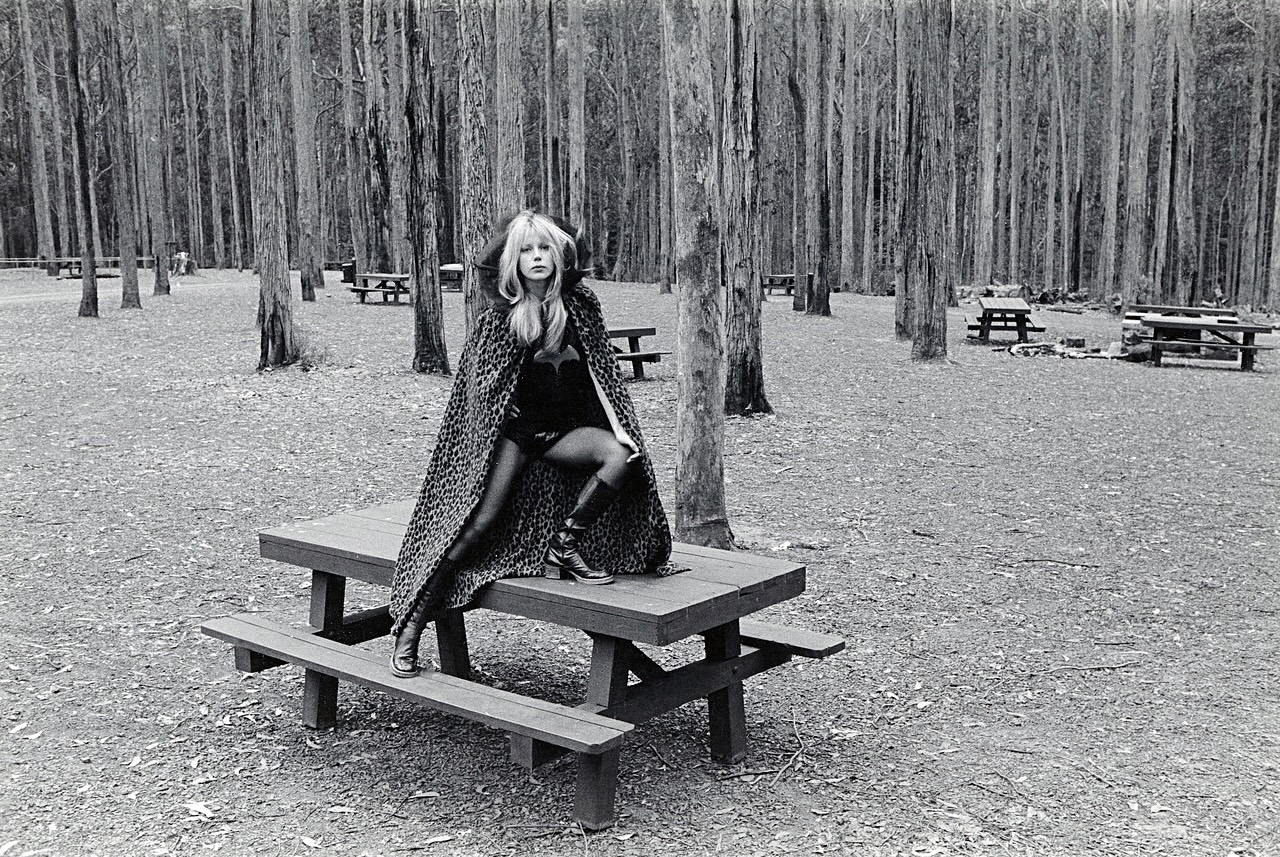
“I then began teacher training in 1977 and continued to teach in boy’s technical schools until 1981 when I had to take two years off to care for my very premature daughter. During this maternity leave my father had begun his own business producing and illustrating technical catalogues and was in need of a finished artist so I assisted with cut and paste. My father continued to employ graphic students from Prahran after I went back to teaching.
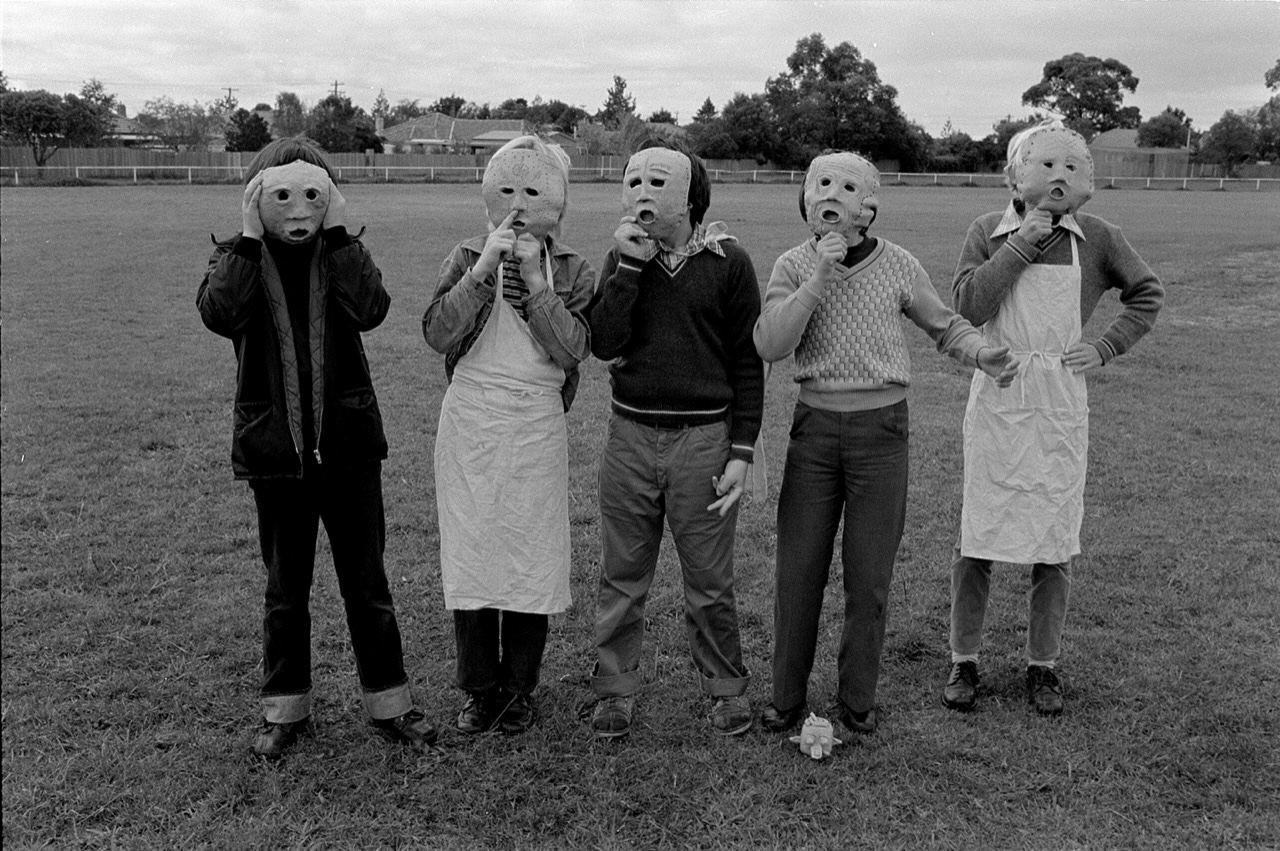
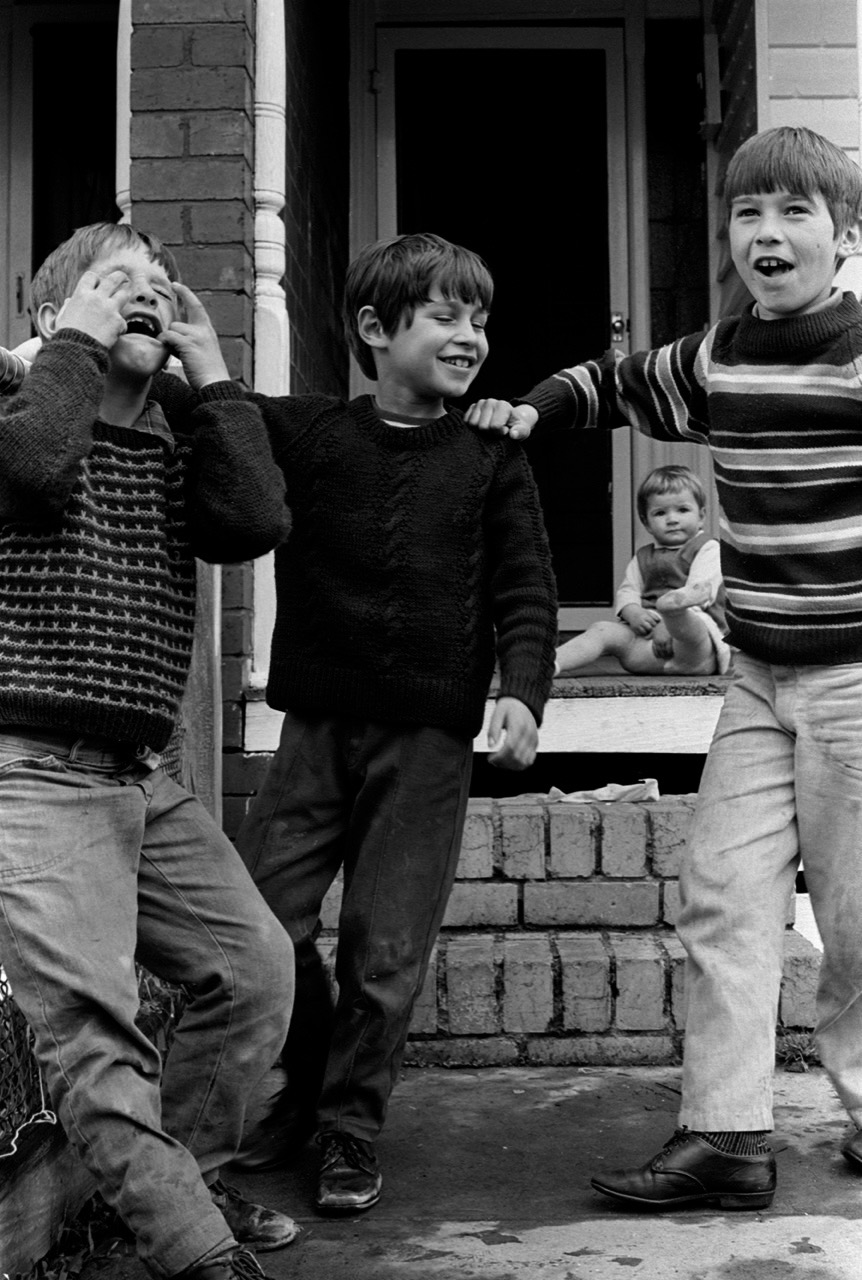
“In 1983 I began teaching again when I joined the year 12 film and photography course at Oakleigh Technical School. We had an old squash court converted into a large studio with editing suites above and darkrooms below. In 1984–5 my students and I filmed and produced a video We’re Big Kids Now for the Royal Women’s Hospital. We featured my three-year-old and five other premature children to give new parents of premmies hope for the future when seeing how well our babies had survived against incredible odds.
“Later in the 80s I transferred to Holmesglen TAFE Horticultural School where I was involved in photographing hundreds of plants and providing audio-visual assistance to staff. I loved this job, often off to the Melbourne botanical Gardens with students and camera.
“Unfortunately I became seriously ill in 1993 and had to retire.
“Over 1996–7 my mother wrote a family history From Kentish candles : a Budds family history & their Lansell kin, and on days when I was well enough my now computer-savvy teenage daughter and I both became involved in retouching and re-photographing many old family photos. I also travelled to Bendigo to take many new photos of our Lansell family gold rush mansion “Fortuna”. This was all done in 100 days and I picked up the book from the printers on our way to Bendigo for a family reunion.
“However, although I have been ill for many years, I’ve never stopped taking pictures and having embraced the new digital camera age. I’ve spent the last few years now photographing the grandchildren and family and still love to prowl the streets Nikon in hand.
“I’m forever grateful and thankful I was a student at Prahran in the 1970s. We all did our best to promote photography as the art form it is now.”


 On This Date in Photography: by James Mcardle